Wondering how long it takes a robotic pool vacuum to clean your pool? You want a sparkling clean pool without spending hours scrubbing or skimming.
But how quickly can these smart machines get the job done? Understanding the cleaning time helps you plan your pool maintenance better and enjoy more swim time. Keep reading to discover the factors that affect cleaning speed and how to get the best results from your robotic pool vacuum.

Robotic Pool Vacuum Basics
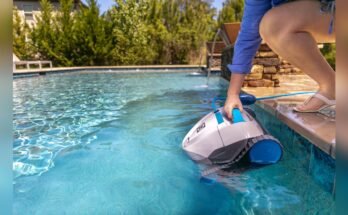
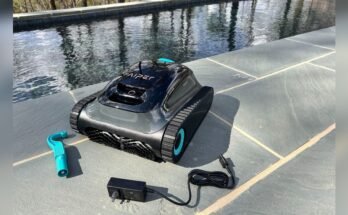
Robotic pool vacuums are smart machines that clean pools automatically. They save time and effort by doing the work for you. These devices work quietly and efficiently, making pool maintenance easier. Understanding how they work and the types available helps choose the right one.
How Robotic Vacuums Work
Robotic pool vacuums move around the pool floor and walls. They use brushes to scrub dirt and debris loose. A powerful pump then sucks the dirt into a filter bag inside the vacuum. Sensors help the robot avoid obstacles and cover the entire pool. Most models run on rechargeable batteries or plug into a power source. The robot cleans in cycles, usually lasting a few hours.
Types Of Robotic Pool Cleaners
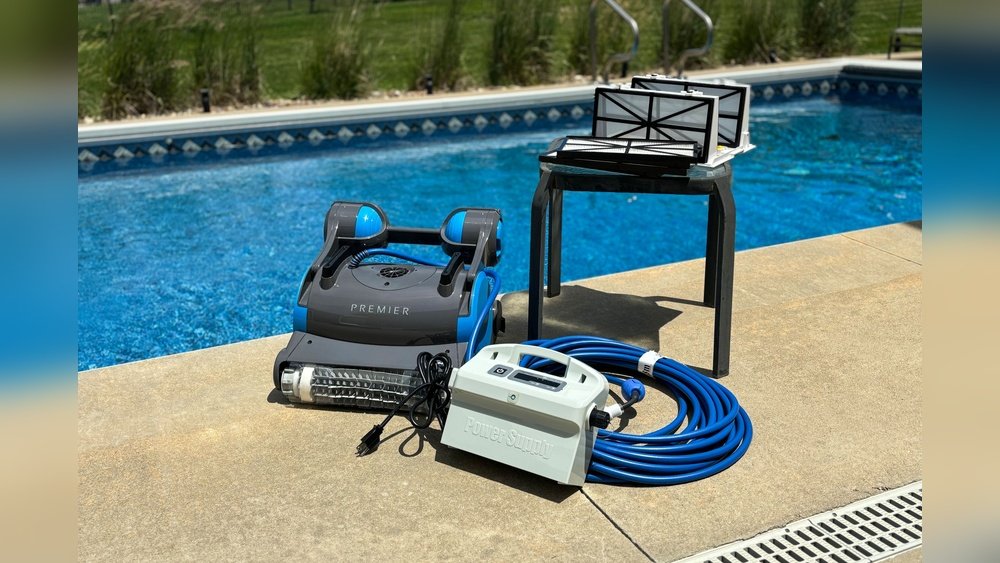
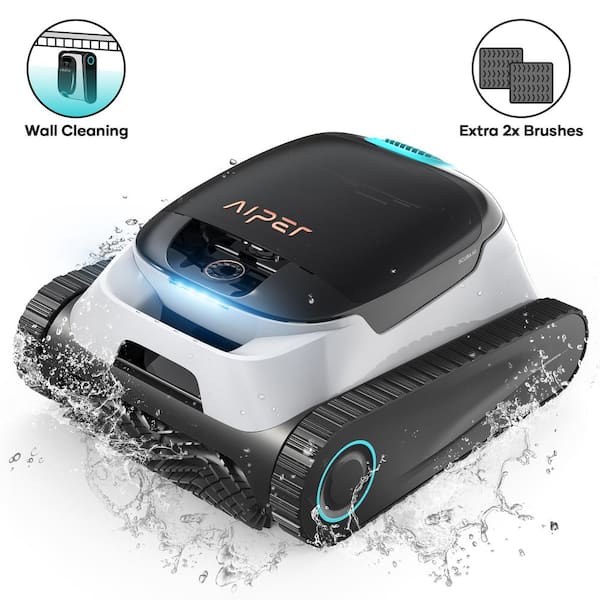
There are several types of robotic pool vacuums. Some are designed for small pools, while others handle large or complex shapes. Basic models clean only the pool floor. Advanced models can climb walls and clean waterlines. Some come with remote controls or smartphone apps for easy operation. Choosing the right type depends on pool size, shape, and cleaning needs.
Factors Affecting Cleaning Time
Several factors affect how long a robotic pool vacuum takes to clean your pool. These factors can change the cleaning time significantly. Knowing these helps set the right expectations. It also helps you choose the best vacuum for your needs.
Pool Size And Shape
The bigger the pool, the longer the vacuum needs to clean. A small pool can be done in under an hour. Large pools may take two hours or more. Pool shape also matters. Simple shapes like rectangles are easier to clean. Complex shapes with curves and corners take more time. The vacuum must cover every area, which adds to cleaning time.
Debris Type And Amount
Light debris like leaves or dust is faster to clean. Heavy debris such as sand or mud takes longer to remove. A pool with a lot of debris will need multiple passes. This increases the total cleaning time. Regular cleaning reduces debris build-up and speeds up future cleanings.
Vacuum Model And Features
Different models clean at different speeds. Some vacuums have faster motors and better brushes. Advanced models scan the pool to plan the best path. Basic models move randomly, which takes more time. Features like powerful filters and strong suction also help clean faster. Choosing the right model affects how quickly your pool gets clean.
Average Cleaning Duration
Robotic pool vacuums clean pools at different speeds. Knowing the average cleaning duration helps you plan pool maintenance. These devices work automatically, saving time and effort. The cleaning time depends on pool size, model, and cleaning mode.
Typical Time Ranges
Most robotic pool vacuums clean a standard pool in 1 to 3 hours. Small pools may take less than an hour. Larger pools might need up to 4 hours. Some models offer quick clean modes for faster results. Regular cleaning keeps pools clear and reduces cleaning time.
Comparing Models By Speed
Basic models usually take longer to clean pools. Higher-end models use advanced sensors and faster motors. These can finish cleaning 30% faster than standard robots. Some vacuums have multiple cleaning cycles to adjust speed. Choosing a model depends on your pool size and cleaning needs.

Optimizing Cleaning Efficiency
Optimizing the cleaning efficiency of a robotic pool vacuum helps save time and energy. A well-maintained vacuum cleans faster and works better. Small steps can make a big difference in how quickly your pool gets spotless.
Proper Maintenance Tips
Clean the filter after every use. A clogged filter slows down the vacuum. Check the brushes for wear and replace them if needed. Remove debris from wheels and tracks. This keeps the vacuum moving smoothly. Store the vacuum in a dry place. Avoid sun damage to its parts.
Scheduling And Usage Frequency
Run the vacuum regularly, not just once in a while. Frequent cleaning prevents dirt buildup. Set a schedule based on pool use and weather. More swimming means more cleaning. Short, regular sessions work better than long, rare ones. This keeps your pool clear and safe.
Expert Tips For Faster Cleaning
Robotic pool vacuums save time, but cleaning speed varies. Some simple steps can help your vacuum work faster. These expert tips focus on preparing your pool and choosing the right vacuum. Follow these tips to get a cleaner pool in less time.
Pre-cleaning Pool Preparation
Remove large debris like leaves and sticks before using the vacuum. This stops clogs and lets the robot move freely. Brush pool walls to loosen dirt. Check water chemistry to prevent buildup. Clear skimmer and pump baskets for better water flow. These steps help the vacuum clean more efficiently.
Choosing The Right Vacuum
Select a vacuum that fits your pool size and shape. Smaller vacuums work well for small pools. Larger pools need more powerful models with longer battery life. Look for vacuums with strong suction and smart navigation. A good vacuum covers the pool faster and cleans better. Match the vacuum features to your pool’s needs.
Frequently Asked Questions
How Long Does A Robotic Pool Vacuum Take Per Cleaning?
A robotic pool vacuum typically cleans a standard pool in 1. 5 to 3 hours. The exact time depends on pool size, dirt level, and vacuum model. Smaller pools and less debris mean quicker cleaning. Larger pools or heavy dirt may require more time or multiple cycles.
Does Pool Size Affect Robotic Vacuum Cleaning Time?
Yes, pool size directly impacts cleaning time. Larger pools take longer because the robot covers more surface area. Smaller pools are cleaned faster as the vacuum navigates less space. Always choose a vacuum suitable for your pool size to optimize cleaning efficiency.
Can Robotic Pool Vacuums Clean Pools Daily?
Robotic pool vacuums can clean daily if needed. Frequent cleaning helps maintain clear water and reduces algae growth. However, daily use may increase wear on the vacuum. Regular maintenance and proper storage extend the robot’s lifespan.
What Factors Influence Robotic Pool Vacuum Cleaning Speed?
Cleaning speed depends on pool size, shape, debris type, and vacuum model. Complex pool shapes and heavy debris slow cleaning. Advanced models with smart navigation and powerful motors clean faster. Regular maintenance ensures optimal performance and speed.
Conclusion
Robotic pool vacuums clean pools in about 1 to 3 hours. The exact time depends on pool size and vacuum model. Smaller pools take less time, while bigger pools need more. Some models work faster, but all aim to remove dirt well.
Regular cleaning keeps your pool clear and inviting. Choosing the right vacuum helps save time and effort. Trust this tech to keep your pool ready for fun. Simple, steady cleaning makes a big difference.