Have you ever cleaned your furniture and wondered how long it will take to dry? Waiting too long can be frustrating, but rushing it might ruin your efforts.
Knowing exactly how long your sofa, chair, or carpet takes to dry can save you time and keep your home fresh. You’ll discover simple tips and clear answers to help your furniture dry faster and better. Keep reading to make your cleaning routine easier and more effective!
Factors Affecting Drying Time
Drying time after cleaning furniture varies widely. Several factors influence how fast your furniture dries. Understanding these helps you manage expectations. This knowledge also helps keep your furniture safe from moisture damage. Let’s explore the main factors affecting drying time.
Material Type
Different materials absorb water differently. Fabric sofas dry slower than leather ones. Natural fibers like cotton take more time to dry. Synthetic fibers often dry faster. Wood furniture can trap moisture inside, increasing drying time. The type of material directly affects how long drying takes.
Cleaning Method
How you clean your furniture impacts drying time. Steam cleaning uses more water and takes longer to dry. Dry foam or powder cleaning methods use less moisture. Spot cleaning usually dries quicker than full cleaning. The cleaning method changes the amount of water in the furniture.
Room Conditions
Room temperature and airflow affect drying speed. Warm rooms help water evaporate faster. Cooler rooms slow down drying time. Good ventilation helps remove moisture quickly. Closed or humid rooms keep furniture wet longer. Room conditions play a key role in drying furniture.
Furniture Thickness
Thicker cushions and padding hold more water. Thin furniture parts dry faster than thick ones. Dense materials trap moisture inside for longer periods. The thickness of your furniture affects how long it takes to dry. Thicker pieces need more time and air circulation.

Typical Drying Times By Furniture Type
Drying times for furniture vary based on the material and cleaning method. Knowing typical drying times helps you plan better. It also protects your furniture from damage caused by moisture. Each type of furniture needs a different drying duration.
Upholstered Furniture
Upholstered furniture takes the longest to dry. This is because the fabric soaks up water deeply. Usually, it takes 6 to 12 hours to dry completely. Thick cushions may need more time. Good air circulation speeds up the process. Avoid using the furniture until it is fully dry.
Wooden Furniture
Wooden furniture dries faster than fabric. Most wooden pieces dry within 2 to 4 hours. The drying time depends on the wood type and finish. Water can damage wood, so drying is important. Use a fan or open windows to help dry it. Keep wooden furniture out of direct sunlight to prevent cracks.
Leather Furniture
Leather furniture dries quickly but requires care. It usually takes 1 to 3 hours to dry. Leather can crack if dried too fast or in the sun. Use a soft cloth to wipe excess water gently. Let leather air dry in a shaded area. Applying conditioner after drying keeps leather soft.
Outdoor Furniture
Outdoor furniture includes many materials like plastic, metal, and wood. Drying times vary widely. Plastic and metal dry in 1 to 2 hours. Wooden outdoor furniture may take 3 to 6 hours. Weather affects drying time a lot. Dry furniture under cover to avoid dirt and rain.
Tips To Speed Up Drying
Speeding up the drying process of furniture after cleaning saves time and prevents damage. Quick drying helps stop mold and bad smells from forming. Use these simple tips to make your furniture dry faster and stay fresh.
Improve Air Circulation
Good air flow helps water evaporate from the furniture. Open windows and doors to let fresh air in. Arrange furniture so air can move around it freely. Moving air carries moisture away, speeding up drying time.
Use Fans Or Dehumidifiers
Fans push air across the wet surfaces, helping water dry quicker. Place a fan near the furniture, but not too close. Dehumidifiers remove moisture from the air, making drying faster. Use them in closed rooms with little air flow.
Avoid Direct Sunlight
Sunlight can cause some fabrics or wood to fade or crack. Keep furniture out of strong sun while drying. Indirect natural light still helps without damage. Shade protects furniture and keeps it drying safely.
Remove Excess Moisture
Wipe wet spots with a dry cloth right after cleaning. Press gently to soak up water without rubbing. Use towels to absorb as much moisture as possible. Less water means faster drying and less risk of stains.
Signs Furniture Is Fully Dry
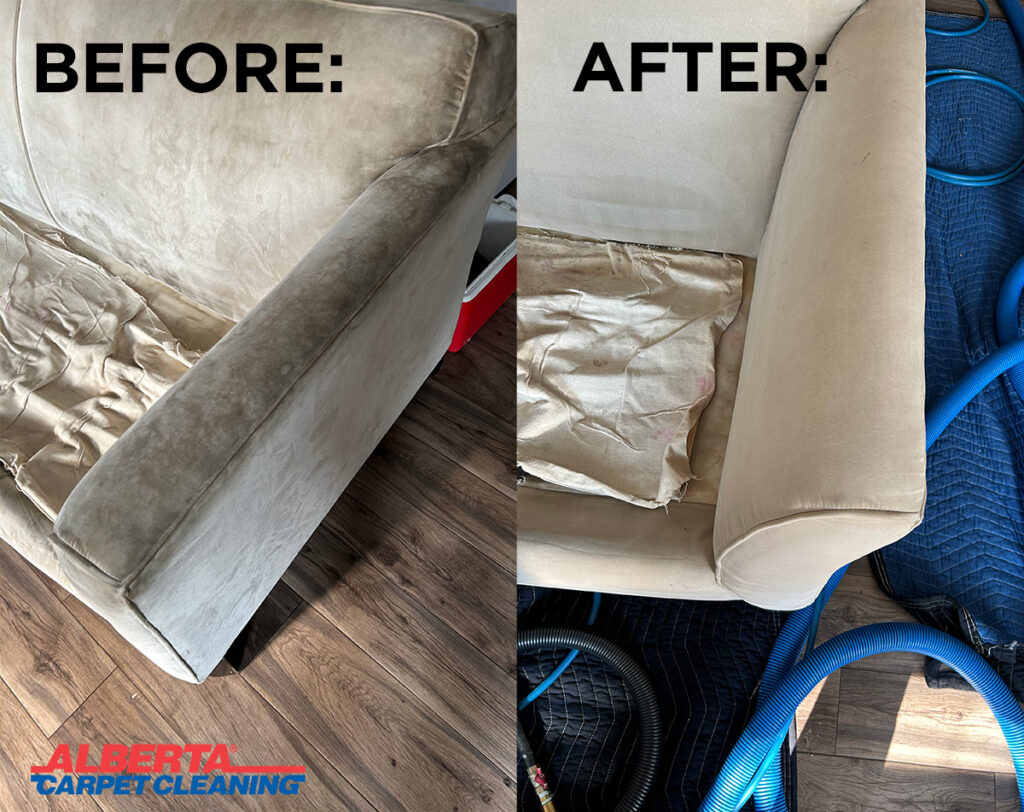
Knowing when your furniture is fully dry after cleaning is important. Wet furniture can attract dirt and cause damage. You need clear signs to confirm the drying is complete. These signs help protect your investment and keep your home fresh.
Touch And Feel
Touch the surface gently. It should feel dry and cool. No wet spots or dampness should remain. Check hidden areas like seams and cushions. These spots often stay wet longer. If the fabric or wood feels sticky, it needs more drying time.
Smell Check
Smell your furniture closely. Freshly cleaned furniture might have a mild scent. But it should not smell musty or damp. A wet smell means moisture is still present. Wait until the smell disappears for best results.
Visual Inspection
Look for water stains or dark patches. These marks show dampness below the surface. Check under cushions and inside crevices. The color should be even and dry-looking. Shiny or wet areas mean it is not fully dry yet.
Common Mistakes To Avoid
Knowing common mistakes helps your furniture dry faster and last longer. Avoiding these errors keeps your upholstery fresh and damage-free. Read on to learn what to watch out for after cleaning.
Over-wetting
Using too much water slows drying time. It makes the fabric stay wet for days. Excess moisture can cause mold and bad smells. Apply only the needed amount of cleaner and water. Use a damp cloth, not a soaked one.
Covering Wet Furniture
Covering wet furniture traps moisture inside. This keeps the fabric damp and encourages mildew growth. Let your furniture breathe by leaving it uncovered. Open windows or use fans to help air flow. Drying is faster with good ventilation.
Ignoring Humidity Levels
High humidity makes drying harder. Moist air slows water evaporation from your furniture. Check the room’s humidity before cleaning. Use a dehumidifier or air conditioner on humid days. Lower humidity means quicker drying and less risk of damage.
When To Seek Professional Help
Knowing when to seek professional help for drying furniture after cleaning is important. Some problems need expert care to avoid damage or health risks. Acting early can save your furniture and keep your home safe.
Persistent Dampness
Damp furniture that does not dry in a day or two needs attention. Constant moisture can weaken the fabric or wood. Professionals use special tools to dry furniture quickly and deeply. This stops damage and keeps your furniture strong.
Mold Growth
Mold can start growing within 24 to 48 hours in damp areas. Mold causes bad smells and can harm your health. If you see dark spots or smell mildew, call a professional. They remove mold safely and clean your furniture properly.
Delicate Materials
Furniture made from silk, velvet, or antique wood needs special care. Water and cleaning products can cause stains or warping. Experts know how to dry delicate materials without damage. Trust them to protect your valuable furniture.

Frequently Asked Questions
How Long Does Furniture Take To Dry After Cleaning?
Furniture typically takes 4 to 12 hours to dry after cleaning. Drying time depends on fabric type, cleaning method, and room ventilation. Proper airflow speeds up drying and prevents mold or odors. Always allow furniture to dry fully before use for best results.
What Factors Affect Drying Time Of Cleaned Furniture?
Drying time varies due to fabric material, cleaning solution, humidity, and airflow. Natural fibers like cotton dry faster than synthetic ones. Using steam or wet cleaning increases drying time. Good ventilation and low humidity help furniture dry quicker and safer.
Can I Speed Up Furniture Drying After Cleaning?
Yes, you can speed drying by opening windows and using fans. Avoid direct heat which may damage fabric. Using a dehumidifier also helps reduce moisture and speeds drying. Quick drying prevents mold growth and keeps furniture fresh.
Is It Safe To Use Furniture Before It Dries Completely?
No, using furniture before it dries can cause odors and damage. Wet furniture attracts dirt and may develop mold or mildew. Wait until the fabric is fully dry to maintain cleanliness and prolong furniture life.
Conclusion
Drying time for furniture varies by material and cleaning method. Soft fabrics may take 6 to 12 hours to dry fully. Leather and wood usually dry faster, often within a few hours. Proper air flow and room temperature speed up drying.
Avoid using furniture until it feels completely dry to touch. Quick drying helps prevent mold and odors. Keep furniture in a well-ventilated area after cleaning. Patience is key for best results and lasting freshness.