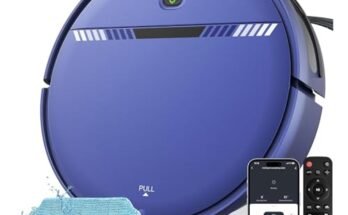
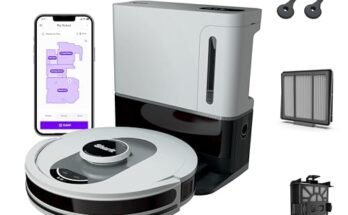
Imagine coming home to spotless floors without lifting a finger. Sounds like a dream, right?
But with robot vacuum technology evolving fast, that dream is becoming your reality. You might wonder how these tiny machines are getting smarter and more efficient every year. What new features can make your cleaning easier and save you time?
Keep reading, because what you’re about to discover could change the way you think about home cleaning forever.
Advancements In Navigation
Robot vacuum technology has made big steps in how these machines move and clean. Navigation is now smarter, helping vacuums clean more thoroughly and efficiently. These improvements let the robots understand their space better and avoid missing spots or bumping into things.
From Random To Systematic Cleaning
Early robot vacuums moved in a random way. They bumped into walls and changed direction without a clear plan. Now, they follow a set path that covers every part of the room. This method saves time and cleans more evenly. The robot knows which areas it cleaned and which still need attention.
Mapping And Localization Techniques
Modern robots create maps of your home using sensors. These maps help the robot know where it is and where to go next. Localization means the robot finds its place on the map while cleaning. This way, it avoids going over the same spots repeatedly. Some models use cameras or lasers to build detailed maps.
Obstacle Detection And Avoidance
Robots now detect obstacles like furniture and pets quickly. Sensors help them stop or move around objects without crashing. This prevents damage to both the robot and your belongings. Some vacuums slow down near obstacles for better control. This smart avoidance keeps cleaning smooth and safe.

Enhanced Sensors And Ai Integration
Robot vacuum technology improves with better sensors and AI. These advancements help robots clean smarter and faster. They can now understand their environment and adjust cleaning paths. This makes vacuuming more efficient and thorough.
Smart sensors detect obstacles and avoid collisions. AI integration allows the vacuum to learn the layout of your home. It remembers which areas need more attention. This ensures no spot is missed during cleaning.
Machine Learning For Efficient Cleaning
Machine learning helps robot vacuums learn your home’s layout. The vacuum maps rooms and plans the best cleaning path. It avoids repeating areas and saves battery life. Over time, it improves its cleaning routine by learning from past jobs.
Improved Dirt Detection
Enhanced sensors detect dirt and dust more accurately. The robot vacuum increases suction power on dirty spots. It can spot high-traffic areas that need extra cleaning. This results in a cleaner floor with less effort.
Voice And App Control Features
Voice control lets you start or stop cleaning easily. You can use apps to schedule cleanings or set no-go zones. These features give you more control without touching the vacuum. It makes cleaning convenient and simple.
Battery Life And Charging Improvements
Battery life and charging are key parts of robot vacuum technology. Better batteries mean longer cleaning times. Faster charging means less waiting. These improvements help robot vacuums work smarter and last longer.
Longer Runtime Technologies
Robot vacuums now use stronger batteries. Lithium-ion batteries last longer than older types. Some models have larger battery packs for extended cleaning. This lets the vacuum clean bigger areas in one go. Long runtime means less need to recharge often.
Automatic Docking And Recharging
Most robot vacuums find their charging docks by themselves. They stop cleaning when the battery is low. Then they return to the dock to recharge. This process is fully automatic. The vacuum resumes cleaning after charging. This saves time and effort for users.
Energy-efficient Components
New parts use less power while cleaning well. Motors and sensors are designed to consume less energy. Smart software controls power use during cleaning cycles. This efficiency helps batteries last longer. It also reduces electricity use, making vacuums eco-friendly.
Multi-surface Cleaning Capabilities
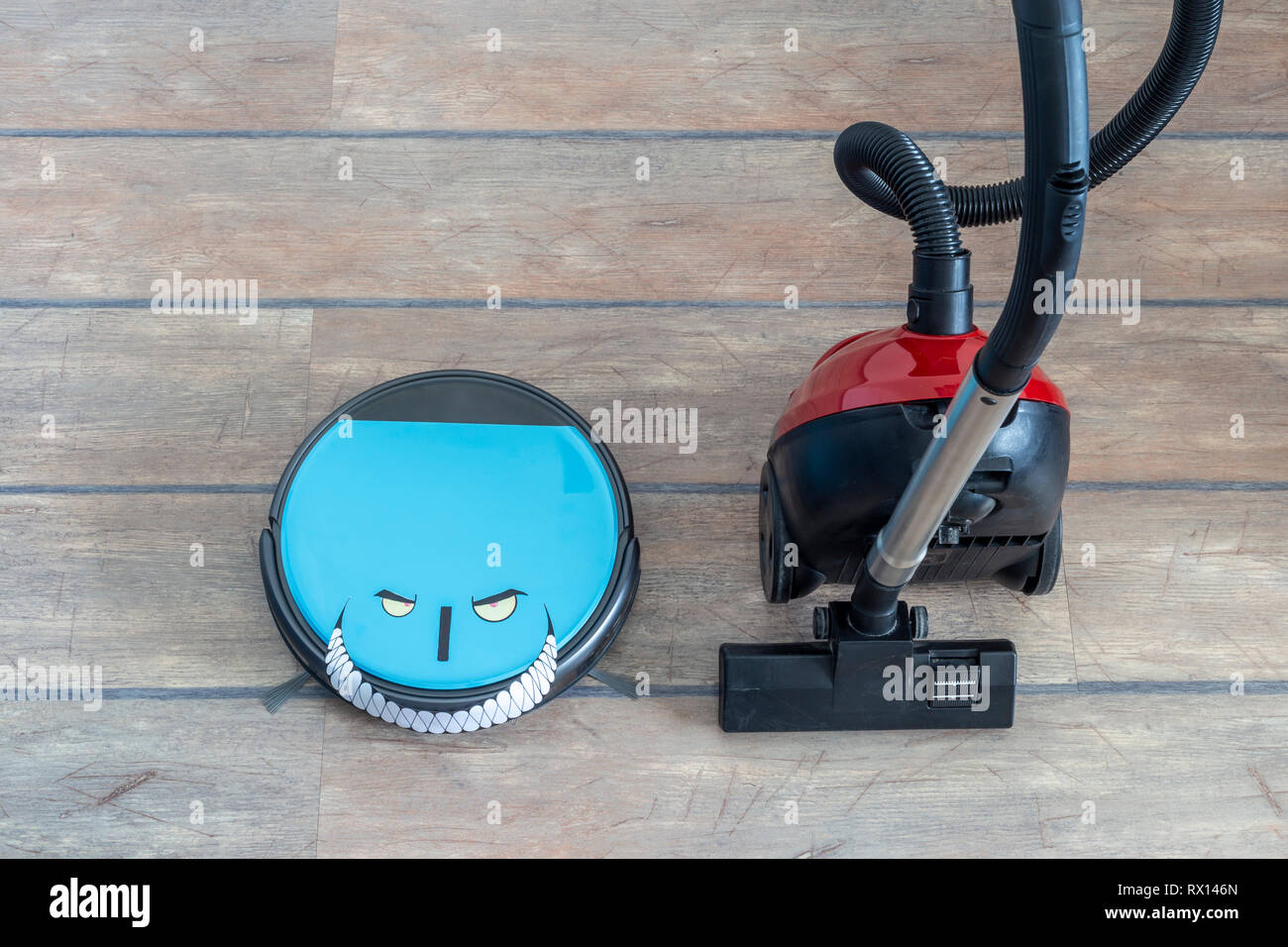
Robot vacuum technology now handles many floor types with ease. Multi-surface cleaning is a key feature in modern models. These vacuums switch between carpet, tile, wood, and more. This ability saves time and improves cleaning results.
Adapting To Carpets And Hard Floors
Robots adjust their cleaning mode based on the floor type. Sensors detect if the surface is carpet or hard floor. On carpets, suction power increases to remove dirt deep down. On hard floors, gentle cleaning prevents scratches and damage. This smart adaptation keeps all surfaces clean and safe.
Wet And Dry Cleaning Functions
Some robot vacuums combine dry vacuuming with wet mopping. They can sweep dust and mop spills in one run. Water tanks and mopping pads help with wet cleaning. The vacuum controls water flow to avoid over-wetting floors. This dual function cleans floors thoroughly and saves effort.
Specialized Brushes And Suction Systems
Robots use different brushes for various debris types. Soft brushes handle fine dust on smooth floors. Stiffer brushes work well on carpets to lift dirt. Suction systems are designed to pick up pet hair and crumbs. These features improve cleaning on all surfaces and messes.
Connectivity And Smart Home Integration
Robot vacuum technology is growing fast, especially in how these devices connect with other smart home tools. Connectivity and smart home integration make robot vacuums easier to control and more helpful in daily life.
These vacuums can link to your home Wi-Fi or Bluetooth, allowing you to manage them from anywhere. They also work with voice assistants like Alexa or Google Assistant. This means you can start cleaning just by speaking. Scheduling and remote monitoring add even more convenience. You can set cleaning times and watch the progress from your phone.
Wi-fi And Bluetooth Connectivity
Most new robot vacuums connect via Wi-Fi or Bluetooth. Wi-Fi lets you control the vacuum from any location. Bluetooth works well when you are close to the device. This connection helps send commands and receive cleaning updates. It also allows software updates to improve vacuum performance. A stable connection means smoother operation and less hassle.
Integration With Smart Assistants
Robot vacuums now link with smart assistants like Alexa, Google Assistant, and Siri. You can start, pause, or stop cleaning with simple voice commands. Some vacuums even report their status through these assistants. This hands-free control adds ease to your cleaning routine. It fits well with other smart home devices for a connected experience.
Scheduling And Remote Monitoring
Scheduling lets you plan cleaning times to match your daily routine. You can set the vacuum to clean while you are away. Remote monitoring uses apps to show cleaning progress and battery status. Alerts notify you if the vacuum gets stuck or needs help. This feature saves time and keeps your home clean effortlessly.
Future Trends In Robot Vacuums
Robot vacuum technology keeps improving fast. New features and smarter designs appear every year. These changes make cleaning easier and more efficient. Let’s explore some future trends shaping robot vacuums.
Swarm Robotics
Swarm robotics means using many small robots working together. Instead of one big vacuum, several smaller ones clean a space. They communicate to cover the whole floor quickly and avoid bumping into each other. This teamwork helps clean large areas faster and more evenly.
Self-emptying And Maintenance Features
Future robot vacuums will empty their dustbins by themselves. They will also clean their brushes and sensors automatically. This reduces the need for human help. Users will spend less time on maintenance and more time enjoying a clean home.
Enhanced Customization And Personalization
Robots will learn user habits and preferences. They will adjust cleaning schedules and methods to fit each home. Users can set no-go zones and prioritize certain rooms easily. This smart customization ensures better cleaning results tailored to individual needs.
Frequently Asked Questions
How Has Robot Vacuum Technology Improved Recently?
Robot vacuum technology has improved through better sensors, AI navigation, and stronger suction. Modern models map rooms precisely. They avoid obstacles efficiently. Battery life and smart home integration have also advanced, making cleaning more thorough and convenient.
What Role Does Ai Play In Robot Vacuums?
AI helps robot vacuums learn room layouts and optimize cleaning paths. It enables smart obstacle detection and adaptive cleaning based on floor type. AI also supports voice control and scheduling, enhancing user experience and cleaning efficiency.
Are Robot Vacuums Effective On All Floor Types?
Yes, most robot vacuums now adjust suction and brush settings automatically. They work well on hardwood, tile, carpets, and rugs. Advanced models detect floor changes to optimize cleaning power and protect delicate surfaces.
How Do Robot Vacuums Navigate Complex Home Layouts?
Robot vacuums use LIDAR, cameras, and sensors for mapping and navigation. They create detailed floor maps to plan efficient routes. Some models remember multiple floor plans, handle stairs safely, and avoid obstacles intelligently.
Conclusion
Robot vacuum technology keeps getting smarter and more useful. Sensors and mapping help these devices clean better every day. They save time by working on their own. Battery life lasts longer, and apps make control easy. New models learn your home’s layout quickly.
Quiet operation means less disturbance while cleaning. These advances make robot vacuums a helpful choice for many homes. Expect more improvements soon as technology grows. Cleaning gets easier, saving effort and energy. A small helper that keeps your floors neat.