Have you ever wondered how your cleaning routine could become faster and more effective? Imagine a cleaning system that understands your space, finds the best paths, and tackles dirt with precision.
That’s exactly what smart mapping technology does. It changes the way cleaning devices work by making them smarter and more efficient. You’ll discover how smart mapping can transform your cleaning experience, saving you time and effort while delivering better results.
Keep reading to see how this technology can make a real difference for you.

Smart Mapping Technology
Smart mapping technology helps cleaning devices find the best path. It creates a map of the area to be cleaned. This technology saves time and energy. It avoids missing spots and repeated cleaning. Smart mapping makes cleaning faster and more thorough.
Core Features
Smart mapping uses sensors to scan the environment. It builds a detailed layout of rooms and obstacles. The technology plans routes based on this map. It remembers the layout for future cleaning jobs. It adjusts paths if furniture moves or new objects appear.
Types Of Smart Maps
There are different types of smart maps. Some maps show a simple floor plan. Others include details like furniture and doorways. Some devices create 3D maps for better navigation. The type of map depends on the sensor quality and software used.
Data Collection Methods
Smart mapping collects data through various sensors. Laser sensors measure distances by bouncing light beams. Cameras capture images to recognize objects and spaces. Infrared sensors detect heat and obstacles in the way. Combining these methods improves map accuracy and cleaning efficiency.
Optimizing Cleaning Routes
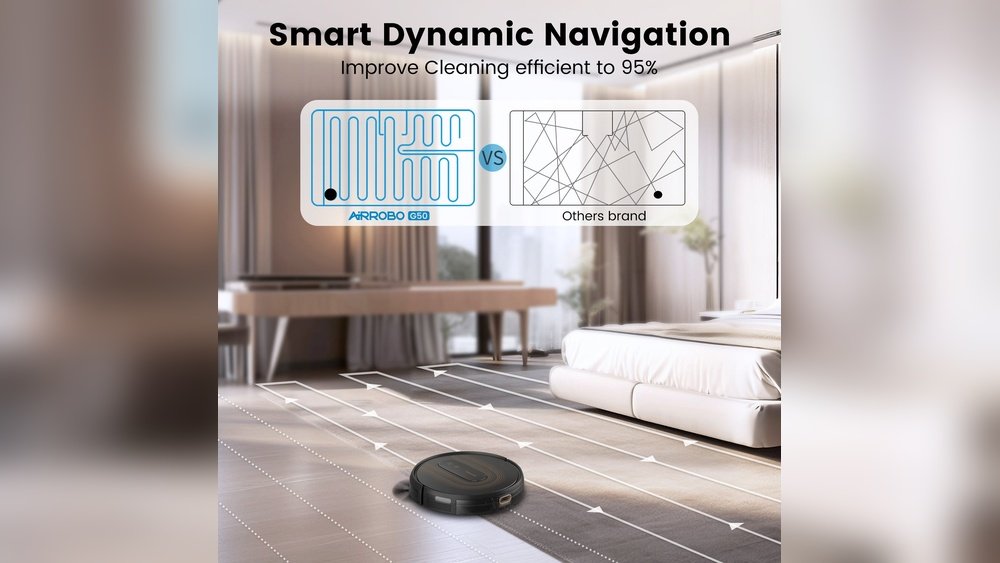
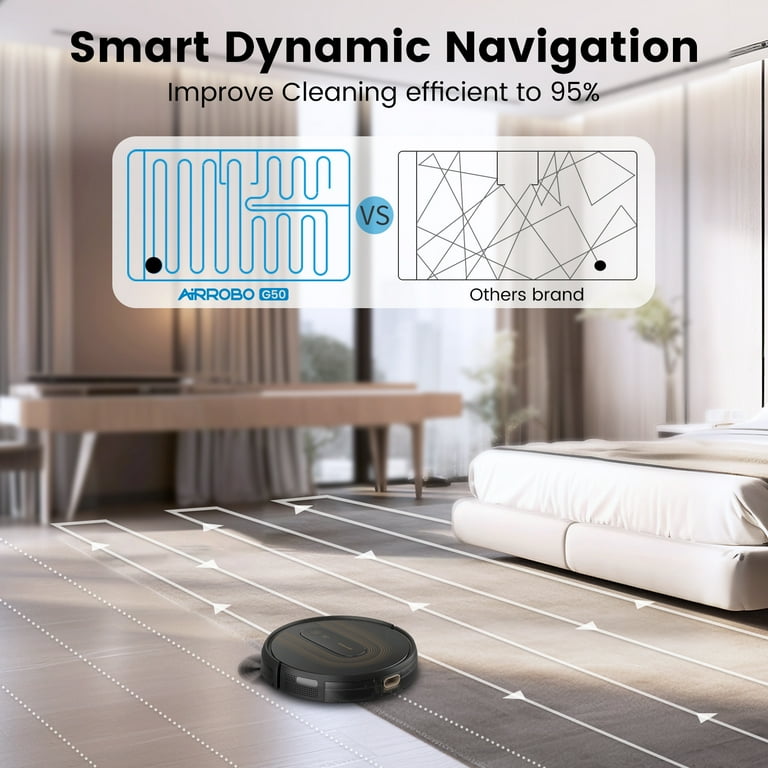
Optimizing cleaning routes plays a key role in improving cleaning efficiency. Smart mapping helps create clear, direct paths for cleaning devices. This reduces time spent moving around and increases the area covered. Efficient routes mean less energy use and faster results.
Route Planning Algorithms
Smart mapping uses route planning algorithms to find the best path. These algorithms analyze the space and obstacles. They choose routes that cover all areas with the least movement. This method avoids wasting time on random or repeated cleaning.
Real-time Adjustments
Smart mapping allows cleaning devices to adjust their routes in real time. Sensors detect new obstacles or dirt spots. The device changes its path immediately to handle these changes. This keeps the cleaning process smooth and effective.
Reducing Overlaps And Missed Spots
Smart mapping helps prevent cleaning overlaps and missed spots. The system tracks where the device has cleaned. It ensures every area gets covered once and only once. This improves cleaning quality and saves time and battery life.
Enhancing Productivity
Smart mapping boosts cleaning productivity by organizing tasks clearly. It helps teams work faster and use less effort. Cleaner spaces appear sooner. Staff know exactly where to clean and what to do next. This reduces confusion and speeds up the whole process.
Time Savings
Smart mapping cuts wasted time. It shows the shortest paths and areas that need attention first. Cleaners spend less time walking and more time cleaning. Tasks finish quicker, allowing for more work in less time. Dead time drops significantly.
Resource Management
Smart maps guide where to use supplies and tools. No overuse or shortages. Cleaning materials reach the right spots at the right time. This lowers waste and saves money. Equipment stays in good condition with proper use.
Staff Coordination
Smart mapping helps teams work as one. It assigns tasks clearly and avoids overlaps. Everyone knows their role and area. Communication improves. Problems get solved faster, keeping the cleaning smooth and steady.
Integration With Cleaning Equipment
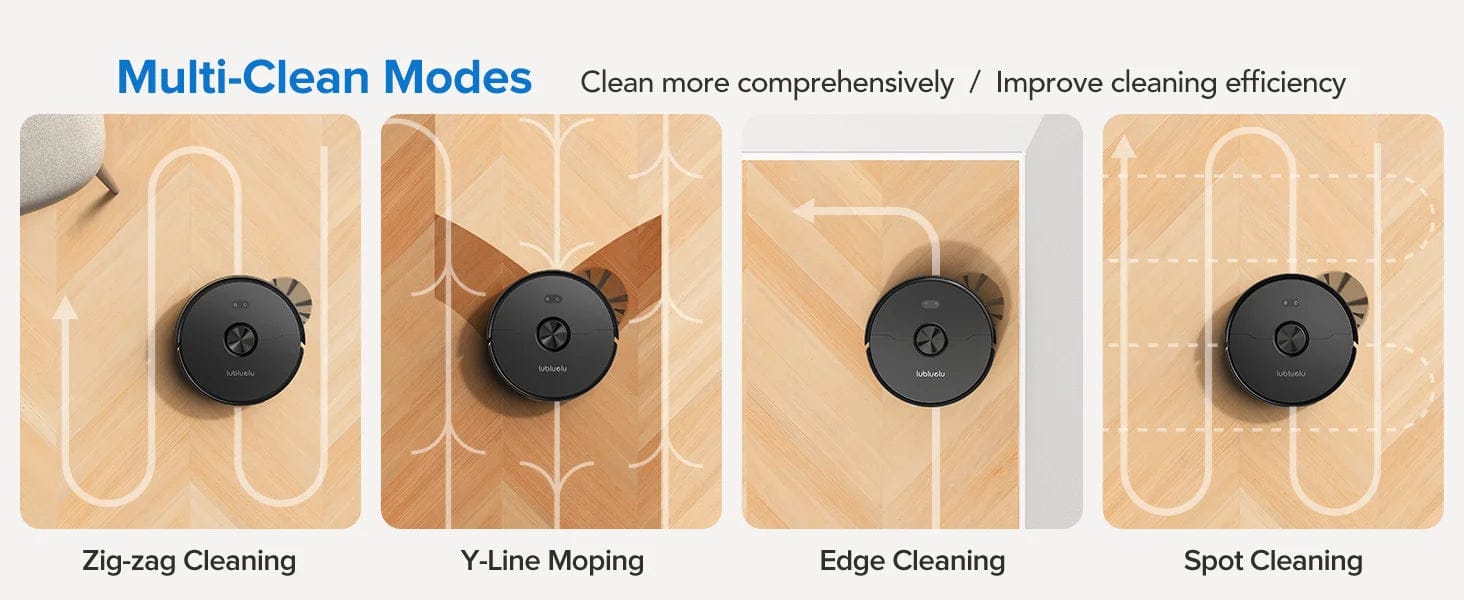
Smart mapping changes how cleaning tools work together. It links maps with cleaning machines to make tasks easier and faster. This connection helps machines clean more accurately. It saves time and energy by avoiding missed spots or repeated cleaning.
Robotic Vacuum Compatibility
Smart maps guide robotic vacuums through rooms. They tell the robot where to clean and where to avoid. This reduces random movements and saves battery. Robots can clean specific areas on command using smart maps. This feature improves cleaning results and user control.
Sensor And Iot Integration
Sensors collect real-time data about the environment. Smart maps use this data to adjust cleaning paths. Internet of Things (IoT) devices connect multiple machines for better teamwork. This integration helps respond to changes like obstacles or dirt levels. It keeps cleaning efficient and effective.
Automated Reporting
Smart mapping systems create automatic cleaning reports. These reports show which areas are cleaned and which are not. Managers use this data to track cleaning performance. Automated reports reduce manual checks and improve accountability. They help maintain high cleaning standards over time.
Benefits For Various Environments
Smart mapping technology changes cleaning in many places. It helps save time and cleans better. Different environments get unique benefits from smart mapping. Understanding these benefits shows why this technology is useful everywhere.
Smart mapping guides cleaning devices with exact paths. It avoids missed spots and repeated work. This increases cleaning speed and quality in every setting.
Commercial Spaces
Offices and stores use smart mapping to keep floors clean all day. It plans routes to cover large areas fast. This reduces downtime and keeps spaces tidy. Employees and customers enjoy cleaner, safer areas. Smart maps also help avoid furniture and obstacles.
Healthcare Facilities
Hospitals and clinics need very clean floors to stop germs. Smart mapping ensures every corner is cleaned well. It follows strict cleaning paths and schedules. This lowers infection risks and protects patients. The system adjusts to busy or quiet times in halls.
Residential Settings
Homes benefit from smart mapping by cleaning rooms efficiently. It remembers room shapes and objects to avoid bumps. This saves time and reduces noise. Families get more free time and cleaner floors. Smart mapping works well on carpets and hard floors.
Challenges And Solutions
Smart mapping offers great benefits for cleaning tasks. Still, it faces some challenges that affect its efficiency. Understanding these challenges helps find strong solutions. This section explores key issues and ways to fix them.
Technical Limitations
Smart mapping depends on sensors and software. Sometimes, sensors fail to detect small objects or low light. Software may struggle with complex room layouts. These issues slow down cleaning or miss spots. Upgrading sensors and improving software algorithms can reduce errors. Regular updates keep the system accurate and efficient.
Data Privacy Concerns
Smart mapping collects data from inside homes or offices. This raises worries about privacy and data security. Users fear their personal spaces might be exposed. Companies address this by encrypting data and limiting access. Clear privacy policies build user trust. Keeping data safe ensures wider acceptance of smart mapping technology.
User Training
Many users find smart mapping tools new and tricky. Without proper training, they may not use the features well. This limits the cleaning efficiency. Simple guides and tutorial videos help users learn fast. Customer support can solve specific problems quickly. Better training means users get the most from smart cleaning devices.
Future Trends In Smart Cleaning
Smart cleaning technology keeps evolving to make cleaning easier and faster. New trends focus on better tools and smarter systems. These changes help save time, energy, and resources. They also improve the quality of cleaning in homes and offices.
Ai And Machine Learning
AI helps robots learn and improve over time. Machines remember the best paths and avoid obstacles. They also adapt to different floor types and dirt levels. This means smarter cleaning with less human help. AI makes cleaning more accurate and efficient every day.
Enhanced Mapping Accuracy
New sensors create detailed maps of rooms and furniture. Robots use these maps to plan the best cleaning route. This reduces repeated cleaning in the same spots. Robots can also detect changes and update maps quickly. Better maps mean faster and more thorough cleaning.
Sustainability Improvements
Smart cleaning aims to use less water and energy. Robots optimize battery use to clean longer without charging. Some models recycle water or use eco-friendly detergents. These features reduce waste and protect the environment. Sustainable cleaning helps keep homes clean and green.
Frequently Asked Questions
How Does Smart Mapping Optimize Cleaning Routes?
Smart mapping creates efficient cleaning paths by analyzing room layouts. It reduces overlap and missed spots, saving time and energy. This leads to faster, more thorough cleaning cycles, enhancing overall cleaning efficiency.
Can Smart Mapping Reduce Energy Consumption?
Yes, smart mapping minimizes unnecessary movements. Robots follow the shortest, most effective routes. This lowers battery use and extends cleaning sessions, promoting eco-friendly operation and cost savings.
Does Smart Mapping Improve Cleaning In Complex Spaces?
Absolutely. Smart mapping adapts to different room shapes and obstacles. It helps robots navigate tight corners and furniture, ensuring comprehensive cleaning even in challenging environments.
How Does Smart Mapping Enhance User Control?
Smart mapping provides detailed visual maps of cleaned areas. Users can set no-go zones and prioritize specific rooms. This customization improves cleaning precision and user satisfaction.
Conclusion
Smart mapping helps cleaning tools work smarter and faster. It guides devices to cover every area without missing spots. This saves time and energy during cleaning tasks. It also reduces repeated cleaning of the same places. Smart mapping adapts to different room shapes and obstacles easily.
This makes cleaning more thorough and efficient. Choosing smart mapping means less effort and better results. It changes how we keep spaces clean every day. Simple, effective, and reliable—smart mapping improves cleaning for everyone.