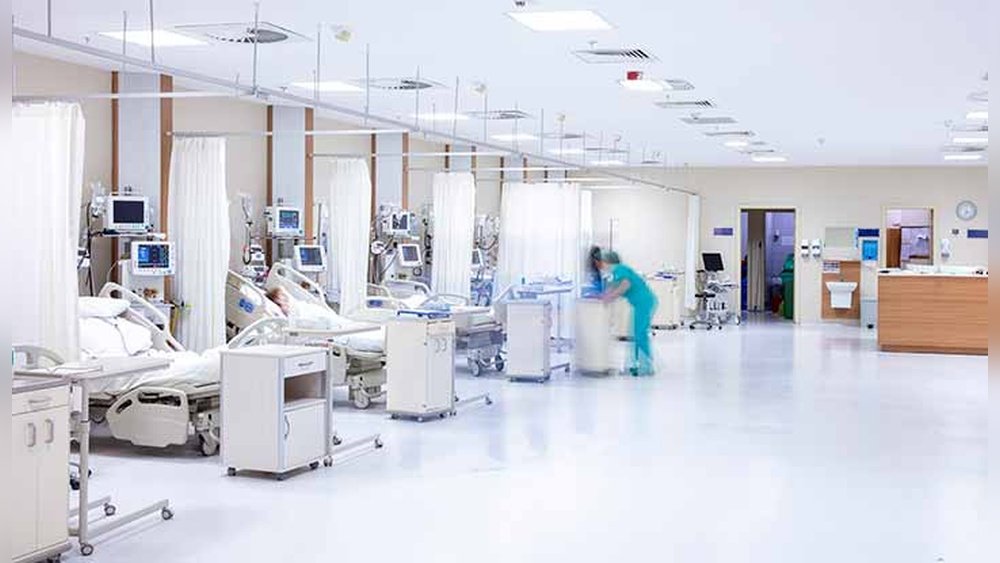
When you walk into an intensive care unit (ICU), you quickly notice the high-tech environment. Among all the monitors and machines, one thing stands out: the ICU hospital bed. It looks different from a regular bed—more buttons, more sections, and more wires. But what really makes it special? How does it work, and why is it so important for patients who need the highest level of care?
Understanding how an ICU hospital bed works is not just for doctors or nurses. Family members, caregivers, and even patients can benefit from knowing its features. These beds are not just for sleeping—they are life-support tools, designed to help patients recover and make the work of healthcare professionals safer and easier.
This article will break down everything you need to know about ICU hospital beds. You will discover the technology inside, how the bed helps with healing, and what makes it different from a regular hospital bed. We will look at the controls, safety features, and even the challenges hospitals face with these beds.
If you want a clear, simple guide to the world of ICU hospital beds, you are in the right place.
The Purpose Of An Icu Hospital Bed
ICU hospital beds are not just sleeping surfaces. Their main purpose is to support critical care. Patients in the ICU often need special attention, complex treatments, and close monitoring. These beds are designed to:
- Help medical staff access and treat the patient easily
- Keep the patient comfortable during long stays
- Prevent complications like bedsores and muscle loss
- Allow for quick changes in patient position (for breathing and blood flow)
- Integrate with life-saving equipment such as ventilators and monitors
For example, a patient with severe pneumonia may need to be moved frequently to prevent lung collapse. An ICU bed makes this possible with its advanced features.
Key Components Of An Icu Hospital Bed
ICU beds look complicated, but they are built from several main components. Each part has a role in keeping the patient safe and comfortable. Here’s what you’ll find:
Bed Frame
The bed frame is the foundation. It must be strong enough to hold heavy equipment and the patient. Most frames are made from steel or aluminum to ensure durability and easy cleaning.
Mattress
ICU beds use specialized mattresses. These are not like home mattresses. They are often made from high-density foam or air cells. Some even have tiny motors to change pressure points and prevent sores.
Side Rails
Side rails protect the patient from falling. In the ICU, these rails can be adjusted up or down with a button or lever. Some rails have built-in controls for the bed or call buttons for nurses.
Head And Foot Sections
Both the head and foot sections of the bed can move independently. This allows for a wide range of positions. For example, the head can be raised to help with breathing, or the foot can be raised to reduce swelling.
Electronic Controls
Most ICU beds have an electronic control panel. Nurses and patients can use these controls to adjust the bed’s height, angle, and firmness. Some beds have remote controls or even touch screens.
Wheels And Brakes
ICU beds have strong wheels so the bed can be moved easily. But when parked, heavy-duty brakes keep the bed from rolling, even if someone leans on it.
Accessory Attachments
There are special hooks and slots to attach equipment like IV poles, oxygen tanks, or monitoring devices. This keeps everything within reach and reduces clutter.
Main Features And Functions
What really sets an ICU bed apart are its advanced features. These functions help both patients and staff, making care more effective and safe.
1. Adjustable Height
The bed can move up and down smoothly. This helps nurses care for the patient without hurting their backs. It also makes it easier to move patients safely.
2. Multi-position Settings
ICU beds can tilt into many positions. Some common ones:
- Fowler’s position: Head up, knees bent—good for breathing or eating
- Trendelenburg position: Feet higher than head—used for certain surgeries or shock
- Reverse Trendelenburg: Head higher than feet—helps with breathing or swelling
You can see how these positions compare:
| Position Name | Angle of Head | Angle of Feet | Common Use |
|---|---|---|---|
| Flat | 0° | 0° | Resting, basic care |
| Fowler’s | 30-45° up | Slightly up | Breathing, eating |
| Trendelenburg | Down | Up | Shock, surgery |
| Reverse Trendelenburg | Up | Down | Reduce swelling |
3. Built-in Weighing Scale
Many ICU beds have a weighing scale built in. This lets nurses check the patient’s weight without moving them. It’s important for calculating medicine doses, especially for patients who can’t stand.
4. Integrated Alarms
ICU beds often have alarms for safety. If a patient tries to get out, if the side rails are not locked, or if the bed is too low, an alarm sounds. This prevents falls and other dangers.
5. Mattress Pressure Relief
Pressure sores (also called bedsores) are a big risk for ICU patients. Advanced beds have dynamic mattresses that use air or gel to shift pressure points. The mattress may inflate and deflate different sections to keep blood flowing.
6. Patient Monitoring Integration
Some beds can connect directly to patient monitors. Data like heart rate, oxygen levels, or even patient movement can be tracked. This means less need for extra wires or devices.
7. Cpr Function
In emergencies, there is a CPR release button. This makes the bed instantly flat and firm, so staff can perform chest compressions quickly.
8. Bed Exit Detection
Many ICU beds can detect when a patient is about to get out of bed. A sensor triggers an alarm, alerting nurses. This is vital for patients at risk of falling.
9. Under-bed Lighting
Low-level lighting under the bed helps staff see during night shifts without disturbing the patient.
10. Easy Cleaning Features
ICU beds are designed for fast cleaning. Surfaces are smooth, with few cracks for germs to hide. Some beds even have removable parts for deep cleaning.
How Icu Beds Help Patients Heal
An ICU bed is much more than a comfortable place to rest. It is a healing tool. Here’s how:
Preventing Complications
Long hospital stays can lead to problems like blood clots, pneumonia, and pressure sores. By changing positions and shifting pressure points, the bed reduces these risks.
For example, regular tilting helps lungs expand, reducing pneumonia. Raising the legs can prevent swelling and blood clots.
Supporting Breathing
Many ICU patients have trouble breathing. The bed’s head section can be raised to make breathing easier. For patients on ventilators, the right position can improve oxygen levels.
Making Care Safer And Easier
Nurses often need to move or turn patients. ICU beds can tilt or raise sections, making this less risky for both staff and patients. This reduces injuries and speeds up recovery.
Enabling Early Mobility
Modern ICU care encourages early movement. With the bed’s support, patients can sit up or even stand with help, reducing muscle loss.
Comfort And Dignity
Small things matter. Being able to adjust the bed for eating, reading, or visiting with family adds to a patient’s comfort and dignity during a tough time.
Technology Inside An Icu Hospital Bed
Today’s ICU beds use advanced technology. Let’s look at what’s inside:
Motors And Actuators
Electric motors (called actuators) move the bed up, down, or into special angles. These are controlled by buttons, not by hand.
Microprocessors And Sensors
A microprocessor acts as the “brain” of the bed. It reads signals from buttons, sensors, or even hospital computers. For example, it can sense if the bed is in the wrong position and trigger an alarm.
Some beds have weight sensors to measure the patient’s mass, or movement sensors to detect if a patient is restless.
Communication Ports
Many ICU beds have ports for connecting to hospital networks. This lets them send data about the patient or bed status to central computers.
Backup Power
If the hospital loses power, the bed can run on battery backup for a short time. This is critical during emergencies.
Examples Of Advanced Icu Bed Brands
Some well-known ICU bed brands include:
- Hillrom Progressa
- Stryker InTouch
- Linet Multicare
- Paramount Bed A5 Series
Each offers unique features, but all focus on patient safety, comfort, and easy use for staff.
Comparing Icu Beds With Regular Hospital Beds
You may wonder: how is an ICU bed different from a standard hospital bed? Here’s a comparison:
| Feature | ICU Bed | Regular Hospital Bed |
|---|---|---|
| Adjustable Positions | Multi-angle, precise | Limited |
| Built-in Scale | Usually included | Rare |
| Alarms & Sensors | Multiple, integrated | Few or none |
| Mattress Type | Dynamic, pressure relief | Basic foam or spring |
| Cost | High | Lower |
| Cleaning Design | Easy, quick clean | Basic |
As you can see, ICU beds offer far greater flexibility and safety features than regular beds.

How Staff Use Icu Hospital Beds
ICU beds are only helpful if staff know how to use them. Here’s how nurses and doctors make the most of these beds:
Patient Transfers
Moving a patient to or from the bed is easier. The bed can be raised or lowered to match the height of a wheelchair, stretcher, or operating table.
Position Changes
Nurses can quickly change the patient’s position using the controls. This is critical for preventing pressure sores or helping with breathing.
Emergency Situations
If a patient goes into cardiac arrest, staff can hit the CPR release to flatten the bed instantly. This saves precious seconds.
Adjusting For Procedures
Doctors may need the patient in a certain position for tests or treatments. The bed can be moved as needed, even with the patient attached to tubes or wires.
Reducing Workplace Injury
Many nurses suffer back injuries from lifting patients. ICU beds reduce this risk by doing the heavy lifting.
Common Challenges And Solutions
While ICU beds are advanced, they are not perfect. Here are some common problems and how hospitals deal with them:
High Cost
An ICU bed can cost $25,000–$50,000 or more. This is a big investment for any hospital. Some solutions include leasing beds or using government grants.
Maintenance Needs
With all their electronics and moving parts, ICU beds need regular maintenance. Hospitals often have biomedical engineers who check and repair beds.
Training Staff
New staff may not know how to use all the bed’s features. Regular training sessions are needed so everyone can use the bed safely.
Space Requirements
ICU beds are larger than regular beds. Hospitals must design rooms with enough space to move and operate the beds safely.
Infection Control
Beds must be deep cleaned between patients. Hospitals use strict cleaning protocols and beds made from materials that don’t trap germs.
Safety Features In Detail
ICU beds include special safety measures to protect patients, such as:
Anti-entrapment Design
There are strict rules about spaces between the mattress and the rails. This prevents patients from getting stuck or injured.
Lockout Controls
To stop patients or visitors from pressing the wrong button, beds have lockout features. Only staff can access certain controls.
Emergency Power Off
In case of malfunction, staff can quickly turn off all electronics.
Weight Limits
Each bed has a maximum weight limit (often 200–300 kg). Exceeding this can damage the bed or put the patient at risk.
The Role Of Icu Beds During Covid-19
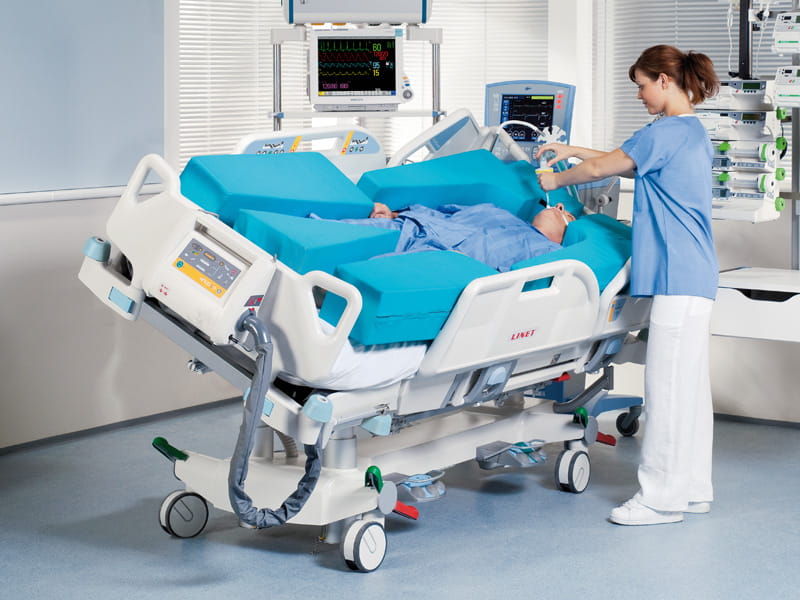
During the COVID-19 pandemic, ICU beds became critical resources. Hospitals around the world scrambled to buy more beds. Features like built-in ventilator hooks, easy cleaning, and advanced positions helped manage the surge in very sick patients.
For example, the ability to place patients in the prone position (lying face down) was vital for improving oxygen levels in COVID-19 patients. ICU beds made this easier and safer.
Non-obvious Insights About Icu Beds
Most people focus on the bed’s features, but there are some details beginners often miss:
- Bed settings can affect how quickly a patient wakes up or falls asleep. Small changes in tilt or firmness can make a big difference in comfort and healing, especially for patients with brain injuries or pain.
- Regular data from built-in scales helps spot hidden problems—for example, sudden weight gain can signal fluid overload, which is a warning sign for heart or kidney issues. Nurses use this data to adjust treatment, sometimes before symptoms show.
Tips For Family Members And Visitors
If you are visiting a loved one in the ICU, you can help by:
- Not leaning or sitting on the bed (it can disrupt settings or sensors)
- Not pressing buttons unless told by staff
- Asking nurses to adjust the bed if the patient seems uncomfortable
- Keeping wires and tubes untangled when close to the bed
Your understanding and care can make a big difference in a patient’s recovery.

Future Trends In Icu Hospital Beds
The design of ICU beds keeps improving. Here are some new trends:
- Smart beds: These can send data to doctors’ phones and suggest position changes based on patient needs.
- Wireless charging pads: To power devices without cords.
- Voice control: Patients with limited movement may soon adjust their beds with voice commands.
- Eco-friendly materials: Hospitals are looking for beds that are easier to recycle or have less environmental impact.
For more on healthcare innovations, you can read about ICU equipment at the Wikipedia Hospital Bed page.
Frequently Asked Questions
What Makes An Icu Bed Different From A Regular Hospital Bed?
An ICU bed offers advanced features like multiple adjustable positions, built-in scales, integrated alarms, and dynamic mattresses. These features make care safer for very sick patients, while regular beds have fewer options and are less flexible.
How Do Icu Beds Help Prevent Pressure Sores?
Pressure sores are caused by lying in one position too long. ICU beds use dynamic mattresses that automatically shift pressure points. Nurses can also change the bed’s position quickly and easily, reducing the risk of sores.
Can Family Members Operate Icu Bed Controls?
Usually, only medical staff should use the main controls. There are lockout features to prevent accidental changes. Family members should always ask a nurse before touching any bed controls.
How Is A Patient’s Weight Measured In An Icu Bed?
Most ICU beds have a built-in scale that measures the patient’s weight even if they cannot stand. The bed sensors are very accurate and help doctors adjust medicine or fluids correctly.
Why Do Icu Beds Cost So Much?
The high cost comes from advanced technology—motors, sensors, computers, safety features, and special mattresses. Also, beds must meet strict standards for infection control and patient safety.
ICU hospital beds are much more than furniture. They are high-tech tools that support healing, prevent complications, and make life safer for both patients and healthcare workers. Their advanced features—from precise position adjustments to built-in safety systems—are the result of decades of medical innovation.
Understanding how these beds work not only helps families and caregivers feel more confident but also highlights the critical role technology plays in modern intensive care. If you ever find yourself or a loved one in the ICU, you can be sure that the bed is doing much more than providing rest—it’s working around the clock to save lives.