Have you ever felt tired or sore after sitting for hours? Your chair might be the reason.
An ergonomic chair is designed to support your body in the best way possible. It helps reduce pain, improve posture, and keep you comfortable all day long. Imagine sitting without aches or distractions—how much more could you get done? Keep reading to discover how an ergonomic chair can change the way your body feels and works every day.
Benefits Of Ergonomic Chairs
Ergonomic chairs bring many benefits to your body during long hours of sitting. They help reduce discomfort and support your natural body shape. These chairs adjust to your needs, making sitting easier and healthier. Understanding these benefits shows why ergonomic chairs matter for your daily comfort and health.
Enhanced Comfort During Long Sitting
Ergonomic chairs provide soft cushioning that fits your body well. They reduce pressure points on your hips and back. Adjustable features let you change seat height and tilt easily. This keeps your body relaxed and less tired over time. Comfort helps you stay focused and productive.
Improved Posture Support
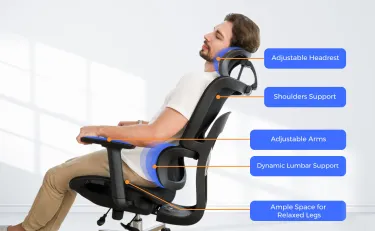
These chairs encourage sitting with a straight back. They support the natural curve of your spine. Proper lumbar support keeps your lower back aligned. Armrests help keep your shoulders relaxed and avoid slouching. Good posture lowers strain on muscles and joints.
Reduced Risk Of Musculoskeletal Disorders
Ergonomic chairs lower the chance of back and neck pain. They decrease stress on muscles, tendons, and nerves. This helps prevent conditions like sciatica and carpal tunnel syndrome. Sitting correctly reduces fatigue and long-term injuries. Healthy sitting habits protect your body every day.
Key Features Of Ergonomic Chairs
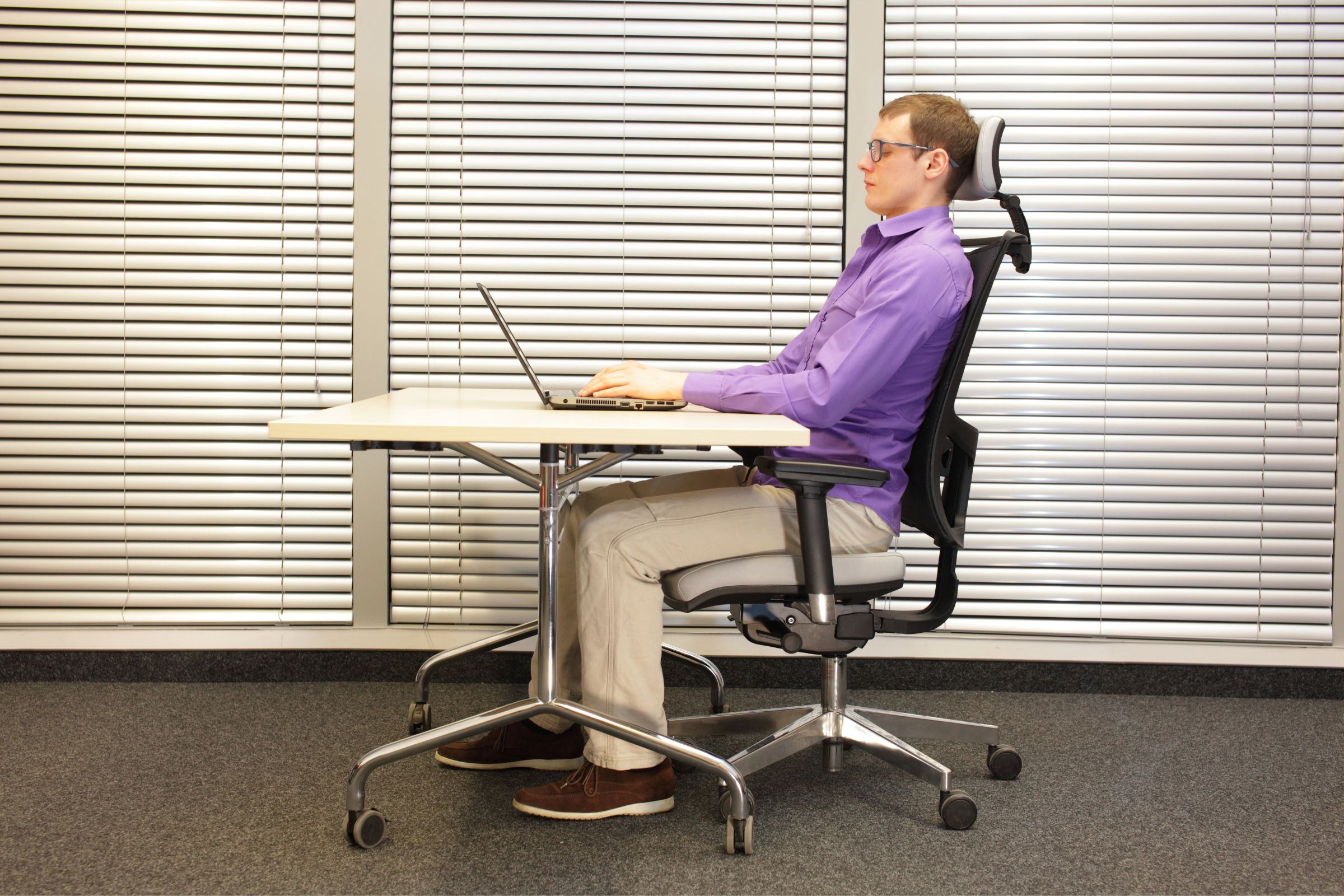
Ergonomic chairs come with special features to support the body. These features help reduce pain and improve comfort during long sitting hours. Each part of an ergonomic chair works to keep the body in a healthy position. Understanding these key features helps you choose the right chair for better posture and less strain.
Adjustable Seat Height And Depth
Adjustable seat height allows the feet to rest flat on the floor. This helps keep knees at a 90-degree angle. Seat depth adjustment supports the thighs without pressing the back of the knees. These adjustments fit different body sizes and improve blood flow.
Lumbar Support Design
Lumbar support keeps the lower back aligned with the spine’s natural curve. It reduces pressure on the lower back muscles. Proper lumbar support prevents slouching and back pain. This design supports the spine during long sitting periods.
Flexible Armrests
Flexible armrests adjust in height and width to support the arms. They reduce shoulder and neck strain. Proper armrest placement helps keep the shoulders relaxed. This feature aids in maintaining good posture.
Breathable Materials
Breathable materials allow air to flow through the chair. This keeps the body cool and dry. Mesh fabric is common in ergonomic chairs for ventilation. Breathable materials increase comfort, especially in warm environments.
Impact On Spine And Back Health
An ergonomic chair plays a key role in protecting your spine and back health. It helps keep the natural curve of your spine. This reduces strain on your back muscles and discs. Sitting for long hours can hurt your back. An ergonomic chair supports your body to avoid pain and injury.
Spinal Alignment And Pressure Relief
An ergonomic chair helps keep your spine in a natural position. It supports the three main curves of your spine: neck, upper back, and lower back. This support stops your spine from bending unnaturally. The chair also spreads your body weight evenly. This lowers pressure on your discs and joints. Pressure relief helps prevent numbness and discomfort.
Prevention Of Back Pain
Back pain is common from poor sitting habits. An ergonomic chair reduces this risk by supporting your back correctly. It encourages you to sit with good posture. Good posture means your spine stays in a safe position. This reduces muscle tension and fatigue. Over time, less strain means fewer chances of chronic pain.
Support For Lower Back
The lower back, or lumbar region, needs extra support. An ergonomic chair has built-in lumbar support to fit this curve. It stops your lower back from slouching. This support keeps the muscles relaxed and spine stable. Proper lumbar support helps prevent lower back stiffness and pain.
Effect On Circulation And Muscle Fatigue
An ergonomic chair supports the body in ways that help blood flow and reduce muscle tiredness. Sitting for long times can slow circulation and cause muscles to strain. An ergonomic chair fights these issues by promoting comfort and health. It shapes to the body’s natural curves and encourages good posture. This support eases pressure on muscles and helps keep blood moving well.
Improved Blood Flow
An ergonomic chair helps keep blood flowing smoothly. It supports the lower back and hips, reducing pressure points. This allows blood vessels to stay open and carry blood freely. Good blood flow brings oxygen and nutrients to muscles and organs. It also removes waste products that cause tiredness and pain. Better circulation helps keep you alert and feeling good.
Reduced Muscle Strain
Muscle strain happens when muscles work too hard or stay tense too long. Ergonomic chairs help by supporting the spine and shoulders. This support reduces the effort muscles need to hold the body up. With less strain, muscles relax and recover faster. The chair’s design spreads weight evenly, avoiding extra pressure on one area. Less muscle strain means less pain and stiffness.
Encouragement Of Movement
Ergonomic chairs often allow small movements and adjustments. This freedom helps muscles stay active, not stiff or locked. Moving slightly while sitting improves circulation and reduces fatigue. The chair’s design invites you to change positions often. Frequent movement helps prevent soreness and keeps muscles strong. It also helps the body stay flexible and comfortable.
Ergonomic Chairs And Productivity
Ergonomic chairs support your body well during long work hours. They help keep your posture right and reduce strain. This support helps you stay focused and work better.
Using an ergonomic chair can change how you feel while working. You feel less tired and more alert. This can make your workday more productive and less stressful.
Increased Focus And Energy
Ergonomic chairs keep your body comfortable. Comfort helps your mind stay clear and focused. You can work longer without losing attention.
Good posture from these chairs improves blood flow. Better blood flow means more oxygen to the brain. This keeps your energy up and your thoughts sharp.
Decreased Discomfort-related Breaks
Pain and discomfort often cause frequent breaks. Ergonomic chairs reduce back, neck, and shoulder pain. Fewer aches mean fewer stops during work.
By sitting comfortably, you avoid tension build-up. This lowers the need to stretch or move away from work. Your time is used more efficiently.

Choosing The Right Ergonomic Chair
Choosing the right ergonomic chair is key to comfort and health. A good chair supports your body and reduces strain. It helps keep your posture correct during long hours of sitting. Picking a chair that fits your needs makes a big difference in how you feel at the end of the day.
Personal Body Dimensions
Your chair should match your body size. Seat height must allow feet to rest flat on the floor. Seat depth should support your thighs without pressing behind the knees. Backrest height needs to fit the curve of your spine. Measure your body before choosing a chair to ensure a good fit.
Adjustability Options
Adjustable features help customize the chair for your comfort. Look for height, armrest, and backrest adjustments. Tilt and lumbar support settings are important too. These options let you change the chair to suit your posture and tasks. A chair with many adjustments adapts better to your body.
Material And Durability
Chair materials affect comfort and lifespan. Breathable fabric or mesh keeps you cool. High-quality foam cushions provide support without flattening quickly. Strong frame materials like steel or hard plastic last longer. Choose materials that feel good and can handle daily use.
Budget Considerations
Ergonomic chairs come in various price ranges. Set a budget that balances comfort and quality. Expensive chairs often offer more features and durability. Affordable chairs can still provide basic ergonomic support. Find a chair that fits your budget and meets your key needs.
Frequently Asked Questions
How Does An Ergonomic Chair Improve Posture?
An ergonomic chair supports your spine’s natural curve, promoting correct posture. It reduces slouching and keeps your back straight, preventing discomfort and long-term spinal issues.
Can Ergonomic Chairs Reduce Back Pain?
Yes, ergonomic chairs reduce back pain by providing lumbar support. They distribute body weight evenly, minimizing pressure on the lower back and preventing muscle strain.
What Features Make A Chair Ergonomic?
Adjustable height, lumbar support, seat depth, and armrests make a chair ergonomic. These features allow customization to fit your body and maintain comfort during long sitting hours.
How Do Ergonomic Chairs Boost Productivity?
Ergonomic chairs enhance comfort, reducing fatigue and distractions. Comfortable seating helps maintain focus, allowing you to work longer and more efficiently without discomfort.
Conclusion
An ergonomic chair supports your body well during long hours. It helps keep your spine straight and reduces pressure. You feel less tired and avoid pain in your back and neck. Good posture improves blood flow and breathing. Small changes in your chair can make a big difference.
Choosing the right chair helps you work better and stay healthy. Comfort and support go hand in hand. Your body will thank you for it every day.