Keeping your pool crystal clear can sometimes feel like a never-ending task. But what if there was a way to make cleaning easier, faster, and almost automatic?
That’s where an automatic pool vacuum comes in. If you’ve ever wondered how this device works and how it can save you time and effort, you’re in the right place. By understanding how an automatic pool vacuum operates, you’ll discover a smarter way to keep your pool spotless without breaking a sweat.
Ready to dive in and learn the secrets behind this handy tool? Let’s get started!
Types Of Automatic Pool Vacuums
Automatic pool vacuums help keep pools clean with less effort. They come in different types. Each type works in a unique way to remove dirt and debris from the pool. Understanding these types helps choose the best one for your pool needs.
Suction-side Cleaners
Suction-side cleaners connect to the pool’s skimmer or dedicated suction line. They use the pool pump’s suction to move around and pick up dirt. These cleaners are simple and cost-effective. They mostly handle light debris like leaves and dirt. They rely on your pool’s filtration system to trap debris.
Pressure-side Cleaners
Pressure-side cleaners attach to the return line where water flows back into the pool. They use water pressure to move and clean the pool floor and walls. These cleaners have a separate filter bag to collect debris. They work well with larger debris like twigs and leaves. They do not put extra load on the pool’s filter.
Robotic Cleaners
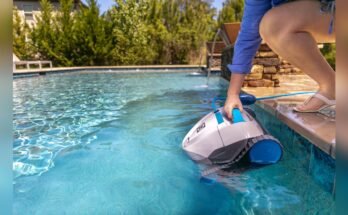
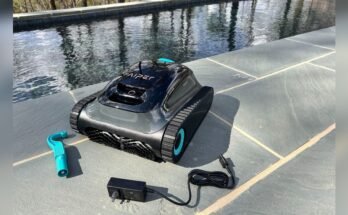
Robotic cleaners are independent units powered by electricity. They have their own motors and filters. These cleaners move on their own using smart navigation. They scrub, vacuum, and filter debris from the pool. Robotic cleaners are efficient and clean thoroughly. They are easy to use and save energy.

Key Components Of Pool Vacuums
Understanding the key parts of an automatic pool vacuum helps you see how it cleans your pool. Each component plays a role in removing dirt and debris efficiently. These parts work together to keep your pool water clear and healthy.
Vacuum Head And Brushes
The vacuum head is the base that touches the pool floor. It sucks up dirt and debris through its opening. Brushes attached to the head scrub surfaces to loosen dirt. They help clean walls and floors more effectively.
Hoses And Connectors
Hoses link the vacuum head to the pump or filter system. They carry dirt-filled water away from the pool. Connectors join hoses securely to prevent leaks. These parts must be tight and strong to keep the vacuum running smoothly.
Filter Or Debris Bag
The filter or debris bag collects dirt and leaves sucked up by the vacuum. It stops debris from reaching the pump and filter system. Cleaning or emptying this part regularly keeps the vacuum working well. It also extends the life of your pool equipment.
Motor And Pump System
The motor powers the vacuum, creating suction to pull in debris. The pump moves water through the vacuum and filter system. Together, they keep water flowing and debris trapped. A strong motor and pump improve cleaning speed and efficiency.
How Suction-side Vacuums Operate
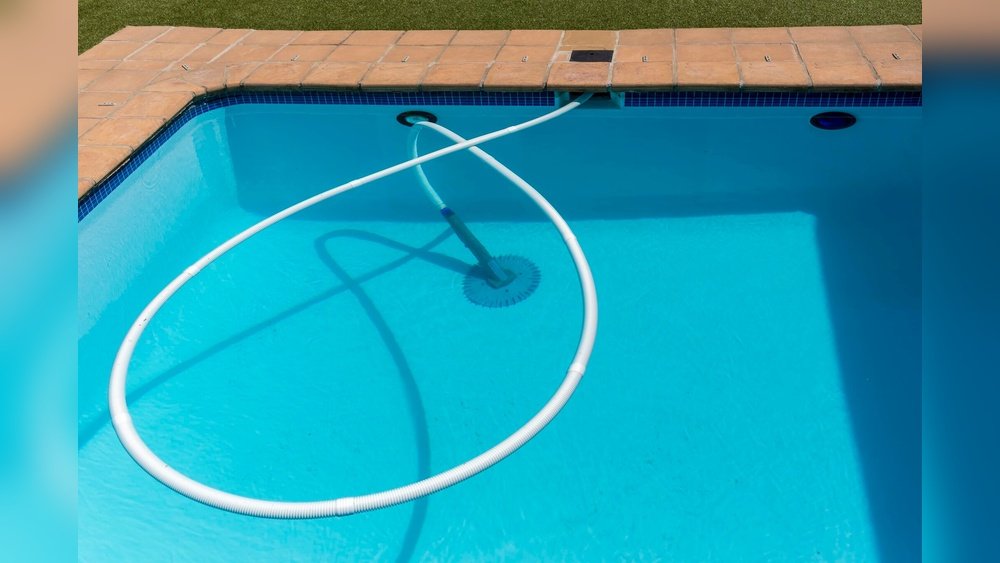
Suction-side automatic pool vacuums clean pools by using the pool’s existing pump system. They connect to the pool’s skimmer or a dedicated suction port. The vacuum relies on the water flow created by the pump to move and suck up debris. This process keeps the pool clean without manual effort.
Connection To Pool’s Skimmer Or Suction Port
The vacuum attaches to the pool’s skimmer or a suction port. The skimmer pulls water from the surface and directs it to the pump. Suction ports provide an extra connection point. This link allows the vacuum to use the pump’s suction power.
Water Flow And Suction Mechanism
Water flows through the vacuum hose into the pump. The pump creates suction that pulls debris into the vacuum head. Dirt, leaves, and small particles get trapped in the pool’s filter. This keeps the water clean and clear.
Movement And Cleaning Patterns
The vacuum moves around the pool floor in set patterns. Some models use wheels or tracks to navigate. Others rely on water flow to push them. This movement ensures every part of the pool is cleaned.
Working Of Pressure-side Vacuums
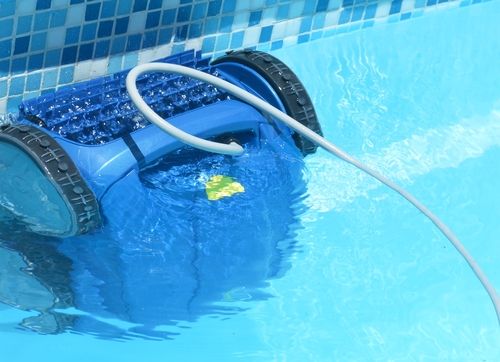
Pressure-side pool vacuums clean pools using water pressure. They attach to your pool’s return jet. Water flows fast through the vacuum, creating suction. This suction pulls dirt and debris from the pool floor.
Use Of Dedicated Booster Pump
Pressure-side vacuums need a booster pump to work well. This pump increases water pressure. It helps the vacuum move faster and clean better. Without it, the vacuum cannot create enough suction. The booster pump runs separately from the pool’s main pump. This keeps the cleaning power strong and steady.
Debris Collection In Separate Bag
The vacuum pushes dirt and debris into a special bag. This bag is attached to the vacuum unit. It collects leaves, bugs, and small debris. This stops the pool’s filter from clogging. The bag is easy to remove and clean. It saves time and keeps your pool cleaner longer.
Coverage And Efficiency
Pressure-side vacuums cover large pool areas quickly. They move around the pool floor with the water flow. The strong suction picks up heavy debris well. These vacuums clean corners and steps easily. They work best on medium to large pools. Their efficiency means less manual cleaning for you.
Functionality Of Robotic Pool Vacuums
Robotic pool vacuums clean pools without needing much help. They work on their own, moving around the pool floor and walls. These machines keep pools clear of dirt, leaves, and small debris. Understanding how they work helps you see why they are useful for pool care.
Independent Power Source
Robotic pool vacuums have their own power supply. Most use rechargeable batteries. This means no cables or cords to limit movement. The vacuum runs for a set time before needing a recharge. This freedom lets the robot clean every corner of the pool.
Navigation And Sensors
Sensors guide the vacuum around the pool. They detect walls, steps, and obstacles. The robot changes direction to avoid getting stuck. Some models create maps of the pool for better cleaning paths. This smart navigation saves time and improves cleaning results.
Filtration And Debris Storage
The vacuum sucks in water and debris through a filter. The filter traps leaves, dirt, and small particles. Clean water goes back into the pool. The debris stays inside the vacuum’s storage container. After cleaning, you empty this container to keep the vacuum ready.
Benefits Of Using Automatic Pool Vacuums
Automatic pool vacuums offer many benefits for pool owners. They clean your pool efficiently with little effort. These devices save time and energy while keeping your pool spotless. Understanding their advantages helps you maintain a healthier and more enjoyable swimming environment.
Time And Effort Savings
Automatic pool vacuums work on their own. They clean the pool while you relax or do other tasks. No need to spend hours scrubbing or skimming. These vacuums cover the entire pool surface quickly. You save precious time every week.
Enhanced Pool Cleanliness
These vacuums remove dirt, leaves, and debris effectively. They reach spots that are hard to clean manually. Your pool stays clearer and healthier for swimming. Regular cleaning helps prevent algae and bacteria buildup. The water looks fresh and inviting all season.
Energy Efficiency
Automatic vacuums use less power than traditional cleaning methods. Many models run on low energy or solar power. This reduces your electricity bills over time. Efficient cleaning means less strain on your pool pump. Energy savings benefit both your wallet and the environment.
Maintenance Tips For Pool Vacuums
Maintaining your automatic pool vacuum keeps it working well and lasts longer. Simple care steps avoid breakdowns and keep your pool clean. Regular attention helps the vacuum perform at its best. Follow these tips to keep your pool vacuum in great shape.
Regular Cleaning Of Filters And Bags
Empty the vacuum’s filter or bag after every use. Dirt and debris clog the filter, reducing suction power. Rinse filters with clean water to remove fine particles. Let bags dry completely before putting them back. Clean filters keep water flowing and improve cleaning results.
Inspecting Hoses And Connections
Check hoses for cracks or holes often. Damaged hoses cause leaks and loss of suction. Ensure all connections are tight and secure. Loose parts let air in, affecting vacuum performance. Replace worn hoses or seals quickly to avoid bigger problems.
Storing The Vacuum Properly
Store the vacuum in a dry, shaded place after use. Avoid exposing it to direct sunlight for long periods. Keep it off the ground to prevent damage from moisture or pests. Proper storage protects the vacuum parts and extends its life.

Common Issues And Troubleshooting
Automatic pool vacuums make pool cleaning easier. Yet, they can face common problems. These issues affect their performance and need quick fixes. Understanding these problems helps keep your pool clean and saves time.
Poor Suction Or Cleaning Performance
Low suction often means a clogged filter or hose. Check for blockages in the vacuum’s hose or filter bag. Dirt buildup stops water flow and reduces cleaning power. Also, check the water pump and skimmer basket for debris. Clean or replace clogged parts to restore suction.
Another cause is a broken or worn-out diaphragm or impeller inside the vacuum. These parts help create suction. Replace damaged parts for better cleaning results.
Vacuum Not Moving Correctly
If the vacuum stays in one spot, the wheels or tracks may be stuck. Remove debris wrapped around them. Check if the vacuum’s weight is balanced correctly. Uneven weight can stop movement.
Sometimes, the vacuum’s hose is twisted or kinked. Straighten the hose to restore smooth movement. Also, ensure the water flow is strong enough to power the vacuum’s movement mechanism.
Unusual Noises Or Leaks
Strange noises could mean loose parts or air in the system. Tighten screws and connections. Air leaks reduce suction and cause noise.
Leaks often come from cracked hoses or seals. Inspect the hose and seals for damage. Replace any damaged parts to stop leaks and keep your vacuum working well.
Frequently Asked Questions
How Does An Automatic Pool Vacuum Clean Debris?
An automatic pool vacuum uses water flow or suction to move around the pool. It collects dirt, leaves, and small debris efficiently. This device cleans without manual effort, ensuring your pool stays clear and inviting.
What Powers An Automatic Pool Vacuum?
Most automatic pool vacuums are powered by the pool’s filtration system or electricity. Some models use water pressure, while others rely on battery or plug-in power. This enables continuous cleaning with minimal energy use.
Can Automatic Pool Vacuums Reach All Pool Areas?
Yes, automatic pool vacuums are designed to navigate pool floors, walls, and steps. Their sensors and wheels help them clean hard-to-reach spots effectively, ensuring comprehensive pool maintenance.
How Often Should I Use An Automatic Pool Vacuum?
For optimal cleanliness, use the automatic pool vacuum once or twice a week. Regular use prevents debris buildup and keeps your pool water crystal clear.
Conclusion
An automatic pool vacuum cleans your pool with little effort. It moves around, picking up dirt and debris. You save time and keep water clear. Simple to use and maintain, it helps your pool stay inviting. Regular use means less manual cleaning for you.
A clean pool feels better and lasts longer. Consider how this tool fits your pool care routine. Easy cleaning leads to more pool enjoyment.