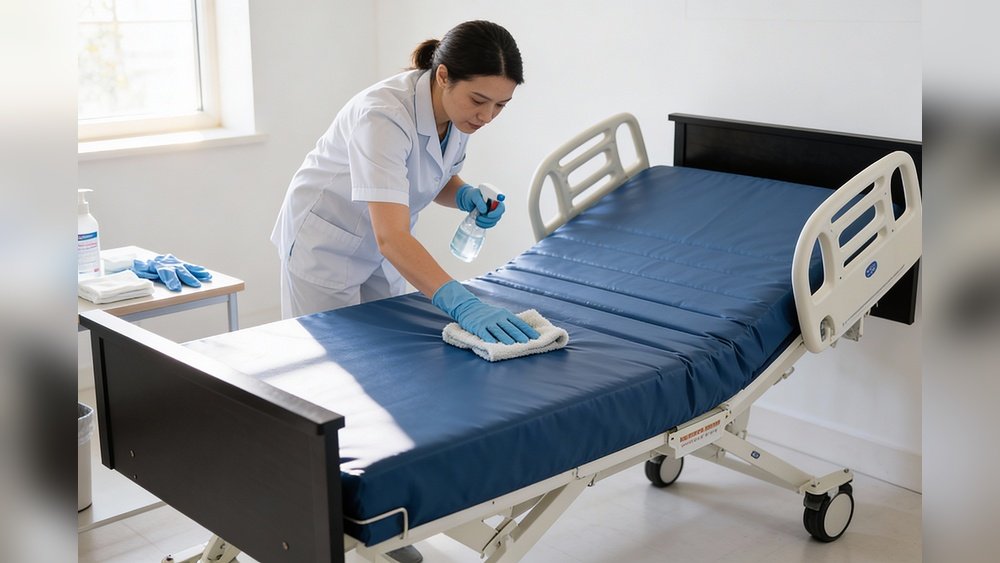
Cleaning and maintaining an ICU bed is more than just a daily task—it’s a vital part of patient safety and infection control. In intensive care units, patients are often the most vulnerable. The beds they use can become hotspots for germs if not cleaned and maintained properly.
Each surface, control panel, and mattress seam can harbor bacteria, viruses, or even dangerous fungi. A well-maintained ICU bed not only keeps patients safer but also ensures that medical staff can work efficiently, reducing risks for everyone.
Despite its importance, many people—both healthcare workers and those outside the field—do not realize how complex this process is. It’s not just about wiping surfaces. Proper cleaning requires knowledge of hospital protocols, understanding of cleaning agents, and careful attention to detail.
Maintenance goes beyond cleanliness; it’s about making sure each part of the bed works as intended, from electronic controls to safety rails. Learning how to clean and maintain an ICU bed correctly can make a real difference in patient outcomes, hospital reputation, and even insurance costs.
This guide breaks down every aspect of ICU bed cleaning and maintenance, using clear language and real-world examples. Whether you’re a nurse, hospital cleaner, maintenance worker, or even a curious family member, you’ll find step-by-step advice, practical tips, and answers to common questions.
Let’s explore how to keep ICU beds both spotless and in top working condition.
Why Icu Bed Cleanliness Matters
The importance of cleaning and maintaining ICU beds goes far beyond appearance. ICU patients have weakened immune systems, open wounds, or are connected to medical devices that make them more prone to infections. According to the Centers for Disease Control and Prevention (CDC), hospital-acquired infections (HAIs) affect about 1 in 31 patients in U.
S. hospitals at any time. ICU beds, touched by many hands and exposed to various bodily fluids, can easily become sources of infection.
Contaminated beds can lead to outbreaks of bacteria such as MRSA (Methicillin-resistant Staphylococcus aureus), VRE (Vancomycin-resistant Enterococci), and even dangerous viruses. These infections can be life-threatening and are often hard to treat. Cleanliness is not just about patient comfort—it can be a matter of life and death.
Real-world Example
In one notable outbreak, an ICU in a major hospital faced multiple MRSA infections. Investigations revealed that improper cleaning of beds and mattresses allowed the bacteria to spread. After staff were retrained and more thorough cleaning was introduced, infection rates dropped by 70%.
Key Components Of An Icu Bed
To clean and maintain an ICU bed properly, you need to understand its main parts. Each component requires different care.
| Component | Description | Special Care Needs |
|---|---|---|
| Frame | Metal or plastic structure supporting the bed | Check for rust, wipe all surfaces |
| Mattress | Foam or air-filled pad for patient comfort | Use compatible disinfectants, check for tears |
| Side Rails | Rails for patient safety | Disinfect regularly, check locking mechanism |
| Electronic Controls | Buttons/panels to adjust bed position | Use non-corrosive wipes, avoid liquids |
| Wheels and Brakes | Allow bed movement and locking | Clean debris, check function |
| IV Poles/Attachments | Hold medical equipment | Disinfect all touchpoints |
Knowing these parts helps target your cleaning and maintenance efforts where they matter most.
Step-by-step Guide: Cleaning An Icu Bed
Proper cleaning is not just about speed. It’s about following each step in order, using the right products, and making sure nothing is missed.
1. Prepare The Area
Before you start, make sure the patient is safely moved or the bed is unoccupied. Gather all cleaning supplies so you don’t have to leave and risk cross-contamination.
Essential supplies include:
- Disposable gloves and gowns
- Approved hospital disinfectants (check compatibility)
- Soft, clean cloths or disposable wipes
- Mild detergent (for basic cleaning)
- Waste disposal bags
Non-obvious insight: Many people forget to check the cleaning product’s “contact time”—the amount of time it needs to stay wet on the surface to kill germs. Always read the label.
2. Remove And Dispose Of Linens
Take off all sheets, pillowcases, and blankets. Place them directly into a designated laundry bag. Do not shake the linens, as this can spread germs into the air.
Tip: Use color-coded bags to separate contaminated linen from general laundry.
3. Inspect For Visible Soiling
Look for any visible dirt, blood, or body fluids. These areas need to be cleaned first, before general disinfecting.
- Use a mild detergent and water to remove organic matter.
- Blot rather than rub, to avoid spreading the contamination.
4. Clean Top To Bottom
Always clean from the highest point to the lowest. This method prevents dirty droplets from falling onto already-cleaned areas.
Order of cleaning:
- Headboard and rails
- Mattress surface
- Bed controls and panels
- Footboard
- Bed frame and legs
- Wheels and brakes
5. Disinfect All Surfaces
Apply hospital-grade disinfectant, making sure to cover all surfaces. Pay special attention to high-touch areas such as side rails, call button, and controls.
- Spray or wipe according to the product instructions.
- Make sure surfaces stay wet for the full “contact time.”
- Use a new wipe for each section to avoid spreading germs.
Non-obvious insight: Many staff miss the underside of rails and mattress seams. These areas often go untouched but can harbor bacteria.
6. Clean The Mattress Properly
Mattresses are often covered with waterproof material. Use only approved disinfectants to avoid damage.
- Check for any tears, cracks, or punctures in the cover.
- If the mattress is damaged, report it for replacement.
- Allow the mattress to dry completely before putting on new linens.
7. Electronics And Control Panels
Wipe gently with a non-abrasive, damp (not wet) cloth. Use disinfectant wipes that are approved for electronics.
- Do not spray liquid directly onto panels.
- Avoid letting moisture seep into buttons or seams.
8. Attachments And Accessories
Clean and disinfect IV poles, bed extensions, and any other attachments. Remove any detachable parts if possible for deeper cleaning.
9. Final Inspection
Before finishing, inspect the entire bed. Look for missed spots, leftover moisture, or any signs of wear and tear.
- Use a flashlight to check hard-to-see areas.
- If you find damage, fill out a maintenance report.
10. Replace Linens And Ready The Bed
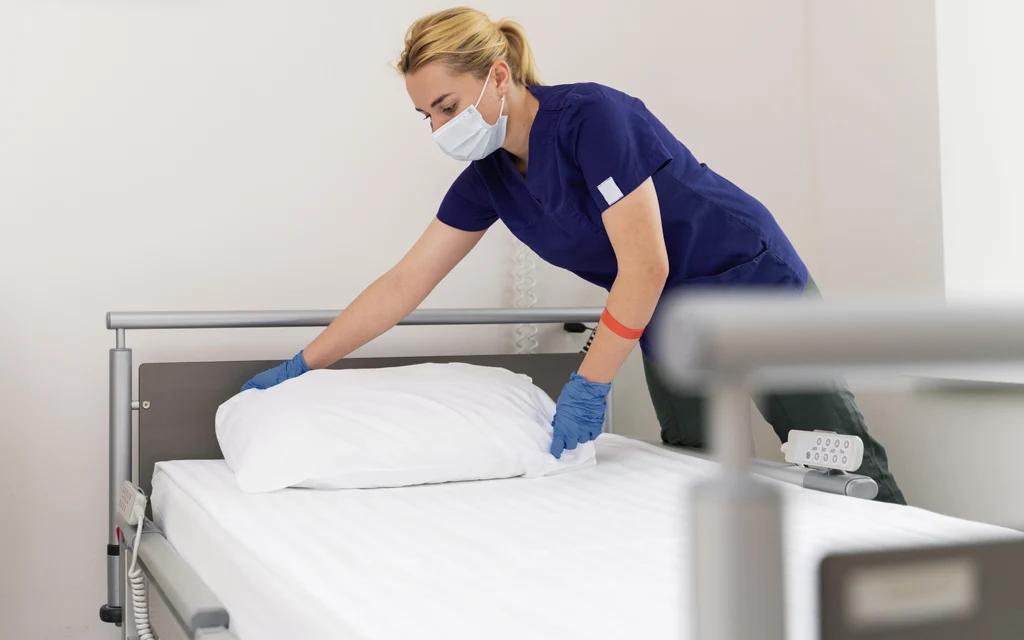
Once the bed is dry, put on fresh, clean linens. Make sure the bed is reset and ready for the next patient.
How Often Should Icu Beds Be Cleaned?
The cleaning frequency depends on usage and hospital policy. However, there are some general best practices:
- After every patient: Deep cleaning and disinfection.
- Daily: Wipe down high-touch surfaces even if the patient remains.
- Immediately after spills: Clean and disinfect any spills of blood, vomit, or other fluids.
- Weekly: Check and clean under the mattress, wheels, and hard-to-reach places.
Data point: According to the World Health Organization, regular cleaning of patient beds reduces surface contamination by up to 85%.
Best Cleaning Agents For Icu Beds
Not all disinfectants are safe for use on ICU beds. Some strong chemicals can damage surfaces or cause allergic reactions. Always use agents approved by hospital infection control teams.
Typical choices include:
- Quaternary ammonium compounds (quats): Good for most surfaces, but some bacteria can develop resistance.
- Chlorine-based disinfectants: Very effective, but can damage electronics and some plastics.
- Alcohol-based wipes: Fast-drying, ideal for electronics but not for large surfaces.
- Hydrogen peroxide-based cleaners: Broad-spectrum, safe for many materials.
Comparison: Cleaning Agents
Here’s a quick comparison of common disinfectants used for ICU beds:
| Type | Advantages | Disadvantages |
|---|---|---|
| Quats | Broadly effective, safe for most surfaces | Some bacteria develop resistance |
| Chlorine | Strong germ killer | Harsh on electronics, irritating to skin |
| Alcohol | Quick drying, good for controls | Flammable, not for all surfaces |
| Hydrogen Peroxide | Effective, less residue | More expensive |
Practical tip: Always test a small, hidden spot with a new cleaner before using it everywhere.
Preventing Cross-contamination
One of the biggest risks in ICU cleaning is moving germs from one bed to another. Here’s how to avoid it:
- Change gloves after cleaning each bed.
- Use fresh cleaning cloths or wipes for every bed.
- Never use the same mop or bucket for patient and public areas.
- Clean your hands with alcohol gel before and after cleaning.
Non-obvious insight: Many infections spread because staff touch their face or phone with contaminated gloves. Always remove gloves and wash hands before handling personal items.
Routine Maintenance Of Icu Beds
Cleaning is only part of the job. Regular maintenance keeps beds safe, functional, and comfortable for patients.
What Maintenance Includes
- Check bed frame and joints: Look for loose screws, rust, or cracks.
- Inspect wheels and brakes: Make sure they roll smoothly and lock securely.
- Test electronic controls: Raise and lower the bed, adjust head/foot sections, and check all buttons.
- Examine side rails: Ensure they move easily and lock in place.
- Review electrical cords: Look for fraying, exposed wires, or loose plugs.
Maintenance Frequency
Daily: Quick check for obvious problems (e.g., brakes, rails).
Weekly: More detailed inspection of all moving parts.
Monthly: Full check including electronics, frame, and attachments.
What To Do If You Find A Problem
If you find any broken parts or problems:
- Tag the bed as “out of service.”
- Notify the maintenance department immediately.
- Never use a bed with a known safety issue.
Real-world example: In one hospital, a faulty bed control caused a patient to slide off. After this, the hospital increased maintenance checks, and similar incidents dropped to zero.
Safe Handling Of Cleaning Chemicals
Cleaning agents can be dangerous if not handled properly. Even hospital staff can get skin irritation, breathing problems, or eye injuries.
Safety Tips
- Always wear gloves and protective clothing.
- Never mix different cleaning chemicals—they can create toxic fumes.
- Store chemicals in a safe, locked area away from patients.
- Follow the manufacturer’s instructions for dilution and use.
Non-obvious insight: Some cleaning chemicals can damage hospital floors or interact with other materials. Always clean up spills quickly and inform the maintenance team if you see discoloration.
Training Staff For Icu Bed Cleaning
Proper training is key. Even the best products and protocols fail if staff don’t follow them correctly.
What Good Training Includes
- Demonstrations of cleaning and disinfection steps.
- Explanation of why each step is important.
- Hands-on practice with real ICU beds.
- Regular updates as protocols change.
Data point: Hospitals with regular staff training report 40% fewer bed-related infection incidents compared to those with no regular training.
Encouraging Accountability
Some hospitals use checklists or digital tracking to make sure every bed is cleaned and maintained as scheduled. This reduces missed steps and helps identify training needs.
Special Considerations For Different Icu Bed Types
ICU beds come in many styles, from basic manual models to advanced electronic beds with built-in weighing scales and alarms. Each has unique needs.
Manual Vs. Electronic Beds
- Manual beds: Fewer electronics, but check for wear on moving joints and levers.
- Electronic beds: Inspect all cables, batteries, and control panels. Use only approved wipes on electronics.
Air Mattresses And Pressure Relief Beds
These beds help prevent bedsores but require special care:
- Disconnect and clean air hoses as instructed.
- Never soak or immerse control units.
- Check for leaks or weak spots in the mattress.
Pediatric And Bariatric Beds
- Pediatric beds: Smaller parts, need extra attention to crevices.
- Bariatric beds: Heavier frames, may need stronger cleaning products and more frequent checks.
Handling Mattress And Bed Part Replacement
Sometimes, cleaning isn’t enough. If a mattress is torn, or a rail is broken, it must be replaced.
When To Replace
- Mattress has visible tears or can’t be fully cleaned.
- Bed frame is cracked or rusted through.
- Electrical parts fail safety checks.
Replacement Process
- Remove and dispose of old parts as per hospital protocol.
- Install new parts according to manufacturer’s instructions.
- Document the replacement for hospital records.
Non-obvious insight: Replacing a mattress or part without documenting it can cause confusion during audits or warranty claims.
Documentation And Record Keeping
Every cleaning and maintenance action should be recorded. This ensures accountability and helps track recurring issues.
Good records include:
- Date and time of cleaning
- Staff member’s name
- Any issues found or repairs needed
- Date and details of maintenance checks
Practical tip: Some hospitals use barcodes or digital logs for each bed, making tracking easy and reducing errors.
Cost Of Poor Icu Bed Maintenance
Neglecting bed cleaning and maintenance can have serious financial and human costs.
- Increased infection rates mean longer hospital stays and higher treatment costs.
- Damaged beds can lead to patient injuries, lawsuits, and bad publicity.
- Unexpected breakdowns disrupt patient care and increase repair expenses.
Data point: A single hospital-acquired infection can cost $20,000–$40,000 in extra care, according to CDC data.
Frequently Asked Questions
How Often Should An Icu Bed Be Deep-cleaned?
ICU beds must be deep-cleaned after every patient discharge or transfer. Daily cleaning is also required for surfaces, especially high-touch areas. This helps prevent the spread of infections and keeps the bed in good condition.
Can Regular Household Cleaners Be Used On Icu Beds?
No, only hospital-approved disinfectants should be used. Household cleaners may not kill all hospital germs and can damage bed materials or interfere with electronics. Always use cleaning agents recommended by infection control teams.
What Should I Do If I Find A Tear In The Icu Mattress?
A mattress with a tear must be removed from service immediately. Germs can enter the foam, making it impossible to disinfect properly. Notify maintenance and replace the mattress as soon as possible.
How Do I Clean Electronic Controls On An Icu Bed?
Use only damp (not wet) disinfectant wipes approved for electronics. Avoid spraying liquid directly onto controls. If moisture gets inside, it can damage the electronics and create a safety hazard.
Who Is Responsible For Cleaning And Maintaining Icu Beds?
Usually, cleaning staff handle surface cleaning and disinfection, while biomedical or maintenance staff take care of repairs and mechanical checks. However, all staff should report any issues they see to ensure patient safety.
—
Cleaning and maintaining an ICU bed might seem simple, but it requires focus, attention, and teamwork. By following the right steps, using the correct products, and staying alert to problems, you help protect patients and staff alike. In a high-stakes environment like the ICU, this commitment makes a real difference every day.