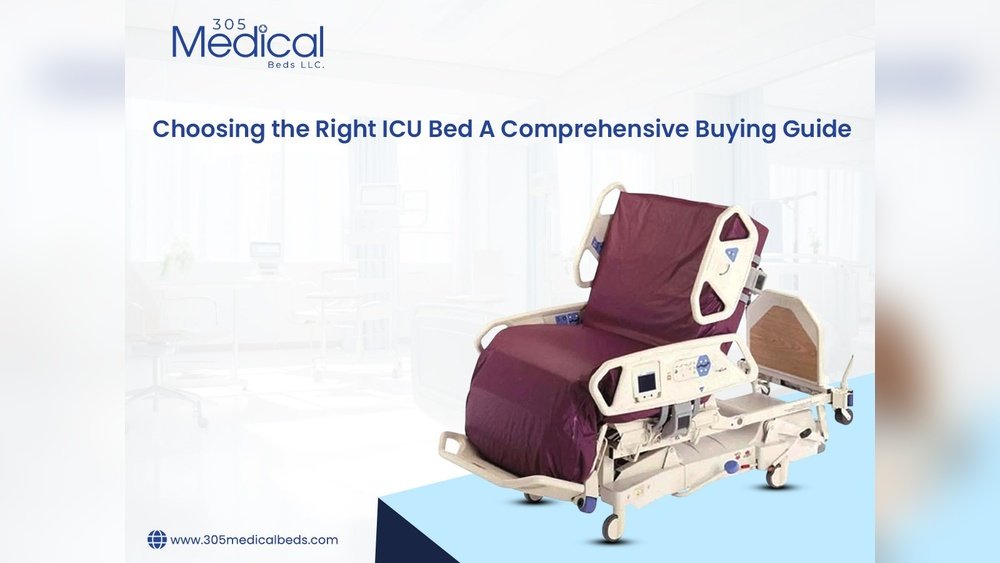
Choosing the right ICU hospital bed is a decision that can directly impact patient recovery, comfort, and even survival. These beds are not just furniture—they are advanced medical devices designed to support the most vulnerable patients and assist caregivers in complex care situations.
Whether you are a hospital administrator, a procurement officer, or a clinician involved in making choices for your facility, you face many options and considerations. The market offers a wide range of ICU beds, each with different features, functions, and price points.
Making the wrong choice can lead to discomfort for patients, injuries for caregivers, and wasted resources for your hospital.
In this article, you will learn exactly how to choose the right ICU hospital bed for your needs. We will explore the critical factors, compare key features, and highlight both common mistakes and overlooked details that can make a big difference.
By the end, you will have the knowledge and practical guidance to make a confident, well-informed decision.
Understanding The Role Of Icu Hospital Beds
ICU hospital beds are not ordinary beds. They are designed for critically ill patients who need intensive monitoring and care. These beds must provide comfort, safety, and easy access for medical staff. Their design affects not only the patient’s experience but also how efficiently doctors and nurses can work.
The right ICU bed should help prevent complications like pressure ulcers and support medical devices such as ventilators, IV poles, and monitoring equipment. It must also allow quick adjustments for emergencies, like cardiopulmonary resuscitation (CPR) or sudden changes in patient condition.
Key Features To Look For In An Icu Hospital Bed
Choosing an ICU bed is not just about price or appearance. You need to evaluate features that affect patient outcomes, caregiver safety, and hospital efficiency. Here are the most important factors to consider:
1. Patient Comfort And Pressure Relief
Critically ill patients often stay in bed for long periods. A good ICU bed must reduce the risk of bedsores (pressure ulcers) and support a range of body types.
- Mattress type: Look for advanced mattresses, such as air-fluidized or low-air-loss models, which redistribute pressure and keep the skin dry.
- Adjustable sections: At least three sections (head, foot, and knee) that move independently.
- Microclimate control: Systems that manage heat and moisture can further reduce ulcer risks.
2. Mobility And Accessibility
Patients in ICUs may need frequent repositioning, transfers, or quick access for medical procedures.
- Height adjustment: Lowers for easy patient entry and exit, raises for caregiver convenience.
- Lateral tilt: Beds that tilt side-to-side help with turning, cleaning, and preventing pneumonia.
- Easy movement: Large, lockable wheels and smooth steering are essential for emergencies.
3. Safety Features
Safety is crucial for both patients and staff. ICU beds should minimize falls and injuries.
- Side rails: Should be sturdy, easy to operate, and adjustable in height.
- Alarm systems: Alerts for unexpected bed exit, low battery, or malfunction.
- CPR release: A quick-flattening function for emergencies is a must.
4. Integration With Medical Devices
ICU beds must support many medical devices and allow for easy monitoring.
- IV pole holders: Multiple, strong attachment points for infusion pumps and fluids.
- Accessory rails: For monitors, ventilators, and other equipment.
- Power outlets: Built-in or nearby sockets for medical devices.
5. Infection Control And Cleanability
Hospitals need beds that are easy to clean and designed to reduce the spread of infection.
- Seamless surfaces: Fewer cracks and joints mean fewer places for germs to hide.
- Antimicrobial coatings: Some beds offer materials that limit bacterial growth.
- Removable parts: Mattresses and side rails should be easy to detach for thorough cleaning.
6. Weight Capacity And Patient Size
Not all ICU beds fit every patient. Consider the range of body sizes your facility serves.
- Safe working load: Standard beds support around 180–250 kg (400–550 lbs), but bariatric beds can handle more.
- Bed width and length: Adjustable beds fit taller or larger patients and improve comfort.
7. Power And Manual Controls
Electric beds allow for easy adjustment, but backup manual controls are vital during power outages.
- Dual control systems: Both electric and manual for reliability.
- Accessible controls: Staff and patients should easily reach and use controls.
- Battery backup: Keeps critical functions working during outages.
8. Patient Positioning Functions
Modern ICU beds do more than just raise the head or feet.
- Trendelenburg/Reverse Trendelenburg: These positions help with circulation and respiratory support.
- Chair position: Allows the patient to sit up for meals or therapy without leaving the bed.
- Pre-set positions: One-touch buttons for common positions save time.
9. Ease Of Use And Staff Training
A complex bed with difficult controls can slow down care and increase errors.
- Intuitive interface: Clear buttons, symbols, and displays.
- On-bed instructions: Quick-reference guides help staff use features correctly.
- Training support: Good suppliers offer staff training and technical support.
10. Durability And Maintenance
ICU beds are a big investment. They need to last many years, even with heavy use.
- Sturdy frame: Look for stainless steel or high-strength composites.
- Spare parts availability: Check if you can easily get replacement parts.
- Service contracts: Some suppliers offer regular maintenance, which extends the bed’s life.
Comparing Icu Hospital Bed Types
Not all ICU beds are the same. Here’s a quick comparison of the main types:
| Bed Type | Main Features | Typical Users | Approx. Price Range (USD) |
|---|---|---|---|
| Standard Electric ICU Bed | Adjustable height, head & foot, basic alarms | Most adult patients | $2,500–$7,000 |
| Advanced ICU Bed | Lateral tilt, microclimate, advanced alarms, integration | High-risk, immobile, or ventilated patients | $8,000–$18,000 |
| Bariatric ICU Bed | Extra wide, heavy-duty frame, higher weight capacity | Obese patients | $10,000–$25,000 |
| Pediatric ICU Bed | Smaller size, enhanced safety features | Children, infants | $3,000–$12,000 |
Step-by-step Guide To Choosing The Right Icu Hospital Bed
Making the right decision involves several steps. Here is a detailed process to follow:
Step 1: Assess Patient Needs
Start by understanding the typical patients your ICU treats. Are they mainly adults, children, or bariatric patients? Do they often need ventilators or special positioning? For example, an ICU specializing in trauma may need beds with advanced lateral tilt and rapid CPR release.
Step 2: Define Clinical Requirements
Consult with your clinical staff. What challenges do they face with current beds? Do they need better mobility, safer transfers, or more advanced monitoring integration? Making a list of must-have features versus nice-to-have features will help.
Step 3: Set A Realistic Budget
ICU beds are a long-term investment. Consider not just the purchase price, but also costs for maintenance, replacement parts, and service contracts. More advanced beds may cost more up front but save money by reducing injuries or complications.
Step 4: Evaluate Bed Features
Refer to the key features above. Create a comparison chart for your top choices. For example, compare three ICU beds across must-have features:
| Feature | Bed A | Bed B | Bed C |
|---|---|---|---|
| Lateral Tilt | Yes | No | Yes |
| Weight Capacity | 250 kg | 180 kg | 200 kg |
| Microclimate Control | No | Yes | No |
| CPR Release | Manual | Electric | Manual |
| Warranty | 5 years | 3 years | 5 years |
Step 5: Check For Compliance And Certification
Make sure the bed meets your country’s medical device standards. Look for certifications like FDA approval (USA), CE marking (Europe), or other local health authority endorsements.
Step 6: Test Usability
Arrange for a demo if possible. Let nurses and doctors try the bed. Can they use the controls easily, move the bed smoothly, and clean it quickly? Real-world testing often reveals problems that brochures do not.
Step 7: Plan For Training And Support
Ask the supplier about training for your staff. Will they help with setup, troubleshooting, and ongoing support? Well-trained staff can use advanced features correctly, reducing errors and accidents.
Step 8: Consider Future Needs
Choose beds that are flexible and can be upgraded. For example, some beds allow you to add new functions (such as better mattresses or digital controls) later. This protects your investment as technology advances.
Step 9: Negotiate Terms
Discuss more than just price. Ask about warranty length, service response time, and replacement part costs. A slightly higher up-front price may be worth it for better long-term support.
Step 10: Make The Final Selection
Bring together your findings. Choose the bed that best fits your clinical needs, budget, and staff preferences. Document your decision process for future reference.
Common Mistakes When Choosing Icu Hospital Beds
Many hospitals make costly errors when buying ICU beds. Here are some common ones to avoid:
- Focusing only on price. Cheaper beds may lack vital features, break down faster, or cost more in the long run.
- Ignoring staff input. Nurses and doctors use the beds every day. If you do not ask for their opinions, you may end up with beds that are hard to use or unsafe.
- Underestimating maintenance costs. Some beds need expensive parts or frequent service.
- Forgetting about infection control. Beds that are hard to clean can spread germs and lead to more hospital-acquired infections.
- Choosing beds without proper certifications. Non-certified beds may not meet safety standards and can cause legal problems.
Advanced Features That Offer Real Value
Some ICU beds come with extra features that can improve care and safety. These are worth considering if your budget allows:
- Built-in scales: Let staff weigh patients without moving them, reducing fall risk.
- Automated repositioning: Helps turn patients regularly, preventing ulcers and improving lung function.
- Wireless monitoring integration: Connects the bed to hospital information systems, giving real-time updates on patient status.
- Smart alarms: Not just simple beeps, but alarms that alert to risks like bed exit or unsafe positioning.
- Under-bed lighting: Helps staff see at night, reducing trip hazards.
Many buyers overlook the value of automated patient turning and smart integration. These features can reduce staff injuries, improve patient outcomes, and even lower costs by preventing complications.

Practical Tips For Icu Bed Buyers
Buying ICU beds is not a routine purchase. Here are some practical tips from experienced hospital administrators:
- Visit other hospitals. See what beds they use and ask about their real-world performance.
- Involve a multidisciplinary team. Include nurses, doctors, biomedical engineers, and even cleaning staff in the decision process.
- Ask for references. Good suppliers should provide contacts from other hospitals.
- Plan for spares. Order extra mattresses and common spare parts, especially if import times are long.
- Check delivery logistics. ICU beds are large and heavy. Make sure your facility can receive and move them easily.
Data And Trends In Icu Bed Selection
According to a 2022 report by the World Health Organization, about 8–12% of hospital patients in high-income countries develop pressure ulcers during their stay, and ICU patients are at even higher risk. Beds with advanced pressure-relief features can reduce these rates by up to 60%.
A study in the *Journal of Critical Care* found that ICU beds with lateral tilt and microclimate control led to fewer respiratory complications and shorter ICU stays. Another trend is the increasing demand for beds with digital connectivity. By 2025, it’s expected that over 50% of new ICU beds sold in developed countries will offer some form of smart integration.
Real-world Example
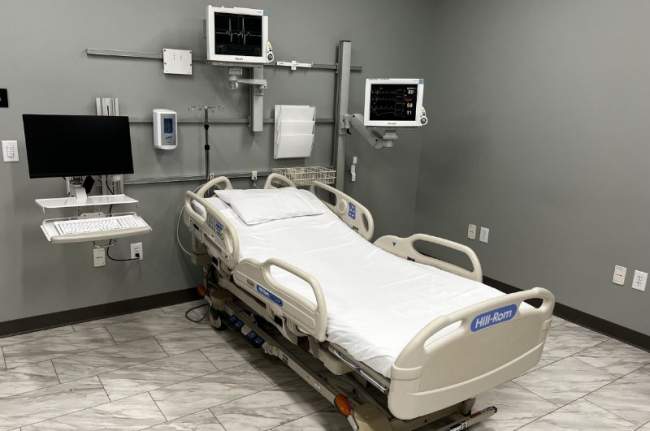
When a major hospital in Southeast Asia upgraded its ICU beds, they chose advanced models with lateral tilt, built-in scales, and wireless integration. In the first year, they saw a 25% reduction in staff back injuries and a 40% drop in patient pressure ulcers. Although the beds cost more initially, the hospital saved money on staff sick leave and wound care supplies.
How To Maintain Your Icu Hospital Bed
Choosing the right bed is only half the job. Proper maintenance is key to safety and long life.
- Regular inspections: Check all moving parts, electronics, and surfaces weekly.
- Follow manufacturer guidelines: Use the recommended cleaning agents and procedures.
- Train staff on basic troubleshooting: Small problems (like stuck rails or alarms) can often be fixed quickly.
- Keep maintenance records: Document repairs and maintenance dates. This helps with warranty claims and replacement planning.
Essential Questions To Ask Suppliers
Before you buy, ask these questions:
- What certifications does the bed have?
- What is included in the price (delivery, installation, training)?
- What is the warranty period, and what does it cover?
- How quickly can you supply spare parts?
- Can you provide references from other hospitals?
Frequently Asked Questions
What Is The Difference Between An Icu Bed And A Regular Hospital Bed?
ICU beds have advanced features such as multi-section adjustability, integrated alarms, lateral tilt, and support for medical devices. Regular hospital beds are simpler and may not offer these life-saving functions. ICU beds are built for critical care, where patient needs can change quickly.
How Often Should Icu Beds Be Replaced?
Most ICU beds last about 10–15 years with proper maintenance. However, you should consider replacing beds sooner if they become hard to clean, develop frequent faults, or cannot support new clinical practices. Regular inspection helps decide when to upgrade.
Are Electric Icu Beds Better Than Manual Ones?
Electric ICU beds allow quick, precise positioning and reduce staff injuries. Manual beds are cheaper but harder to use, especially with heavy or immobile patients. Electric beds with manual backup controls offer the best of both worlds—convenience and reliability.
What Are The Most Important Safety Features In An Icu Bed?
The most important features are sturdy side rails, alarm systems, CPR release, and a stable frame. Additional safety features, like under-bed lighting and exit alarms, can further reduce risks for both patients and staff.
Where Can I Learn More About Icu Bed Standards And Best Practices?
You can find detailed guidelines and updates on ICU bed standards from the U.S. Food & Drug Administration (FDA). They offer resources on safety, technology, and new developments in hospital beds.
Making the right choice for your ICU hospital beds is a decision that affects every part of patient care. Take the time to evaluate your needs, involve your team, and choose a bed that balances safety, comfort, and long-term value.
With the right approach, you can improve outcomes for patients and working conditions for your staff—while making the most of your hospital’s resources.