Are you wondering how to figure out the right price for house cleaning services? Whether you’re planning to hire a cleaner or start your own cleaning business, knowing how to calculate house cleaning rates is key.
You want a fair price that fits your budget or ensures you get paid what you deserve. You’ll discover simple steps and insider tips to help you understand exactly how these rates are set. Keep reading, and you’ll feel confident making smart decisions about house cleaning costs.
Factors Influencing Cleaning Rates
Understanding the factors influencing cleaning rates helps in setting fair prices. Cleaning costs vary based on several important details. These details affect the time, effort, and materials needed for the job. Knowing these factors helps both customers and cleaners plan better.
Home Size And Layout
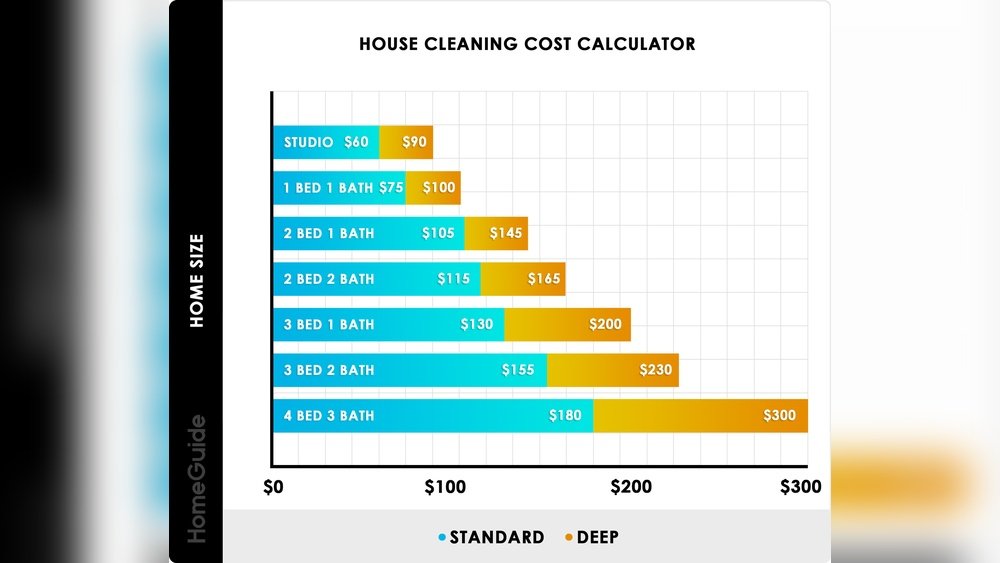
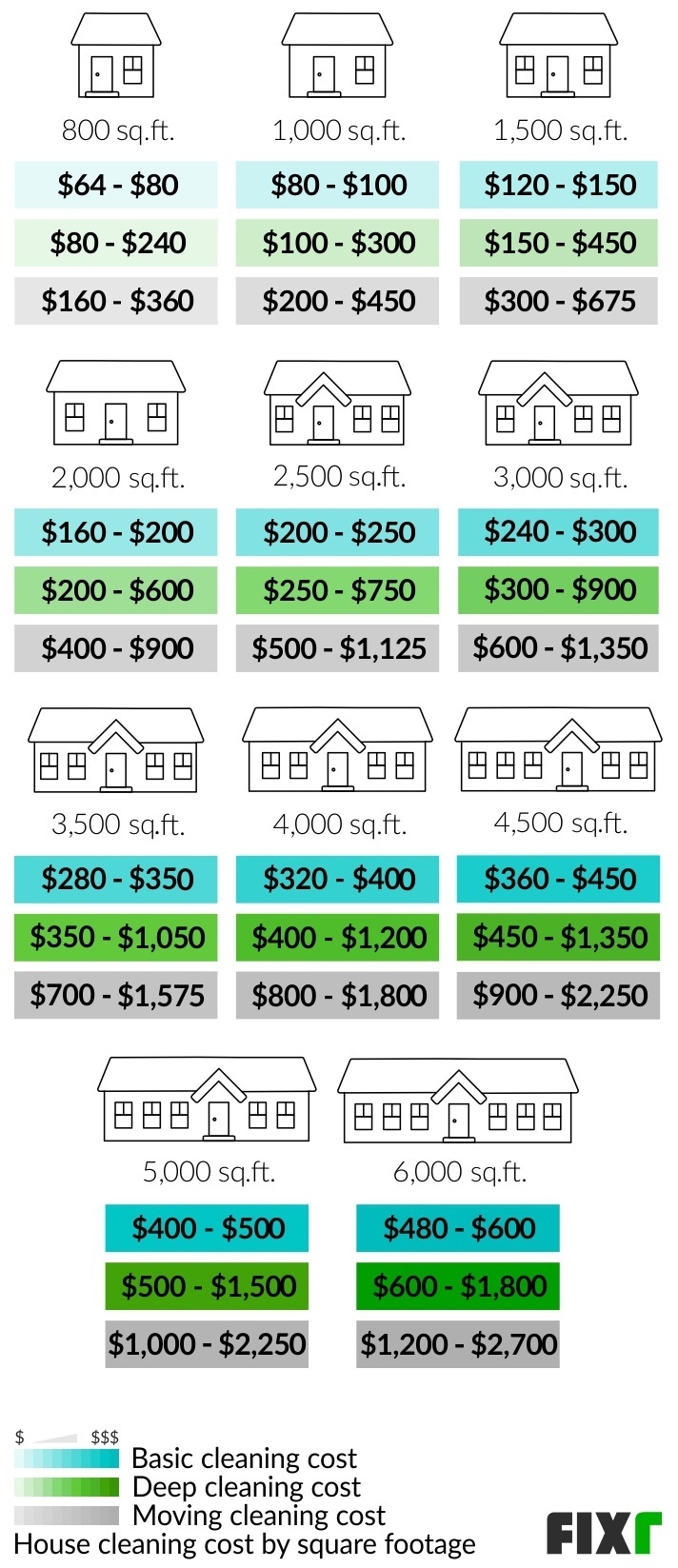
The size of a home greatly impacts cleaning rates. Larger homes take more time and effort to clean. The layout also matters. Complex layouts with many rooms or levels can increase the cleaning difficulty. Open floor plans may be faster to clean than many small rooms.
Type Of Cleaning Required
Different cleaning types demand different skills and time. Basic cleaning covers dusting, vacuuming, and mopping. Deep cleaning includes scrubbing bathrooms, kitchens, and hidden spots. Specialized cleaning, like move-in or post-construction, costs more due to extra work.
Frequency Of Service
How often cleaning is done affects the price. Regular cleaning, such as weekly or biweekly, often costs less per visit. One-time or occasional cleanings tend to be more expensive. Frequent service helps maintain cleanliness and reduces heavy-duty work.
Location And Market Demand
Cleaning rates differ by location and local demand. Urban areas usually have higher prices than rural places. High demand for cleaning services can raise rates. Competition among cleaning companies also influences pricing.
Common Pricing Methods
House cleaning rates vary widely depending on the pricing method chosen. Understanding common pricing methods helps homeowners decide what fits their needs and budget. Cleaners use different ways to charge based on time, space, or services. Each method has clear advantages and suits different situations.
Hourly Rates
Hourly rates charge for the exact time spent cleaning. This method is simple and fair when the job’s size is unclear. Clients pay for every hour the cleaner works. It suits irregular cleaning tasks or one-time deep cleans. Hourly rates give flexibility but may lead to higher costs if cleaning takes longer.
Flat Fees
Flat fees set a fixed price for the whole cleaning job. This method works well for routine cleanings with predictable time and effort. Clients know the total cost upfront, avoiding surprises. Flat fees often cover standard services like dusting, vacuuming, and bathroom cleaning. It’s best for regular, repeat customers.
Per Room Pricing
Per room pricing charges based on the number of rooms cleaned. This method breaks down costs clearly and easily. Each room has a set price, so clients pay more for larger homes. It works well for clients wanting to clean specific rooms only. Per room pricing offers a clear budget plan for homeowners.
Customized Packages
Customized packages combine different services into one price. Cleaners tailor the package to client needs and home size. This method offers flexibility and value by including extra tasks like fridge cleaning or window washing. Clients get exactly what they want without paying for unwanted services. Customized packages suit busy households with unique cleaning needs.
Calculating Costs And Expenses
Calculating costs and expenses is key to setting fair house cleaning rates. Understanding each cost helps you price your service correctly. It also ensures your business stays profitable.
Start by listing all expenses. These include labor, supplies, and travel costs. Knowing exact amounts makes pricing easier and clearer.
Labor Costs
Labor costs make up most of the cleaning price. Calculate how many hours a job takes. Multiply by the hourly wage or pay rate. Include wages, taxes, and benefits if you have employees.
Consider skill level and experience. More skilled workers may need higher pay. Adjust rates to cover these differences.
Cleaning Supplies And Equipment
Cleaning supplies add up quickly. Include detergents, sprays, mops, and cloths. Calculate the average use per job. Factor in replacement and maintenance costs for equipment like vacuums.
Buying supplies in bulk lowers costs. Track spending monthly to keep numbers accurate. Include safety gear if required.
Travel And Overhead Expenses
Travel costs affect final price. Account for fuel, vehicle maintenance, and travel time. Distance and traffic can change these costs.
Overhead includes rent, utilities, insurance, and marketing. Divide monthly expenses by the number of jobs. Add this to each job’s cost to cover fixed expenses.
Adjusting Rates For Special Situations
Adjusting house cleaning rates depends on the type of service needed. Special situations require different effort, time, and materials. This affects the cost. Understanding these differences helps set fair prices for both cleaners and clients. Below are key special cases that often change house cleaning rates.
Deep Cleaning Vs Regular Cleaning
Deep cleaning is more thorough than regular cleaning. It targets hidden dirt and grime in hard-to-reach places. This takes more time and special tools. Regular cleaning covers everyday tasks like dusting and vacuuming. Deep cleaning rates are higher due to the extra work involved. Clients should expect to pay more for deep cleaning services.
Move-in And Move-out Services
Move-in and move-out cleaning focuses on preparing a home for new residents. It often requires cleaning inside cabinets, appliances, and walls. This service is more detailed than typical cleaning. It takes longer and uses stronger cleaning products. These factors increase the cost. Cleaners adjust rates to cover the extra labor and materials.
Additional Services And Add-ons
Clients may want extra services beyond the basic cleaning. Examples include carpet shampooing, window washing, or organizing. Each add-on needs extra time and supplies. Cleaners charge additional fees for these tasks. Rates increase depending on the number and type of add-ons. Clear pricing helps clients choose the services they need.
Tips To Set Competitive Rates
Setting competitive house cleaning rates helps attract more clients. It requires careful thought and research. Knowing the right price keeps your business fair and profitable.
Here are some useful tips to set rates that work for you and your customers.
Researching Local Competitors
Check what other cleaning services charge in your area. Note prices for different types of cleaning jobs. Compare rates for hourly and flat fees. This helps understand the market standard. Avoid pricing too high or too low compared to others.
Considering Customer Expectations
Think about what clients want from a cleaning service. Some expect deep cleaning, others prefer quick tidy-ups. Adjust your rates based on service quality and tasks included. Clear communication about what is covered builds trust. Meeting expectations encourages repeat business.
Balancing Profit And Affordability
Calculate your costs like supplies, travel, and time. Add a fair profit margin to cover your effort. Keep prices affordable to attract more customers. Find a balance where you earn enough without losing clients. Regularly review rates to stay competitive and profitable.
Communicating Rates To Clients
Communicating house cleaning rates to clients is important for trust and clarity. Clear communication helps clients understand what they pay for. It also avoids confusion or disputes later. Presenting rates clearly builds professional relationships. It shows respect for the client’s budget and needs.
Creating Clear Estimates
Start with a simple, detailed estimate. Break down the price by tasks or hours. Include any extra fees upfront. Use easy words and avoid jargon. Send the estimate in writing. This allows clients to review and ask questions.
Explaining Rate Variations
Cleaning rates can change for many reasons. Size of the home, level of dirt, and special requests affect cost. Tell clients why prices might vary. Be honest about what changes the total. Clear explanations prevent surprises or misunderstandings.
Handling Negotiations
Listen carefully to client concerns about price. Offer options to adjust services or schedule. Stay polite and firm about your minimum rate. Find a balance that respects your work and client budget. Good negotiation shows professionalism and care.

Frequently Asked Questions
What Factors Influence House Cleaning Rates?
House cleaning rates depend on home size, cleaning type, frequency, and location. Additional services or special requests can increase costs. Understanding these helps you estimate an accurate cleaning rate for your needs.
How Is The Hourly Rate For House Cleaning Calculated?
Hourly rates are based on the cleaner’s experience, local market, and job complexity. Multiply the hourly rate by estimated hours to find total cost. This method suits irregular or one-time cleanings.
Should I Pay Per Hour Or Per Square Foot?
Paying per hour works well for detailed cleanings. Per square foot rates suit large, routine cleanings. Choose based on your home size and cleaning requirements for best value.
Do Cleaning Rates Include Supplies And Equipment?
Many cleaners include supplies in their rates, but confirm beforehand. Some charge extra for specialized products or equipment. Always clarify to avoid unexpected fees.
Conclusion
Calculating house cleaning rates takes careful thought. Consider the size of the home and the work needed. Think about how often cleaning happens and if extra tasks apply. Compare local prices to stay fair and competitive. Clear communication helps avoid confusion about costs.
Keeping these points in mind leads to better decisions. This way, both cleaners and clients feel satisfied. Simple steps can make pricing easier and fairer. Use this guide to find the right cleaning rate for you.