Have you ever wondered how robot vacuum cleaners smoothly move around your furniture without bumping into everything? If you think they just randomly wander, think again.
These smart devices use clever technology to spot obstacles and navigate your home efficiently. Understanding how your robot vacuum finds its way can help you get the most out of it—and maybe even impress your friends with your knowledge. Keep reading to discover the secrets behind their obstacle navigation and see why these little machines are changing the way we clean.

Navigation Technologies
Robot vacuum cleaners use smart navigation technologies to move around your home. These systems help the robot avoid obstacles and clean efficiently. Different models use different types of sensors and mapping tools. Each technology plays a key role in guiding the vacuum safely.
Infrared Sensors
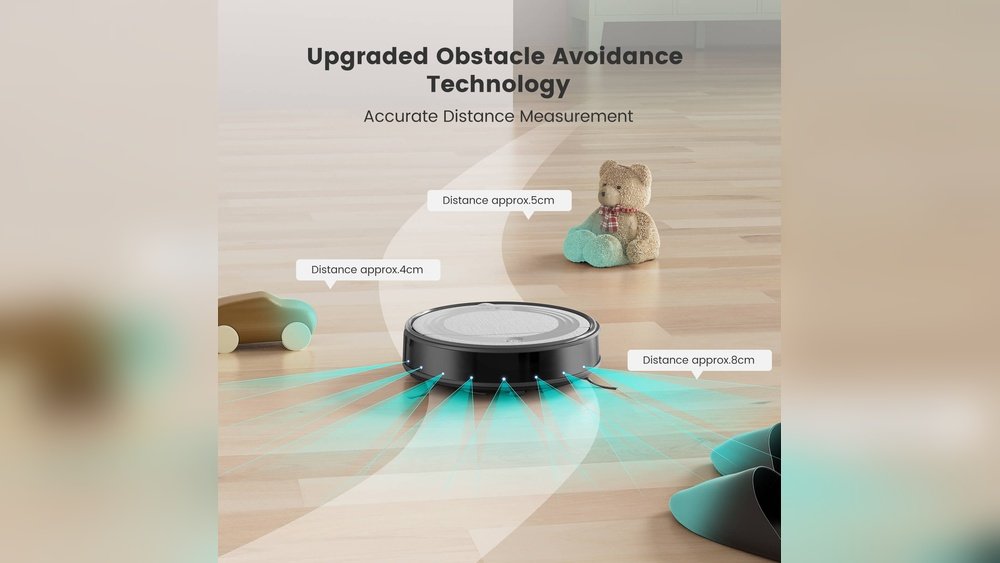
Infrared sensors send out light signals to detect objects nearby. The sensors measure the time it takes for the light to bounce back. This helps the vacuum know how far obstacles are. Infrared sensors work well in low light and tight spaces.
Ultrasonic Sensors
Ultrasonic sensors use sound waves to find objects around the vacuum. The vacuum sends out high-frequency sound and listens for echoes. These sensors detect walls, furniture, and other obstacles easily. Ultrasonic sensors help the robot avoid bumps and falls.
Lidar Mapping
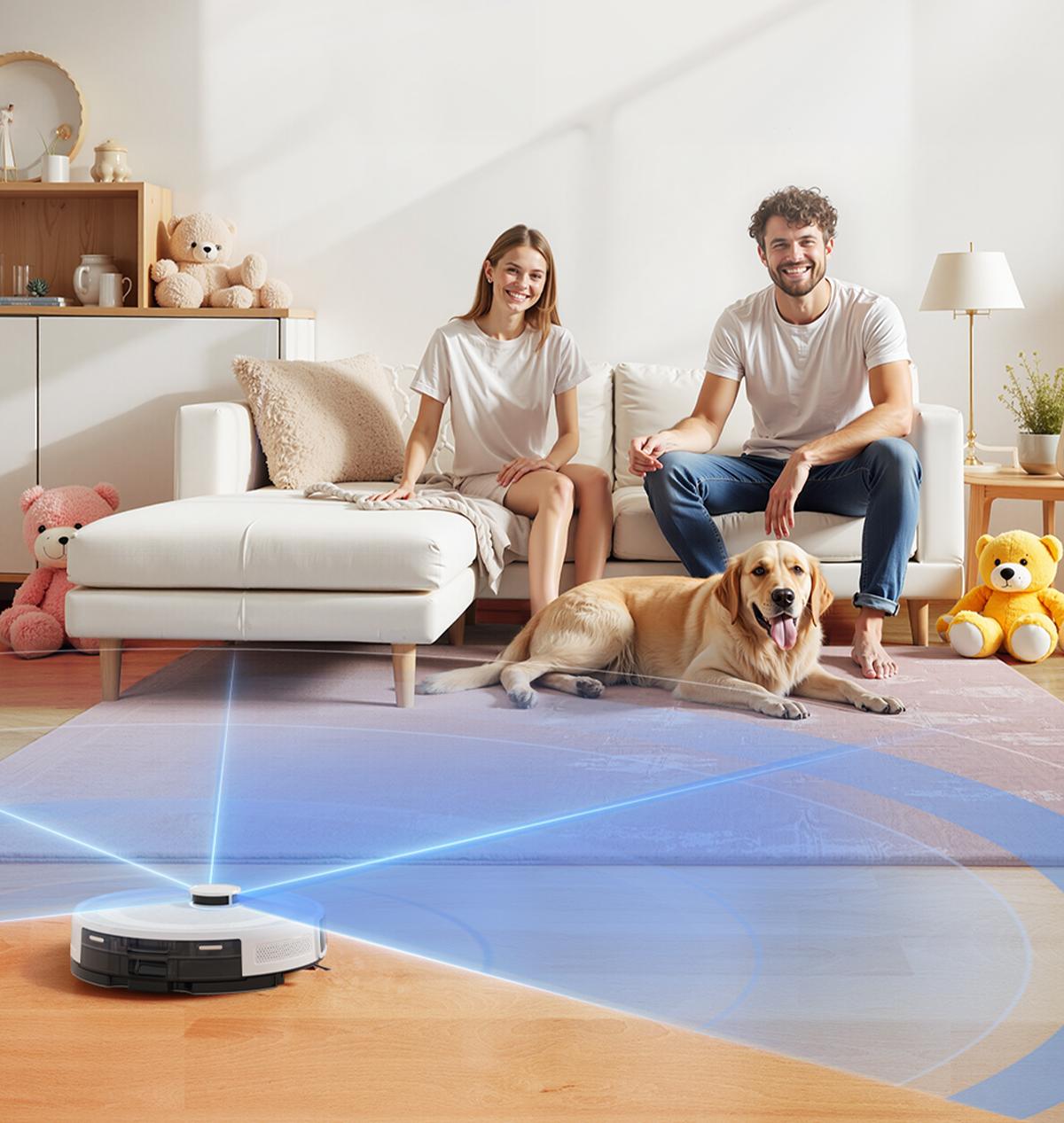
Lidar uses laser beams to create detailed maps of the room. The vacuum scans the area by sending laser pulses in all directions. It measures the time the light takes to return. Lidar helps the vacuum build an accurate layout of your home. It plans the best cleaning path based on this map.
Camera-based Navigation
Camera-based navigation uses cameras to see the environment. The vacuum captures images and identifies objects and furniture. It uses this visual data to navigate and avoid obstacles. Cameras help the robot recognize specific rooms and spots to clean.
Obstacle Detection Methods
Robot vacuum cleaners use various methods to detect obstacles in their path. These sensors help them move safely around furniture and other objects. Understanding these methods shows how robots clean efficiently.
Bump Sensors
Bump sensors detect physical contact with objects. When the robot touches something, the sensor signals it to stop. The robot then changes direction to avoid the obstacle. This method helps robots handle unexpected objects.
Proximity Sensors
Proximity sensors detect obstacles without touching them. They use infrared or ultrasonic waves to sense objects nearby. The robot slows down or turns before hitting anything. This helps the robot move smoothly around furniture and walls.
Cliff Sensors
Cliff sensors prevent the robot from falling off edges. They detect drops like stairs or ledges. When the sensor detects a drop, the robot stops or changes direction. This keeps the robot safe and prevents damage.
Mapping And Path Planning
Robot vacuum cleaners use mapping and path planning to clean efficiently. They create a map of your home and plan routes to avoid obstacles. This process helps them cover every area without missing spots or bumping into furniture. The technology behind this is complex but easy to understand.
Slam Technology
SLAM stands for Simultaneous Localization and Mapping. It allows the robot to build a map while knowing its exact position. Sensors scan the environment to detect walls, furniture, and objects. The robot updates its map as it moves, learning where obstacles are located. This technology helps the vacuum avoid collisions and clean smarter.
Room Mapping Techniques
Robot vacuums use different methods to map rooms. Some use laser sensors to scan the space in 360 degrees. Others rely on cameras or infrared sensors to identify objects and walls. The vacuum combines this data to form a detailed layout of the room. This map helps the robot remember where it has cleaned and where it needs to go next.
Route Optimization
The robot plans the best path to clean quickly and thoroughly. It avoids obstacles and tight spaces by choosing clear routes. The vacuum often cleans in straight lines or a systematic pattern. This method saves battery life and reduces cleaning time. Route optimization ensures no area is skipped or cleaned twice unnecessarily.
Movement Strategies
Robot vacuum cleaners use different movement strategies to clean your home efficiently. These strategies help the robot avoid obstacles and cover the floor well. Each method has its own way to handle furniture, walls, and other barriers. Understanding these strategies shows how smart these devices really are.
Random Navigation
Random navigation means the robot moves in no fixed pattern. It changes direction when it hits an obstacle. This method is simple but can miss some spots. It works best in small areas with few obstacles. The robot keeps moving until the battery runs low or the area looks clean.
Systematic Cleaning Patterns
Systematic patterns let the robot clean in straight lines or grids. The robot plans its path to cover all areas without repetition. It moves forward, turns at walls, and cleans methodically. This strategy reduces missed spots and saves battery life. It suits larger rooms and complex layouts well.
Adaptive Route Adjustment
Adaptive route adjustment uses sensors and cameras to map the room. The robot learns the space and updates its route in real time. It avoids obstacles by changing paths instantly. This method improves cleaning efficiency and avoids getting stuck. It works best in homes with many furniture pieces and pets.
Smart Features Enhancing Navigation
Robot vacuum cleaners use smart features to improve how they move around your home. These features help them avoid obstacles and clean more efficiently. They make the robots easier to control and smarter in handling different spaces.
Voice And App Controls
Many robot vacuums connect to apps or voice assistants. You can start or stop cleaning with simple commands. These controls let you guide the robot without touching it. You can also set cleaning schedules and check the robot’s status from your phone.
Virtual Barriers And No-go Zones
Virtual barriers are invisible lines you create in the app. The robot will not cross these lines. No-go zones mark areas where the vacuum should not enter. These features keep the robot away from fragile items or messy spots. They prevent the robot from getting stuck or causing damage.
Real-time Obstacle Updates
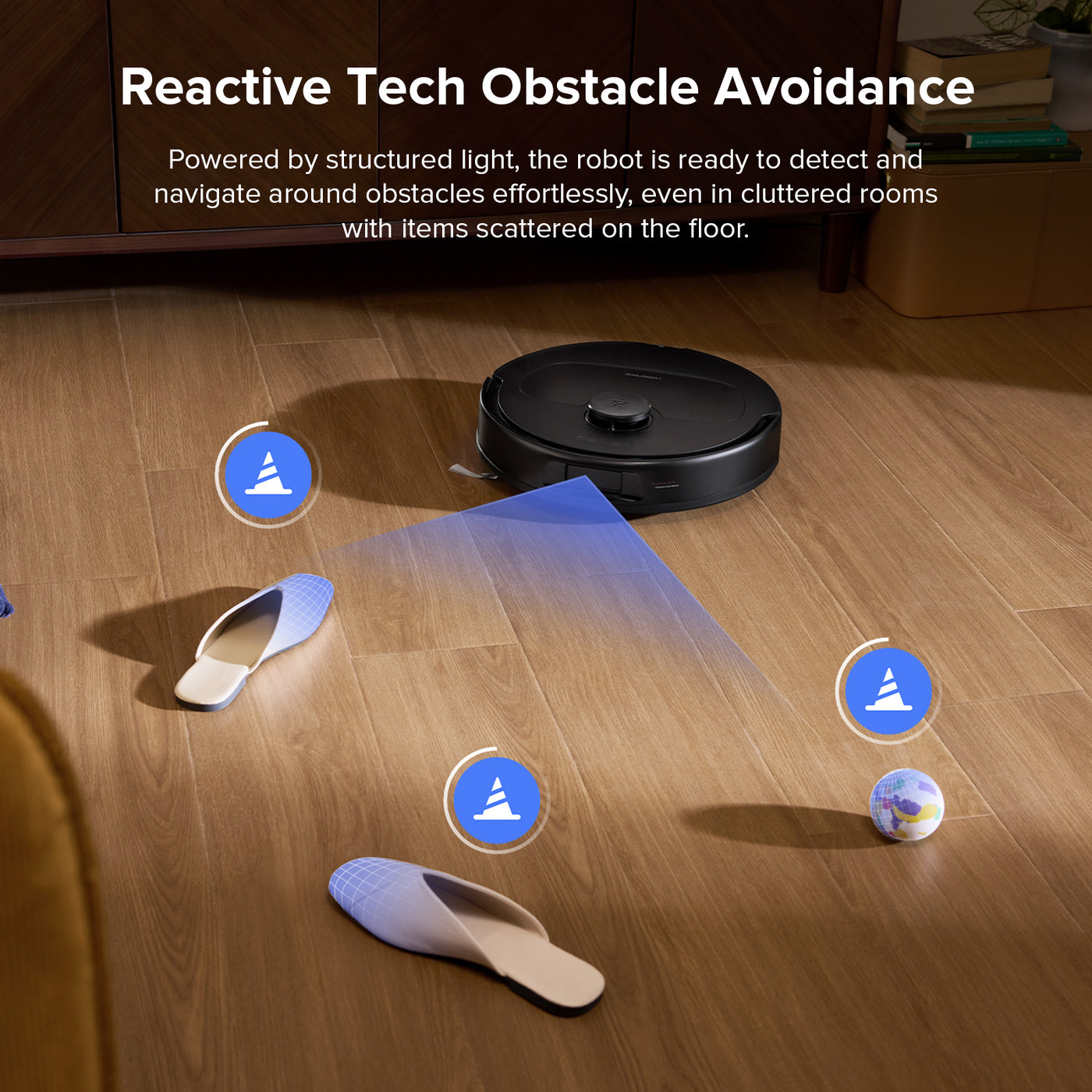
Smart vacuums scan their surroundings as they clean. They detect new objects and adjust their route instantly. This helps avoid collisions with furniture or pets. The robot remembers obstacle locations to improve future cleaning paths. Real-time updates make navigation smoother and safer.
Challenges In Navigation
Robot vacuum cleaners face many challenges while moving around a home. Their job is to clean floors without getting stuck or missing spots. Navigating obstacles is one of the hardest tasks for these robots. They must understand their environment and react quickly.
Different types of obstacles cause different problems. Some obstacles are easy to see. Others are small or move around. The vacuum needs smart sensors and clever software to handle these situations well.
Handling Complex Furniture Layouts
Homes often have many furniture pieces close together. Tables, chairs, and sofas create tight spaces. Robot vacuums must find paths through these narrow areas. They use sensors to detect edges and avoid bumping. Mapping helps the robot plan the best route.
Avoiding Small And Low-profile Objects
Small items like socks, toys, or cables can block the robot. These objects are hard to see because they are low to the floor. The vacuum’s sensors must be sensitive to detect these dangers. Skipping over small obstacles prevents damage to both the robot and the item.
Dealing With Pets And Moving Obstacles
Pets move unpredictably and can confuse the robot’s sensors. The vacuum needs to stop or change direction quickly. Some robots can recognize pets and avoid disturbing them. This helps keep pets safe and the cleaning process smooth.
Frequently Asked Questions
How Do Robot Vacuums Detect Obstacles?
Robot vacuums use sensors like infrared, ultrasonic, and bump sensors to detect obstacles. These sensors help the vacuum identify objects and avoid collisions. This technology allows smooth navigation and efficient cleaning around furniture and other household items.
What Navigation Systems Do Robot Vacuums Use?
Robot vacuums commonly use LiDAR, camera-based mapping, or gyroscopic sensors. These systems create maps of your space for precise navigation. They enable the vacuum to plan cleaning routes and avoid obstacles effectively.
Can Robot Vacuums Clean Around Pet Messes And Toys?
Yes, advanced sensors and obstacle detection allow robot vacuums to avoid pet messes and toys. Some models have specific algorithms to recognize and bypass these obstacles. This ensures thorough cleaning without spreading debris.
How Do Robot Vacuums Handle Unexpected Obstacles?
When encountering unexpected obstacles, robot vacuums slow down and change direction. They use their sensors to reassess the path and avoid collisions. This adaptive behavior helps maintain cleaning efficiency and protects household items.
Conclusion
Robot vacuum cleaners use smart sensors to move around obstacles. They detect walls, furniture, and other objects to avoid bumps. These vacuums map rooms for better cleaning paths. Some models use cameras or lasers for more accuracy. This helps them clean efficiently without missing spots.
Their technology keeps improving every year. Choosing the right robot vacuum means better cleaning with less effort. Understanding how they navigate helps you trust their performance. Smart design makes your home cleaner and life easier.