When someone you care about is in the hospital, you want them to get the best care possible. For people who are very sick or seriously injured, the Intensive Care Unit (ICU) becomes their lifeline. ICU beds are not like normal hospital beds—they are packed with features and connected to advanced machines. But what makes these beds so special? And how do they actually help patients recover faster and better?
This article explores the many ways ICU beds improve patient recovery. We will look at the technology, the comfort, the safety measures, and the teamwork that happens around these beds. You will also find real examples, expert insights, and answers to common questions.
If you want to understand how ICU beds make a difference, this guide covers everything you need to know.
What Makes Icu Beds Different From Regular Hospital Beds?
ICU beds are designed for critical care. This means they have special features to help both patients and the medical teams. Unlike standard hospital beds, ICU beds must respond to sudden changes in a patient’s health. They are built for emergencies, continuous monitoring, and for providing life-saving treatments.
Some key differences include:
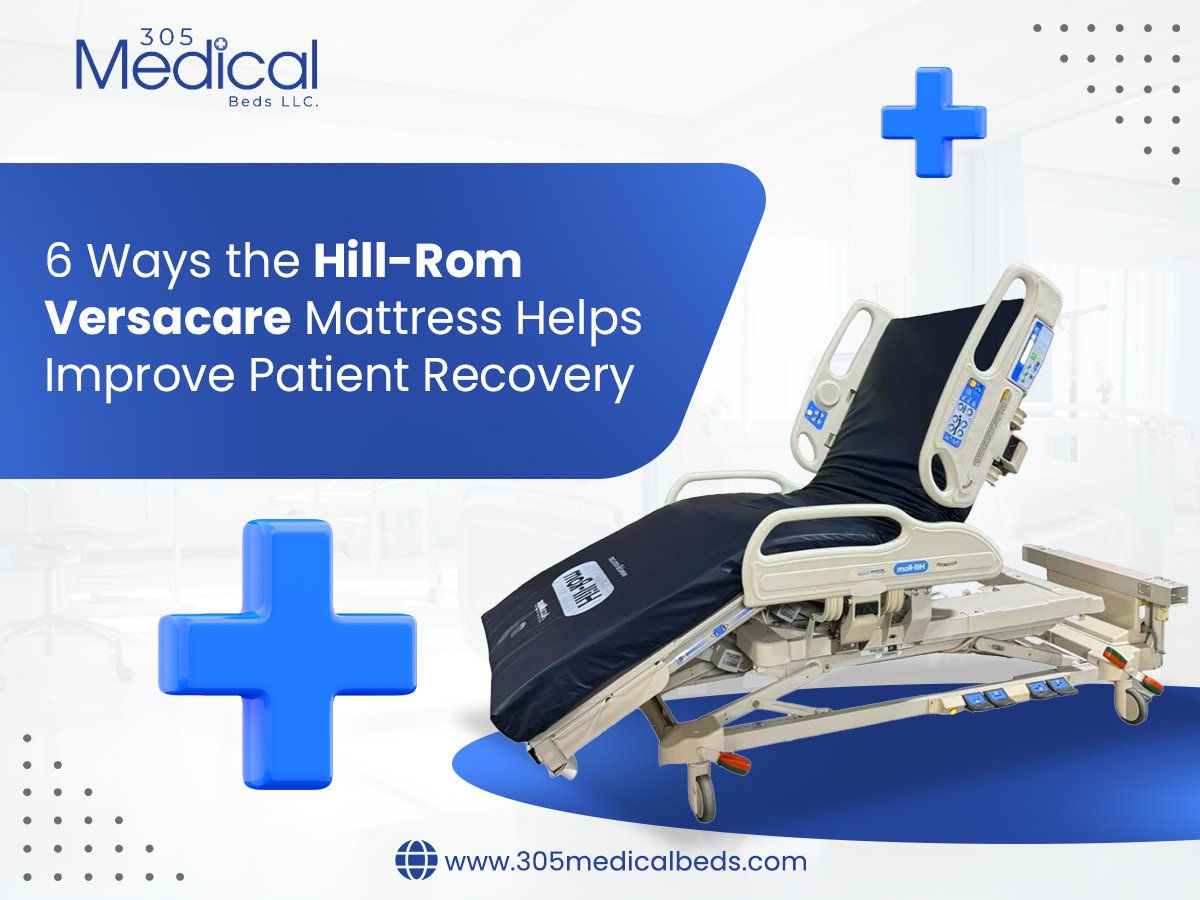
- Advanced adjustability: ICU beds can tilt, raise, or lower in many ways, helping staff position patients for the best breathing and comfort.
- Integrated monitoring: Many ICU beds connect directly to monitors that track heart rate, blood pressure, and oxygen.
- Support for medical devices: These beds have rails, ports, and power sources for equipment like ventilators and infusion pumps.
- Enhanced safety: Built-in alarms and side rails reduce the risk of falls and help staff respond quickly to problems.
- Easy cleaning and infection control: Materials and design make it simple to clean and disinfect.
How Icu Beds Help With Faster And Better Recovery
The main goal in the ICU is to help the body heal, prevent complications, and support vital organs. ICU beds play a direct role in this process.
1. Preventing Bed Sores And Skin Problems
Patients in the ICU often cannot move on their own. Staying in one position for too long can cause pressure ulcers (bed sores), which are painful and slow recovery. ICU beds usually have pressure-relieving mattresses. These can:
- Adjust firmness automatically
- Inflate or deflate in different areas
- Redistribute weight as needed
This technology reduces pressure on the skin and helps blood flow, which lowers the risk of sores. In severe cases, beds can turn or tilt the patient regularly without needing extra staff.
2. Making Breathing Easier
Many ICU patients have trouble breathing and need ventilators. The position of the body affects lung function. ICU beds can be adjusted to:
- Raise the head (Fowler’s or Semi-Fowler’s position) to help lungs expand
- Tilt the bed (Trendelenburg or reverse Trendelenburg) for better oxygen flow
- Prone positioning (lying on the stomach), which is useful in conditions like ARDS (Acute Respiratory Distress Syndrome)
These adjustments are crucial for lung health, especially for patients with pneumonia, COVID-19, or severe asthma.
3. Supporting Early Mobility And Rehabilitation
Lying in bed for days or weeks can lead to muscle weakness and joint stiffness. Early mobility is proven to speed up recovery. Modern ICU beds help in several ways:
- In-bed cycling: Some beds have pedals for passive or active exercise.
- Safe exits: Beds can lower to the floor and lock in place for safer movement.
- Built-in support handles: Help patients sit up or stand with less risk.
By making movement easier and safer, ICU beds help patients regain strength faster.
4. Improving Infection Control
Infections are a big danger in the ICU. ICU beds are built with materials that resist germs and are easy to clean. Features include:
- Antimicrobial surfaces
- Seamless design (fewer cracks for bacteria to hide)
- Removable parts for deep cleaning
Some advanced beds even have UV cleaning systems built in. With these features, hospitals can reduce the spread of dangerous bacteria like MRSA or C. difficile.
5. Enhancing Patient Monitoring
ICU beds often connect directly to patient monitors. This allows nurses and doctors to:
- See real-time data (heart rate, blood pressure, oxygen levels)
- Set alarms for dangerous changes
- Track trends over hours or days
This integration means staff can react faster to problems. For example, if a patient’s heart stops, the bed can alert staff instantly, and the bed can be adjusted quickly for CPR.
6. Reducing Falls And Injuries
ICU patients are weak and can be confused due to their illness or medications. Falls are a big risk, especially if a patient tries to get out of bed alone. ICU beds have:
- Built-in side rails that are high and lockable
- Bed exit alarms that alert nurses if a patient tries to get up
- Low beds that reduce injury if a fall does happen
By preventing falls, the beds help patients avoid more injuries and setbacks.
7. Providing Better Comfort And Pain Control
Comfort is not just about feeling good—it can affect healing. ICU beds offer:
- Memory foam or gel mattresses
- Multiple position settings for legs, back, and head
- Temperature controls in some models
When patients are comfortable, they can rest and sleep better, which supports the body’s healing process. Less pain also means fewer painkillers, which can have side effects.
8. Supporting Life-saving Procedures
In emergencies, every second counts. ICU beds are designed to help staff perform procedures quickly and safely. For example:
- Quick height adjustment for CPR or surgery
- X-ray transparency: Some beds allow imaging without moving the patient
- Easy access: Removable rails and open design let staff work from any side
This means less delay and lower risk when patients need urgent treatment.
9. Allowing Teamwork And Family Involvement
Recovery in the ICU is a team effort. ICU beds are designed so that nurses, doctors, therapists, and family members can all work together. Features include:
- 360-degree access around the bed
- Integrated scales for daily weight checks
- Communication systems built into the bed for calling staff
Some beds also have space and chairs for family, which can reduce stress and support emotional healing.
Icu Bed Features That Directly Impact Recovery
Understanding the specific features of ICU beds can help you see how they help patients day to day.
| Feature | How It Helps Recovery |
|---|---|
| Electronic controls | Allow quick and precise positioning to improve breathing, comfort, and safety |
| Integrated scales | Track weight changes, which helps doctors spot fluid build-up or loss |
| Bed exit alarms | Reduce risk of falls by alerting staff if a patient tries to get up |
| IV pole and equipment mounts | Keep life-saving devices close and organized |
| Antimicrobial materials | Lower the chance of infection |
| Radiolucent platform | Allows X-rays and scans without moving the patient |
The Role Of Icu Beds In Specific Health Conditions
ICU beds are used for many reasons. Here are some examples of how they help in different cases:
Cardiac (heart) Problems
Patients recovering from heart attacks or surgery need close monitoring. ICU beds can be adjusted quickly if the patient’s blood pressure drops or if they need CPR. The built-in defibrillator paddles in some beds also help restart the heart in emergencies.
Stroke
After a stroke, a patient may not be able to move one side of the body. ICU beds can tilt and move the patient gently to prevent blood clots and pressure sores. Early movement and safe transfers are critical for preventing long-term disability.
Trauma And Severe Injuries
For patients with broken bones or head injuries, any movement can be risky. ICU beds allow X-rays and other imaging right in the bed. Staff can also control the bed remotely, so they don’t have to disturb the patient.
Severe Infections (sepsis)
Sepsis can make blood pressure drop suddenly. ICU beds can be tilted quickly (Trendelenburg position) to keep blood flowing to the brain and organs until medications work.
Respiratory Failure
Conditions like COVID-19 or pneumonia may need special breathing support. ICU beds make prone positioning (lying on the stomach) easier and safer, which is proven to improve oxygen levels in severe lung problems.
How Icu Beds Support Medical Teams
A patient’s recovery in the ICU depends not only on the bed, but also on the teamwork and workflow around it. ICU beds are designed to support the staff as much as the patient.
1. Quick Response To Emergencies
If a patient’s condition changes suddenly, staff need to act fast. ICU beds allow:
- Rapid lowering or raising for CPR or procedures
- “One-touch” buttons for emergency positions
- Space for several people to work at once
This saves precious seconds and can be life-saving.
2. Reducing Staff Injury And Fatigue
Lifting and moving patients is hard work. ICU beds with motorized movements and slide sheets make it safer for staff to reposition patients. This reduces back injuries and helps staff focus on care, not heavy lifting.
3. Better Communication
Some ICU beds have screens or lights to show the patient’s needs (for example, “turn every 2 hours” or “do not move”). This helps everyone on the team stay informed and work together efficiently.
4. Accurate Data Collection
Integrated scales and monitors let nurses track changes in weight, fluids, and vital signs without moving the patient. This data helps doctors make faster, better decisions.
Comparing Icu Beds To Standard Hospital Beds
The differences between ICU beds and regular hospital beds are significant. Here’s a simple comparison:
| ICU Bed | Standard Bed |
|---|---|
| Multiple electronic adjustments | Basic manual adjustments |
| Built-in monitoring and alarms | Usually no monitoring features |
| Pressure-relieving mattresses | Standard foam or spring mattress |
| Antimicrobial materials | Standard materials |
| Emergency access and mobility aids | Limited access and aids |
| Supports advanced procedures | Not suitable for critical care |
The Psychological Impact Of Icu Beds
Recovery is not only physical. The ICU can be a scary place. ICU beds can reduce fear and anxiety in several ways:
- More comfort means less pain and better sleep.
- Family-friendly design helps loved ones stay close, supporting emotional health.
- Noise reduction: Some ICU beds have quiet motors, so patients can rest better.
- Personal controls: Some models let patients adjust lighting or call for help, giving them a sense of control.
Patients who feel safe, comfortable, and less stressed often recover faster and have better outcomes.
The Economic Impact: Reducing Hospital Stays And Costs
ICU beds are expensive, but they can actually save money in the long run. Here’s how:
- Shorter ICU stays: Faster recovery means patients leave the ICU sooner, opening space for others.
- Fewer complications: Preventing infections, sores, and falls reduces the need for extra treatment.
- Better outcomes: Patients who recover faster need less long-term care or rehabilitation.
A study published in *Critical Care Medicine* found that hospitals with modern ICU beds had 15-20% shorter ICU stays and fewer complications compared to those with basic beds.
Common Mistakes Or Misunderstandings About Icu Beds
Many people believe all hospital beds are the same. This is not true. Here are two insights that are often missed:
- Not all features are used: Sometimes, staff may not use all the bed’s advanced settings due to lack of training. Hospitals must train their teams so patients get all the benefits.
- Size and space matter: ICU beds are larger and need more space. If rooms are too crowded, the benefits are reduced because staff cannot move freely or bring in equipment.
Real-world Example: Icu Beds During The Covid-19 Pandemic
The COVID-19 pandemic showed the world how important ICU beds are. Hospitals that had advanced ICU beds could:
- Turn patients safely for prone ventilation
- Connect multiple monitors for real-time data
- Adjust beds quickly for emergencies
In Italy and the United States, hospitals with modern ICU beds reported lower death rates and faster recovery for COVID-19 patients compared to those with older beds (according to the World Health Organization).

Future Trends: Smarter Icu Beds
ICU beds continue to improve as technology advances. Some features we may see more of:
- Smart beds that use artificial intelligence to predict patient needs
- Wireless monitoring that sends alerts to staff smartphones
- Voice controls so patients can adjust the bed without help
- Remote monitoring for families to check in on their loved ones
These advances will likely make ICU care even safer and more comfortable.
Practical Tips For Patients And Families
If your loved one is in the ICU, here are a few tips to get the most from their ICU bed:
- Ask questions: Don’t hesitate to ask nurses how the bed helps your family member.
- Request adjustments: If your loved one seems uncomfortable, ask staff to adjust the bed’s position.
- Watch for skin changes: If you notice redness or sores, tell the medical team. Beds can be adjusted to relieve pressure.
- Get involved: Family presence can help with emotional recovery and communication with the medical team.
Frequently Asked Questions
What Is The Difference Between An Icu Bed And A Regular Hospital Bed?
ICU beds have advanced features like electronic controls, built-in monitors, and pressure-relieving mattresses. They are designed for patients who need constant care and quick medical response, unlike regular beds, which are for general patients.
How Do Icu Beds Help Prevent Infections?
ICU beds use antimicrobial materials and have designs that are easy to clean. This reduces the risk of spreading bacteria and viruses, which is very important in critical care settings.
Can Icu Beds Help With Breathing Problems?
Yes, ICU beds can be adjusted to positions that make breathing easier. For example, raising the head or using prone positioning can improve oxygen flow, which is vital for patients with lung issues.
Why Is Early Mobility Important, And How Do Icu Beds Support It?
Early mobility prevents muscle loss and joint stiffness. ICU beds with in-bed exercise options, safe exits, and support handles help patients start moving sooner, which speeds up recovery.
Are All Icu Beds The Same In Every Hospital?
No, ICU beds vary by brand, features, and technology. Some hospitals may have the latest smart beds, while others have basic models. However, all ICU beds should support critical care needs.
For more technical details, you can visit the Wikipedia page on Intensive Care Units.
ICU beds are much more than a place to rest—they are powerful tools that help save lives, speed up recovery, and support both patients and the medical teams who care for them. As technology improves, these beds will only become more helpful for people in their most critical moments.
If you ever find yourself or a loved one in the ICU, you can be confident that the right bed can make a real difference.