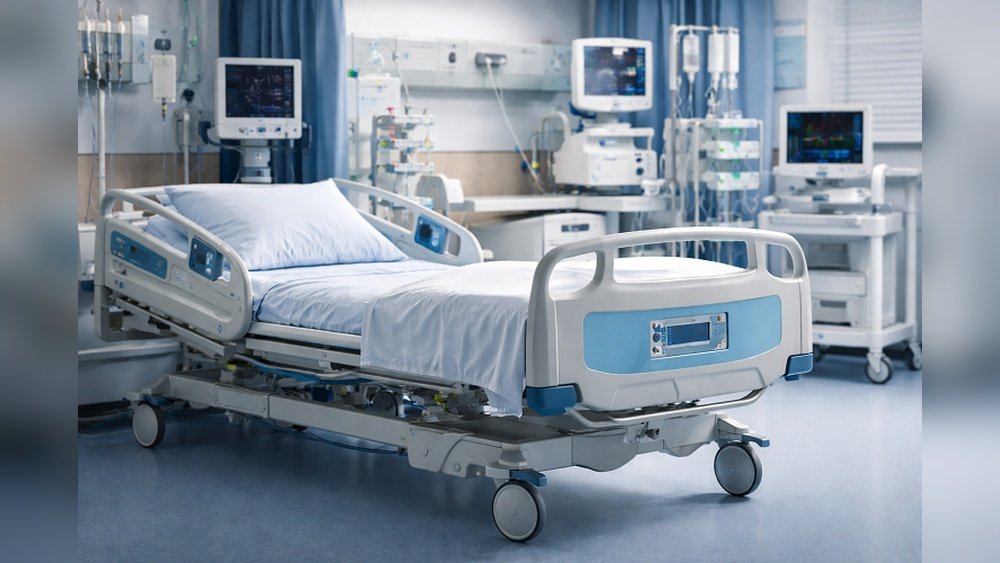
When someone is fighting for their life, every second counts. In hospitals, the Intensive Care Unit (ICU) is where the most seriously ill patients receive special care. But what makes these beds and spaces so important? ICU beds are not just regular hospital beds—they are a complete support system packed with advanced technology, allowing doctors and nurses to save lives in ways that would not be possible elsewhere. If you or your loved one ever needs an ICU bed, understanding how it helps can provide comfort and clarity during a difficult time.
What Makes An Icu Bed Different?
At first glance, a hospital bed might look similar in every department. However, ICU beds are specially designed for patients who need close monitoring and intensive medical care. These beds offer features that regular beds do not have.
- Adjustability: ICU beds can be moved in many directions—raising the head, feet, or entire bed. This helps with patient comfort and assists with medical needs, such as improving breathing.
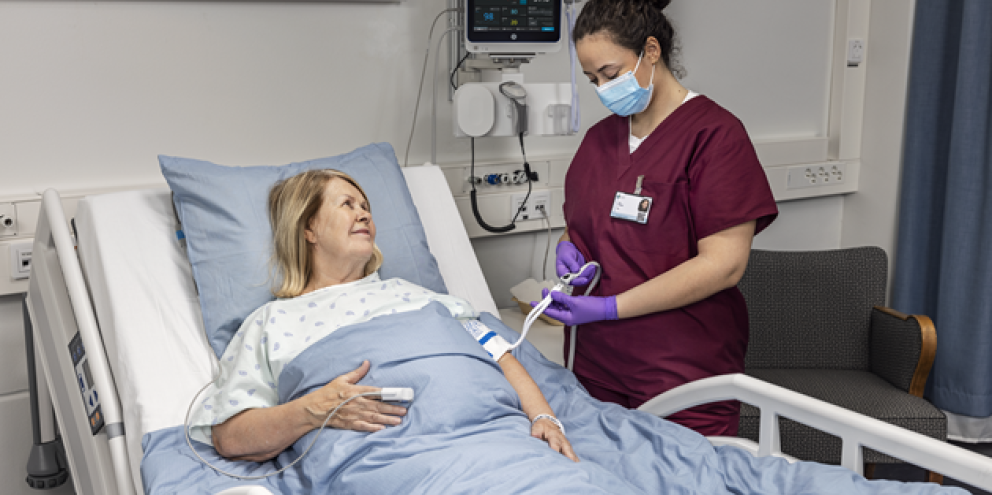
- Built-in Monitoring: Many ICU beds come with connections for machines that check heart rate, oxygen levels, and blood pressure.
- Emergency Access: The beds can quickly move or flatten to allow doctors and nurses to perform emergency treatments without delay.
- Support for Medical Devices: ICU beds are built to hold and connect with ventilators, IV pumps, and other life-saving tools.
These differences are not just about comfort; they are about survival. For example, if a patient suddenly cannot breathe, the bed’s design allows for fast placement of a breathing tube or a quick switch to a manual resuscitator.
Key Functions Of Icu Beds
The role of an ICU bed goes far beyond just a place to lie down. Each function is designed to support survival and recovery.
1. Continuous Patient Monitoring
Critically ill patients can have rapid changes in their health. ICU beds are surrounded by monitors tracking vital signs every second. This includes:
- Heart rate
- Blood pressure
- Oxygen saturation
- Respiratory rate
- Temperature
If any value becomes dangerous, alarms sound instantly. Nurses and doctors can respond within seconds. In regular hospital rooms, these alerts might be missed, but in the ICU, they are impossible to ignore.
2. Support For Life-saving Equipment
Many ICU patients cannot breathe, eat, or move on their own. The bed’s design allows easy attachment of:
- Ventilators: Machines to support or take over breathing.
- Infusion pumps: For delivering medicine, nutrients, or fluids.
- Dialysis machines: For patients whose kidneys are failing.
- Suction devices: To clear airways.
The bed’s structure makes it possible to use all this equipment without moving the patient, which reduces risks and keeps care efficient.
3. Infection Control
Critically ill patients are at high risk of infection. ICU beds use materials and surfaces that are easy to clean and resistant to bacteria. Some beds even have features like antimicrobial coatings or UV lights to lower the risk of spreading germs. This is essential, as even a small infection can be deadly for someone already fighting a severe illness.
4. Pressure Injury Prevention
When patients cannot move, their skin is at risk of developing sores or ulcers from constant pressure. ICU beds often have:
- Specialized mattresses that redistribute weight
- Automatic turning systems to move the patient gently
- Adjustable firmness to reduce pressure points
These features protect the skin and underlying tissue, preventing painful and dangerous wounds.
5. Quick Access For Medical Staff
In emergencies, every second is vital. ICU beds are designed with removable sides and low heights, so doctors and nurses can reach the patient quickly from any angle. This is important for:
- CPR (chest compressions)
- Placing central lines or catheters
- Wound care
The design reduces delays, giving patients the best chance of survival.
6. Comfort And Family Support
While survival is the main goal, comfort is also important. ICU beds offer:
- Multiple positions for sitting or reclining
- Space for family visits, which can improve a patient’s mood and recovery
- Built-in controls for patients to adjust the bed themselves (if they are able)
Comfort matters, especially during long ICU stays, as it can reduce stress and help healing.

How Icu Beds Improve Patient Outcomes
The advanced features of ICU beds are not just for show—they make a real difference. Studies have shown that intensive care units with modern beds and technology have higher survival rates for severe illnesses like pneumonia, sepsis, or trauma.
Faster Response To Crises
Because ICU beds are surrounded by monitors and allow instant access, staff can respond to crises faster. For example, if a patient’s heart stops, the team can begin CPR within seconds. This speed can mean the difference between life and death.
Reduced Complications
Patients who cannot move are at risk for bedsores, blood clots, and pneumonia. ICU beds help:
- Prevent bedsores with pressure-reducing surfaces
- Support breathing with adjustable positions
- Lower blood clot risk by encouraging gentle movement
This attention to detail prevents problems that might keep a patient in the hospital longer or even threaten their life.
Better Recovery Chances
The combination of monitoring, quick interventions, and comfort gives patients a better chance to recover. Many people leave the ICU alive and able to return to normal life because of these beds and the care they make possible.
Icu Bed Technology: Features That Matter Most
Let’s look more closely at the features that make ICU beds stand out. Understanding these can help families know what to expect and why each detail matters.
Advanced Adjustability
ICU beds can be raised, lowered, or tilted in many ways. This helps with:
- Breathing: Raising the head can make it easier for patients to breathe
- Blood flow: Moving the legs can improve circulation and reduce swelling
- Medical procedures: Adjusting the bed makes it easier for staff to perform treatments safely
Some beds even have memory functions, so the staff can return to a preferred position with the push of a button.
Integrated Scales
Weight changes can signal problems like fluid overload or dehydration. Many ICU beds have built-in scales, allowing nurses to weigh the patient without moving them. This is especially useful for patients attached to many machines.
Smart Alarms And Connectivity
Modern ICU beds can connect to hospital networks. If something goes wrong, an alert can go straight to the nurse’s phone or the main control room. This means less waiting and faster treatment.
Specialized Surfaces
Some ICU beds use air-fluidized or low-air-loss mattresses. These surfaces adjust automatically to the patient’s shape and weight, reducing pressure and moisture—two key causes of skin problems.
Safety Features
Falls are a risk, even in the ICU. Many beds include:
- Bed exit alarms: Alert staff if a confused or restless patient tries to get up
- Low bed heights: To reduce injury risk if someone falls
- Locking wheels: For stability during treatments
These features keep patients safe from accidental harm.
Comparing Icu Beds To Regular Hospital Beds
How do ICU beds compare to standard hospital beds? The differences are not always obvious to families. The table below highlights some key points:
| Feature | ICU Bed | Regular Bed |
|---|---|---|
| Adjustability | Multiple positions, electronic controls | Basic head/foot movement |
| Integrated Monitoring | Yes, for vital signs and alarms | No |
| Support for Equipment | Ventilators, pumps, dialysis, etc. | Limited |
| Infection Control | Special coatings, easy cleaning | Standard surfaces |
| Pressure Relief | Advanced mattresses, auto turning | Basic mattress |
| Emergency Access | Removable sides, quick flattening | Manual adjustments |
The ICU bed’s extra features directly address the needs of critically ill patients and the demands of intensive care.
Common Scenarios Where Icu Beds Save Lives
ICU beds are not just for one type of illness. They help in many life-threatening situations:
- Severe infection (sepsis): Patients may need machines to support their organs and constant medication adjustments.
- Heart attack or cardiac arrest: Quick access for CPR and monitoring is crucial.
- Stroke: Patients need careful positioning and close watching for brain swelling or breathing problems.
- Respiratory failure: Ventilators can be attached easily, and the bed can be positioned to help with breathing.
- Major surgery recovery: After big operations, close monitoring and specialized support prevent complications.
In each of these cases, the ICU bed is central to the treatment plan—not just a place to rest, but a tool that helps keep the body’s systems working.
The Human Side: How Icu Beds Help Families And Staff
An ICU stay is stressful for families as well as patients. The bed’s design can help in unexpected ways.
Emotional Support For Families
Being able to visit and sit close to a loved one, even if they are unconscious, can be comforting. Many ICU beds are designed with extra space or fold-out chairs so family can be present, which studies show helps with patient recovery.
Reducing Staff Strain
Caring for critically ill patients is hard work. ICU beds with easy controls, built-in scales, and automatic features reduce the physical strain on nurses and allow them to focus more on the patient’s needs rather than moving heavy equipment or adjusting beds by hand.
Icu Bed Innovations: What’s Next?
Technology is always moving forward. New ICU bed designs are focusing on:
- Wireless monitoring: Fewer wires mean less risk of tangling and more comfort for patients.
- Remote controls: Allowing staff to adjust beds from a distance, reducing contact (important during infectious disease outbreaks).
- Smart data collection: Beds that track and report patient trends, helping doctors spot problems earlier.
- Personalization: Beds that learn the patient’s preferred positions and adjust automatically for comfort and safety.
These innovations aim to improve both survival rates and the experience of being in the ICU.
The Cost And Accessibility Of Icu Beds
One challenge is that ICU beds are expensive. A single bed can cost tens of thousands of dollars, and the equipment around it adds even more to the price. This can make access difficult in low-resource hospitals or countries. In some cases, hospitals must decide who gets an ICU bed during a crisis, which is a difficult ethical problem.
But studies show that investing in ICU care saves lives and can even reduce long-term health costs by helping people recover more fully and quickly. Expanding ICU access is a key goal for many health systems around the world.
Icu Beds During Pandemics And Disasters
The COVID-19 pandemic showed the world how important ICU beds are. Hospitals that had enough ICU beds and ventilators were able to save more lives. Those without enough beds faced painful choices.
During disasters or outbreaks, hospitals may add temporary ICU beds or convert other rooms. However, these “makeshift” beds do not offer all the features of true ICU beds, which can affect patient care. Planning for future emergencies means making sure every hospital has enough ICU resources for the worst-case scenario.

The Patient Experience: Life In An Icu Bed
Being in the ICU is frightening for patients and families. Patients may be unable to speak or move, but the bed’s design allows them some control—such as adjusting their position for comfort or signaling for help with a button. Good beds also reduce noise and vibration, which can help patients rest and heal.
Patients often remember how staff cared for them, but also the environment—the comfort of the bed, the ability to see loved ones, and feeling safe even when they could not talk or move. These details matter for mental health and recovery after leaving the ICU.
Challenges And Limitations
ICU beds are powerful tools, but they are not a magic solution. Some patients are too sick to recover, even with the best bed and care. Others may develop complications, such as delirium (confusion), weakness, or infections, despite every precaution.
Another challenge is making sure ICU beds are used for those who truly need them. Sometimes, patients might be kept in the ICU longer than necessary, which can prevent others from getting urgent care. Hospitals must balance these needs carefully.
Training And Teamwork: Getting The Most From Icu Beds
The best ICU bed is only as good as the team that uses it. Nurses, doctors, and therapists must be trained not just in medicine, but in using the bed’s features correctly. For example:
- Knowing when and how to adjust the bed for breathing or pressure relief
- Responding to alarms without delay
- Using special mattresses to prevent skin problems
Teamwork is also key. The ICU is busy and stressful, and clear communication ensures that the right actions are taken at the right time.
Icu Bed Allocation: Ethics And Decision Making
When resources are limited, hospitals must decide who gets an ICU bed. This is a tough decision, often guided by:
- Severity of illness
- Chance of recovery
- Patient wishes and family input
Most hospitals have policies and ethics committees to help with these choices, but it is never easy. The goal is always to use beds in a way that saves the most lives.
Icu Beds Around The World: Differences And Similarities
Not all hospitals or countries have the same ICU resources. For example:
- Wealthy countries like the United States and Germany have more ICU beds per person than countries like India or Brazil.
- Some hospitals have private ICU rooms with advanced beds, while others use shared spaces with fewer features.
The table below shows differences in ICU bed availability in selected countries:
| Country | ICU Beds per 100,000 People | Key Features |
|---|---|---|
| United States | 34.7 | Advanced monitoring, private rooms |
| Germany | 29.2 | Modern beds, high nurse ratio |
| India | 2.3 | Limited beds, shared equipment |
| Brazil | 9.1 | Mixed public/private access |
| South Africa | 3.6 | Resource challenges |
The need for better ICU access is a global issue, and sharing knowledge and resources can help save more lives.
Real-world Example: The Impact Of Icu Beds
Consider a patient with severe pneumonia who cannot breathe on their own. In a regular bed, it is hard to attach a ventilator or monitor changes in breathing. In an ICU bed:
- The head can be raised to ease breathing
- A ventilator is connected with space for tubes and wires
- Nurses watch vital signs on the bed’s monitor
- The mattress prevents sores during days of immobility
Without this support, the patient’s chance of survival would be much lower. ICU beds enable high-level care that saves thousands of lives every year.
Non-obvious Insights About Icu Beds
Many people do not realize:
- ICU beds are part of a system: They work best when combined with trained staff, fast lab testing, and easy access to medicines and equipment.
- Not every patient needs all features: Some patients may only need close monitoring for a short time, but the flexibility of the bed means it can be adapted as the situation changes.
- Bed design can affect long-term outcomes: Patients who avoid bedsores, infections, and confusion in the ICU often recover faster and return home sooner.
- Simple comfort features matter: A quiet motor or easy-to-reach call button can reduce stress for both patients and families.
Understanding these details helps families ask good questions and advocate for their loved one’s care.
Choosing The Right Icu Bed: What Matters?
If you are involved in choosing an ICU bed for a hospital or clinic, consider:
- Patient needs: Will the bed support breathing machines, dialysis, and other equipment?
- Ease of cleaning: To prevent infections, surfaces must be easy to disinfect.
- Adjustability: More positions mean better comfort and care.
- Reliability: Does the bed have backup power in case of outage?
- Cost vs. benefit: The most expensive bed is not always the best, but cheap beds may lack safety features.
For more details on modern ICU technology, see the Wikipedia ICU page.
Frequently Asked Questions
What Is The Main Purpose Of An Icu Bed?
The main purpose of an ICU bed is to provide a safe, adaptable place for critically ill patients, making it easier for medical teams to monitor, treat, and support life functions with advanced technology and quick access during emergencies.
Can Regular Hospital Beds Be Used In The Icu?
While possible in emergencies, regular beds do not offer the same monitoring, adjustability, or support for life-saving equipment. This can slow down care and increase risks for critically ill patients.
How Do Icu Beds Prevent Pressure Sores?
ICU beds often use special mattresses that distribute weight, automatic turning features, and moisture control to reduce pressure on the skin, which lowers the risk of painful and dangerous bedsores.
Are Icu Beds Comfortable?
Yes, most modern ICU beds focus on comfort as well as safety. They offer multiple positions, quiet motors, and features like built-in controls so patients can adjust their position for better rest and relief from pain.
Why Are There Not Enough Icu Beds In Some Hospitals?
ICU beds are expensive and require trained staff and special equipment. Many hospitals, especially in low-resource areas, cannot afford enough beds, leading to shortages during crises like pandemics or natural disasters.
An ICU bed is much more than a piece of furniture—it is a life-saving tool, a comfort for families, and a vital part of modern health care. Knowing how these beds work can help you understand the care your loved one receives and appreciate the skill and dedication of ICU teams worldwide.