Are you tired of feeling sore and uncomfortable after sitting for hours? Choosing the right chair can make all the difference.
But how do you know if a chair is truly ergonomic and designed to support your body? This guide will help you spot the key features that keep you comfortable and healthy, so you can work or relax without pain.
Keep reading to discover simple tips that can transform your sitting experience and protect your well-being every day.
Ergonomic Chair Basics
An ergonomic chair helps you sit comfortably and safely for long hours. It supports your body and reduces strain. Knowing the basics can help you choose the right chair.
Good posture starts with a good chair. Ergonomic chairs adjust to your body. This helps prevent pain and tiredness.
What Makes A Chair Ergonomic
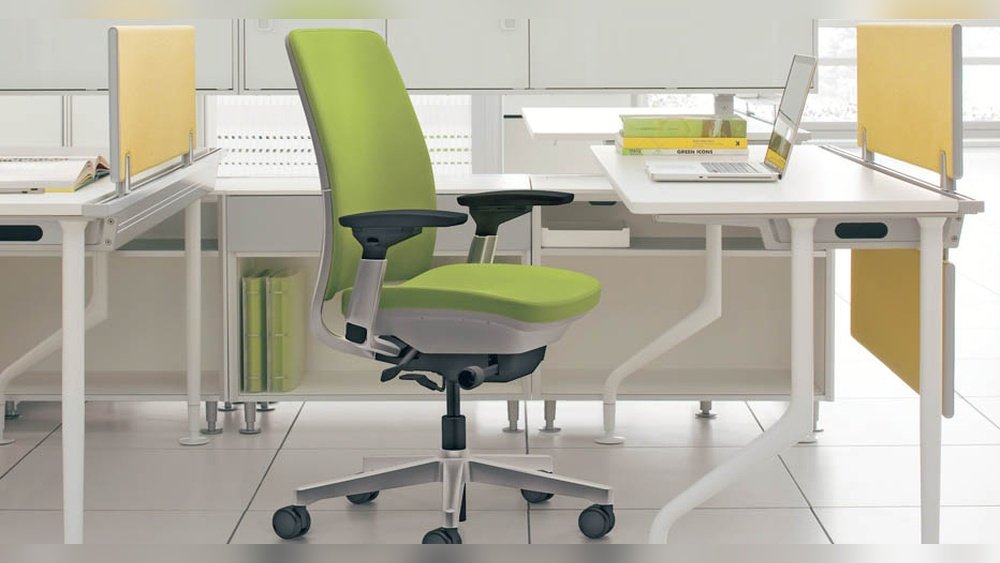
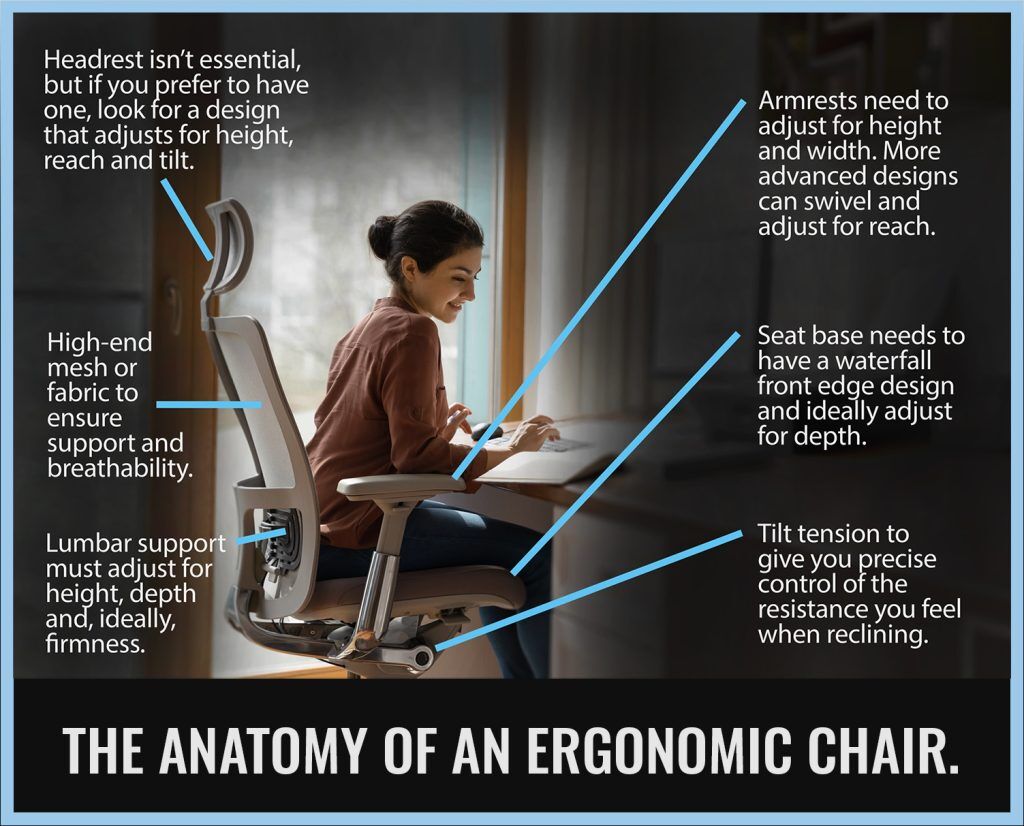
An ergonomic chair has features that support your body’s natural shape. It has adjustable height to fit your desk and legs. The backrest supports the curve of your spine. Armrests keep your shoulders relaxed. A seat that tilts slightly forward helps reduce pressure on your hips.
Breathable materials keep you cool. A swivel base allows easy movement. These features reduce stress and improve comfort.
Importance Of Ergonomics
Ergonomics prevents pain in your back, neck, and shoulders. Sitting in a bad chair can cause long-term damage. An ergonomic chair helps you stay healthy and focused.
Comfort improves your work quality. Less pain means fewer breaks and better energy. Ergonomic chairs support your body to work better and feel better.

Adjustability Features
Adjustability features are key to identifying an ergonomic chair. These features let you change the chair to fit your body perfectly. A well-adjusted chair supports your posture and reduces strain during long sitting hours. Understanding these adjustments helps you choose a chair that feels comfortable and healthy.
Seat Height And Depth
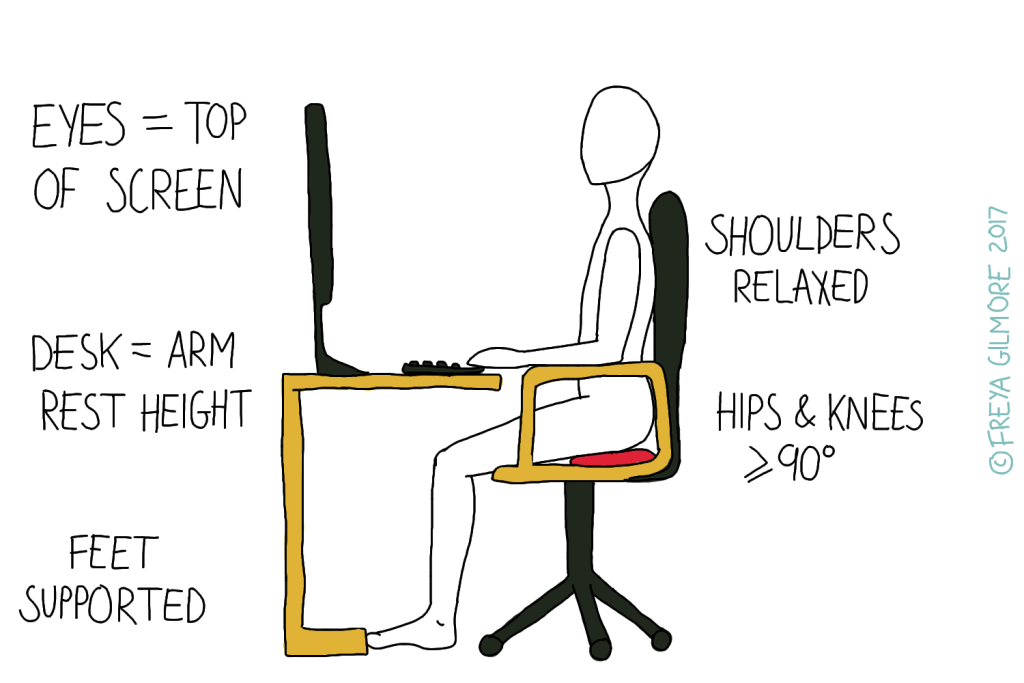
Seat height should be easy to change. It helps keep your feet flat on the floor. Your knees should be at a 90-degree angle. Seat depth matters too. It should support most of your thighs without pressing behind your knees. Adjustable seat depth prevents leg numbness and improves blood flow.
Backrest Tilt And Height
A good chair allows backrest tilt adjustments. It helps you lean back and relax your spine. You can find a comfortable angle for your back. Backrest height is also important. It should support the lower and middle back. Proper support helps keep the natural curve of your spine.
Armrest Adjustments
Armrests should move up and down. This adjustment lets your shoulders stay relaxed. Wide armrests that move sideways offer extra comfort. The right armrest height keeps your elbows close to your body. It reduces strain on your neck and shoulders.
Support Elements
Support elements are key to an ergonomic chair. They keep your body comfortable and healthy during long sitting hours. Good support reduces pain and helps maintain correct posture. Pay close attention to these parts when choosing a chair.
Lumbar Support
Lumbar support holds the lower back’s natural curve. It prevents slouching and reduces strain on your spine. Adjustable lumbar support is best. It lets you move the support to fit your back perfectly.
Seat Cushion Comfort
The seat cushion should be soft but firm. It must support your weight evenly. Too hard or too soft cushions cause discomfort. Look for cushions made with high-density foam or memory foam. These materials keep their shape and provide lasting comfort.
Headrest Functionality
A headrest supports your neck and head. It eases neck tension and prevents stiffness. Adjustable headrests allow you to find the right height and angle. Not all ergonomic chairs have a headrest, but it adds extra comfort, especially for long sitting periods.
Material And Build Quality
The material and build quality of a chair impact comfort and support. Good materials help the chair last longer. Strong construction keeps the chair safe to use. These factors affect how well the chair supports your body during long sitting sessions.
Breathable Fabrics
Breathable fabrics keep air flowing around your body. This prevents heat and sweat buildup. Mesh is a common breathable material for ergonomic chairs. It feels cool and light. Look for fabric that dries quickly and does not trap moisture.
Durability And Frame
A sturdy frame provides solid support. Metal frames are strong and last longer than plastic. Check if the chair has reinforced joints and welds. Quality frames avoid wobbling and breakage. Durability means the chair will hold up to daily use.
Mobility And Stability
Good wheels make moving easy on hard or soft floors. Look for smooth-rolling casters that lock in place. The base should be wide enough to keep the chair stable. Stability prevents tipping and helps maintain good posture.
User Experience Indicators
User experience indicators help identify an ergonomic chair. They show how well the chair supports your body during use. These signs focus on comfort and health benefits. They tell if the chair fits your needs for long sitting periods.
Promotes Good Posture
An ergonomic chair supports your spine’s natural curve. It keeps your back straight without forcing. Your shoulders stay relaxed, not hunched or tense. The chair’s height aligns your feet flat on the floor. This balance helps prevent slouching and back pain.
Reduces Pressure Points
The seat and backrest should feel soft but firm. They spread your body weight evenly across the surface. No part of your body should feel pinched or numb. Good cushioning stops pressure on hips and thighs. This comfort lowers risks of circulation problems.
Encourages Movement
An ergonomic chair lets you shift and move easily. It offers adjustable parts like armrests and tilt. Movement helps reduce stiffness and muscle strain. Small changes in position keep your body active. This feature supports long hours of sitting without pain.
Testing And Certification
Testing and certification help confirm if a chair supports good posture and comfort. They show the chair meets set rules for ergonomics. This information helps buyers choose a chair that protects their health.
Ergonomic Standards
Ergonomic standards set clear rules for chair design. These rules focus on support, adjustability, and comfort. The standards aim to reduce pain and improve sitting posture. Common standards include ISO 9241 and BIFMA. Chairs tested to these rules usually offer good ergonomic features.
Third-party Certifications
Independent groups test chairs to give certifications. These third-party checks make sure chairs meet ergonomic standards. Certifications like GREENGUARD or CertiPUR-US show safety and quality. Certified chairs often provide better comfort and durability. Look for these marks to find reliable ergonomic chairs.
Frequently Asked Questions
What Features Make A Chair Ergonomic?
Ergonomic chairs have adjustable height, lumbar support, and seat depth. They promote good posture and reduce strain. Look for breathable materials and swivel functions for comfort during long use.
How Can I Test If A Chair Is Ergonomic?
Sit with your feet flat and knees at 90 degrees. Check if the chair supports your lower back well. Adjust the height and armrests to see if they fit your body comfortably.
Why Is Lumbar Support Important In Ergonomic Chairs?
Lumbar support maintains the natural curve of your lower spine. It prevents back pain and improves posture during prolonged sitting. Proper support reduces pressure on spinal discs and muscles.
Are Ergonomic Chairs Suitable For All Body Types?
Yes, ergonomic chairs are designed to be adjustable. They accommodate different heights, weights, and body shapes. Customizing settings ensures comfort and proper support for most users.
Conclusion
Choosing an ergonomic chair helps protect your back and improve comfort. Check for adjustable height, good lumbar support, and a seat that fits your body. A chair that supports your posture reduces pain and fatigue. Spending time on a good chair makes work easier and healthier.
Trust your body’s signals and adjust the chair as needed. Small changes can make a big difference in how you feel every day. Keep these tips in mind to find the right ergonomic chair for you.