Are you tired of harsh smells and sticky residues after mopping your floors? What if you could make a simple, effective floor cleaner at home without using vinegar?
You’re about to discover easy recipes that leave your floors sparkling clean and fresh—no strong odors, no harsh chemicals. Keep reading, and you’ll find the perfect homemade floor cleaner that works for your home and your senses.
Benefits Of Homemade Floor Cleaners
Homemade floor cleaners offer many benefits. They provide a safe and effective way to keep floors clean. You control what goes into the cleaner, avoiding harsh chemicals. These cleaners work well without the strong smell of vinegar. Many people find them gentle on floors and easy to make at home.
Cost Savings
Making your own floor cleaner saves money. Store-bought cleaners can be expensive. Simple ingredients like baking soda, soap, and water cost less. You can mix only what you need, reducing waste. This helps keep your cleaning budget low.
Natural Ingredients
Homemade cleaners use natural ingredients. They avoid synthetic chemicals and toxins. Natural items like lemon juice and essential oils clean and freshen floors. These ingredients are gentle and safe to use daily. They also reduce the risk of allergies or skin irritation.
Safe For Pets And Kids
Many commercial cleaners contain harmful chemicals. These can be dangerous for children and pets. Homemade cleaners are safer because they use mild ingredients. You can clean your floors without worry. This creates a healthier home environment for everyone.
Eco-friendly Cleaning
Homemade cleaners reduce plastic waste from store-bought bottles. Using natural ingredients lowers pollution. These cleaners break down easily and do not harm the environment. Choosing homemade options helps protect water and soil quality. It supports a greener lifestyle with less chemical use.
Why Skip Vinegar In Floor Cleaners
Many homemade floor cleaner recipes include vinegar as a key ingredient. Vinegar is known for its natural cleaning and disinfecting properties. Still, it may not be the best choice for every floor type or every home. Skipping vinegar can prevent some common problems while keeping your floors clean and safe.
Surface Sensitivity
Some floor materials react poorly to vinegar. Stone floors like marble, granite, and limestone can etch or dull. Wood floors may lose their finish or get damaged over time. Vinegar’s acidity can wear down sensitive surfaces. Using a gentler cleaner protects these floors from harm.
Strong Odor
Vinegar has a sharp, strong smell many find unpleasant. The odor can linger in rooms for hours after mopping. This can bother people with sensitive noses or allergies. Skipping vinegar means no lingering vinegar smell in your home.
Potential Damage To Flooring
Repeated use of vinegar can weaken floor coatings and finishes. It may cause discoloration or fading on some floor types. Harsh acidity breaks down protective layers over time. Choosing a vinegar-free cleaner helps maintain your floor’s beauty longer.
Essential Ingredients For Vinegar-free Cleaners
Making a homemade floor cleaner without vinegar is simple and effective. The key lies in choosing the right ingredients. These ingredients clean well and keep your floors safe. They do not leave strong smells or damage surfaces. Here are some essential ingredients to use for vinegar-free floor cleaners.
Baking Soda
Baking soda is a natural cleaner and deodorizer. It lifts dirt and grime without harsh chemicals. It works well on many floor types. Baking soda also softens water, helping the cleaner work better. Use a small amount for safe, effective cleaning.
Castile Soap
Castile soap is a gentle, plant-based soap. It cleans floors without leaving sticky residue. This soap is safe for wood, tile, and laminate floors. It creates a mild foam that removes dirt easily. Mix it with water for a smooth cleaning solution.
Lemon Juice
Lemon juice adds natural brightness and freshness. It helps break down grease and stains. The mild acid in lemon juice cleans without harsh effects. It leaves a fresh, clean scent on floors. Use lemon juice in small amounts to avoid damage.
Essential Oils
Essential oils add a pleasant fragrance and extra cleaning power. Tea tree, lavender, and eucalyptus oils are popular choices. They have natural antibacterial properties. A few drops go a long way in your cleaner. Essential oils make your home smell fresh and clean.
Hydrogen Peroxide
Hydrogen peroxide is a safe, natural disinfectant. It removes stains and kills germs. It works well on sealed floors. Use a diluted solution to avoid damage. Hydrogen peroxide brightens floors without harsh chemicals or strong odors.
Simple Recipes For Floor Mopping
Simple recipes for floor mopping make cleaning easy and safe. These homemade cleaners do not use vinegar but still clean well. They use common household items that are gentle and effective. You can prepare these solutions quickly and keep your floors fresh and shiny.
Baking Soda And Castile Soap Cleaner
Mix half a cup of baking soda with one teaspoon of liquid Castile soap. Add a gallon of warm water and stir well. This cleaner removes dirt and neutralizes odors. It works well on tile and hardwood floors. Use a mop or cloth to apply and rinse with clean water.
Lemon And Essential Oils Solution
Combine one cup of lemon juice with five drops of essential oil, like lavender or tea tree. Add two cups of warm water and mix. This mix cleans and leaves a fresh scent. Lemon acts as a natural cleaner and brightener. Mop your floors with this solution and let them air dry.
Hydrogen Peroxide Mix
Pour half a cup of hydrogen peroxide into a bucket with a gallon of water. Stir gently to blend. This mix disinfects and breaks down stains. It works well on sealed floors and grout lines. Mop the floor and avoid rinsing to keep the disinfecting effect longer.
Herbal Infused Water Cleanser
Steep herbs like rosemary or thyme in boiling water for 30 minutes. Strain and add the herbal water to a bucket with warm water. This mild cleaner has antibacterial properties and a pleasant smell. Use it for regular mopping to keep floors clean and fresh. No need for harsh chemicals.
How To Mop Floors Effectively
Mopping floors is a simple task that keeps your home clean and fresh. Doing it right saves time and effort. Follow easy steps for better results. Clean floors look nice and last longer.
Preparing The Floor
Start by removing furniture and rugs. Sweep or vacuum the floor to clear dust and dirt. Check for sticky spots or stains. Spot clean those areas with a damp cloth. This stops dirt from spreading while mopping.
Proper Mop Techniques
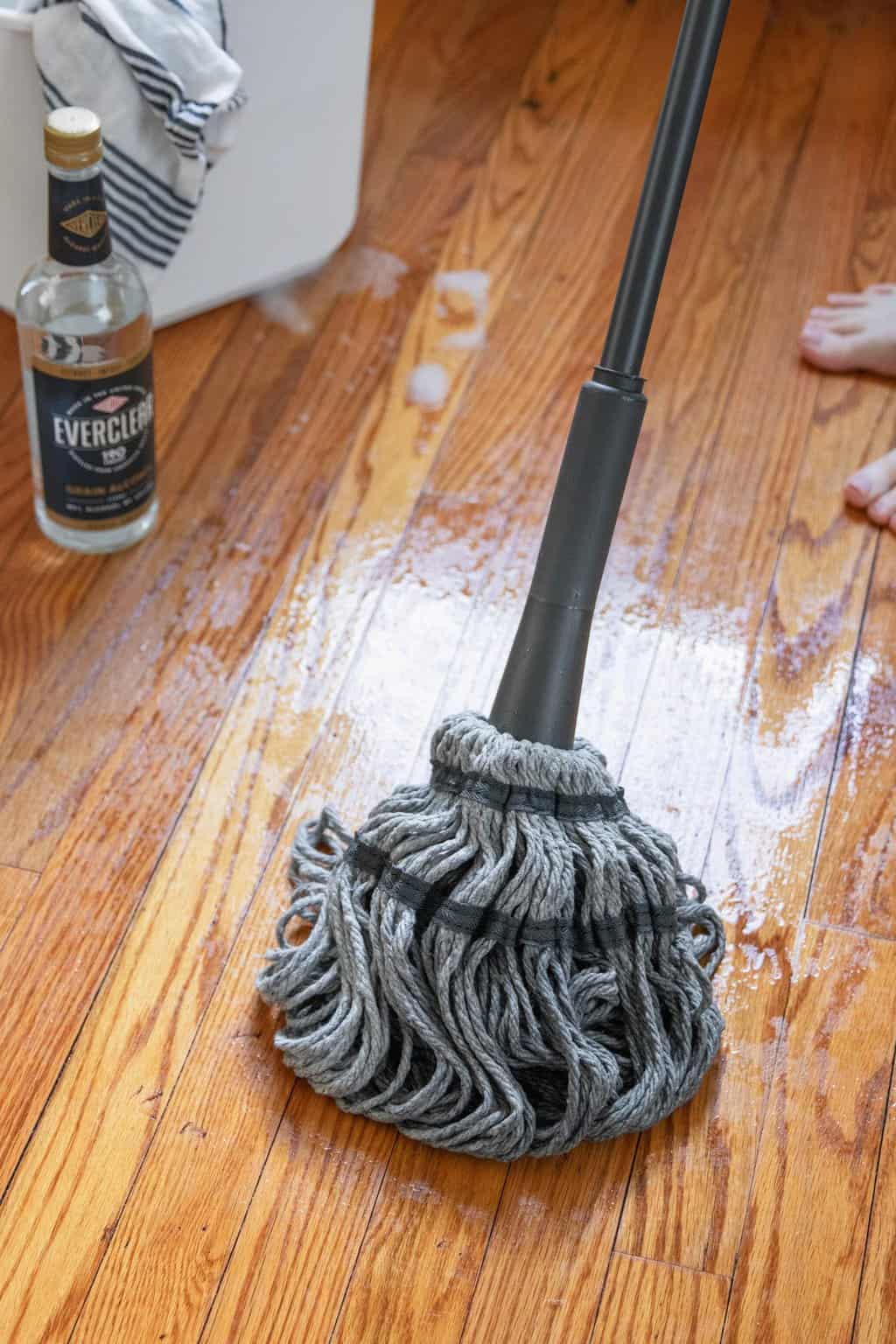
Use a mop suitable for your floor type. Dip the mop in homemade floor cleaner without vinegar. Wring out extra liquid to avoid wet floors. Mop in straight lines or figure-eight motions. Rinse the mop often to keep it clean. Change the cleaning solution if it gets dirty.
Drying And Maintenance Tips
Allow floors to air dry or use a dry mop for faster drying. Keep doors and windows open for good air flow. Avoid walking on wet floors to prevent marks. Clean your mop after each use to stop germs. Store cleaning supplies in a dry place for next time.
Tips For Different Floor Types
Caring for floors needs special attention. Each floor type reacts differently to cleaning solutions. Using the right cleaner keeps floors safe and shiny. Here are simple tips to clean floors without vinegar.
Wood Floors
Use a mild soap mixed with warm water. Avoid soaking wood floors with water. Damp mop gently to stop damage. Dry the floor quickly after mopping. Avoid harsh chemicals that strip the finish.
Tile And Ceramic
Mix a few drops of dish soap with warm water. Mop the floor thoroughly but do not leave puddles. Clean grout with a soft brush and baking soda paste. Rinse the floor with clean water for shine. Dry with a soft cloth to prevent streaks.
Laminate
Use a small amount of gentle dish soap in water. Mop using a damp, not wet, cloth. Avoid excess water to prevent swelling or warping. Wipe spills immediately to protect the surface. Never use abrasive cleaners or scrub pads.
Vinyl
Mix warm water with a few drops of mild detergent. Mop the floor with a soft mop or cloth. Do not let water sit on the floor. Rinse with clean water to remove soap residue. Dry the floor to avoid slipping hazards.
Storing Homemade Cleaners Safely
Storing homemade floor cleaners safely keeps your home and family protected. Proper storage stops spills, leaks, and accidents. It also helps keep your cleaner fresh and effective for longer. Follow simple tips to store your cleaner without vinegar correctly.
Container Choices
Use containers made of plastic or glass that seal tightly. Avoid metal containers as they can rust or react with ingredients. Choose containers with wide openings to make pouring easy. Dark-colored bottles help protect cleaners from sunlight. Always pick containers that are easy to clean and reuse.
Shelf Life
Homemade cleaners last shorter than store-bought ones. Most last about one to two weeks. Store the cleaner in a cool, dry place to extend its life. Avoid heat or direct sunlight as they break down ingredients. Discard the cleaner if the smell or color changes.
Labeling And Safety Precautions
Label each container clearly with the cleaner’s name and date made. Keep labels simple and readable. Store cleaners out of reach of children and pets. Never mix homemade cleaners with other chemicals. Always test a small area before using on floors.

Frequently Asked Questions
What Ingredients Are Best For Homemade Floor Cleaner Without Vinegar?
Use water, liquid castile soap, essential oils, and baking soda. These ingredients clean effectively without vinegar’s strong smell. They are safe for most floor types and eco-friendly.
How To Make A Homemade Floor Cleaner Without Vinegar?
Mix 1 gallon of warm water with 1/4 cup liquid castile soap and 10 drops of essential oil. Stir well and mop as usual. This solution cleans floors gently and naturally.
Is Homemade Floor Cleaner Without Vinegar Safe For Hardwood Floors?
Yes, this homemade cleaner is gentle and safe for hardwood floors. Avoid harsh chemicals and vinegar to prevent damage. The soap-based mix cleans without stripping floor finish.
Can Essential Oils Replace Vinegar In Floor Cleaning Solutions?
Yes, essential oils add antibacterial properties and pleasant scents. They help clean and freshen floors naturally without vinegar’s acidity or odor. Use oils like lemon, tea tree, or lavender.
Conclusion
Choosing a homemade floor cleaner without vinegar keeps your floors fresh and safe. Simple ingredients work well for mopping and cleaning. You can control what goes into your cleaner and avoid harsh smells. This method saves money and reduces chemicals in your home.
Try these easy recipes and see the difference yourself. Clean floors, happy home.