Are you wondering if your pool vacuum will work properly with a low-speed pump? You’re not alone.
Many pool owners face this exact question when trying to keep their water clean without upgrading expensive equipment. The truth is, understanding how your pump’s speed affects your vacuum can save you time, money, and frustration. You’ll discover what really happens when you use a pool vacuum with a low-speed pump, and how to make sure your pool stays sparkling clean without overworking your system.
Keep reading to find out the simple tricks that can make all the difference.
How Pool Vacuums Operate
Understanding how pool vacuums operate helps to know their effectiveness with low-speed pumps. Pool vacuums clean debris from the pool floor and walls. They rely on water movement to pull dirt and particles into the filtration system. Different types use various methods to clean the pool efficiently.
Basic Mechanics
Pool vacuums connect to the pool’s filtration system. They create suction that lifts dirt and debris. The vacuum head moves along the pool surface to collect dirt. The debris travels through a hose into the filter system. A working pump is essential to generate this suction force.
Role Of Water Flow
Water flow powers the vacuum’s suction. Higher flow means stronger suction and better cleaning. Low-speed pumps reduce water flow. This can limit how well the vacuum pulls in debris. Some vacuums need minimum flow rates to work correctly. Others can function at lower speeds but with less power.
Types Of Pool Vacuums
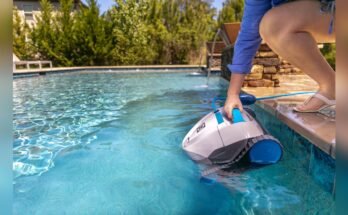
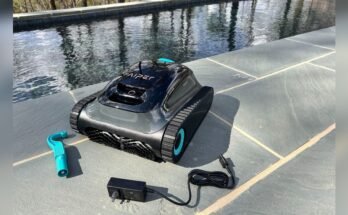
Manual vacuums require the user to move the vacuum head. They rely on the pump to create suction. Automatic vacuums move on their own and may have built-in motors. Robotic vacuums do not depend on the pump. They use their own power to clean the pool floor and walls.

Low-speed Pumps Explained
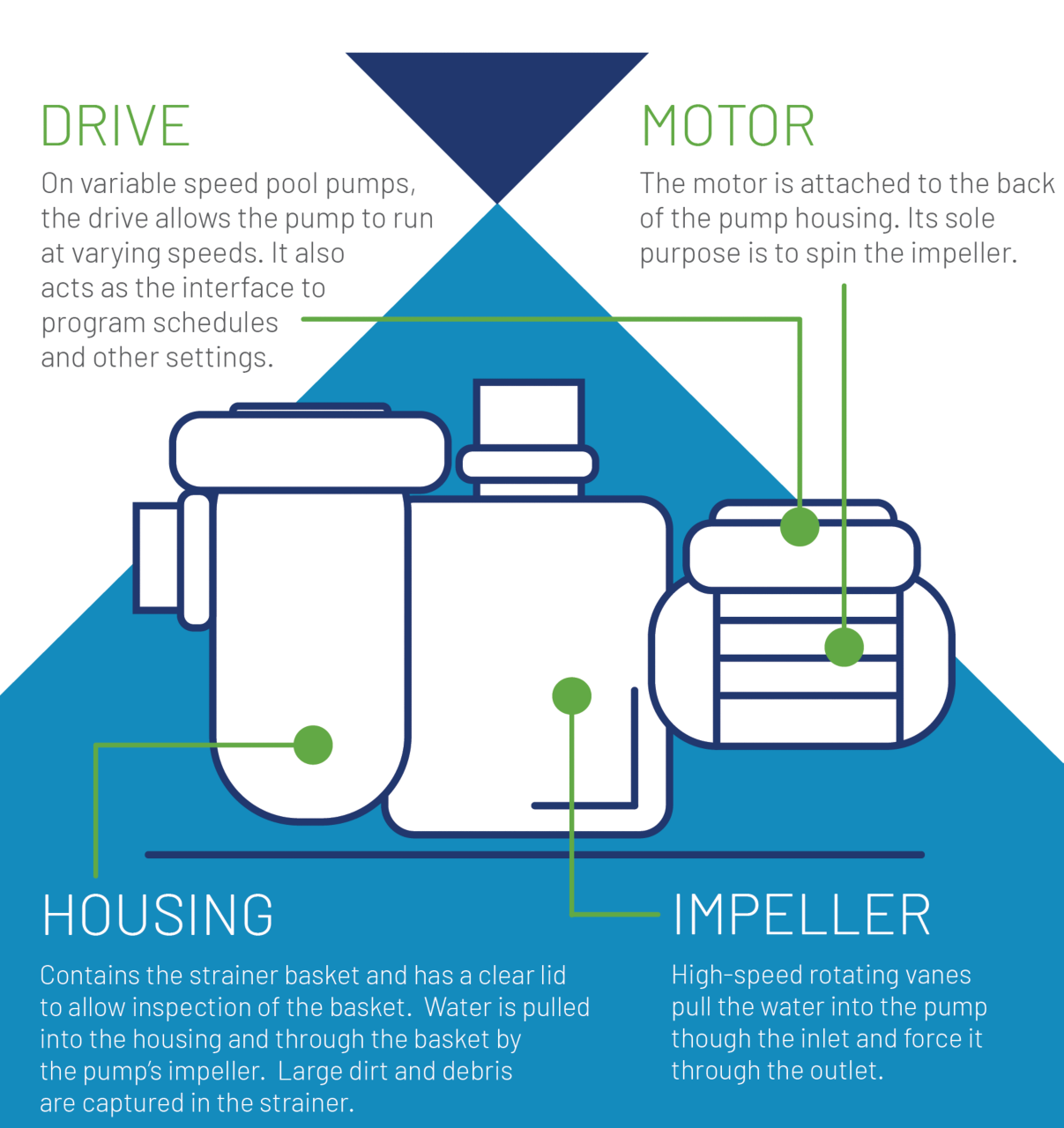
Low-speed pumps are an important part of many pool systems. They work differently than traditional pumps. Understanding how they work helps you decide if your pool vacuum will work with them.
These pumps run at slower speeds but still move water efficiently. They save energy and reduce noise. Many pool owners choose low-speed pumps for these benefits.
What Is A Low-speed Pump?
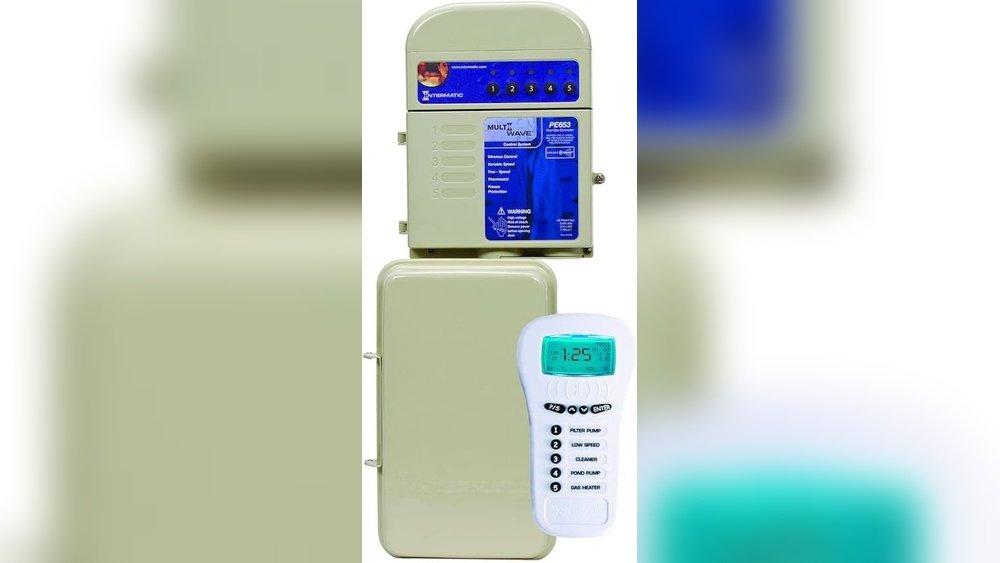
A low-speed pump moves water at a slower rate than regular pumps. It uses less power while still cleaning the pool. These pumps often have two or more speed settings. You can run them on low speed to save energy.
Running pumps at low speed reduces wear and tear. It also lowers electricity bills. Low-speed pumps are designed to be gentle but effective.
Benefits For Pool Systems
Low-speed pumps cut energy use by up to 70%. They make pools quieter during operation. The slower water flow protects pool equipment and plumbing. This extends their lifespan and reduces maintenance costs.
These pumps also help keep pool water cleaner. They circulate water well without stressing filters. This balance is important for pool health and safety.
Common Applications
Low-speed pumps work well for both residential and commercial pools. They suit pools with energy-saving goals. Many pool owners use them with variable-speed pool systems.
These pumps also pair well with automatic pool cleaners and vacuums. They provide enough power without overloading the system. This makes them a popular choice for modern pool setups.
Compatibility Issues
Pool vacuums require specific pump speeds to work well. Low-speed pumps may cause compatibility issues. These problems affect the vacuum’s cleaning power and efficiency. Understanding these issues helps pool owners choose the right equipment.
Flow Rate Requirements
Pool vacuums need a certain flow rate to function properly. Most vacuums require moderate to high water flow. Low-speed pumps often deliver less water flow than needed. This low flow reduces suction power and cleaning ability.
Each vacuum model has its own flow rate range. Check the vacuum’s manual for exact numbers. If the pump flow is below the minimum, the vacuum may not pick up debris well.
Vacuum Performance With Low-speed Pumps
Low-speed pumps run slower than standard pumps. They save energy but lower water flow. This slower flow means the vacuum cleans less effectively. Dirt and leaves may stay on the pool floor.
Some vacuums can work with low-speed pumps but at reduced performance. They may take longer to clean or require more passes. In some cases, the vacuum may lose suction altogether.
Potential Problems
Low water flow can cause several issues. The vacuum may clog easily or stop working. Poor suction means dirt builds up in the pool. This can lead to more frequent manual cleaning.
Low-speed pumps might also cause damage to vacuum parts. The motor may overheat or wear out faster. Pump strain can reduce its lifespan and increase repair costs.

Testing Pool Vacuums On Low-speed Pumps
Testing pool vacuums with low-speed pumps reveals how well they clean under less power. Low-speed pumps use less energy but may reduce suction. This test checks if vacuums still pick up dirt effectively. Understanding this helps pool owners choose the right cleaning tool.
Setup And Conditions
The test used a low-speed pump set at 900 RPM. The pool size was 15,000 gallons with normal debris like leaves and sand. The vacuum was connected directly to the pump’s suction line. Each test lasted 30 minutes to observe cleaning ability.
Performance Results
The vacuum picked up most large debris easily. Fine particles like sand were harder to remove. Some suction power was lost compared to high-speed pumps. Cleaning was slower but still effective for regular pool use.
User Experiences
Many users said the vacuum worked well with their low-speed pumps. Some noticed it took longer to clean the pool. Others preferred running the pump longer for better results. Overall, users found the vacuums suitable for low-speed setups.
Improving Vacuum Efficiency
Improving vacuum efficiency is key for keeping your pool clean with low-speed pumps. Low-speed pumps move less water, which can reduce vacuum power. This makes cleaning slower and less effective. Simple changes can help increase suction and make your vacuum work better. Small adjustments and smart tools help the vacuum pick up dirt more easily. Here are some ways to improve vacuum efficiency with low-speed pumps.
Pump Adjustments
Adjusting the pump settings can boost vacuum power. Check your pump’s speed settings and try increasing them slightly. Even a small increase can improve water flow to the vacuum. Make sure the pump basket and filter are clean. A clogged filter lowers suction and reduces vacuum efficiency. Regular maintenance helps the pump run smoother and stronger.
Vacuum Modifications
Some vacuums work better with low-speed pumps than others. Use vacuums designed for low flow rates. These models have wider hoses and larger openings to catch more debris. You can also try adding a booster pump. It gives extra suction to the vacuum cleaner. Check your vacuum hose for leaks or cracks. Fixing these issues stops air from entering and losing suction power.
Alternative Cleaning Methods
Combine vacuuming with other cleaning methods for best results. Use a pool brush to loosen dirt before vacuuming. Skimming the surface removes floating debris quickly. Robotic pool cleaners work independently and don’t need strong suction. They clean well with low-speed pumps. These extra steps reduce the workload on your vacuum and keep your pool cleaner.
Energy And Cost Considerations
Energy and cost play a big role in choosing the right pool vacuum system. Using low-speed pumps can affect both how much electricity you use and how much money you spend on pool maintenance. Understanding these factors helps you make smart decisions that save money and energy over time.
Energy Savings With Low-speed Pumps
Low-speed pumps use less electricity than high-speed pumps. They run slower but longer, which keeps the pool clean while saving energy. These pumps lower your power bill by reducing the amount of energy needed to run the pool vacuum. Using a low-speed pump can cut energy use by up to 70% compared to traditional pumps.
Cost Impact On Maintenance
Running a pool vacuum with a low-speed pump can lower maintenance costs. These pumps cause less wear and tear on the vacuum and pool system parts. This means fewer repairs and replacements over time. Also, low-speed pumps work well with many pool vacuums, reducing the need for special equipment or upgrades.
Long-term Benefits
Investing in a low-speed pump brings long-term savings. You spend less on electricity and repairs. The pool stays cleaner with less effort, which protects your pool surfaces and equipment. Over time, these benefits add up, making your pool easier and cheaper to maintain.
Frequently Asked Questions
Do Pool Vacuums Work With Low-speed Pumps?
Yes, pool vacuums can work with low-speed pumps. However, their efficiency might be lower. Some vacuums are designed specifically for low flow rates. Always check compatibility before purchasing to ensure effective cleaning.
How Does Pump Speed Affect Pool Vacuum Performance?
Pump speed impacts suction power and water flow. Higher speeds create stronger suction, improving vacuum efficiency. Low-speed pumps save energy but may reduce cleaning effectiveness. Balancing speed and vacuum needs is crucial for optimal pool maintenance.
Can Low-speed Pumps Damage Pool Vacuums?
Low-speed pumps typically do not damage vacuums. However, insufficient flow may cause clogging or poor debris pickup. Using vacuums compatible with low-speed pumps prevents wear and tear, ensuring longer vacuum lifespan and better pool cleaning results.
Are Low-speed Pumps Energy Efficient For Pool Cleaning?
Yes, low-speed pumps use less energy than high-speed pumps. They reduce electricity costs and environmental impact. When paired with compatible vacuums, they provide effective cleaning while maintaining energy efficiency.
Conclusion
Pool vacuums can work with low-speed pumps, but performance varies. Some vacuums need stronger flow to clean well. Others are designed to handle less power. Check your pump’s strength and vacuum type before buying. Proper matching saves time and keeps the pool cleaner.
Small pumps can work if the vacuum fits well. Keep your pool tidy without extra costs or effort. Choose wisely for the best cleaning results every time.