Are you wondering if your pool vacuum is safe to use on a vinyl pool liner? Keeping your pool clean is essential, but you don’t want to risk damaging your liner while doing it.
You might have heard mixed advice about whether pool vacuums work well with vinyl surfaces. The truth is, knowing how to properly clean your vinyl liner can save you time, money, and frustration. You’ll discover how pool vacuums interact with vinyl liners, what types are best, and simple tips to keep your pool looking perfect without causing harm.
Keep reading to protect your pool investment and enjoy a sparkling clean swim all season long.
How Pool Vacuums Clean
Pool vacuums help keep your pool clean by removing dirt, leaves, and debris. They work by sucking up particles from the pool floor and walls. This cleaning process keeps the water clear and safe for swimming. Understanding how pool vacuums clean helps you choose the right one for your vinyl pool liner.
Types Of Pool Vacuums
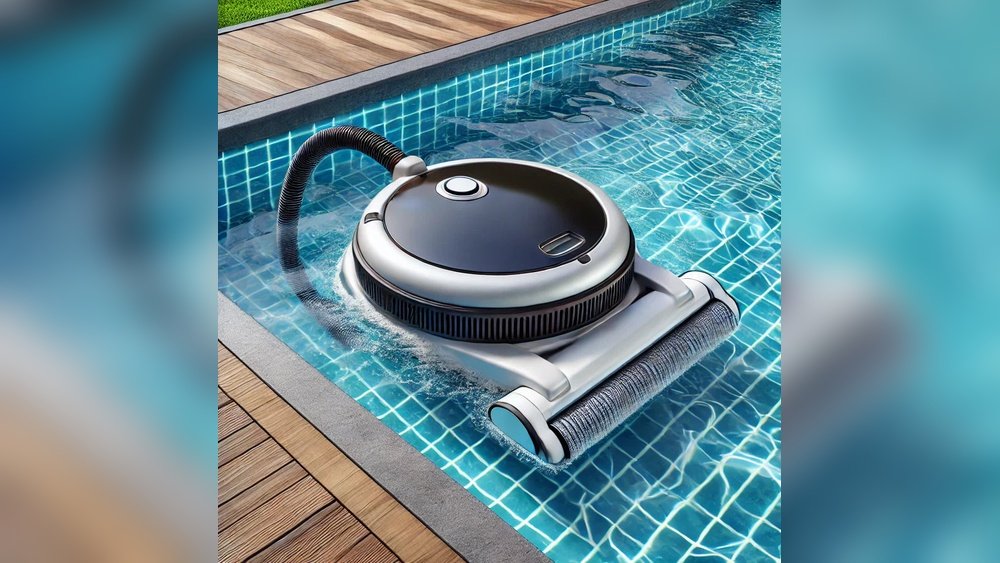
There are several types of pool vacuums. Manual vacuums require you to push and guide them around the pool. Suction-side vacuums connect to the pool’s skimmer or a dedicated suction line. Pressure-side vacuums use water pressure to move and collect debris. Robotic vacuums run on their own and clean the pool floor and walls automatically.
Cleaning Mechanisms
Pool vacuums clean by using suction or pressure to pick up dirt. Manual and suction-side vacuums rely on the pool pump to create suction. This pulls debris into a filter or a bag. Pressure-side vacuums use water pressure to push debris into a separate filter bag. Robotic vacuums have built-in pumps and filters that trap dirt inside. Each mechanism works to remove debris without harming vinyl liners.

Vinyl Pool Liner Characteristics
Vinyl pool liners are popular for their smooth surface and bright colors. They create a clean look and feel for many swimming pools. Understanding their characteristics helps in choosing the right cleaning tools and methods.
These liners have unique qualities that affect their care and maintenance. Knowing these traits can prevent damage and extend the liner’s life.
Durability And Sensitivity
Vinyl liners are flexible but not very tough. They can last many years with proper care. Sharp objects or rough handling can cause tears or holes. The material reacts differently to cleaning tools compared to harder pool surfaces. Gentle cleaning is best to avoid damage.
Pool vacuums must be used carefully. Strong suction or rough brushes can harm the liner. Soft brushes and low suction work well. Avoid dragging heavy equipment across the liner to keep it intact.
Common Issues With Vinyl Liners
Stains and algae growth are common problems. Vinyl can trap dirt in wrinkles or seams. This makes cleaning tricky. Scrubbing too hard can cause small tears. Liner seams may peel or separate over time.
Vacuuming helps remove loose debris but won’t fix stains alone. Regular gentle cleaning and proper vacuum use reduce damage risks. Monitoring the liner for wear helps catch problems early.
Vacuum Compatibility With Vinyl Liners
Pool vacuums clean debris from your pool floor and walls. Vinyl liners need gentle care to avoid damage. Choosing the right vacuum keeps your liner safe and your pool clean. Understanding vacuum compatibility helps protect your vinyl pool liner for years.
Safe Vacuum Options
Manual vacuums with soft brushes work well on vinyl liners. They clean dirt without scratching or tearing. Robotic vacuums designed for vinyl surfaces offer gentle cleaning. Suction-side vacuums are also a good choice. These vacuums use low suction to protect the liner’s surface.
Vacuum Features To Avoid
Avoid vacuums with hard or rough brushes. These can cause scratches and damage the liner. High-powered vacuums create strong suction that may pull or tear vinyl. Avoid vacuums with sharp edges or metal parts touching the liner. Steer clear of vacuum heads that are heavy or bulky. These can press too hard on the liner and cause wear.
Expert Tips For Using Vacuums On Vinyl
Using a pool vacuum on a vinyl liner needs care and attention. Vinyl is softer than other pool materials. It can tear or get damaged if not handled right. Follow expert tips to clean safely and keep your liner in good shape.
Proper Vacuuming Techniques
Choose a vacuum made for vinyl pools. Avoid heavy or stiff brushes. Move the vacuum slowly over the liner. Quick, rough movements may cause scratches. Focus on small sections at a time. Do not press hard on any spot. Keep the vacuum head flat on the surface. This stops damage and cleans well.
Maintenance And Care
Check the vacuum for sharp edges before each use. Clean the vacuum after every session to remove dirt. Store it in a dry, shaded place to avoid wear. Inspect the vinyl liner regularly for small tears. Repair minor damage quickly to stop bigger problems. Use gentle pool chemicals to protect the liner. Avoid harsh cleaners that can weaken the vinyl.
Alternatives To Pool Vacuums For Vinyl Liners
Vinyl pool liners need gentle care to avoid damage. Pool vacuums may sometimes be too harsh or inefficient for these surfaces. Many pool owners choose other methods to keep their vinyl pools clean and safe.
These alternatives work well without scratching or tearing the liner. They also help maintain clear, healthy water. Here are some popular options you can consider.
Manual Cleaning Methods
Manual cleaning is a simple way to care for vinyl liners. Use a soft pool brush to gently scrub dirt and algae. Avoid stiff brushes that can scratch the liner surface. Skimming the pool with a net helps remove leaves and debris quickly.
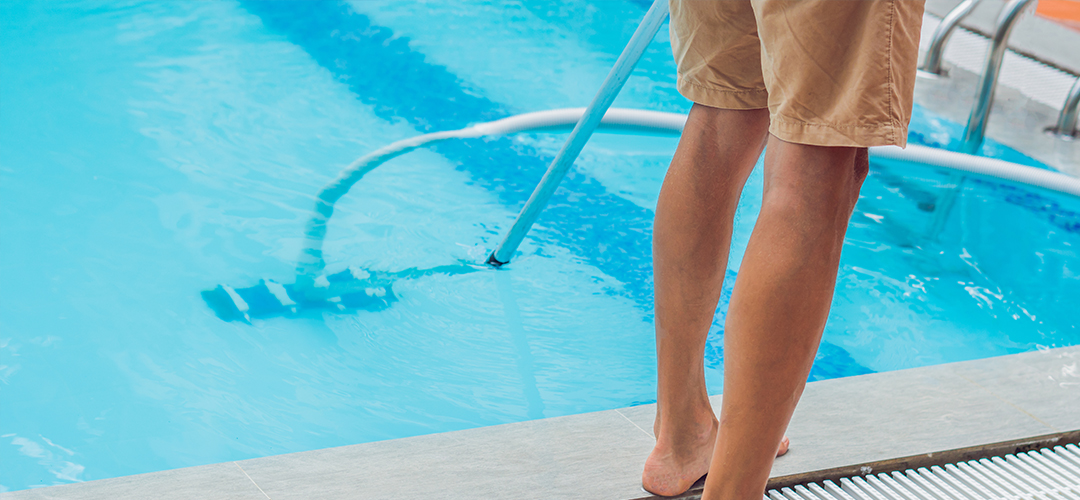
Vacuuming by hand with a gentle, low-suction vacuum works well. Pay attention to corners and steps where dirt collects. Regular manual cleaning keeps your pool looking fresh and prevents buildup.
Robotic Cleaners And Their Suitability
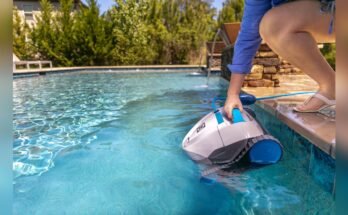
Robotic pool cleaners offer automated cleaning with controlled power. Many models feature soft brushes safe for vinyl liners. These robots move slowly to avoid damaging the surface. They pick up small debris and help maintain water clarity.
Choose a robot designed for vinyl pools. Some models include sensors to protect delicate liners. Robotic cleaners reduce manual effort while protecting your pool’s surface. They provide gentle yet effective cleaning for vinyl pools.

Frequently Asked Questions
Do Pool Vacuums Damage Vinyl Pool Liners?
No, most pool vacuums are designed to be safe for vinyl liners. Use gentle suction and avoid sharp parts to prevent damage. Always check the vacuum’s compatibility with vinyl to ensure safe cleaning.
Can Pool Vacuums Effectively Clean Vinyl Liners?
Yes, pool vacuums can effectively remove dirt and debris from vinyl liners. They help maintain cleanliness and extend liner life when used properly and regularly.
What Type Of Vacuum Is Best For Vinyl Pool Liners?
A manual or low-suction vacuum with soft brushes is best for vinyl liners. Avoid harsh or heavy-duty vacuums that may puncture or tear the liner.
How Often Should I Vacuum My Vinyl Pool Liner?
Vacuum your vinyl pool liner at least once a week during swimming season. Frequent cleaning prevents buildup and keeps the liner looking new and smooth.
Conclusion
Pool vacuums can clean vinyl pool liners safely when used correctly. Choose a vacuum designed for vinyl to avoid damage. Regular cleaning helps keep the pool liner looking fresh and new. Always follow the manufacturer’s instructions for best results. A clean pool means more fun and fewer problems.
Remember, gentle care extends your pool liner’s life. Simple steps make pool maintenance easier and more effective. Give your vinyl liner the attention it needs. Your pool will stay clear and inviting all season.