Are you worried that using a pool vacuum might harm your vinyl liner? It’s a common concern for many pool owners like you.
After all, your liner is a big investment, and you want to keep it looking perfect for as long as possible. But does vacuuming really cause damage, or is it just a myth? You’ll discover the truth about pool vacuums and vinyl liners.
By the end, you’ll know exactly how to keep your pool clean without risking costly repairs. Keep reading to protect your pool and enjoy sparkling water all season long!
How Pool Vacuums Work
Understanding how pool vacuums work helps keep your vinyl liner safe. These devices clean dirt and debris from your pool floor. They use suction to pull particles into a filter or bag. Knowing their operation will clarify if they can cause damage.
Types Of Pool Vacuums
Manual vacuums require you to push or pull the cleaner. You connect them to your pool’s filtration system. They need a vacuum head, pole, and hose to operate.
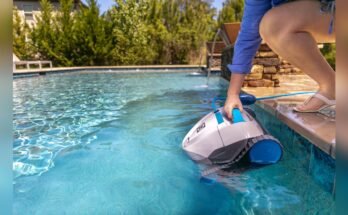
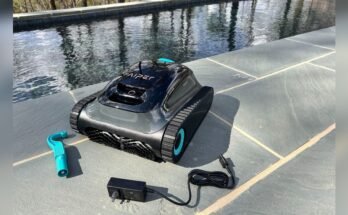
Automatic vacuums move on their own, powered by electricity or batteries. They navigate the pool floor and walls without much effort from you. Robotic vacuums have built-in filters to trap dirt and debris.
Pressure-side vacuums attach to the return jet. They use water pressure to move and collect debris in a separate bag. Suction-side vacuums connect to the skimmer or dedicated suction line.
Vacuum Mechanism And Suction
Pool vacuums work by creating suction. This suction lifts dirt and debris from the pool surface. It pulls the particles through the vacuum head and hose.
The filter traps debris while water flows back into the pool. Suction strength varies by vacuum type and pump power. Too much suction can harm delicate surfaces, including vinyl liners.
Good vacuums balance suction with gentle cleaning. They avoid scratching or tearing the liner. Soft vacuum heads and smooth movement protect your pool’s finish.

Characteristics Of Vinyl Liners
Vinyl liners are a popular choice for many swimming pools. Their unique features make them both practical and attractive. Understanding these features helps you care for your pool better. It also guides you on how to use cleaning tools safely.
Material Composition
Vinyl liners are made from a type of plastic called polyvinyl chloride, or PVC. This material is strong but soft enough to bend without breaking. It has a smooth surface that feels nice to touch. The liner is usually several layers thick. These layers add strength and prevent leaks.
Durability And Flexibility
Vinyl liners can last many years with proper care. They resist damage from sunlight and chemicals used in pools. The material flexes easily, which helps it fit pool shapes well. This flexibility reduces the chance of cracks or tears. Still, sharp objects or rough handling can harm the liner. Using the right pool vacuum can protect its surface.
Potential Risks To Vinyl Liners
Pool vacuums help keep your pool clean. But they can cause some damage to vinyl liners. Understanding the risks helps you protect your pool. Knowing what to watch for can save money and effort.
Abrasion And Scratches
Vinyl liners are smooth but not very hard. Pool vacuums can rub against the liner’s surface. This rubbing can cause tiny scratches or wear spots. Over time, these abrasions may become more visible. They can make the liner look old and worn. Rough vacuum parts or debris caught in the vacuum can worsen this damage.
Tears And Punctures
Vinyl liners are thin and flexible. Sharp edges on pool vacuums may cut or tear the liner. Small punctures can start from careless vacuum use. These tears can grow larger with water pressure. Even small holes let water leak out, causing pool problems. Using the vacuum gently reduces the risk of tears.
Vacuum Features That Protect Liners
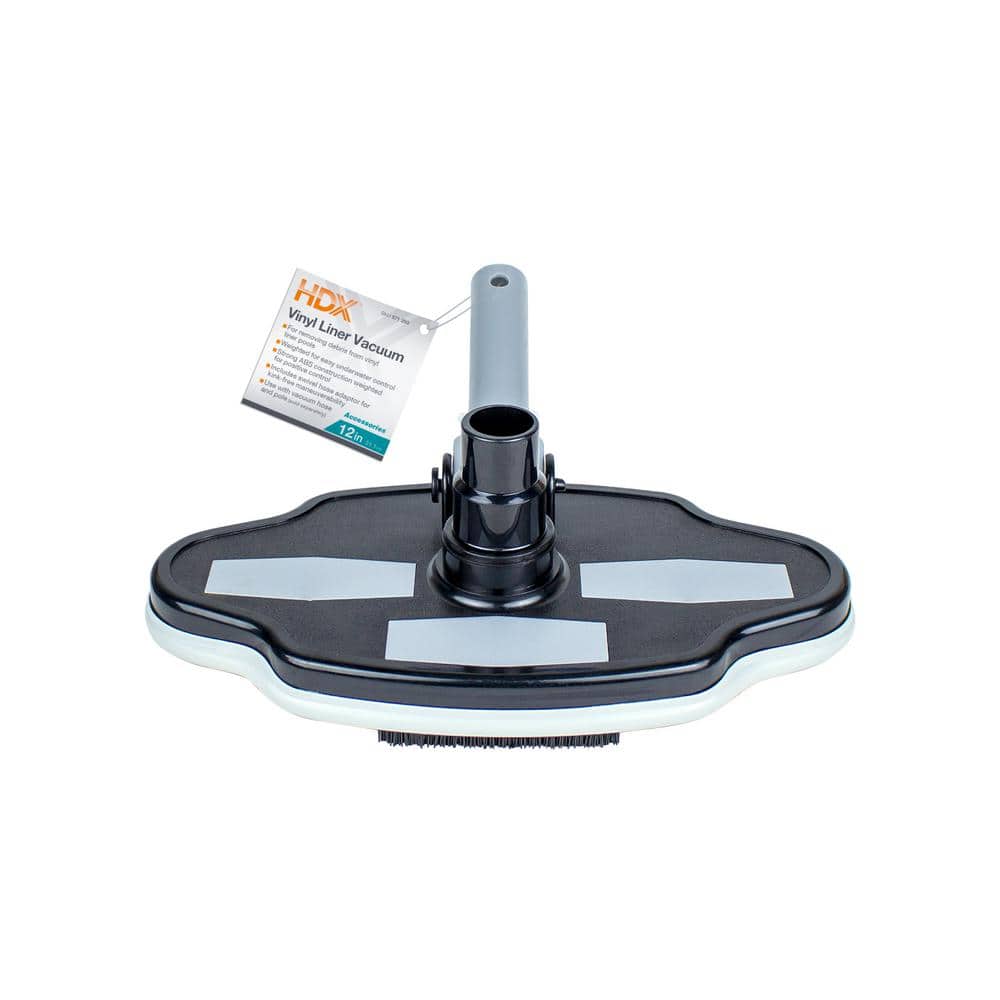
Pool vacuums can clean your pool without harming the vinyl liner. Certain features in vacuums help protect these liners. These features reduce the risk of tears or scratches during cleaning. Choosing the right vacuum with these features keeps your liner safe and extends its life.
Soft Brush Attachments
Soft brush attachments gently clean without scratching the liner. They remove dirt and algae softly. Hard brushes can cause small cuts or damage. Soft brushes protect the vinyl surface while still cleaning well. This feature is essential for delicate liner materials.
Adjustable Suction Settings
Adjustable suction settings control the vacuum’s power. High suction can pull too hard on the liner. Lower suction keeps the liner safe from stress and tears. You can change the suction based on dirt level and liner type. This feature offers a careful cleaning approach.
Best Practices For Safe Cleaning
Cleaning your pool safely helps protect the vinyl liner from damage. Using the right methods keeps the liner smooth and free from tears. Following best practices ensures your pool vacuum works well without harming the liner.
Proper Vacuum Handling
Hold the vacuum gently to avoid pressing too hard on the liner. Move the vacuum slowly across the pool floor and walls. Quick, sharp moves can cause scratches or tears. Use a vacuum with soft wheels or pads made for vinyl liners. Check the vacuum head for rough edges before use. This careful handling keeps the liner safe and clean.
Routine Inspection Of Liners
Look at your liner often for signs of wear or damage. Small tears or cracks should be fixed quickly. Check for areas where the liner peels or bubbles. These spots can get worse if ignored. Regular inspections catch problems early and protect your pool’s surface. Use a soft cloth and mild cleaner during inspections to avoid further damage.
Alternatives To Traditional Pool Vacuums
Traditional pool vacuums can sometimes harm vinyl liners. Many pool owners seek safer cleaning options. Alternatives offer gentle care and effective cleaning. They reduce the risk of tears or damage to liners. These options also save time and effort. Below are two popular alternatives to consider.
Robotic Pool Cleaners
Robotic pool cleaners move on their own. They use soft brushes that protect vinyl liners. These cleaners pick up dirt and debris easily. They work quietly and save energy. Users only need to place them in the water. Robotic cleaners cover all pool surfaces evenly. They reduce manual work and keep pools tidy.
Manual Cleaning Tools
Manual tools include brushes, nets, and handheld vacuums. Soft-bristle brushes are safe for vinyl liners. They remove algae and dirt without scraping. Nets help scoop out leaves and bugs quickly. Handheld vacuums offer control and careful cleaning. These tools require more effort but protect liners well. They are affordable and easy to use.
Signs Of Liner Damage From Vacuuming
Pool vacuums help keep your pool clean but can sometimes harm the vinyl liner. Knowing the signs of damage early helps prevent bigger problems. Watch closely for changes in the liner after vacuuming sessions. Damage may not appear right away but can grow over time.
Visible Wear Patterns
Look for areas where the liner looks thin or worn out. These spots often appear where the vacuum brushes or wheels touch the surface. Fading or discoloration can also show wear from suction or scraping. Uneven texture or small scratches may develop from repeated vacuuming. These wear patterns weaken the liner and make it more prone to tears.
Leaks And Water Loss
Leaks often start small and get worse. Check if the water level drops faster than usual. This can mean the liner has tiny holes or tears. Vacuuming can cause these openings, especially if the vacuum is rough or the liner is old. Puddles or damp areas around the pool may also signal leaks. Early leak detection saves money on costly repairs later.

Maintenance Tips To Extend Liner Life
Taking care of your vinyl pool liner helps it last longer and stay beautiful. Proper maintenance reduces wear and tear. It also protects against damage from cleaning tools and chemicals. Follow simple tips to keep your liner in good shape and enjoy your pool more.
Regular Cleaning Schedule
Clean your pool liner often to stop dirt and debris build-up. Dirt can cause scratches and weaken the liner. Use a soft brush or a vacuum made for vinyl liners. Clean the liner gently to avoid damage. Set a cleaning routine and stick to it. This helps keep the liner smooth and safe.
Avoiding Harsh Chemicals
Harsh chemicals can ruin your vinyl liner quickly. Avoid strong acids or bleach in your pool water. Use mild, pool-safe cleaning products instead. Test chemical levels regularly to keep them balanced. Balanced water protects the liner and keeps it soft. Always follow product instructions to prevent damage.
Frequently Asked Questions
Can Pool Vacuums Harm Vinyl Pool Liners?
Properly used pool vacuums do not harm vinyl liners. Avoid harsh brushes and excessive pressure to prevent damage. Regular gentle cleaning keeps the liner safe and extends its lifespan.
What Type Of Vacuum Is Safe For Vinyl Liners?
Vacuum cleaners with soft brushes or suction-only models are safest for vinyl liners. Avoid vacuums with hard bristles or abrasive parts that can scratch or tear the liner surface.
How Often Should I Vacuum A Vinyl Pool Liner?
Vacuum your vinyl liner pool weekly or as needed to remove debris. Frequent cleaning prevents dirt buildup and keeps the liner looking new, without causing wear or damage.
Can Vacuuming Cause Tears In Vinyl Pool Liners?
Vacuuming rarely causes tears if done carefully. Avoid sharp objects and use gentle suction to protect the liner. Inspect the liner regularly for any signs of wear or damage.
Conclusion
Using a pool vacuum can keep your vinyl liner clean and healthy. Choose a vacuum designed for vinyl to avoid scratches or tears. Regular gentle cleaning helps maintain your pool’s look and life. Avoid harsh brushes or sharp parts that may damage the liner.
Always check your vacuum before use to ensure it works safely. Small care steps prevent big problems later. Keep your pool fun and safe with simple cleaning habits. Your vinyl liner will last longer with proper attention.