Have you ever wondered if spending more on a chair really means it will last longer? You want a chair that feels comfortable and stands the test of time, right?
It’s easy to assume that expensive chairs are always better, but is that really true? This article will help you find out what makes a chair durable and if paying extra is worth it. Keep reading to discover the secrets behind chair quality and how to make the best choice for your comfort and wallet.

Price Vs Durability
The price of a chair often makes buyers wonder if it lasts longer. Durability is a key factor in choosing the right chair. Expensive chairs usually promise better quality and longer life. But does a higher price always mean more durability? Understanding the link between price and durability helps buyers make smart choices.
Material Quality Differences
Higher-priced chairs often use stronger, better materials. Solid wood, high-grade metal, and premium fabrics resist wear and tear. Cheap chairs may use plastic or low-quality wood. These materials break or wear out faster. Good materials can keep a chair sturdy for years.
Build And Craftsmanship
Expensive chairs tend to have careful construction. Skilled workers join parts tightly and evenly. This reduces wobbling and damage over time. Lower-cost chairs may have loose joints or poor assembly. Strong craftsmanship adds to the chair’s strength and comfort. It also prevents common issues like creaking or sagging.
Brand Reputation Impact
Trusted brands often invest in quality control. They use tested materials and skilled labor. Their products usually last longer and meet customer expectations. Lesser-known brands may cut corners to lower costs. Brand reputation can signal how durable a chair might be. Choosing a well-known brand can reduce the risk of quick wear.
Common Chair Materials
Chairs come in many materials. Each material affects how long a chair lasts. Some materials are strong and last many years. Others may wear out faster. Understanding common chair materials helps decide if expensive chairs last longer.
Wood Types And Longevity
Wood is a popular chair material. Hardwoods like oak, maple, and walnut are very durable. They resist dents and scratches well. Softwoods like pine wear out faster. Solid wood chairs often last decades. Veneer or particleboard chairs may not last as long.
Metal Frames And Strength
Metal frames provide strong support. Steel and aluminum are common metals used. Steel is heavier but very sturdy. Aluminum is lighter and resists rust. Metal frames often outlast wood in heavy use. Good welds and finishes improve metal frame life.
Plastic Components Durability
Plastic parts can vary widely in quality. High-quality plastics resist cracking and fading. Cheap plastic breaks or warps over time. Chairs with plastic backs or seats may wear faster. Look for thick, reinforced plastic for longer use.
Wear And Tear Factors
Wear and tear is a key factor in deciding how long a chair lasts. It means the damage and changes a chair goes through over time. Several things affect this process. Knowing these helps you understand if expensive chairs really last longer.
Frequency Of Use
The more often you use a chair, the faster it wears out. Daily use puts pressure on parts like cushions and joints. Chairs in busy offices or homes face more wear than those used occasionally. Even the best materials show signs of use with time.
Maintenance And Care
Proper care can slow down wear and tear. Cleaning regularly removes dirt that can cause damage. Tightening screws and checking parts keeps the chair sturdy. Neglect leads to quicker breakdown. Expensive chairs often need special cleaning products or treatments.
Environmental Influences
Where you place the chair matters. Sunlight can fade colors and weaken fabrics. Humidity may cause wood to swell or metal to rust. Dust and pollution add to wear. A chair kept in a dry, shaded room lasts longer than one exposed to harsh conditions.

Warranty And Support
Warranty and support are important when choosing an expensive chair. They show how much the maker trusts their product. Good warranty and support can save money and effort. They also give peace of mind for your purchase.
What Warranties Cover
Warranties usually cover defects in materials and workmanship. This means problems like broken parts or faulty stitching. They rarely cover normal wear and tear or accidental damage. Some brands offer longer warranties for expensive chairs. This often means better quality and durability.
Service And Repairs
Brands with good support offer easy repair services. Some provide free repairs within the warranty period. Others may offer repair parts at a low cost. Fast service is common for expensive chairs. This helps keep the chair in good shape longer.
Return Policies
Return policies vary by brand and price. Expensive chairs often have flexible return terms. You may get 30 days or more to decide. Some companies cover return shipping costs. Clear return policies reduce risk when buying online.
Cost Vs Value
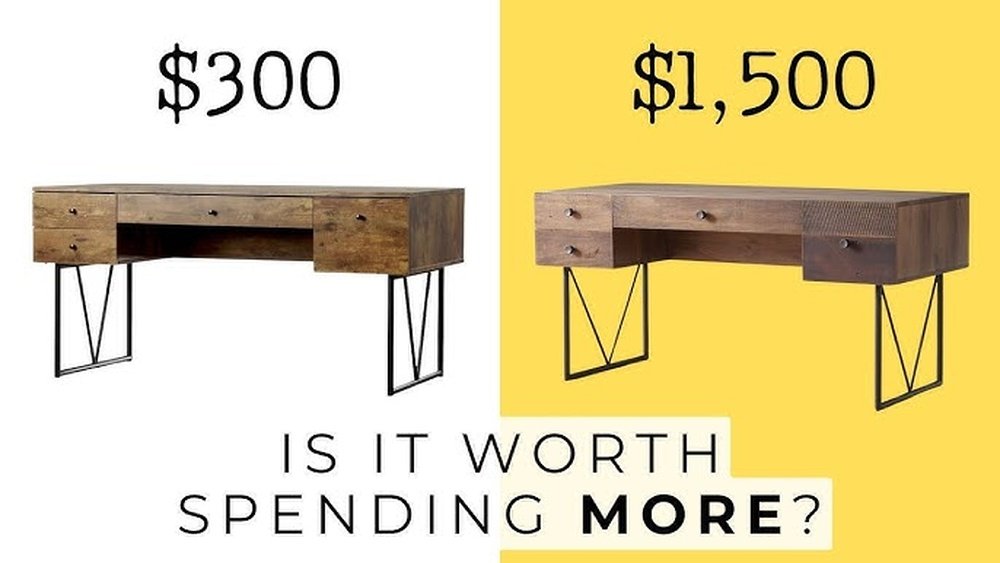
Choosing between expensive and cheap chairs often raises the question of cost versus value. Paying more upfront might seem costly. But sometimes, higher price means better materials and build quality. This can lead to longer use without problems. Yet, price alone does not guarantee durability. Understanding the balance between initial cost and long-term benefits helps make a smart choice.
Initial Investment Considerations
Expensive chairs often use strong materials like solid wood or metal. They usually have better craftsmanship. This can prevent quick wear and tear. The design also tends to focus on comfort and support. These factors increase the chair’s price. Buyers should think about how long they want to use the chair. A higher price might be worth it for daily use over many years. For short-term needs, a cheaper option might be enough.
Long-term Cost Benefits
Good-quality chairs need fewer repairs or replacements. This saves money over time. They keep their look and comfort longer than cheap chairs. This can reduce waste and hassle. Expensive chairs may also have warranties or service options. These add value beyond the price tag. The total cost of ownership becomes lower when a chair lasts many years.
When To Choose Budget Options
Budget chairs work well for occasional or light use. They cost less and fit tight budgets. Some budget chairs offer decent comfort and style. They can be a good choice for guest rooms or temporary setups. If you plan to replace a chair soon, spending less makes sense. Also, if you want to test a style or size before buying a costly chair, budget options help.

User Experiences
User experiences reveal real insights about chair durability and comfort. Listening to owners helps understand if expensive chairs last longer. Their stories show what to expect from both costly and budget options. Genuine feedback highlights strengths and weaknesses that specs can’t capture.
Reviews From Expensive Chair Owners
Many owners of expensive chairs praise their strong build and lasting comfort. Some report these chairs stay firm and stylish for years. They mention quality materials that resist wear and tear well. A few say their chairs needed minimal repairs despite heavy use. Overall, these users feel their investment was worth it.
Feedback On Budget Chairs
Users of budget chairs often mention quick wear and less comfort over time. Some chairs feel good at first but lose support within months. A common complaint is weak frames or fabric damage. However, some budget chairs surprise owners with good performance. These chairs usually suit light or occasional use better.
Case Studies
One study followed office workers using chairs of different prices for two years. Expensive chairs showed less damage and better comfort scores. Budget chairs needed more frequent replacement or repairs. Another case involved home users who switched from cheap to costly chairs. They reported less back pain and better posture with pricier models.
Tips For Choosing Chairs
Choosing the right chair matters for comfort and durability. A good chair supports your body and fits your space. This section shares tips to help you pick a chair that lasts and feels good.
Assessing Needs And Usage
Think about how often you will use the chair. Is it for work, dining, or relaxing? Different uses need different features. Consider the chair’s size and style to match your room. Know who will use it most and what they need.
Testing Comfort And Stability
Try sitting in the chair before buying. Check if it supports your back well. Feel if the seat is soft but firm. Gently rock or move the chair to test its stability. A steady chair is safer and lasts longer.
Spotting Quality Indicators
Look for chairs made with strong materials like solid wood or metal. Check joints and screws; they should be tight and well-made. Notice the finish; smooth and even surfaces show care. Quality cushions have dense foam that keeps shape.
Frequently Asked Questions
Do Expensive Chairs Have Better Durability?
Yes, expensive chairs often use higher-quality materials. These materials enhance durability and resistance to wear and tear, making the chair last longer.
Are Costly Chairs Worth The Investment?
Expensive chairs provide superior comfort and durability. They often come with better warranties and ergonomic designs, offering long-term value for your money.
How Does Price Affect Chair Quality?
Higher-priced chairs typically feature premium materials and craftsmanship. This results in improved comfort, support, and longer lifespan compared to cheaper options.
Can Cheap Chairs Last As Long As Expensive Ones?
Cheap chairs usually use lower-quality materials, which wear out faster. They often lack ergonomic support and durability, reducing their lifespan significantly.
Conclusion
Expensive chairs often use better materials and build quality. This can help them last longer than cheaper options. Still, proper care matters a lot for any chair’s lifespan. Cheap chairs may wear out faster but can fit tight budgets. Think about how often you will use the chair.
Comfort and durability both deserve your attention. Choose a chair that matches your needs and budget well. Quality matters, but so does how you treat your chair. In the end, smart choices bring the best value.