Keeping your car clean can feel like a never-ending task. You want a vacuum that works well, but choosing between corded and cordless models can be confusing.
Which one fits your needs better? Which will save you time and hassle? You’ll discover the real pros and cons of corded versus cordless car vacuums. By the end, you’ll know exactly which type suits your lifestyle and keeps your car spotless with less effort.
Keep reading to make the smartest choice for your car cleaning routine.
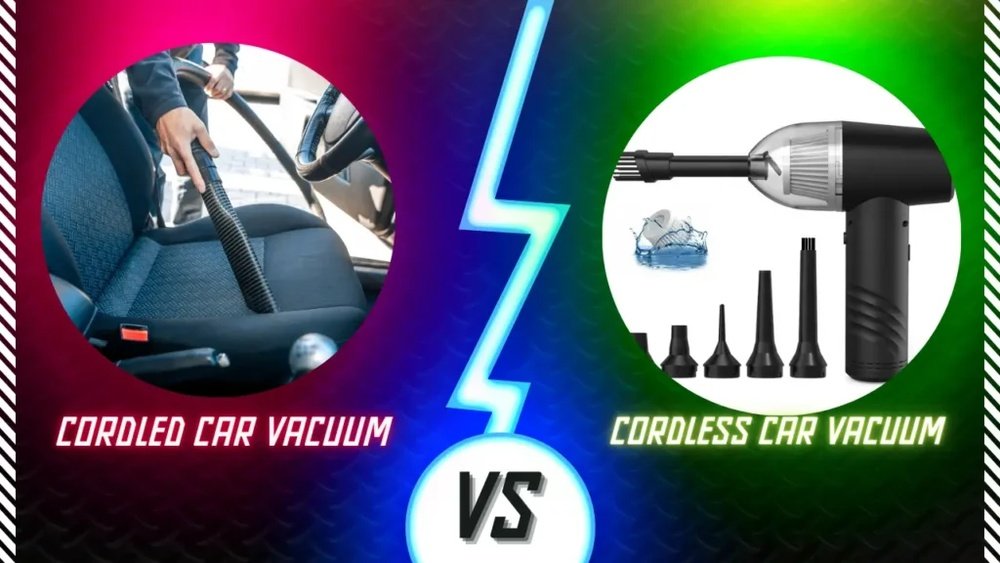
Corded Car Vacuums
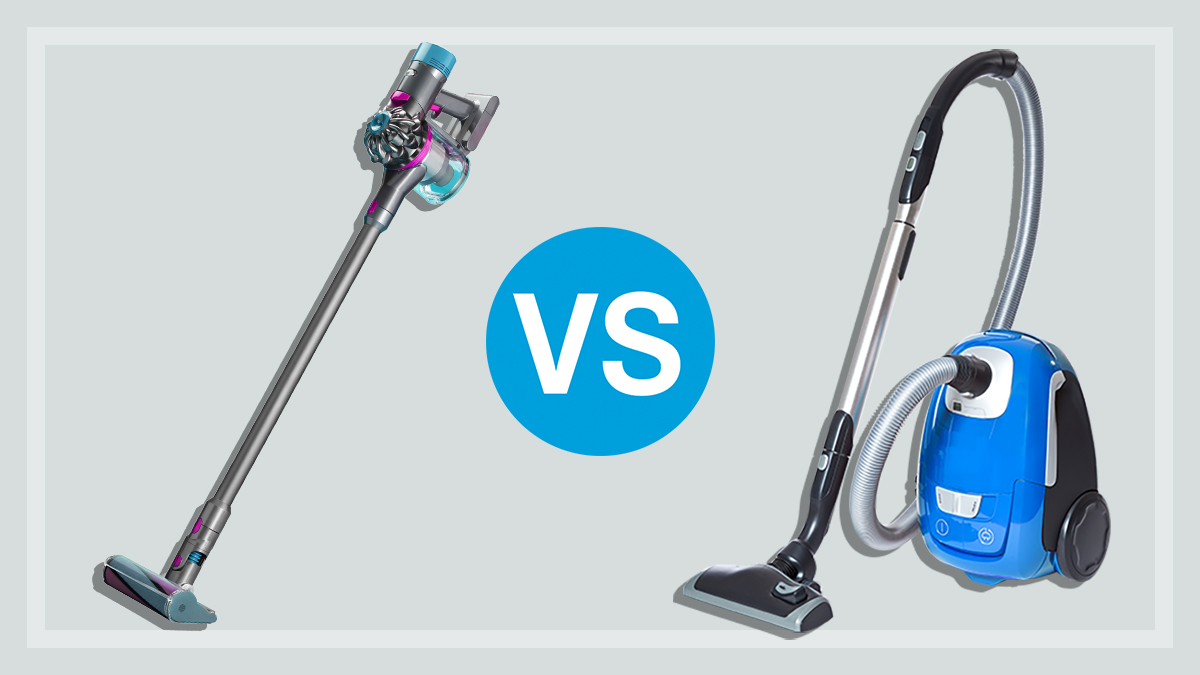
Corded car vacuums are traditional cleaning tools powered by plugging into an electrical outlet. They have a steady power source, making them reliable for thorough cleaning. These vacuums are popular for deep cleaning sessions because they do not lose power over time.
Power And Performance
Corded car vacuums offer strong suction power. They handle dirt, dust, and debris with ease. This makes cleaning carpets and seats more efficient. The constant power supply ensures consistent performance. It rarely drops during use, giving better cleaning results.
Continuous Operation
These vacuums run as long as they stay plugged in. There is no need to stop and recharge batteries. This is useful for cleaning large areas or multiple cars. You can clean without interruptions or worrying about battery life. It suits users who need longer cleaning sessions.
Limitations Of Cord Length
The cord limits how far you can move the vacuum. It can restrict cleaning in bigger spaces or tight areas. Extension cords help but can be inconvenient. The cord can get tangled or caught on objects. This sometimes makes cleaning slower or harder.
Common Features
Most corded car vacuums have lightweight designs for easy handling. They come with various attachments like crevice tools and brushes. These help reach corners and clean different surfaces. Many models include washable filters for better maintenance. The simple design makes them user-friendly for all.
Cordless Car Vacuums
Cordless car vacuums offer a flexible cleaning option. They remove dirt without the hassle of cords. These devices work on rechargeable batteries. They give freedom to clean anywhere, anytime. Perfect for quick cleanups and tight spaces inside cars.
Portability And Convenience
Cordless vacuums are light and easy to carry. No cords limit your movement. You can clean every corner of your car easily. They fit well in small storage spaces. Great for people who travel or park far from power sources.
Battery Life And Charging
Battery life varies from 15 to 40 minutes. Charging takes a few hours on average. Some models have removable batteries for quick swaps. Keep an eye on battery level to avoid interruptions. Ideal for short cleaning sessions or spot cleaning.
Power Compared To Corded Models
Cordless vacuums often have less suction power. This may affect deep cleaning of carpets or mats. They work well for light dirt and dust. Newer models improve power with better batteries. Best for regular maintenance rather than heavy cleaning.
Typical Features
Many cordless vacuums come with multiple attachments. Crevice tools help reach narrow spaces. Brush heads remove pet hair and debris. Some have LED lights for dark areas. Easy-to-empty dust containers make cleaning simple.
Pros Of Corded Vacuums
Corded vacuums offer several clear benefits. They provide reliable cleaning without interruptions. These vacuums connect directly to power outlets. This makes them a favorite choice for many car owners. Their design suits longer cleaning sessions inside vehicles.
Consistent Suction Power
Corded vacuums keep suction strong the entire time. They do not lose power as the job goes on. This means dirt and debris get removed easily. The steady power helps clean deep into carpets and seats. This makes cleaning faster and more effective.
No Battery Restrictions
These vacuums do not rely on batteries. No need to wait for charging or worry about battery life. You can clean as long as you want. This is helpful for larger cars or multiple vehicles. The cord allows continuous use without breaks.
Cost Efficiency
Corded vacuums usually cost less than cordless models. They require fewer parts, so repairs are cheaper. No battery replacement means less ongoing expense. This makes them a budget-friendly option. Good cleaning power without a high price tag.
Cons Of Corded Vacuums
Corded vacuums have been a reliable choice for many car owners. Yet, they come with some drawbacks that can affect your cleaning experience. Understanding these cons helps you decide if a corded vacuum fits your needs.
Restricted Mobility
Corded vacuums limit your movement because of the power cord. You must stay close to the outlet. This restriction makes it hard to clean large cars or areas far from sockets. Moving around becomes a hassle, especially in tight spaces.
Cord Management Issues
The cord can easily get tangled or caught on objects inside your car. Managing the cord takes extra time and effort. You might trip over it or damage the cord while cleaning. This adds frustration to what should be a simple task.
Dependency On Power Outlet
Corded vacuums need a constant power source to work. If no outlet is nearby, you cannot use the vacuum. This dependency limits your cleaning locations. Outdoor or remote areas become hard to clean without an extension cord.
Pros Of Cordless Vacuums
Cordless vacuums offer many benefits that make cleaning easier and more flexible. Their design frees users from the limits of a power cord. This freedom makes them a popular choice for quick and convenient car cleaning. Below are some key advantages of cordless vacuums.
Enhanced Mobility
Cordless vacuums allow you to move freely without worrying about cord length. You can reach every corner of your car without unplugging. This mobility saves time and effort during cleaning. No cords mean no tangles or tripping hazards.
Ease Of Use In Tight Spaces
The compact design helps you clean narrow areas inside the car. Cordless vacuums fit easily under seats and between cushions. They reach spots that larger vacuums cannot access. This feature makes them ideal for detailed car cleaning.
Lightweight Design
Cordless vacuums are usually lighter than corded models. This light weight reduces arm and hand fatigue during use. You can carry the vacuum around the car with ease. A lightweight vacuum is perfect for quick cleanups and regular use.
Cons Of Cordless Vacuums
Cordless car vacuums offer great freedom and convenience. Still, they come with some drawbacks that might affect your cleaning experience. Understanding these cons helps you choose the best vacuum for your needs.
Limited Run Time
Cordless vacuums rely on batteries. These batteries last for a limited time, usually between 15 to 30 minutes. This short run time may interrupt cleaning, especially for larger vehicles. You might need to recharge the vacuum often. This can slow down your cleaning process.
Power Variability
The suction power of cordless vacuums can vary. Most models lose power as the battery drains. This means cleaning can become less effective over time. Some cordless vacuums may struggle with heavy dirt or debris. This limits their use for deep cleaning jobs.
Higher Price Point
Cordless vacuums usually cost more than corded ones. The battery and technology increase the price. Replacement batteries can add extra expenses. This higher cost might not fit every budget. It’s important to weigh the price against your cleaning needs.
Choosing The Right Vacuum
Choosing the right car vacuum is important for keeping your vehicle clean. Different vacuums suit different needs. Understanding your cleaning habits helps pick the best option. Consider how often you clean and what kind of messes you face.
Assessing Cleaning Needs
Think about the types of dirt in your car. Dust, crumbs, and pet hair need different tools. Corded vacuums usually have stronger suction for deep cleaning. Cordless models are good for quick pickups and small spills. Match the vacuum to the mess you clean most.
Budget Considerations
Set a budget before choosing a vacuum. Corded vacuums often cost less for the power they provide. Cordless vacuums may be pricier because of batteries and portability. Remember to include battery replacements or extra bags if needed.
Frequency Of Use
How often you clean affects the best choice. Frequent users may prefer corded vacuums for continuous power. Casual users might like cordless vacuums for ease and speed. Batteries in cordless vacuums may need charging after each use.
Vehicle Size And Interior
Large vehicles need vacuums with longer cords or strong batteries. Small cars fit well with lightweight, cordless vacuums. Consider the interior surface too. Carpets need stronger suction than leather or plastic seats. Choose a vacuum that handles your car’s interior well.
Maintenance Tips
Proper maintenance keeps your car vacuum working well for years. It helps avoid common problems and saves money on repairs. Simple care steps improve suction and battery life. Follow these tips to keep your vacuum clean and ready.
Cleaning Filters
Filters catch dust and dirt inside the vacuum. Dirty filters reduce suction power fast. Remove filters regularly and tap out dust gently. Wash some filters with water, but check instructions first. Let filters dry completely before putting them back. Clean filters every few uses for best results.
Battery Care For Cordless Models
Battery health is key for cordless vacuums. Charge the battery fully before first use. Avoid leaving the vacuum plugged in all the time. Use the vacuum until the battery is low, then recharge. Store the vacuum in a cool, dry place. Replace the battery if it holds less power.
Cord Storage And Handling
Keep cords untangled and free from damage. Wrap the cord loosely after use to avoid bends. Avoid pulling the vacuum by the cord. Store the vacuum away from sharp edges and heat. Proper cord care prevents shorts and extends vacuum life.

Frequently Asked Questions
What Are The Main Differences Between Corded And Cordless Car Vacuums?
Corded vacuums offer continuous power but limit mobility. Cordless vacuums provide freedom of movement but have limited battery life. Choosing depends on your cleaning needs and convenience preferences.
Which Car Vacuum Type Is Better For Deep Cleaning?
Corded vacuums typically deliver stronger suction for thorough cleaning. Cordless models are ideal for quick, light cleanups. For deep cleaning, corded vacuums are generally more effective.
How Long Do Cordless Car Vacuum Batteries Usually Last?
Most cordless car vacuum batteries last between 15 to 30 minutes per charge. Battery life varies by model and usage intensity. Quick cleaning tasks fit well within this timeframe.
Are Corded Car Vacuums Easier To Maintain?
Corded vacuums often require less maintenance since they lack batteries. They don’t need charging or battery replacements. Maintenance mainly involves cleaning filters and emptying dust containers.
Conclusion
Choosing between corded and cordless car vacuums depends on your needs. Corded vacuums offer constant power and longer use time. Cordless vacuums provide freedom to move without a cord. Battery life limits cordless vacuum cleaning time. Corded models may restrict your reach due to the cord.
Both types clean well but suit different situations. Consider your car size and cleaning habits. Pick the vacuum that fits your lifestyle best. Clean cars start with the right vacuum choice. Simple and smart.