Have you ever noticed how even after cleaning your car, tiny dust and allergens still seem to linger? If you care about keeping your car truly clean and your air fresh, you might be wondering if a car vacuum with a HEPA filter is really necessary.
This isn’t just about picking up dirt—it’s about protecting your health and making your driving experience more comfortable. You’ll discover what a HEPA filter does, why it matters for your car, and whether investing in one is worth it for you.
Keep reading to find out how you can breathe easier every time you hit the road.

Benefits Of Hepa Filters In Car Vacuums
HEPA filters in car vacuums offer clear benefits. They help keep the air inside your vehicle cleaner. These filters trap tiny particles that regular filters miss. This makes your car a healthier place to be. The benefits go beyond just cleaning the floor or seats. They improve overall air quality and comfort during every ride.
Using a HEPA filter means capturing dust, pollen, and other allergens. It also reduces the number of fine particles that float in the air. This is especially helpful for people with allergies or breathing problems. A cleaner cabin environment leads to better health and a more pleasant drive.
How Hepa Filters Improve Air Quality
HEPA filters trap particles as small as 0.3 microns. These include dust, smoke, and pollen. They prevent these particles from recirculating in the car. The result is fresher and cleaner air inside the vehicle. This filter works better than standard vacuum filters. It removes contaminants that can cause bad odors and discomfort.
Capturing Allergens And Fine Dust
Allergens like pet dander and pollen often hide in car interiors. HEPA filters catch these tiny particles effectively. Fine dust from roads and pollution also gets trapped. This reduces the risk of allergic reactions and sneezing. It keeps the car environment safer for sensitive passengers. The filter helps maintain a cleaner surface and air.
Impact On Health And Comfort
Breathing cleaner air reduces irritation in the nose and throat. It lowers the chance of coughing and allergy symptoms. Passengers feel more comfortable during long drives. HEPA filters contribute to better overall health in the car. They create a more pleasant space for everyone inside.
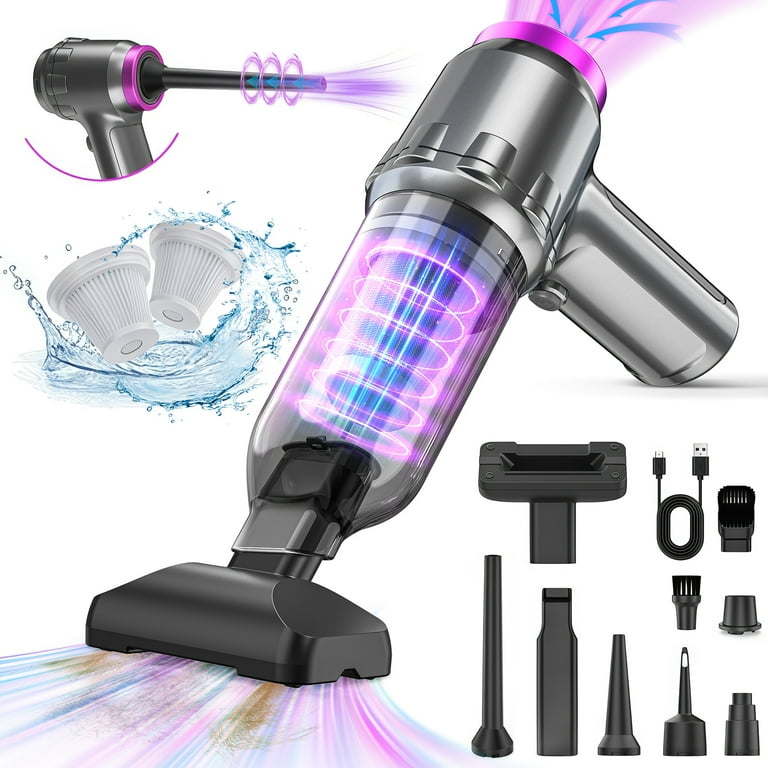
Comparing Hepa And Regular Filters
Choosing the right filter for your car vacuum matters. HEPA filters and regular filters catch dirt differently. Knowing their differences helps pick the best option for your needs. Let’s compare them in key areas.
Filtration Efficiency Differences
HEPA filters trap tiny particles like dust and pollen. They capture 99.97% of particles as small as 0.3 microns. Regular filters catch larger dirt and dust but miss smaller allergens. HEPA filters help improve air quality inside your car. Regular filters work well for general cleaning but do not filter fine dust.
Durability And Maintenance Needs
HEPA filters last longer but need careful cleaning. They require gentle washing or replacement to keep working well. Regular filters can be cleaned more roughly but may wear out faster. Both types need regular maintenance to keep your vacuum running strong. Ignoring filter care reduces vacuum power and air quality.
Cost Implications
HEPA filters cost more upfront than regular filters. Their higher price reflects better filtration and durability. Regular filters are cheaper but may need more frequent replacement. Choosing HEPA means spending more once but less often. Regular filters save money now but may cost more over time.
When A Hepa Filter Is Essential
A HEPA filter in a car vacuum becomes essential in certain situations. It captures tiny particles that regular filters miss. This makes the air inside your vehicle cleaner and safer. Some people benefit more from a HEPA filter than others.
Understanding when a HEPA filter is necessary helps you choose the right vacuum. It protects health and keeps your car fresh.
Allergy And Asthma Considerations
People with allergies or asthma need extra care. Dust, pollen, and other allergens can trigger attacks. A HEPA filter traps these small particles effectively. This reduces allergy symptoms inside the car. It creates a healthier environment for sensitive passengers.
Pet Owners And Hepa Filters
Pets shed hair and dander that can cause irritation. These tiny particles spread quickly and settle in car seats. A vacuum with a HEPA filter catches pet dander and hair better. It helps keep the car cleaner and reduces odors. Pet owners benefit greatly from this extra filtration.
Frequent Use In Dusty Environments
Cars used in dusty or sandy places collect more dirt. Dust particles can harm the air quality inside. A HEPA filter traps even the smallest dust particles. This prevents dust from recirculating and keeps the car interior cleaner. It is a good choice for those who drive in rough conditions often.
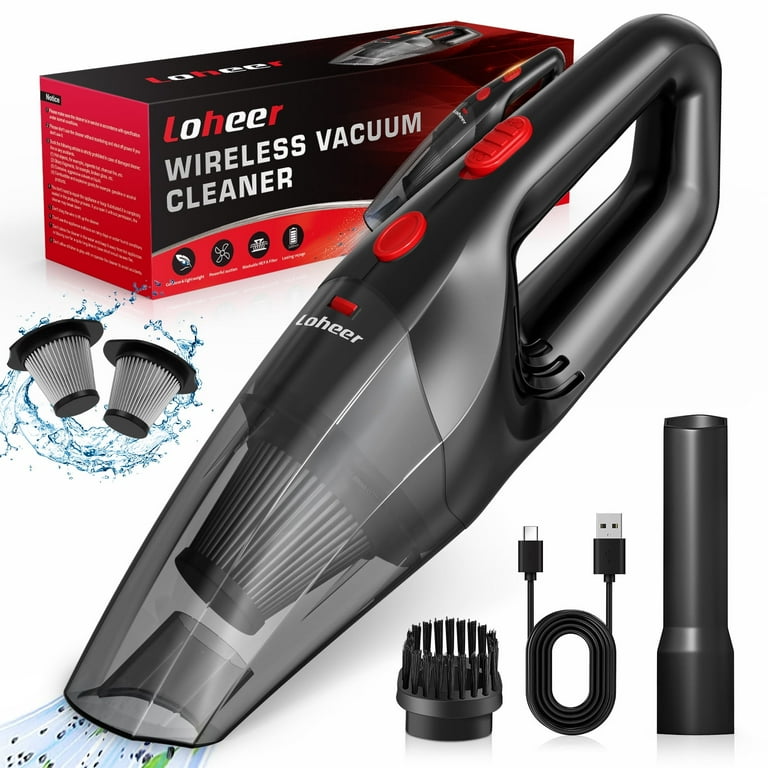
Choosing The Right Car Vacuum With Hepa Filter
Choosing the right car vacuum with a HEPA filter makes cleaning easier and healthier. It captures tiny dust particles, pollen, and allergens inside your car. This keeps the air fresh and reduces allergy symptoms. Picking the best model depends on several important factors.
Key Features To Look For
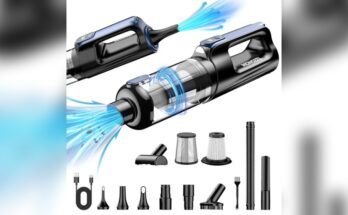
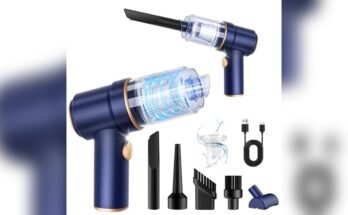
Start with a strong HEPA filter to trap small particles. Check the vacuum’s suction power to clean dirt and debris well. A lightweight and compact design helps you reach tight spots. Easy-to-empty dustbins save time and effort. Attachments like crevice tools and brushes improve cleaning.
Corded Vs. Cordless Models
Corded vacuums offer constant power and stronger suction. They work well for long cleaning sessions without stopping. Cordless models give freedom to move without a cord. They are better for quick cleanups and hard-to-reach areas. Choose based on your cleaning habits and convenience.
Battery Life And Suction Power
Long battery life is crucial for cordless vacuums. It ensures you can clean the whole car at once. Suction power affects how well the vacuum picks up dirt. Higher suction handles heavy debris and pet hair easily. Balance battery life with suction power for the best results.
Maintaining Your Hepa Filter Vacuum
Maintaining your HEPA filter vacuum is key to keeping your car clean and healthy. A well-kept vacuum works better and lasts longer. Dirt and dust can clog the filter, reducing its power. Regular care helps the vacuum pick up tiny particles effectively. This section explains how to care for your HEPA filter vacuum.
Cleaning And Replacement Tips
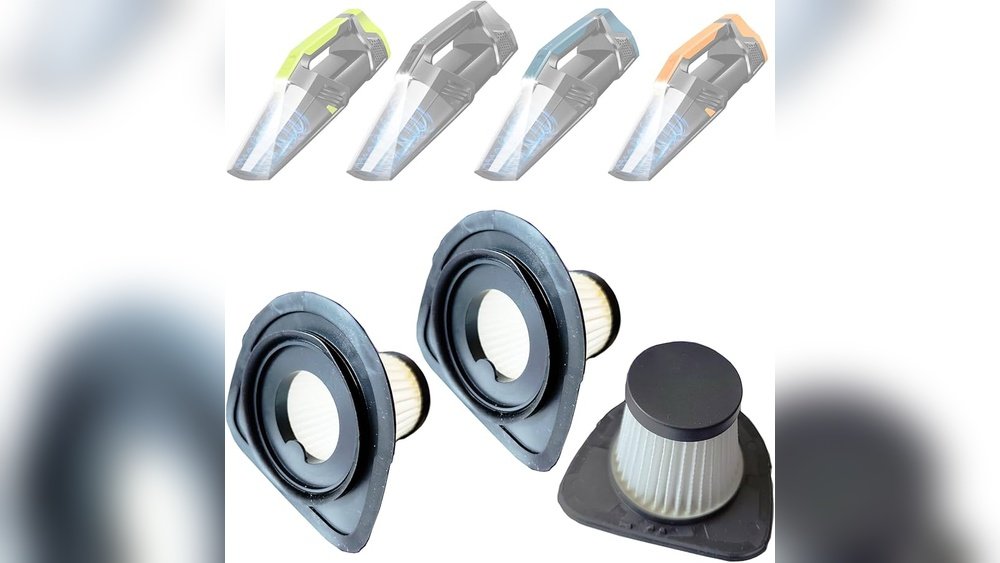
Clean the filter after every few uses. Tap the filter gently to remove dust. Use a soft brush to clear stuck dirt. Avoid washing the filter unless the manual says it is safe. Replace the filter every 6 to 12 months. A new filter keeps the vacuum working well. Always buy the correct filter model for your vacuum.
Extending Filter Lifespan
Empty the vacuum dustbin often. A full dustbin makes the vacuum work harder. Store the vacuum in a dry place. Moisture can damage the filter material. Use the vacuum on dry surfaces only. Wet dirt can clog or damage the filter. Handle the filter carefully during cleaning and replacement. Rough handling can tear or damage it.
Troubleshooting Common Issues
Weak suction may mean the filter is clogged. Clean or replace the filter to restore power. Strange smells can come from a dirty filter. Replace the filter to stop odors. If the vacuum stops working, check for blockages in tubes and hoses. Clear any clogs to fix airflow. Contact customer support if problems continue after cleaning and replacement.
Cost Vs. Benefits Of Hepa Car Vacuums
Choosing a car vacuum with a HEPA filter involves weighing the costs against the benefits. These vacuums typically cost more than standard models. The question arises: does the extra price bring enough value? Understanding the financial impact helps make a smart choice.
Initial Investment Analysis
HEPA car vacuums often come with a higher price tag. This is due to advanced filtration technology. The initial cost can be double or more compared to regular vacuums. This price covers better filters and stronger suction power. Buyers must consider this upfront expense carefully.
Long-term Savings And Value
HEPA filters trap tiny particles, reducing allergens inside your car. This can improve air quality and protect health over time. These vacuums also tend to last longer. They need fewer filter replacements, which saves money. Cleaner cars may require less frequent professional cleaning.
Is It Worth The Extra Cost?
Deciding if a HEPA vacuum is worth it depends on needs. For allergy sufferers, the improved air quality is valuable. Those who clean often may benefit from better performance and durability. The higher price pays off through health benefits and long-term savings.
Frequently Asked Questions
What Is A Hepa Filter In A Car Vacuum?
A HEPA filter captures 99. 97% of particles as small as 0. 3 microns. It improves air quality inside your car by trapping dust, allergens, and pollutants effectively.
Does A Hepa Filter Improve Car Vacuum Performance?
Yes, it enhances filtration efficiency by trapping tiny particles. This results in cleaner air and prevents allergens from recirculating inside your vehicle, making cleaning more thorough.
Is A Car Vacuum With Hepa Filter Necessary?
If you suffer from allergies or want superior air quality, it is necessary. HEPA filters provide better dust and allergen removal than standard filters in car vacuums.
How Often Should I Replace The Hepa Filter?
Replace the HEPA filter every 6 to 12 months or as recommended. Regular replacement ensures optimal filtration and maintains your car vacuum’s cleaning efficiency.
Conclusion
A car vacuum with a HEPA filter helps keep your car air cleaner. It traps tiny dust and allergens that normal vacuums miss. This can improve air quality inside your vehicle. Especially helpful for allergy sufferers or families with kids.
It also helps keep your car’s interior fresh and healthy. Choosing one depends on your needs and budget. Clean air matters on every drive. Consider a HEPA filter vacuum for a cleaner, safer ride.