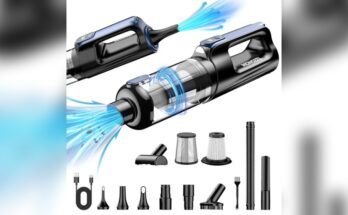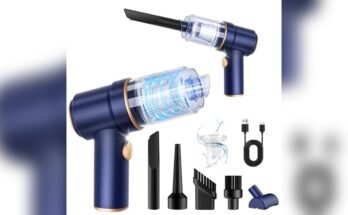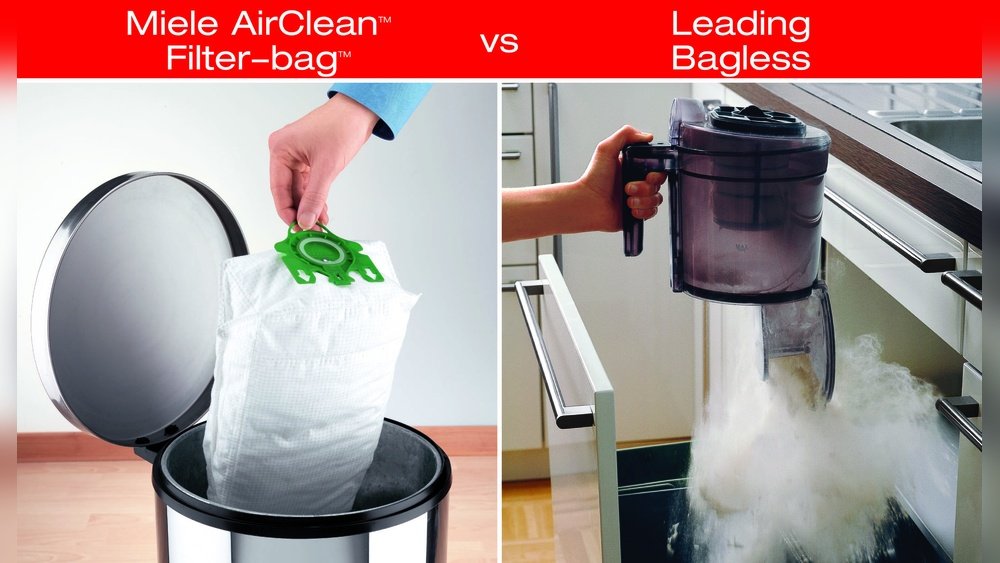
When it comes to keeping your car clean, choosing the right vacuum can make all the difference. You might be wondering: should you go for a car vacuum with a bag or a bagless one?
Each type has its own benefits and drawbacks that can affect how easy and effective your cleaning routine will be. You’ll discover which option suits your needs best, helping you save time, effort, and maybe even money. Keep reading to find out what really works for your car and why this choice matters more than you think.
Types Of Car Vacuums
Car vacuums come in different types. Choosing the right one helps keep your car clean and fresh. Two main types are bagged and bagless vacuums. Each has features that suit different needs. Understanding these can help you decide which fits your car care routine.
Bagged Vacuums
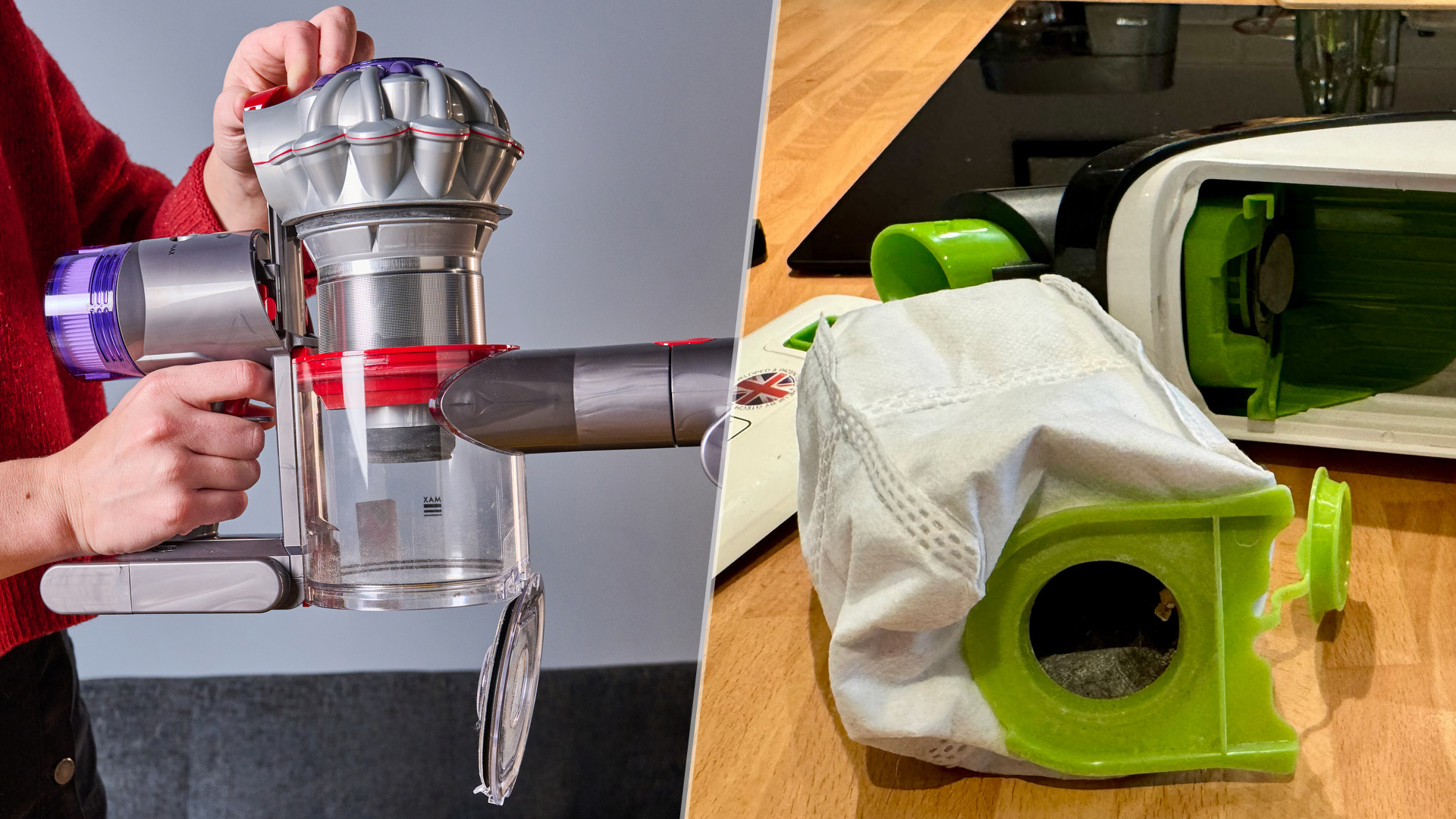
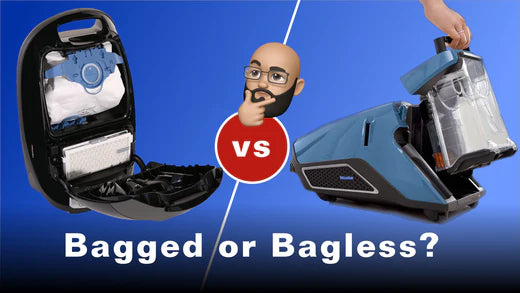
Bagged vacuums collect dirt and dust in a disposable bag. This bag traps particles inside, making it easy to throw away mess. These vacuums often keep the air cleaner during use. Changing the bag regularly keeps the vacuum working well. They are good for people who want less dust exposure. Bags need to be replaced, which adds ongoing cost.
Bagless Vacuums
Bagless vacuums store dirt in a clear container. You can see when it needs emptying. Emptying is simple and quick. No need to buy bags. Some models have filters that capture fine dust. Cleaning these filters is important to keep suction strong. Bagless vacuums save money over time. They are a popular choice for easy maintenance.

Cleaning Performance
Cleaning performance is a key factor in choosing a car vacuum. It affects how well the vacuum removes dirt and dust. Both bag and bagless models have strengths and limits. Understanding these helps pick the right tool for your car’s needs.
Suction Power
Suction power shows how strong the vacuum pulls dirt. Bag vacuums often keep steady suction because bags trap dust well. This stops clogs and loss of power. Bagless models may lose suction as dust fills the container. Regular emptying can help, but power can still drop faster. Strong suction means better cleaning in tight spots and carpets.
Filtration Efficiency
Filtration stops dust and allergens from escaping back into the air. Bag vacuums use fabric bags that catch fine particles well. This makes them good for allergy sufferers. Bagless vacuums use filters that need frequent cleaning or replacing. If filters are dirty, dust leaks out. For clean air inside your car, bag vacuums usually perform better. Clean filters keep your car fresh and healthy.
Maintenance And Convenience
Maintenance and convenience play a big role in choosing between a car vacuum with a bag or a bagless model. Both types need regular care to work well and last longer. Understanding how easy they are to clean and maintain helps you pick the best option for your needs.
Emptying And Cleaning
Vacuum models with bags require removing and throwing away the bag. This keeps dust and dirt contained. It is a clean process but you must buy replacement bags often.
Bagless vacuums have a dust container that you empty after use. You can see when it is full. Cleaning the container is simple but dust may escape into the air.
Both types need you to clean the vacuum parts regularly. This stops blockages and keeps suction strong. Bagged vacuums tend to be less messy during emptying.
Filter Replacement
Filters trap fine dust and help keep air clean. Bagged vacuums usually have filters inside the bag. When you replace the bag, the filter is also replaced.
Bagless vacuums have filters that need cleaning or changing separately. These filters can be washed or replaced depending on the model. Regular filter care keeps your vacuum working well.
Replacing filters is simple but must be done often for bagless types. Bag vacuums reduce this task since the bag works as a filter too.
Durability And Lifespan
Durability and lifespan matter a lot when choosing a car vacuum. A vacuum that lasts longer saves money and effort. Both bagged and bagless models have different strengths here. Understanding these can help pick the right one for daily use.
Durability Of Car Vacuums With Bags
Car vacuums with bags tend to have fewer parts exposed to dust. This design protects the motor from dirt. Bags trap debris well, reducing wear on internal parts. This can extend the vacuum’s life. Replacing bags keeps the vacuum working smoothly. The bag acts as a shield, preventing damage.
Durability Of Bagless Car Vacuums
Bagless vacuums rely on filters and dust containers. Filters need regular cleaning to avoid clogging. Dust can reach the motor if filters fail. Frequent maintenance is key for durability. Some models use washable filters to reduce costs. Plastic parts may wear faster due to direct dust contact.
Lifespan Comparison Between Bagged And Bagless
Bagged vacuums often last longer with proper care. Bags are easy to replace and keep the machine clean. Bagless models may need filter changes more often. Without regular cleaning, bagless vacuums can lose suction. Lifespan depends on use and maintenance habits. Both types can serve well for years if cared for.
Cost Comparison
Cost is a key factor for many when choosing a car vacuum. Both bag and bagless models have different costs. These differences can affect your budget over time. Understanding these costs helps you pick the right vacuum for your needs.
Initial Purchase Price
Bagless vacuums usually cost less at first. They have fewer parts and simpler designs. Bag vacuums tend to be a bit more expensive upfront. The price reflects the bag system and extra filters. Consider your budget before buying.
Ongoing Expenses
Bag vacuums require buying replacement bags regularly. These bags add to the total cost over time. Sometimes, special bags cost more than generic ones. Bagless vacuums have no bag costs. You only need to clean the dust container. Some bagless models need filter replacements, but less often.
Health And Allergies
Keeping your car clean is important for health. Dust and allergens can build up inside the car. This can cause sneezing, coughing, and other allergy symptoms. Choosing the right vacuum can help reduce these problems. Both bag and bagless car vacuums have different effects on health and allergies.
Dust Containment
Bag vacuums trap dust inside a sealed bag. This stops dust from escaping back into the air. When emptying the bag, dust is less likely to spread. Bagless vacuums collect dirt in a container. Emptying this container can release dust and particles. This may irritate allergy sufferers. Bag vacuums offer better dust containment overall.
Allergen Control
Bag vacuums often use HEPA filters. These filters catch tiny allergens like pollen and pet dander. This prevents allergens from returning to the car’s air. Bagless models may not always have strong filters. Dust and allergens can escape during cleanup. People with allergies benefit more from bag vacuums. They keep the car air cleaner and healthier.
Environmental Impact
Choosing between a car vacuum with a bag and a bagless model affects more than just convenience. It also impacts the environment. Understanding this impact helps you pick a cleaner, greener option for your car care.
Waste Generation
Bag vacuums produce disposable bags. These bags fill with dust and dirt. After use, they go to the trash. This creates more waste over time. Bagless vacuums use a reusable container. You empty it and wash it clean. Less waste means less harm to landfills and nature.
Energy Consumption
Bagged vacuums may lose suction as bags fill up. This forces the motor to work harder. More energy is used during cleaning. Bagless vacuums keep strong suction without extra effort. They tend to be more energy-efficient. Using less electricity helps lower your carbon footprint.
User Experience
User experience plays a big role in choosing a car vacuum cleaner. It affects how often you use the vacuum and how satisfied you feel after cleaning. Comfort, noise, and ease all matter a lot. These factors can make the cleaning process quick and stress-free. Let’s explore how bag and bagless car vacuums compare in user experience.
Ease Of Use
Bagless car vacuums usually win in ease of use. You just press a button and empty the dustbin. No need to buy or change bags. This saves time and effort. Bag vacuums require replacing bags often. This can be tricky and messy. Also, some bags may tear easily.
However, bag vacuums hold dirt better without dust escaping. They need less frequent emptying. This helps if you clean large messes. Some users find bag vacuums heavier to carry. Bagless models tend to be lighter and easier to handle.
Noise Levels
Noise levels affect comfort during cleaning. Bag vacuums often run quieter. The bag acts as a sound barrier. This reduces the loudness of the motor. Bagless models can be louder because of exposed parts.
Still, many modern bagless vacuums come with noise-reducing features. Some can operate at a sound level that won’t disturb others nearby. Quieter vacuums make cleaning less tiring. This helps if you clean your car often or for long times.
Best Situations For Each Type
Choosing the right car vacuum depends on your needs and habits. Both bagged and bagless types have clear benefits. Knowing when to pick each helps keep your car clean with less effort.
When To Choose Bagged
Bagged vacuums work well for people with allergies. They trap dust and dirt inside the bag. This stops particles from escaping back into the air. Emptying the vacuum is cleaner and less dusty. The bags also hold more dirt, so you empty them less often. Perfect for deep cleaning jobs or long trips.
When To Choose Bagless
Bagless vacuums suit those who want quick and easy cleaning. You can see the dirt collected in the clear container. It is simple to empty and reuse. No need to buy replacement bags. Great for light cleaning and frequent use. Ideal for people who want to save money on bags and want to clean fast.
Frequently Asked Questions
What Are The Main Differences Between Bag And Bagless Vacuums?
Bag vacuums use disposable bags to collect dirt, offering cleaner disposal. Bagless vacuums have a reusable container, which saves money but requires frequent emptying and cleaning.
Which Type Is Better For Allergy Sufferers?
Bag vacuums trap dust and allergens more effectively, reducing exposure. Bagless models may release dust during emptying, potentially aggravating allergies.
Are Bagless Vacuums More Cost-effective Long-term?
Yes, bagless vacuums eliminate the need to buy replacement bags, lowering costs. However, they may require more maintenance to keep filters clean and efficient.
How Does Suction Power Compare Between Bag And Bagless?
Both types offer strong suction, but bagless models sometimes lose suction as the container fills. Bag vacuums maintain consistent suction until the bag is full.
Conclusion
Choosing between a car vacuum with a bag or bagless depends on your needs. Bagged models keep dirt sealed, which is cleaner for emptying. Bagless vacuums show when they are full and save money on bags. Both types clean well, but maintenance differs.
Think about how often you clean and how easy you want the process. Either option can keep your car tidy. The right choice fits your habits and preferences best.