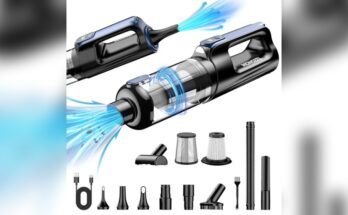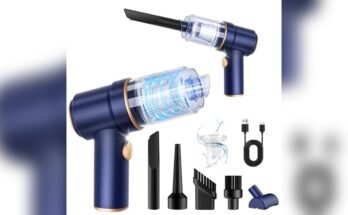
When it comes to keeping your car spotless, you might wonder: what really matters more—vacuum suction or airflow? You want a cleaner that grabs every crumb and dust particle without leaving a mess behind.
But which feature should you focus on to get the best results? Understanding the difference between suction power and airflow can save you time, money, and frustration. Stick with me, and you’ll discover exactly what to look for so your car stays fresh and clean, effortlessly.
Ready to find out which one wins the battle? Let’s dive in.
Car Vacuum Basics
Understanding the basics of car vacuums helps you clean your vehicle better. These tools remove dust, dirt, and crumbs from seats and floors. Knowing how they work makes choosing the right vacuum easier.
Two key parts affect cleaning: suction and airflow. Both play unique roles. Let’s explore how each one works inside a car vacuum.
How Vacuum Suction Works
Suction is the vacuum’s pull force. It draws dirt and debris into the machine. The stronger the suction, the easier it lifts particles off surfaces. Suction comes from a motor that creates low pressure inside the vacuum.
This low pressure pulls air—and anything in it—through the nozzle. Suction alone may not clean well if airflow is weak. It needs the right balance to capture dirt deeply.
Role Of Airflow In Cleaning
Airflow is the amount of air moving through the vacuum. It carries dirt from the nozzle into the dustbin or bag. Good airflow helps pick up larger debris and fine dust.
Too little airflow means dust stays stuck on surfaces. Strong airflow moves dirt quickly out of the car’s carpet or upholstery. Both suction and airflow must work together for best results.
Suction Power Explained
Suction power is a key feature of any car vacuum cleaner. It shows how strong the vacuum pulls dirt and debris from surfaces. Strong suction means better cleaning. It helps pick up small particles stuck deep in car carpets and seats.
Understanding suction power helps you choose the right vacuum. It is not just about the number on the box. The way suction is measured and how it affects cleaning matters a lot.
Measuring Suction Strength
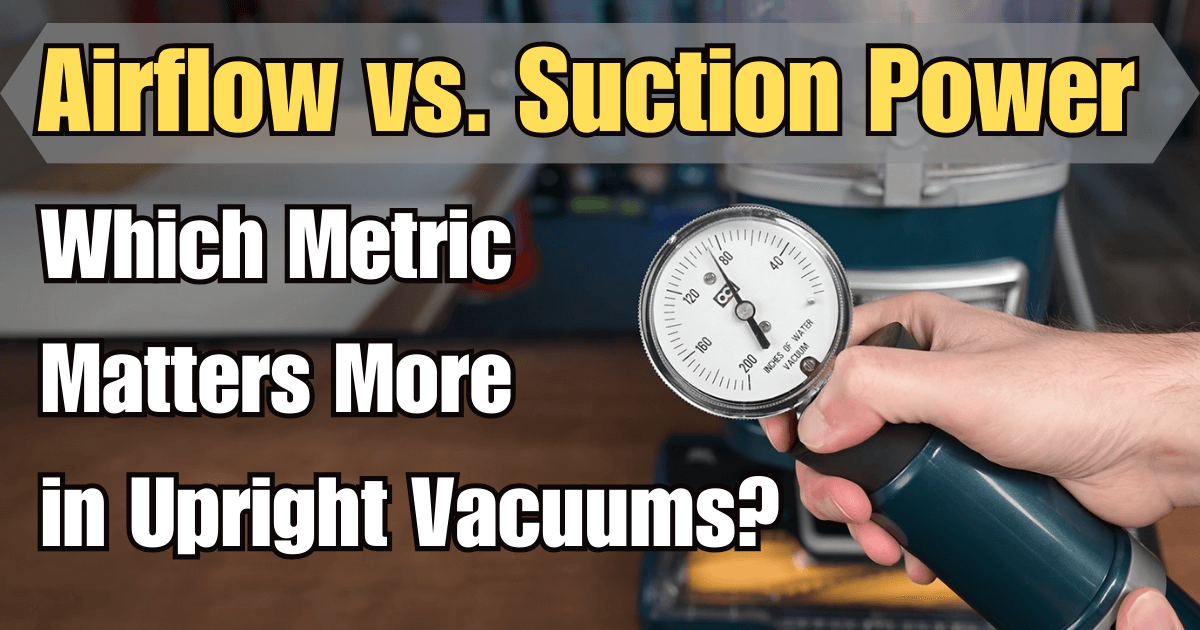
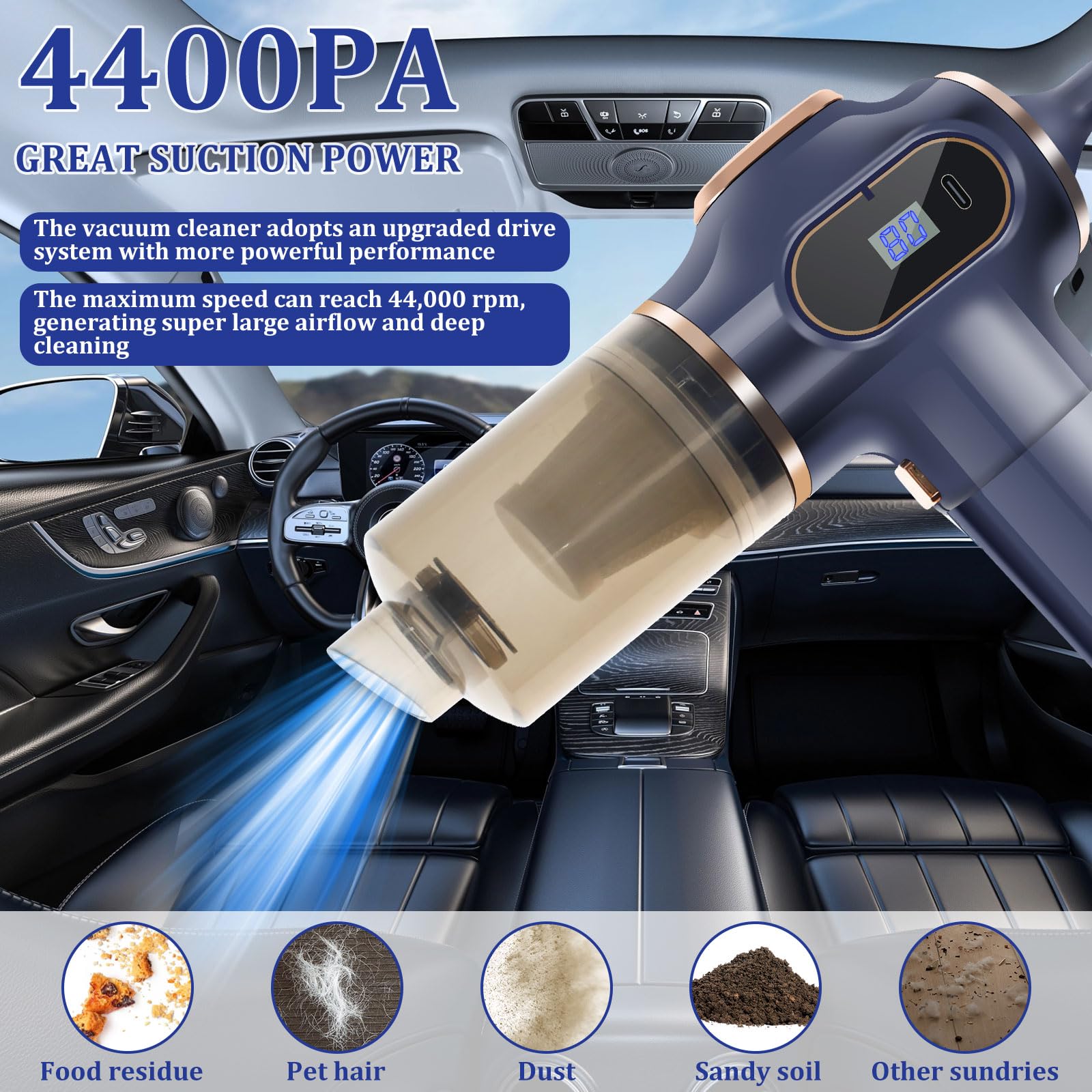
Suction strength is often measured in air watts or pascals. Air watts show the vacuum’s ability to move air and lift dirt. Pascals measure the pressure difference the vacuum creates.
Higher numbers usually mean stronger suction. But other factors like nozzle design also affect real cleaning power. Some vacuums have strong suction but poor airflow, which limits their performance.
Impact On Dirt Removal
Strong suction pulls dirt from tight spaces and carpet fibers. It works well on dry debris like dust and crumbs. Suction helps lift heavy particles that are hard to remove.
Good suction alone does not guarantee perfect cleaning. The vacuum must maintain airflow to carry dirt into the dustbin. If suction is strong but airflow is weak, dirt stays stuck and cleaning suffers.
Airflow Importance
Airflow plays a key role in how well a car vacuum cleans. It moves air through the vacuum, carrying dirt and dust away. Strong airflow helps remove debris from tight spaces and deep inside carpets. Without good airflow, the vacuum loses its cleaning power. Understanding airflow’s importance helps choose the right vacuum for your car.
Air Movement And Debris Lift
Airflow creates a steady air current inside the vacuum. This current picks up dirt and dust from surfaces. The moving air lifts debris from carpets and seats. Good airflow ensures the vacuum can reach deep into fibers. This makes cleaning thorough and effective. Low airflow means dirt stays stuck, reducing cleaning quality.
Airflow’s Role In Efficiency
Strong airflow makes the vacuum work faster and better. It moves debris quickly through the system, stopping clogs. High airflow also helps the vacuum use power well. This means less energy is wasted. Efficient airflow reduces the time needed for cleaning. It keeps the vacuum running smoothly during use.

Comparing Suction And Airflow
Choosing the right car vacuum means understanding suction and airflow. Both play key roles in cleaning power. Suction pulls dirt and debris from surfaces. Airflow moves the dirt through the vacuum and into the dustbin or bag. These two factors work together but have different strengths. Knowing their roles helps pick the best tool for your car cleaning needs.
Strengths Of High Suction
High suction means strong pulling power. It helps lift heavy dirt and stuck debris from carpets and seats. Pet hair, sand, and crumbs come off easier. High suction vacuums clean deep into fabric fibers. They handle thick mats and floor mats well. These vacuums often perform better on rough surfaces. Strong suction helps remove tough messes fast. It is ideal for serious cleaning jobs inside cars.
Benefits Of Strong Airflow
Strong airflow moves dirt quickly through the vacuum. It prevents clogging and keeps suction steady. Good airflow helps carry fine dust and small particles away. This improves overall cleaning efficiency. Airflow also helps cool the motor during use. It allows longer cleaning sessions without overheating. Vacuums with strong airflow clean smooth surfaces well. They excel in tight spaces and hard-to-reach areas.
Choosing The Right Vacuum
Choosing the right vacuum for your car is more than picking the strongest model. It involves understanding how suction and airflow affect cleaning. Both play roles, but their importance changes with the task. Knowing when to focus on suction or airflow helps find the best vacuum for your needs.
When Suction Matters Most
Suction power is the force that pulls dirt into the vacuum. It is crucial for picking up heavy debris like small stones or pet hair. When cleaning thick carpet or stubborn dirt, strong suction makes a big difference. Without enough suction, dirt stays stuck in the fibers. For deep cleaning, choose a vacuum with higher suction strength.
When Airflow Takes Priority
Airflow moves the dirt through the vacuum’s hose and filter. It is important for lifting fine dust and small particles. High airflow prevents clogging and keeps the vacuum working smoothly. For quick cleanups and loose debris, good airflow matters more than raw suction. A vacuum with balanced airflow cleans more evenly and avoids blockages.
Additional Features To Consider
Choosing the right car vacuum means more than just suction power or airflow. Additional features can improve your cleaning experience. These extras help reach tight spots, last longer, and keep your car fresh. Consider these features carefully to get the most from your vacuum.
Filters And Attachments
Good filters trap dust and keep air clean. HEPA filters are best for allergies. Some vacuums come with washable filters. This saves money over time. Attachments help clean hard-to-reach areas. Crevice tools reach narrow spaces. Brush tools lift dirt from carpets. Choose a vacuum with useful attachments for thorough cleaning.
Battery Life And Portability
Long battery life means more cleaning time. Cordless vacuums offer freedom of movement. Look for models with fast charging. Lightweight vacuums reduce hand fatigue. Compact sizes fit easily in your car. Portability makes cleaning quick and easy. Check battery life and size before buying.
Maintenance Tips For Peak Performance
Keeping your car vacuum in top shape helps it work better and last longer. Regular care ensures strong suction and steady airflow. Without proper maintenance, performance drops and cleaning gets harder.
Simple steps can keep your vacuum running smoothly. This section shares easy tips for best results.
Cleaning Filters And Nozzles
Filters catch dirt and dust but can clog quickly. Clean them often with water or a soft brush. Let filters dry completely before using again. Clogged filters reduce suction power.
Nozzles collect debris inside. Remove and wash nozzles regularly. Clear any blockages with a thin tool or brush. Clean nozzles keep airflow steady and suction strong.
Avoiding Common Issues
Check hoses and cords for cracks or breaks. Replace damaged parts to avoid leaks and power loss. Don’t vacuum large objects that can jam the machine.
Empty the dust container after each use. Overfilled bins reduce suction and strain the motor. Store your vacuum in a dry place to prevent rust and damage.
Frequently Asked Questions
What Is Suction Power In Car Vacuums?
Suction power measures a vacuum’s ability to lift dirt and debris. It determines how effectively the vacuum cleans surfaces inside your car. Higher suction usually means better dirt removal, especially for heavy particles. However, it’s not the only factor affecting cleaning performance.
How Does Airflow Affect Car Vacuum Efficiency?
Airflow refers to the volume of air moving through the vacuum. It helps carry dirt into the dust container. Strong airflow improves the vacuum’s ability to pick up fine dust and particles. Balanced airflow and suction work together for optimal cleaning.
Which Matters More: Suction Or Airflow?
Both suction and airflow are important for car vacuum performance. Suction helps pull debris, while airflow transports it into the vacuum. A good vacuum balances both to clean effectively. Focusing on only one may reduce cleaning efficiency.
Can High Suction Damage Car Interiors?
Excessive suction might harm delicate surfaces like leather or fabric. It can cause scratches or pull threads. Choose vacuums with adjustable suction settings to protect your car’s interior. Always test on a small area first.
Conclusion
Choosing between car vacuum suction and airflow depends on your cleaning needs. Suction power helps pick up heavy dirt and debris. Airflow moves dust and fine particles from tight spaces. Both features work best together for a clean car interior.
Focus on what matters more to you: deep cleaning or reaching small areas. A balanced vacuum can make car cleaning easier and faster. Keep your car tidy with the right vacuum choice. Simple and effective cleaning is always the goal.