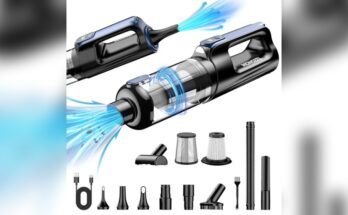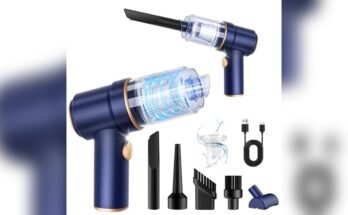
Your car vacuum is more than just a cleaning tool—it’s your secret weapon for keeping your car fresh and spotless. But if you want it to last and work at its best, you need to take care of it properly.
Imagine never having to worry about it losing power or getting clogged right when you need it most. You’ll discover simple and effective maintenance tips that will keep your car vacuum running smoothly for years. Keep reading to unlock easy habits that save you time, money, and frustration down the road.

Choosing The Right Vacuum
Choosing the right car vacuum is key to keeping your vehicle clean for a long time. A good vacuum makes cleaning easier and faster. Picking one that fits your needs helps you maintain your car better. Consider power, size, and type before buying. This guide helps you find the best vacuum for your car.
Corded Vs Cordless Models
Corded vacuums plug into your car or home power. They offer steady power and do not run out of battery. You can clean longer without stopping. Cordless vacuums use batteries. They are easy to carry and move around. No cords to limit your reach. Batteries need charging, so cleaning time may be shorter.
Suction Power Matters
Suction power affects how well the vacuum cleans. Strong suction removes dirt, dust, and crumbs quickly. Weak suction may leave debris behind. Check the vacuum’s power rating before buying. Higher suction is better for deep cleaning car carpets and seats.
Portability And Size
Size affects how easy the vacuum is to use and store. Small vacuums fit in tight spaces and glove compartments. Large vacuums can hold more dirt but may be hard to carry. Choose a size that matches your car and storage space. Lightweight models reduce hand fatigue during cleaning.
Regular Cleaning Routine
Keeping your car vacuum in good shape means cleaning it often. A regular cleaning routine helps your vacuum work well for a long time. It stops dust and dirt from building up inside. This keeps the vacuum strong and ready to use anytime. Follow simple steps to clean your vacuum after each use.
Emptying The Dustbin
Always empty the dustbin after every cleaning session. A full dustbin lowers suction power. Take it out carefully to avoid dust clouds. Tap it gently to remove stuck dirt. Rinse with water if needed, but let it dry completely before putting it back.
Cleaning Filters
Filters catch tiny dirt particles. They need regular cleaning to keep air flowing well. Remove the filters and tap them to shake off dust. Wash with water if the filter looks very dirty. Wait until fully dry before reinstalling. Replace filters as the manual suggests for best results.
Wiping Attachments
Brushes and nozzles collect dust and hair. Wipe them down with a damp cloth after use. Check for clogs or debris inside. Clean any blockages to keep air flowing freely. This simple step prevents damage and keeps your vacuum working smoothly.
Filter Maintenance
Proper filter maintenance is key to keeping your car vacuum working well for years. Filters catch dust and dirt, stopping them from clogging the motor. Clean filters help your vacuum suck better and last longer. Neglecting filters can lower suction and damage the vacuum.
Types Of Filters
Car vacuums use mainly two filter types. One is a foam filter, soft and washable. The other is a HEPA filter, which traps tiny particles. Foam filters are common and easy to clean. HEPA filters are better for allergy sufferers but need careful handling. Know your filter type to maintain it correctly.
When To Replace Filters
Replace filters if they look worn or damaged. A dirty filter reduces suction power. Foam filters usually need replacement every 3 to 6 months. HEPA filters last longer but change them every 6 to 12 months. Always follow your vacuum’s manual for best results.
Cleaning Washable Filters
Remove the filter gently from the vacuum. Tap it lightly to knock off loose dirt. Wash foam filters with warm water and mild soap. Rinse well and let them dry completely before reinstalling. Never wash HEPA filters unless the manual says it’s safe. Clean filters keep your vacuum running strong.

Proper Storage Tips
Proper storage keeps your car vacuum in good shape for a long time. It protects the vacuum from damage and dirt. Storing it right also makes it easy to find and use. Follow these simple storage tips to keep your vacuum working well.
Avoiding Moisture
Keep the vacuum away from damp places. Moisture can cause rust and damage the motor. Store it in a dry room or closet. Use a cloth to wipe off any wet dirt before storing. This prevents mold and bad smells inside the vacuum.
Safe Cord Management
Wrap the cord loosely to avoid breaks. Do not twist or pull the cord hard. Use the built-in hooks or straps if your vacuum has them. Proper cord care stops electrical problems and keeps the cord strong. It also prevents tripping hazards in your storage area.
Storing Attachments
Keep all vacuum attachments in one place. Use a small box or bag to store them. This stops the parts from getting lost or damaged. Clean attachments before storing. Organized storage saves time and makes vacuuming easier next time.
Battery Care For Cordless Models
Battery care is key for cordless car vacuums. Good care keeps the vacuum ready to use. It also helps the battery last longer. Batteries wear out fast without proper handling. Follow simple steps to protect your battery and save money.
Charging Best Practices
Charge the vacuum fully before the first use. Use the charger that comes with your vacuum. Avoid charging from unknown or cheap chargers. Charge the battery in a cool, dry place. Keep the vacuum off while charging for safety.
Avoiding Overcharging
Do not leave the vacuum plugged in all the time. Overcharging can damage the battery cells. Unplug the charger once the battery is full. Use chargers with auto shut-off features if possible. Avoid charging overnight to protect battery health.
Extending Battery Lifespan
Run the battery down at least once a month. Avoid completely draining the battery often. Store the vacuum with a half-charged battery if not used. Keep the vacuum away from extreme heat or cold. Regular care keeps the battery working well for years.
Troubleshooting Common Issues
Car vacuums face common problems during use. Knowing how to fix these issues saves time and money. Most problems have simple solutions. Troubleshooting helps keep your vacuum working well for years.
Loss Of Suction
Loss of suction is a frequent problem. Dirt and debris can block the filter or dustbin. Empty the dustbin regularly. Clean or replace the filter as needed. Check for holes or tears in the vacuum bag. Make sure the vacuum is fully charged or plugged in. Clear any blockages in the hose or nozzle. Strong suction is key for effective cleaning.
Unusual Noises
Strange sounds may mean a mechanical issue. Loose parts can rattle inside the vacuum. Tighten screws or clips carefully. A worn-out motor can cause buzzing or grinding noises. Stop using the vacuum if noise gets worse. Unusual sounds often signal the need for repair or replacement parts. Regular maintenance reduces the risk of these noises.
Clogged Hoses
Hoses can get clogged with hair, dirt, or small objects. This blocks airflow and lowers suction power. Detach the hose and look inside. Use a long, flexible brush or stick to remove clogs. Avoid using sharp tools that can damage the hose. Inspect the hose regularly to prevent build-up. Clean hoses improve vacuum efficiency and extend its life.
Using The Right Attachments
Choosing the right attachments can make car vacuuming easier and more effective. Each tool has a special use for different surfaces and spots. Using these tools correctly helps keep your car clean and protects your vacuum for a long time.
Brushes For Upholstery
Brush attachments work well on car seats and fabric areas. They loosen dirt and dust stuck deep in the fibers. Soft bristles prevent damage to delicate materials. Move the brush gently over the seats for best results. Regular use keeps upholstery fresh and clean.
Crevice Tools For Tight Spots
Crevice tools reach narrow spaces between seats and corners. Their slim shape fits areas where other tools cannot. Dirt and crumbs hide in these tight spots often. Use this attachment to remove buildup easily. It helps keep your car’s interior tidy and neat.
Pet Hair Removal Tips
Pet hair sticks tightly to car seats and carpets. Use a brush or rubber attachment to lift hair. Rubbing in one direction collects hair quickly. Vacuum the area after brushing to pick up loose hairs. Frequent cleaning prevents hair from piling up over time.
Safety Precautions
Safety is key when using a car vacuum. Following safety rules keeps you and your vacuum safe. It also helps the vacuum last longer. Small mistakes can cause electric shocks or damage. Learn these safety tips to protect yourself and your device.
Avoiding Electrical Hazards
Always check the power cord for cuts or damage. Do not use the vacuum if the cord is frayed. Unplug the vacuum before cleaning or fixing it. Avoid pulling the cord to unplug. Keep the cord away from water and sharp objects.
Handling Wet Debris
Do not vacuum wet or damp dirt unless the vacuum is made for it. Water can damage the vacuum motor. Use a wet/dry vacuum for wet messes. Empty the vacuum container after use. Let wet parts dry completely before using again.
Proper Use Guidelines
Read the user manual before using the vacuum. Use the vacuum only for car interiors. Avoid picking up large or sharp objects. Do not block the air vents or filters. Store the vacuum in a dry, cool place after use.
Frequently Asked Questions
How Often Should I Clean My Car Vacuum Filter?
Cleaning the filter every 1-2 months maintains suction power and prevents damage. Regular cleaning extends the vacuum’s life and improves performance.
What Is The Best Way To Store A Car Vacuum?
Store your car vacuum in a dry, cool place. Avoid extreme temperatures and moisture to prevent damage and ensure long-term usability.
Can I Use My Car Vacuum For Wet And Dry Debris?
Check the vacuum’s specifications first. Some models support both wet and dry cleaning, but using the wrong type can cause damage.
How Do I Prevent My Car Vacuum From Overheating?
Avoid running the vacuum continuously for more than 15 minutes. Allow it to cool down between uses to prevent motor damage.
Conclusion
Taking care of your car vacuum helps it last much longer. Clean filters and empty dustbins often. Check for clogs and keep the nozzle clear. Store it in a dry, safe place. Regular maintenance saves money and improves performance. Small efforts make a big difference over time.
Enjoy a cleaner car with less hassle. Keep these tips in mind for best results. Your vacuum will work well for years ahead. Simple care leads to long-term use and reliability.