Are you tired of scrubbing your kitchen surfaces for what feels like hours? Imagine cutting your cleaning time in half while getting your kitchen sparkling clean with less effort.
That’s where an electric spin scrubber could change the game for you. But can you really trust this tool to tackle all those tough kitchen messes? Keep reading to discover how an electric spin scrubber works, whether it’s right for your kitchen cleaning routine, and tips to get the best results every time.
Your kitchen cleanup might just become your new favorite chore.
Benefits Of Electric Spin Scrubbers
Electric spin scrubbers bring many benefits for kitchen cleaning. They help make cleaning faster and easier. These tools use spinning brush heads to clean surfaces deeply. They work well on sinks, countertops, stovetops, and tiles. Many people find them useful for regular kitchen chores.
Time-saving Cleaning
Electric spin scrubbers clean surfaces quickly. The spinning action covers more area in less time. They reduce the need to scrub manually for long periods. This tool helps finish kitchen tasks faster. It frees up time for other activities.
Effective Dirt Removal
The brushes on spin scrubbers reach dirt in hard spots. They remove grease, stains, and grime well. The powerful rotation lifts dirt from surfaces easily. This results in a more thorough clean. It helps keep kitchens hygienic and fresh.
Reduced Physical Effort
Using a spin scrubber needs less strength than scrubbing by hand. The motor does the hard work of scrubbing. It reduces strain on hands and wrists. This is helpful for people with limited strength or pain. Cleaning becomes less tiring and more comfortable.

Suitable Kitchen Surfaces
An electric spin scrubber works well on many kitchen surfaces. It saves time and effort. It cleans tough stains and dirt easily. The tool suits different materials and shapes. Knowing which surfaces work best helps avoid damage.
Countertops And Backsplashes
Electric spin scrubbers clean countertops quickly. They remove grease and food stains well. Use soft brush heads for delicate surfaces like granite or marble. Harder brushes fit ceramic or tile backsplashes. The scrubber reaches grout lines better than cloths.
Sinks And Faucets
The scrubber cleans sinks without scratching. It removes soap scum and water spots fast. Faucets get shiny again with gentle scrubbing. Small brush heads fit tight corners and curves. Regular use keeps these areas hygienic and bright.
Stovetops And Ovens
Stovetops collect grease and burnt food. The spin scrubber breaks down grime efficiently. Use tougher brushes for metal surfaces. Oven doors and handles benefit from deep cleaning. Avoid using on glass panels to prevent scratches.
Cabinet Doors And Handles
Cabinet doors gather dust and fingerprints. The scrubber removes dirt without damage. Choose soft brush heads for painted surfaces. Handles and knobs get clean from grime and oils. The tool fits well in small spaces around handles.
Choosing The Right Scrubber Head
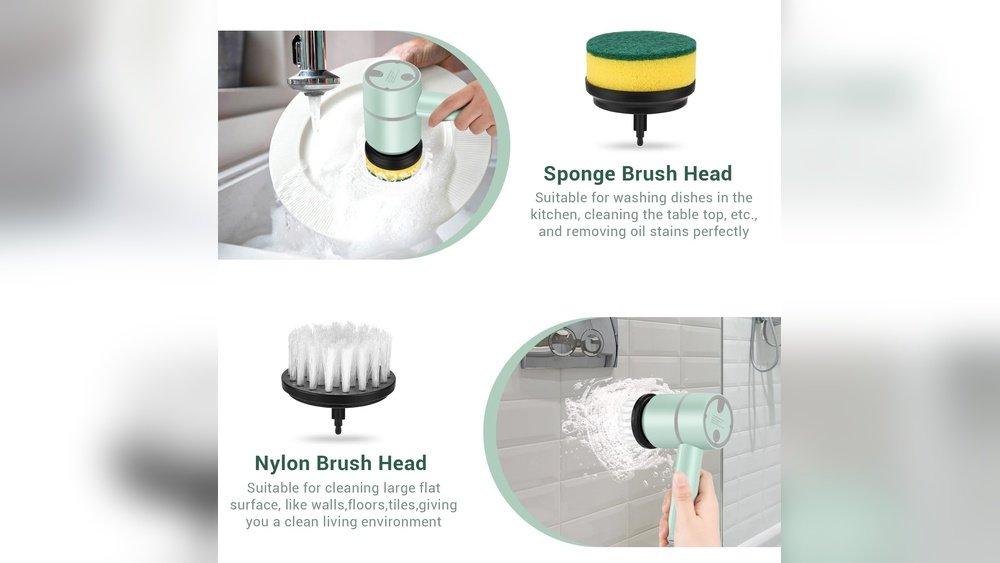
Choosing the right scrubber head is key for effective kitchen cleaning. Each scrubber head works best on different surfaces and stains. Using the correct one saves time and protects your kitchen items. It helps you clean without causing damage. Below are common types of scrubber heads and their uses.
Soft Brushes For Delicate Surfaces
Soft brushes are gentle on fragile surfaces like glass and ceramic. They remove dirt without scratching or wearing down the material. Use soft brushes on delicate countertops, glassware, and painted surfaces. These brushes keep your kitchen items looking new longer.
Hard Brushes For Tough Stains
Hard brushes tackle stubborn stains and grime. They work well on pots, pans, and stove tops. These brushes scrub away burnt food and grease with ease. Use hard brushes carefully to avoid scratching sensitive surfaces.
Specialized Attachments For Corners
Specialized attachments reach tight corners and crevices. They clean grout lines, sink edges, and faucet bases. These attachments fit into small spaces that regular brushes miss. Use them to keep every part of your kitchen spotless.

Cleaning Solutions To Use
Choosing the right cleaning solution is key for your electric spin scrubber. It helps clean better and protects your kitchen surfaces. Some cleaners work well with these tools, while others can cause harm. Knowing which solutions to use keeps your kitchen shiny and safe.
Safe Detergents
Use mild dish soap or gentle bathroom cleaners. These detergents remove grease and dirt without damage. Avoid strong chemicals that can wear down your scrubber’s brushes. Always check the label for safe use on plastic and metal surfaces.
Natural Cleaners
Baking soda and vinegar are great natural options. They clean effectively and are safe for most surfaces. Mix a small amount of baking soda with water to form a paste. Use vinegar to tackle stubborn stains and build-up. These cleaners are eco-friendly and gentle on your kitchen.
Avoiding Damage With Harsh Chemicals
Harsh chemicals like bleach or ammonia can harm your scrubber and kitchen surfaces. They can weaken brush bristles and cause discoloration. Avoid using these strong cleaners with your electric spin scrubber. Always rinse surfaces well to remove any leftover cleaner.
Step-by-step Kitchen Cleaning Process
Cleaning your kitchen with an electric spin scrubber can save time and effort. Following a clear process helps you get the best results. This step-by-step guide shows how to clean your kitchen using the scrubber safely and well.
Preparing The Area
Start by clearing the kitchen surfaces. Remove dishes, food items, and small appliances. Sweep or vacuum the floor to pick up loose dirt. Gather cleaning supplies like detergent and a bucket of water. Plug in the spin scrubber and check the brush heads. Choose the right brush for your kitchen surfaces.
Using The Spin Scrubber Effectively
Apply a small amount of cleaner on the scrubber brush or directly on surfaces. Turn on the scrubber and gently press it against the dirty spots. Move the scrubber in slow circles to break down grime. Focus on areas with grease, stains, or buildup. Avoid pressing too hard to protect delicate surfaces.
Rinsing And Drying
After scrubbing, wipe the surfaces with a damp cloth to remove residue. Rinse the scrubber brush under water to clean it. Dry countertops and other areas with a clean towel. Let wet spots air dry to prevent streaks. Store the scrubber and cleaning supplies properly for next use.
Maintenance Of Your Spin Scrubber
Maintaining your electric spin scrubber keeps it working well for kitchen cleaning. Regular care helps the scrubber last longer and clean better. Small efforts in maintenance save money and time.
Cleaning The Brush Heads
Remove the brush heads after each use. Rinse them with warm water to wash away dirt and grease. Use mild soap if the brushes are very dirty. Let them dry completely before reattaching. Clean brush heads prevent bacteria build-up and keep cleaning strong.
Battery Care Tips
Charge the battery fully before the first use. Avoid overcharging by unplugging when full. Store the scrubber with a half-charged battery for longer life. Use the scrubber regularly to keep the battery active. Cold and heat can damage the battery, so keep it in a safe place.
Storage Recommendations
Store the spin scrubber in a dry, cool spot. Avoid damp areas to prevent mold and rust. Keep brush heads separate or covered to avoid dust. Use the original case if available. Proper storage keeps the scrubber ready for the next cleaning job.
Common Mistakes To Avoid
Electric spin scrubbers make kitchen cleaning easier and faster. Many people use them without knowing common mistakes. These errors can damage surfaces or the scrubber itself. Learning what to avoid helps keep your kitchen spotless and your tool in good shape.
Using On Unsuitable Surfaces
Not all surfaces handle electric scrubbers well. Soft or delicate materials like painted walls or polished wood can scratch. Avoid using the scrubber on these surfaces. Always test on a small hidden area first. Use the correct brush head for the surface you clean.
Applying Excessive Pressure
Pressing too hard does not clean better. It may damage the scrubber and surfaces. Let the scrubber do the work with light pressure. Too much force can break the brush or wear it out quickly. Gentle cleaning saves time and extends the scrubber’s life.
Neglecting Regular Maintenance
Cleaning the scrubber after use is important. Dirt and grime can build up on brush heads. This reduces cleaning power and spreads bacteria. Remove and wash brush heads regularly. Check the scrubber for damage and charge it properly. Proper care keeps it working well longer.

Comparing Spin Scrubbers To Traditional Methods
Comparing spin scrubbers to traditional kitchen cleaning methods shows clear differences. Both have their strengths and weaknesses. Understanding these can help decide which tool fits your cleaning needs best.
Efficiency And Speed
Electric spin scrubbers clean surfaces faster than manual scrubbing. The rotating brush removes dirt with less effort. Traditional methods require more time and physical strength. Spin scrubbers reach tight corners easily. They reduce scrubbing time significantly.
Cost And Durability
Spin scrubbers cost more upfront than simple brushes or sponges. They need batteries or charging to work. Traditional tools are cheaper and last long without power. However, a quality spin scrubber can last years with care. Consider how often you clean and your budget.
User Experience
Spin scrubbers reduce strain on hands and wrists. They are lightweight and easy to hold. Using them feels less tiring than scrubbing by hand. Traditional tools need more pressure and cause fatigue. Spin scrubbers offer a comfortable cleaning experience for many users.
Frequently Asked Questions
Can An Electric Spin Scrubber Clean Kitchen Surfaces Effectively?
Yes, an electric spin scrubber effectively cleans kitchen surfaces like countertops, sinks, and tiles. Its rotating brush removes grime and stains quickly, saving time and effort.
Is An Electric Spin Scrubber Safe For Kitchen Appliances?
Electric spin scrubbers are generally safe for most kitchen appliances. Use gentle brush heads to avoid scratches on delicate surfaces like stainless steel or glass.
How Often Should I Use An Electric Spin Scrubber In My Kitchen?
Using an electric spin scrubber once a week helps maintain a clean kitchen. Frequent use prevents buildup of grease, grime, and bacteria on surfaces.
Can Electric Spin Scrubbers Reach Tight Kitchen Corners?
Yes, many electric spin scrubbers come with small, angled brush heads. These attachments help clean hard-to-reach corners and crevices in the kitchen effectively.
Conclusion
Electric spin scrubbers make kitchen cleaning faster and easier. They reach corners and scrub tough stains well. Using one saves effort and time. Just pick the right brush head for each surface. Regular use keeps your kitchen cleaner and more hygienic.
Try it to see how it helps your daily chores. Simple, quick, and effective—that’s what counts in kitchen cleaning.