Are you wondering if you can leave vinegar on your walls without causing damage? Maybe you’ve heard that vinegar is a great natural cleaner, but you’re unsure how long it can safely stay on painted or wallpapered surfaces.
You’re not alone—many people want an effective way to clean their walls but worry about ruining the paint or finish. You’ll discover the truth about using vinegar on walls, how to do it safely, and when you should rinse it off.
Keep reading to protect your walls while keeping them fresh and clean.
Vinegar As A Cleaning Agent
Vinegar is a popular natural cleaner used in many homes. It is simple, affordable, and effective for many cleaning tasks. People trust vinegar because it removes dirt, grime, and odors well. It also kills some germs without harsh chemicals. Knowing how vinegar works helps you decide if you can leave it on walls safely.
Properties Of Vinegar
Vinegar is a mild acid, usually containing 5% acetic acid. This acid breaks down mineral deposits, grease, and stains. It also stops mold and mildew from growing. Vinegar is safe for many surfaces but can harm some materials like stone or hardwood. Its smell fades quickly after use. Vinegar is non-toxic and biodegradable, making it eco-friendly.
Common Uses In Home Cleaning
Vinegar cleans windows, mirrors, and glass without streaks. It removes soap scum from bathroom tiles and fixtures. Many use vinegar to freshen carpets and fabrics. It also clears kitchen counters and sinks from grease and food stains. Vinegar helps eliminate odors in trash cans and refrigerators. Its versatility makes it a staple in home cleaning routines.
:max_bytes(150000):strip_icc()/can-you-use-vinegar-to-kill-mold-5224348-hero-54a90f8dedd14d3f9227853a33a32970.jpg)
Effects Of Vinegar On Wall Surfaces
Vinegar is a popular natural cleaner used in many homes. It is acidic and can clean dirt and stains effectively. But its effects on wall surfaces vary depending on the type of wall and finish. Knowing how vinegar interacts with different walls helps avoid damage and maintain beauty.
Impact On Painted Walls
Vinegar can dull or strip paint if left on painted walls too long. The acid breaks down the paint’s protective layer. Light cleaning with a vinegar solution is usually safe. Do not soak the wall or leave vinegar to dry on it. Always rinse the wall with water after cleaning.
Interaction With Wallpaper
Wallpaper is sensitive to moisture and acid. Vinegar can cause wallpaper glue to loosen. This leads to peeling or bubbling. Avoid using vinegar directly on wallpaper. Spot clean with a damp cloth and mild soap instead. Test in a hidden area before applying any cleaner.
Effect On Different Wall Materials
Vinegar reacts differently with wall materials. It can etch natural stone like marble or granite. Brick and concrete may stain or weaken from acid exposure. Drywall can absorb vinegar and soften. Use vinegar only on sealed surfaces and in diluted form. Always do a spot test before full use.
Risks Of Leaving Vinegar On Walls
Using vinegar as a cleaning agent is common. But leaving it on walls might cause problems. Vinegar is acidic, and this acidity can affect wall surfaces over time. Understanding the risks helps keep walls safe and looking good.
Potential Damage Over Time
Vinegar’s acid can eat away paint and wallpaper glue. Walls may weaken or peel with repeated exposure. This damage may not show right away but grows worse with time. Surfaces like drywall or plaster are especially sensitive.
Staining And Discoloration
Vinegar can cause stains on some wall paints or finishes. Lighter colors might show yellow or dull spots. These stains are hard to remove once set. Glossy or sealed walls resist stains better than porous ones.
Odor Concerns
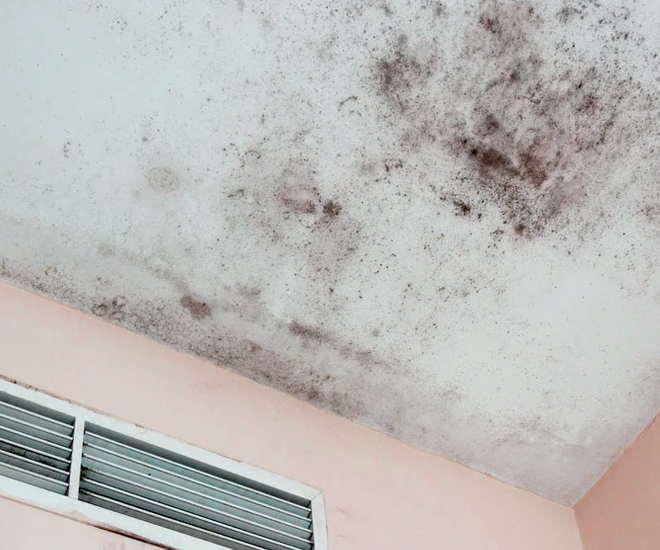
Vinegar has a strong, sharp smell. It can linger on walls for hours or days. This odor can bother some people or trigger allergies. Proper ventilation is key to reduce vinegar smells after cleaning.
Safe Vinegar Cleaning Practices
Cleaning with vinegar can be safe and effective if done correctly. Vinegar is a natural cleaner but its acidity can harm some surfaces. Following safe vinegar cleaning practices helps protect your walls and keeps them looking good.
Dilution Guidelines
Always dilute vinegar with water before use. A common ratio is one part vinegar to four parts water. This reduces vinegar’s strength and lowers risk of damage. Strong vinegar can eat away paint or wallpaper. Dilution makes it safer for most wall types.
Spot Testing Methods
Test vinegar solution on a small, hidden wall area first. Wait 24 hours to check for color changes or damage. If the spot looks fine, it is likely safe to clean larger areas. Spot testing helps avoid ruining your walls.
Proper Application Techniques
Use a soft cloth or sponge to apply diluted vinegar. Avoid spraying vinegar directly on walls to prevent drips and stains. Wipe gently and do not scrub hard. Rinse the wall with clean water after cleaning to remove vinegar residue. Dry the surface with a soft towel to prevent moisture damage.
Alternatives To Vinegar For Wall Cleaning
Vinegar is a popular choice for cleaning walls, but it is not always the best option. Some wall surfaces can get damaged or discolored by vinegar. It is important to know safe alternatives that clean well without harming your walls.
These alternatives work gently and keep walls fresh. They suit different wall types and stains. Using them can protect your paint and wallpaper.
Mild Soap Solutions
Mild soap solutions are gentle and effective. Mix a few drops of liquid dish soap with warm water. Use a soft cloth or sponge to wipe the walls carefully. This method removes dirt and grease without harsh chemicals. It works well on painted walls and wallpaper.
Commercial Wall Cleaners
Commercial wall cleaners are made for tough stains. They come in sprays, gels, or wipes. Choose a cleaner labeled safe for your wall type. Always test on a small hidden spot first. These cleaners help with marks, smoke stains, and grime. Follow the instructions for best results.
Natural Cleaning Options
Natural cleaning options use simple ingredients. Baking soda mixed with water forms a mild scrubbing paste. It removes stains and odors gently. Another option is diluted lemon juice for light stains. These natural solutions avoid strong smells and chemicals. They are eco-friendly and safe for most walls.
Post-cleaning Wall Care
After cleaning walls with vinegar, proper care is important. This helps keep your walls looking fresh and prevents damage. Taking a few simple steps can protect your paint and finish.
Rinsing And Drying Tips
Rinse the walls with clean water after vinegar use. This removes any leftover acid that might harm the paint. Use a soft cloth or sponge to avoid scratching. Dry the walls with a clean towel to stop moisture buildup. Damp walls can lead to mold or peeling paint.
Preventing Future Stains
Apply a gentle, protective layer like a wall-safe sealant. This can shield your walls from stains and dirt. Clean spills quickly to avoid permanent marks. Regular dusting also keeps walls clean without harsh chemicals. These habits keep your walls fresh longer.
Maintaining Wall Integrity
Check walls regularly for cracks or chips. Small problems grow if ignored. Fix damages with appropriate fillers or paint touch-ups. Avoid strong chemicals that can weaken the wall surface. Good care preserves your walls and saves money on repairs.

Frequently Asked Questions
Can Vinegar Damage Painted Walls If Left Too Long?
Yes, vinegar can damage paint if left on walls for too long. Its acidity may weaken or discolor paint finishes. Always rinse vinegar off walls promptly to avoid damage.
Is It Safe To Leave Vinegar On Walls For Cleaning?
It is safe to leave diluted vinegar on walls briefly for cleaning. However, do not leave it on for extended periods, as it can harm paint or wallpaper.
How Long Can Vinegar Stay On Walls Without Harm?
Vinegar should not stay on walls longer than 5-10 minutes. Prolonged exposure increases the risk of paint damage or staining. Always wipe or rinse walls after cleaning.
Can Vinegar Remove Stains From Walls Without Damage?
Vinegar can remove some stains safely if used properly. Use a diluted solution and test a small area first to prevent paint damage or discoloration.
Conclusion
Vinegar can clean walls well but should not stay long. Leaving it too long may damage paint or wallpaper. Always test on a small spot first. Wipe off vinegar after a few minutes. Use water to rinse the area after cleaning.
This keeps walls safe and fresh. Simple care helps your walls last longer. Vinegar works best for light cleaning jobs. Choose gentle methods for delicate surfaces. Keep your walls looking their best with smart cleaning.