Are you wondering if you can mop your floors with bleach? It’s a common question because bleach is known for killing germs and brightening surfaces.
But before you grab that bottle and start cleaning, you need to know the right way to use it—and when it might actually do more harm than good. You’ll discover the truth about using bleach on your floors, how to keep your home safe, and the best tips to get your floors sparkling clean without damaging them.
Keep reading—you’ll be glad you did!

Bleach And Floor Types
Bleach is a strong cleaner often used to kill germs and whiten surfaces. It can work well on some floors but can damage others. Knowing which floor types handle bleach safely is important. This helps keep floors looking good and lasting longer.
Safe Floors For Bleach Use
Tile floors are usually safe with bleach. Ceramic and porcelain tiles can handle diluted bleach. It cleans grout and removes stains well. Vinyl floors also tolerate bleach in small amounts. Use a mild bleach solution and rinse well after mopping. Concrete floors can be cleaned with bleach safely. It helps remove mold and mildew on concrete surfaces. Always test a small spot first to avoid damage.
Floors To Avoid Bleach On
Wood floors should never be cleaned with bleach. It can strip the finish and weaken the wood. Laminate floors also react badly to bleach. The top layer can peel or discolor. Natural stone floors like marble or granite can be damaged by bleach. It may cause etching or dull spots. Avoid bleach on these floors to keep them looking new.

Preparing Bleach Solution
Cleaning floors with bleach needs care and the right mix. Bleach is strong and can harm surfaces if not diluted well. Making the right solution keeps floors clean and safe. It helps kill germs without damage.
Follow clear steps to prepare bleach for mopping. Use the right amount of bleach and water. Using too much bleach can make floors sticky or cause color loss. Too little bleach will not clean well. Balance is key.
Recommended Bleach Dilution
Use one cup of bleach for one gallon of water. This mix is safe for most floors. It cleans and disinfects without damage. For sensitive floors, use half a cup per gallon. Always check the floor type before mopping.
Never pour bleach directly on the floor. Always dilute it in water first. Stir the solution well to mix. Use fresh bleach solution each time you mop. Old bleach loses strength and won’t clean well.
Tools Needed For Mopping
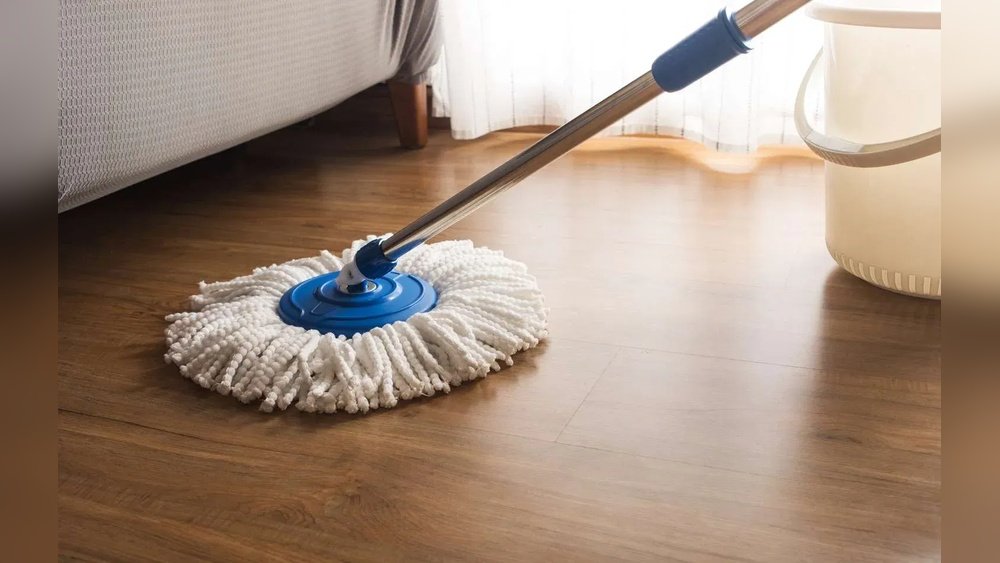
Gather the right tools before starting. A mop with a sturdy handle works best. Use a bucket large enough for the bleach solution. Gloves protect your hands from chemicals. Wear shoes to avoid slipping on wet floors.
Have a clean cloth or sponge ready for spots. A well-rung mop prevents excess water on floors. Good ventilation helps reduce bleach fumes. Open windows or use fans during and after mopping.
Mopping Techniques With Bleach
Mopping floors with bleach can kill germs and brighten surfaces. It needs care to avoid harm and get good results.
Using bleach the right way helps keep floors clean without damage. Follow simple steps for safe and effective cleaning.
Proper Application Methods
Start by mixing bleach with water. Use one cup of bleach per gallon of water.
Wear gloves to protect your skin. Use a mop that you can rinse easily.
Dip the mop into the solution, then wring out extra liquid. Mop the floor gently in sections.
Let the bleach sit for five minutes to kill germs. Rinse the floor with clean water after mopping.
Avoiding Damage During Cleaning
Never use bleach on wood or delicate floors. It can cause discoloration and weaken surfaces.
Test the bleach solution on a small, hidden spot first. Check for any color change or damage.
Do not mix bleach with other cleaners. This can create dangerous fumes.
Use ventilation by opening windows or turning on fans. This helps clear the air quickly.
Safety Precautions
Bleach is a strong chemical that can clean floors well. It can also be risky if not handled carefully. Taking safety steps helps protect your skin, eyes, and lungs. It also keeps your home safe from damage. Follow these safety tips to use bleach safely when mopping floors.
Protective Gear To Wear
Wear gloves to protect your hands from bleach. Use rubber or latex gloves for the best shield. Goggles help stop bleach from getting into your eyes. Choose a mask to avoid breathing in strong bleach fumes. Long sleeves and pants protect your skin from splashes.
Ventilation Tips
Open windows and doors to let fresh air in. Use fans to move air around the room. Avoid mopping with bleach in a small, closed space. Fresh air reduces the strong smell and harmful fumes. Take breaks to leave the room and breathe fresh air.
Handling Bleach Spills
Clean spills immediately to avoid damage or harm. Use paper towels or old cloths to soak up bleach. Rinse the area well with water after cleaning. Dispose of used cloths safely to prevent burns or odors. Keep bleach away from children and pets at all times.
Alternatives To Bleach
Bleach is strong and can damage some floor types. It also has a strong smell and can irritate your skin and eyes. Safer and gentler options work well for cleaning floors. These alternatives clean effectively without harsh chemicals.
Natural Cleaning Solutions
Vinegar mixed with water is a popular natural cleaner. It removes dirt and kills some germs without harsh fumes. Baking soda scrubs away stains and deodorizes floors. Lemon juice adds a fresh scent and helps break down grime. These natural options are safe for most floors and pets.
Commercial Floor Cleaners
Many stores sell cleaners made specifically for floors. These products clean well and protect your floor’s finish. Choose cleaners labeled safe for your floor type. Some have disinfecting ingredients but are less harsh than bleach. Using the right cleaner keeps floors clean and lasts longer.

Aftercare For Bleach-mopped Floors
After using bleach to mop your floors, proper care is essential. Bleach can be strong and might harm some floor types. Taking good care helps keep your floors safe and looking good for a long time.
Rinsing And Drying
Rinse the floor with clean water after mopping with bleach. This removes leftover bleach and stops damage. Use a damp mop or cloth to rinse well. Dry the floor with a clean towel or let it air dry. Wet floors can be slippery and unsafe.
Maintaining Floor Integrity
Avoid using bleach too often to protect your floor’s surface. Test bleach on a small area before full cleaning. Use gentle cleaning products between bleach uses. Keep floors free from dirt and stains to reduce harsh cleaning. Regular care helps floors stay strong and last longer.
Frequently Asked Questions
Can I Use Bleach On All Floor Types?
No, bleach is safe for ceramic and vinyl floors only. Avoid using bleach on hardwood, laminate, or natural stone floors as it can cause damage and discoloration.
How To Dilute Bleach For Mopping Floors?
Mix ¾ cup of bleach with one gallon of water. This dilution ensures effective cleaning without harming your floor’s finish or causing damage.
Is It Safe To Mop Floors With Bleach Regularly?
No, frequent use of bleach can weaken floor surfaces and cause fading. Use bleach occasionally for deep cleaning and disinfecting, not for daily mopping.
What Precautions Should I Take When Mopping With Bleach?
Ensure good ventilation and wear gloves to protect your skin. Avoid mixing bleach with ammonia or other cleaners to prevent toxic fumes.
Conclusion
Bleach can clean floors but use it with care. Some floor types may get damaged by bleach. Always dilute bleach with water before mopping. Test a small area first to avoid problems. Good ventilation helps keep air fresh while cleaning.
Use gloves to protect your skin from irritation. Regular cleaning with mild soap may be safer. Choose the right cleaner for your floor type. Safe cleaning keeps your home fresh and damage-free. Bleach is strong, so use it wisely and carefully.