Are you wondering if your furry friend can eat homemade food instead of the usual dog food? You want the best for your dog, and feeding them healthy meals is a big part of that.
But is homemade food really a safe and balanced choice? What should you include, and what should you avoid? Keep reading, because understanding the truth about homemade dog meals could change how you care for your pet—and keep your dog happier and healthier.
Credit: www.houndsy.com
Homemade Dog Food Basics
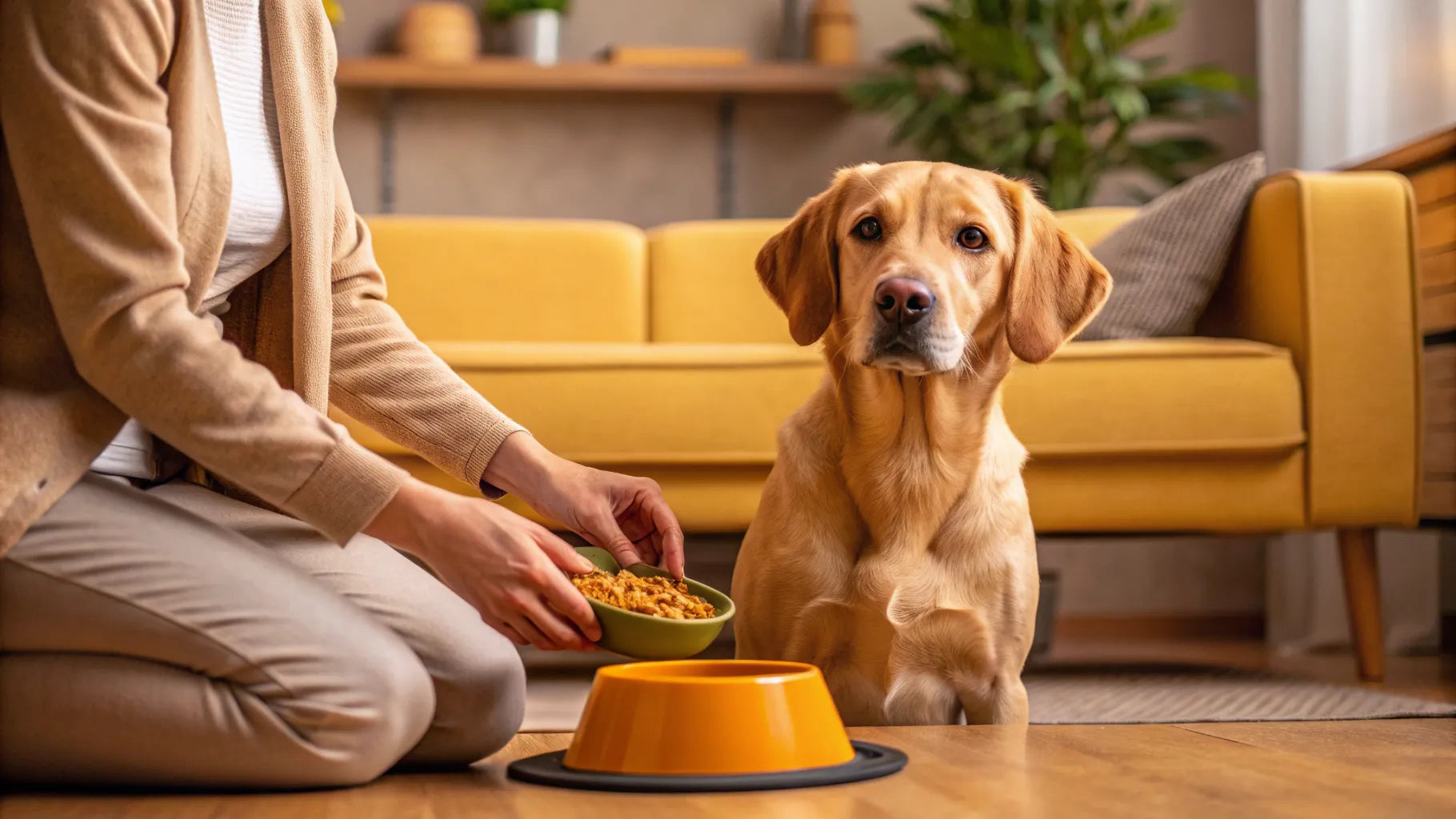
Making homemade dog food can be a good choice for many pet owners. It allows control over ingredients and freshness. It also helps avoid fillers and preservatives found in some commercial foods.
Understanding the basics is important. Dogs need certain nutrients to stay healthy. These include proteins, fats, vitamins, and minerals. Balancing these in homemade meals requires care and knowledge.
Key Ingredients For Dogs
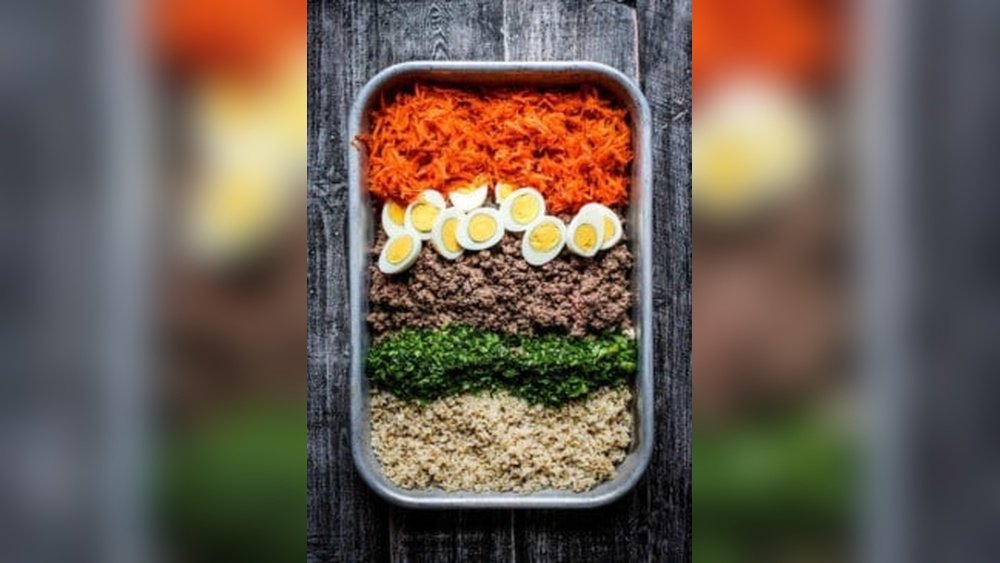
Protein is the main part of a dog’s diet. Good sources include chicken, beef, turkey, and fish. Carbohydrates like rice, oats, and sweet potatoes give energy. Vegetables such as carrots, peas, and green beans add fiber and vitamins. Avoid toxic foods like onions, garlic, grapes, and chocolate.
Balancing Nutrients
Dogs need the right mix of nutrients. Too much protein or fat can cause health problems. Vitamins and minerals support growth and immune health. A balanced meal often includes meat, carbs, and vegetables. Supplements may be needed to fill gaps. Consulting a vet ensures proper nutrition.
Common Mistakes To Avoid
Skipping essential nutrients is a common error. Homemade food can lack calcium or vitamins. Overfeeding treats or table scraps leads to obesity. Using harmful ingredients can cause poisoning. Not rotating ingredients may cause allergies. Careful planning prevents these mistakes.

Credit: chidog.com
Benefits Of Homemade Meals
Homemade meals for dogs offer many benefits beyond standard dog food. Preparing food at home lets you control ingredients and quality. Many pet owners find this option healthier and more satisfying for their dogs.
Improved Digestion
Homemade food often contains fewer fillers and artificial ingredients. This can ease digestion and reduce stomach problems. Fresh ingredients are easier for dogs to digest. Better digestion helps dogs absorb more nutrients from their meals.
Customizing For Allergies
Homemade meals allow full control over what goes in the bowl. This helps avoid allergens that cause itching or upset stomachs. You can tailor meals to suit your dog’s specific needs. Custom diets reduce allergic reactions and improve overall health.
Freshness And Quality Control
Cooking at home guarantees fresh ingredients every time. You know exactly what your dog is eating. No preservatives or unknown additives are included. This quality control supports your dog’s immune system and vitality.
Risks And Challenges
Feeding dogs homemade food instead of commercial dog food has its risks and challenges. Many dog owners want to provide fresh meals but may face issues that affect their pet’s health. Understanding these risks helps in making safer choices for your dog’s diet.
Nutritional Deficiencies
Homemade diets can lack essential nutrients dogs need. Dogs require a balance of protein, fats, vitamins, and minerals. Missing just one nutrient can cause serious health problems. Commercial dog foods are designed to meet these needs. Without proper knowledge, homemade meals might not provide enough calcium, zinc, or vitamins. This can lead to weak bones, poor coat, and low energy.
Food Safety Concerns
Homemade dog food may carry risks of contamination. Raw or improperly cooked ingredients can harbor bacteria like salmonella or E. coli. These bacteria can make dogs sick and even spread to family members. Storing homemade food incorrectly also increases risk. Commercial dog foods go through strict safety checks. Homemade meals require careful handling to avoid foodborne illnesses.
Cost And Time Commitment
Preparing homemade meals for dogs takes time and money. Shopping for fresh ingredients can be expensive. Cooking and portioning meals require daily effort. Many pet owners find this routine hard to maintain. Commercial dog food offers convenience and cost savings. Homemade food demands dedication to ensure your dog’s diet stays consistent and healthy.
:max_bytes(150000):strip_icc()/140286_HomemadeDogFood_DDMFS_Beauty_009-6a6e82002dc3496eaa20dec6bfde6d6e.jpg)
Credit: www.allrecipes.com
Expert Feeding Tips
Feeding your dog homemade food can be a great choice. It lets you control what your pet eats. But it needs careful planning to keep your dog healthy. Follow expert feeding tips to get it right. These tips help ensure your dog gets all the nutrients it needs.
Consulting A Veterinarian
Talk to a vet before starting homemade meals. Vets understand your dog’s health needs best. They can suggest the right balance of nutrients. They may recommend supplements to add. Regular check-ups help track your dog’s health.
Safe Ingredient Choices
Choose dog-safe ingredients only. Avoid onions, garlic, chocolate, and grapes. Use lean meats, rice, and vegetables like carrots and peas. Fresh, unprocessed foods work best. Wash all vegetables and cook meats properly.
Portion Control Strategies
Feed the right amount to avoid weight issues. Use your dog’s weight and activity to guide portions. Divide meals into two or three servings a day. Measure food with a scale or cup for accuracy. Watch your dog’s body condition regularly.
Transitioning To Homemade Food
Switching your dog from commercial dog food to homemade meals needs care. Sudden changes can upset their stomach. A smooth transition helps your dog adapt well to new food. It also lets you watch how your dog reacts to the change.
Gradual Meal Changes
Start by mixing a small amount of homemade food with your dog’s regular meals. Increase the homemade portion slowly over 7 to 10 days. This helps your dog’s digestion adjust without problems. Watch for any signs of stomach upset like vomiting or diarrhea.
Monitoring Health And Behavior
Keep an eye on your dog’s health after each meal change. Notice changes in energy, mood, and bathroom habits. Healthy skin and shiny coat show good nutrition. If your dog seems tired or loses weight, check the diet again. Regular vet visits help track your dog’s health during this switch.
Adjusting Recipes Over Time
Each dog has unique needs and tastes. Change recipes based on your dog’s preferences and health. Add or remove ingredients to keep meals balanced and tasty. Include proteins, carbs, and vegetables your dog enjoys. Over time, you will find the best homemade diet for your dog.
Recipes To Try At Home
Preparing homemade food for your dog can be a healthy and satisfying choice. It lets you control ingredients and avoid fillers found in some commercial dog foods. You can create meals that fit your dog’s taste and health needs. Below are easy recipes to try at home.
Simple Balanced Meals
Start with lean proteins like chicken, turkey, or beef. Cook the meat thoroughly and chop it into small pieces. Add cooked vegetables such as carrots, peas, or green beans. Include a source of carbohydrates like rice or sweet potatoes. Mix all ingredients well for a balanced meal. Serve in portions suitable for your dog’s size and age.
Special Diet Options
Dogs with allergies or sensitivities need special recipes. Use novel proteins like duck or fish instead of common meats. Avoid grains if your dog has intolerance. Try quinoa or pumpkin as alternatives. Include supplements like fish oil for extra nutrients. Always consult your vet before changing diets.
Treats And Snacks
Homemade treats are great for training or rewards. Use peanut butter (without xylitol) mixed with oats and eggs. Bake small bites until firm and let cool. Freeze small pieces of plain yogurt or fruit as refreshing snacks. These treats avoid added sugars and preservatives. Keep treats small to prevent overeating.
Frequently Asked Questions
Can Dogs Eat Homemade Food Daily?
Yes, dogs can eat homemade food daily if it is balanced. Consult a vet for proper nutrients. Homemade meals must include proteins, carbs, fats, vitamins, and minerals for dog health.
Is Homemade Dog Food Healthier Than Commercial Dog Food?
Homemade dog food can be healthier if well-prepared. It avoids preservatives and fillers found in some commercial foods. However, it must meet all nutritional needs to keep dogs healthy and active.
What Ingredients Are Safe In Homemade Dog Food?
Safe ingredients include lean meats, vegetables like carrots, peas, and rice. Avoid onions, garlic, chocolate, grapes, and artificial sweeteners. Proper ingredient selection ensures dogs get necessary nutrients without toxicity risks.
How To Ensure Homemade Dog Food Is Nutritionally Balanced?
Consult a vet or pet nutritionist to create balanced recipes. Use supplements if needed to cover vitamins and minerals. Regular health checks help monitor your dog’s diet effectiveness and overall wellness.
Conclusion
Homemade food can be a healthy choice for dogs with care. Always balance nutrients and avoid harmful ingredients. Consult a vet to ensure your dog’s diet is safe. Regular vet check-ups help track health and nutrition. Feeding homemade meals takes time but shows love.
Dogs enjoy fresh food when prepared properly. Choose what fits your dog’s needs and lifestyle best. Your dog’s health and happiness matter most.