Have you ever struggled to get rid of stubborn sand and dirt stuck deep inside your car’s seats and carpets? You’re not alone.
If you’ve tried sweeping or shaking it out, you know how frustrating it can be. But can a car vacuum really make this job easier and faster for you? You’ll discover how effective car vacuums are at removing sand and dirt, and what features to look for to get the best results.
Keep reading to find out how you can keep your car spotless without breaking a sweat.

How Car Vacuums Work
Car vacuums clean your vehicle by sucking up dirt, dust, and sand. They use air pressure to pull particles from surfaces. The dirt collects inside a container or bag for easy disposal. This process helps keep your car interior tidy and fresh.
Suction Power Explained
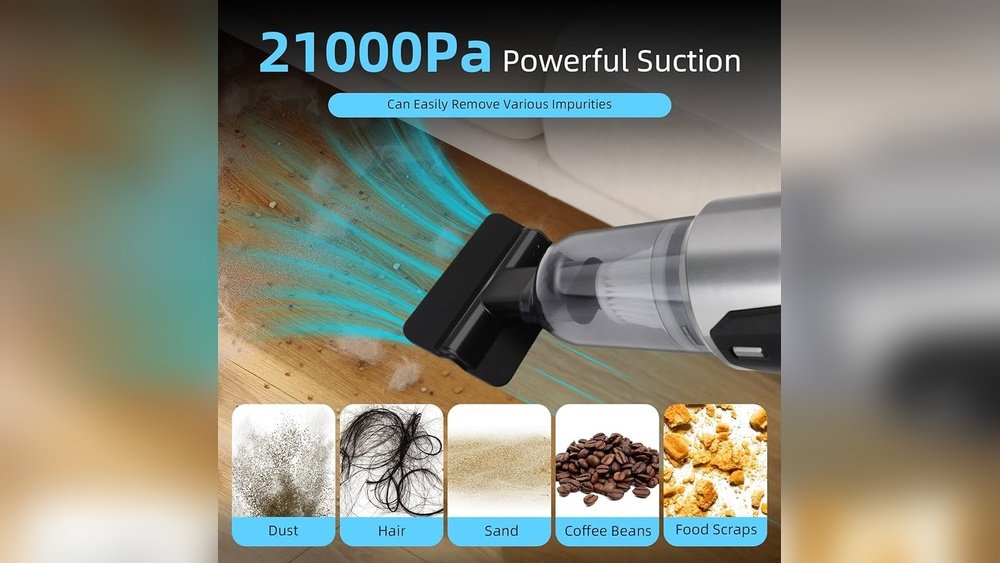
Suction power is the main factor in a car vacuum’s cleaning ability. It measures how strong the vacuum pulls air and dirt. Higher suction means better removal of sand and dirt stuck in carpets and seats. Motor strength and airflow design affect suction power. A vacuum with good suction cleans faster and deeper.
Types Of Car Vacuums
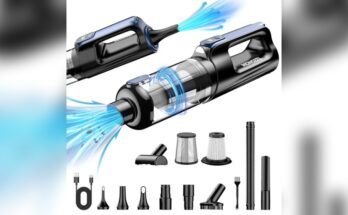
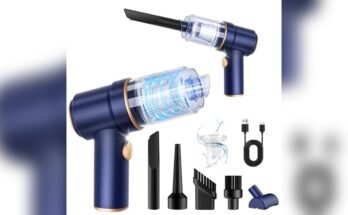
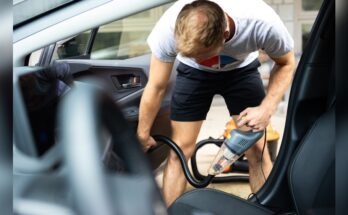
Car vacuums come in different types to fit various needs. Handheld vacuums are small and easy to carry. They work well for quick cleanups and tight spaces. Corded vacuums plug into the car or home power outlet for constant energy. Cordless vacuums run on batteries, offering more freedom to move around. Each type suits different cleaning tasks inside your car.
Challenges Of Removing Sand And Dirt
Removing sand and dirt from a car interior can be tough. These particles hide in small spaces. They stick to carpets and seats. This makes cleaning a challenge for car vacuums. Understanding these challenges helps choose the right tools and methods.
Sand Particles Vs Dirt Particles
Sand particles are larger and heavier than dirt. They often settle deep in the carpet fibers. Dirt particles are smaller and lighter. Dirt can cling to surfaces and get trapped in tiny cracks. Both types need different vacuum settings and attachments. Sand needs strong suction. Dirt requires precise tools to reach tight spots.
Common Obstacles In Cleaning
Car interiors have many nooks and crannies. These spots trap sand and dirt easily. The vacuum nozzle may not reach deep inside. Carpet texture also affects cleaning. Thick carpets hold particles tighter. Loose particles can scatter during cleaning. Some dirt sticks to wet or oily surfaces. This makes vacuuming less effective. Regular vacuuming and proper tools improve results.
Features To Look For In Car Vacuums
Choosing the right car vacuum matters a lot for cleaning sand and dirt. Some features make a big difference in how well the vacuum works. These features help pick up tiny grains and stubborn dust from your car seats and floor mats.
Here are the key features to check before buying a car vacuum. They ensure strong cleaning power and easy use.
Strong Suction And Motor
Strong suction pulls out sand and dirt deeply embedded in carpets. A powerful motor drives this suction. Low power means poor cleaning and leaves dirt behind. Choose a vacuum with at least 100 watts of power for effective cleaning. Motors that maintain steady power avoid losing suction during use.
Specialized Attachments
Attachments help reach tight spaces and tricky spots. A crevice tool cleans between seats and under pedals. Brush nozzles loosen dirt stuck in fabric or mats. Wide mouth tools cover large areas quickly. Attachments make sure sand in all corners disappears easily.
Portability And Size
A compact vacuum fits easily inside your car. Portability allows quick cleaning anywhere, anytime. Lightweight models reduce hand fatigue during use. Cordless options add freedom but check battery life. Size and weight affect how often and how well you clean.
Top Car Vacuum Models For Sand And Dirt
Car vacuums help keep your vehicle clean from sand and dirt. Choosing the right model makes a big difference. Some vacuums work better on tough debris than others. Finding a vacuum that fits your needs saves time and effort.
Many vacuums come in corded and cordless versions. Each has strengths for cleaning sand and dirt. Also, some models deliver higher power to tackle stubborn messes. Knowing these options helps you pick the best tool.
Corded Vs Cordless Options
Corded vacuums offer steady power without battery limits. They plug into your car’s outlet or a wall socket. This means longer cleaning sessions without stopping. Corded models often have stronger suction for deep cleaning.
Cordless vacuums run on batteries for easy use anywhere. They are lightweight and easy to carry. Cordless models are perfect for quick cleanups or hard-to-reach spots. Battery life varies, so charge time matters.
Both types remove sand and dirt well. Choose corded for long jobs and cordless for fast, flexible cleaning.
High-performance Picks
High-performance car vacuums use strong motors and good filters. They trap fine dust and small sand particles. Look for models with multiple attachments for corners and seats.
Some vacuums include HEPA filters to improve air quality. Powerful suction helps pick up heavy dirt without clogging. These vacuums often have larger dustbins for less emptying.
High-performance vacuums make cleaning faster and more thorough. They work well on all types of dirt inside your car.
Tips For Effective Cleaning
Cleaning your car interior well needs the right steps. Car vacuums can remove sand and dirt easily with good methods. Follow these simple tips for better results and a cleaner car every time.
Small efforts make a big difference. A little care helps your vacuum work at its best.
Prepping Your Car Interior
Start by removing large trash and loose items from your car. Shake out floor mats to get rid of surface dirt. Open doors or windows for better air flow. This helps dust move away while vacuuming. Clear clutter to reach all areas easily.
Using Attachments Properly
Use the right vacuum attachments for each part of your car. A narrow nozzle works well for tight spaces and between seats. Brush tools help lift dirt from fabric and carpets. Switch attachments as needed for better cleaning power. Move slowly to pick up more sand and dirt.
Regular Maintenance
Clean your vacuum filter often to keep strong suction. Empty the dust container before it gets full. Check for blockages in hoses or nozzles. Vacuum your car regularly to stop dirt build-up. Small, frequent cleans save time and effort later.

Common Mistakes To Avoid
Using a car vacuum can make cleaning easier and faster. Many people struggle with removing sand and dirt effectively. Avoiding common mistakes helps get better results. These errors often reduce the vacuum’s power and cleaning ability. Knowing what to avoid leads to a cleaner car interior every time.
Ignoring Filter Cleaning
Filters trap dirt and dust inside the vacuum. Over time, filters get clogged and block airflow. This lowers the vacuum’s suction power. A weak vacuum cannot remove sand and dirt properly. Clean the filter regularly to keep the vacuum working well. Check the filter after every few uses. Washing or replacing the filter helps maintain strong suction.
Overlooking Hard-to-reach Areas
Sand and dirt hide in corners and under seats. Many people miss these spots during cleaning. The vacuum’s nozzle might not fit in tight spaces. Use small attachments for narrow areas. Move seats and mats to access hidden dirt. Focus on these areas for a thorough clean. Ignoring them leaves sand and dirt behind.
Alternative Cleaning Methods
Car vacuums are useful for cleaning dirt and sand, but they may not remove everything. Some particles hide deep in crevices or fabric fibers. Alternative cleaning methods can help reach those tricky spots. These tools work well alongside vacuums for a thorough clean.
Compressed Air Blowers
Compressed air blowers use strong air to push out dirt and sand. They reach tight spaces where vacuums struggle. This method is great for vents, seams, and under seats. Air blowers can loosen stuck particles fast. They also dry wet areas quickly after cleaning.
Handheld Brushes
Handheld brushes allow careful scrubbing of surfaces. Soft bristles sweep dirt from fabric and dashboards. Stiffer brushes work well on floor mats and carpets. Brushes help lift dirt that vacuums miss. They also help clean around buttons and small crevices.
:max_bytes(150000):strip_icc()/peo-car-vacuums-test-dirt-devil-scorpion-plus-corded-handheld-cleaner-sd30025b-walmart-dburreson-020-10-8248e011949d452d8f996a47a8bd148a.jpg)
Frequently Asked Questions
Can Car Vacuums Effectively Remove Sand From Carpets?
Yes, car vacuums with strong suction and specialized nozzles can remove sand from carpets efficiently. Regular use helps maintain cleanliness and prevents sand buildup.
How Well Do Car Vacuums Clean Dirt From Car Seats?
Car vacuums clean dirt from seats effectively, especially when equipped with brush attachments. They reach tight spaces and remove embedded dirt easily.
Are Handheld Car Vacuums Good For Sand And Dirt Removal?
Handheld car vacuums are convenient and effective for quick sand and dirt removal. Their portability allows easy access to small and hard-to-reach areas.
Do Car Vacuums Work On Wet Sand And Dirt?
Most car vacuums are designed for dry debris. Wet sand and dirt may require specialized wet/dry vacuums for optimal cleaning results.
Conclusion
Car vacuums can remove sand and dirt from your vehicle. They work best on dry, loose particles. Strong suction and proper attachments help clean tight spaces. Regular vacuuming keeps your car interior fresh and tidy. Choose a vacuum designed for cars for easier use.
Small, handheld models offer convenience and good power. Cleaning often prevents buildup and protects your car’s surfaces. A good car vacuum makes a noticeable difference. Simple, quick cleaning saves time and effort. Sand and dirt don’t stand a chance.