Have you ever wondered if the chair you sit on every day could actually boost your work output? It might sound simple, but the right office chair can make a big difference in how focused and comfortable you feel throughout the day.
Imagine staying sharp, avoiding aches, and finishing tasks faster—all because of where you sit. If you want to unlock a surprising secret to improving your productivity, keep reading. Your chair could be the game-changer you didn’t know you needed.
Impact Of Chair Design On Productivity
The design of an office chair plays a key role in how well you work. A good chair can help you stay focused and finish tasks faster. Poor chair design may cause discomfort and slow you down. Choosing the right chair is more than just style or price. It affects your body and mind during work.
Understanding how chair features impact productivity helps you make smart choices. Here are some important ways chair design affects your work life.
Ergonomics And Work Efficiency
Ergonomic chairs fit the shape of your body. They support your back, neck, and arms properly. This support reduces strain and stops pain from building up. When your body feels good, you work better and faster. Ergonomics help avoid breaks caused by discomfort. A chair with adjustable height and armrests matches your desk and body size. This match keeps your body in a natural position. It lets you focus on work, not on pain.
Posture And Concentration
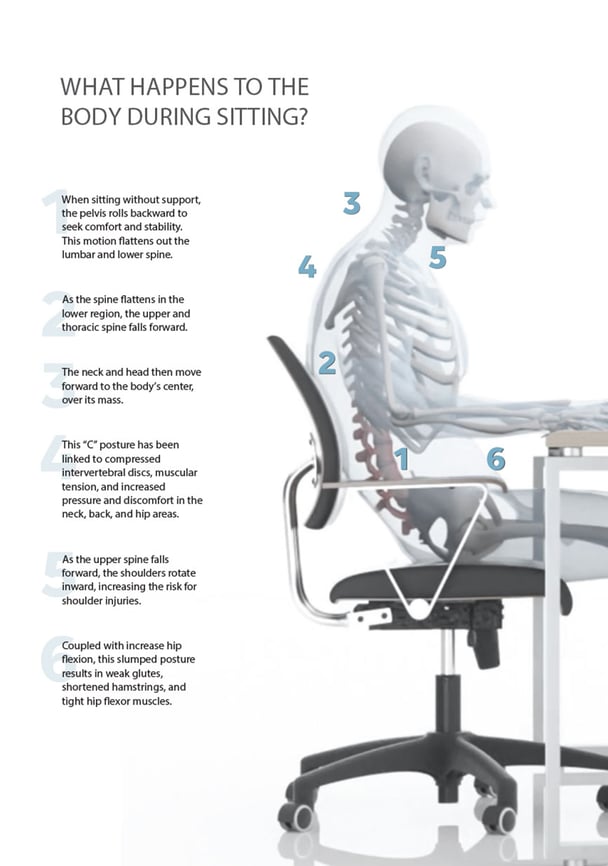
Good posture keeps your spine straight and your muscles relaxed. A well-designed chair promotes sitting upright without effort. Sitting correctly improves blood flow and reduces tension in your neck and shoulders. This comfort helps keep your mind sharp and alert. Bad posture can cause aches and distract you from tasks. A chair that encourages good posture supports longer periods of concentration. It helps reduce the need to shift or stretch often.
Reducing Fatigue With Proper Support
Fatigue lowers your energy and slows your thinking. Chairs with proper lumbar support ease pressure on your lower back. This support prevents tiredness and discomfort during long work hours. Cushioned seats and breathable materials add comfort and keep you cool. A comfortable chair reduces the chance of feeling tired quickly. Staying comfortable means you can work longer and with less effort. Proper support helps maintain your energy throughout the day.
Key Features Of Productive Office Chairs
Productive office chairs share specific features that help users stay focused. These features reduce discomfort and support good posture. Choosing a chair with the right qualities can improve work quality and reduce fatigue.
Adjustability For Personalized Comfort
A chair that adjusts fits your body perfectly. Height settings let you keep feet flat on the floor. Adjustable armrests reduce strain on shoulders and neck. Lumbar support can be moved to match your spine’s curve. These options let you sit comfortably for longer periods.
Breathable Materials And Temperature Control
Breathable fabrics keep air flowing around your body. Mesh chairs allow heat to escape easily. This stops sweating and discomfort during long hours. Temperature control helps maintain focus by keeping you cool and dry.
Mobility And Flexibility Benefits
Wheels and swivel functions let you move freely. You can reach different areas without standing up. This saves time and keeps your workflow smooth. Flexible chairs support natural body movements, preventing stiffness and soreness.
Health Benefits Linked To Quality Seating
Quality office chairs offer many health benefits. These benefits can help workers stay healthy and focused. Good seating supports the body well. It reduces stress and strain on muscles and joints.
Comfortable chairs help people sit correctly. This reduces the risk of health issues. Sitting properly also helps keep energy levels up. Healthier workers tend to be more productive.
Lower Back Pain Prevention
Many office workers suffer from lower back pain. Poor seating can cause or worsen this pain. A quality chair supports the lower back. It keeps the spine in a natural position. This support reduces pressure on the spine and muscles. Over time, this lowers the chance of back pain.
Improved Circulation And Alertness
Good chairs improve blood flow in the body. Proper seating stops blood from pooling in the legs. Better circulation means more oxygen reaches the brain. This helps workers stay alert and focused. Alertness is key for good work performance.
Minimizing Discomfort During Long Hours
Sitting for long hours can cause discomfort. A quality chair has padding and adjustable features. These allow people to find a comfortable position. Less discomfort means fewer distractions at work. Workers can concentrate better and finish tasks faster.
Psychological Effects Of Comfortable Seating
Comfortable seating affects more than just the body. It influences the mind and emotions too. A good office chair can shape how you feel and work during the day. This section explores the psychological effects of sitting comfortably. Understanding these effects shows why the right chair matters for productivity.
Boosting Focus Through Comfort
Comfort helps the brain stay alert. When your body feels good, your mind can concentrate better. Discomfort pulls attention away from tasks. A supportive chair reduces distractions caused by aches. Focus deepens as the chair supports natural posture. This allows longer, clearer thinking periods.
Reducing Stress And Enhancing Mood
Sitting comfortably lowers physical tension. Less tension means less stress in the body. Stress blocks mental clarity and creativity. A cozy seat soothes both body and mind. Mood improves with reduced pain and stiffness. Positive feelings encourage better work and attitude.
Encouraging Longer Periods Of Productivity
A comfy chair invites you to stay seated. It reduces the urge to stand or move often. Longer sitting times mean more completed tasks. Fatigue decreases with proper support and cushioning. Energy remains steady through the workday. This helps maintain a strong work rhythm.
Choosing The Right Chair For Your Workspace
Choosing the right chair for your workspace affects your comfort and work output. A good chair supports your body and helps keep focus. It reduces strain on your back, neck, and shoulders. This support lets you work longer with less fatigue. Picking the correct chair takes some thought about your work habits and space.
Assessing Your Work Style And Needs
Think about how you work each day. Do you sit for long hours or move often? Tasks like typing or reading need different support. Note if you lean forward or sit back. Your chair should match these habits. Adjustable chairs help fit your posture. Comfort is key to avoid aches and breaks.
Budget Considerations And Investment Value
Set a budget that balances cost and quality. Cheap chairs might save money but wear out fast. A good chair lasts longer and feels better. Consider spending a bit more for comfort and durability. This can reduce health issues and save money on doctor visits. Think of a chair as an investment in your health.
Trial And Adjustment Tips
Try chairs before buying if possible. Sit for several minutes to check comfort. Adjust height, backrest, and armrests to fit your body. Small changes make a big difference in support. Use the chair in your usual work position. Notice if it helps reduce pain or fatigue. Keep adjusting until you find the best fit.
Maintaining Your Office Chair For Longevity
Maintaining your office chair is key to keeping it comfortable and lasting longer. A well-kept chair supports your posture and helps avoid back pain. It also ensures smooth movement and keeps the chair looking good. Simple care steps can extend your chair’s life and improve your workday comfort.
Regular Cleaning And Upkeep
Dust and dirt can damage your chair over time. Clean the fabric or leather gently with a soft cloth. Use mild soap and water for stains. Avoid harsh chemicals that can wear out materials. Check wheels and casters for hair or debris. Remove blockages to keep rolling smoothly.
Adjusting Settings Over Time
Your body changes, so your chair settings should too. Adjust the height to keep feet flat on the floor. Change backrest tilt for good support during long hours. Tighten or loosen knobs to match your comfort. Regular tweaks help reduce strain and keep you productive.
When To Replace Your Chair
Signs of wear mean it’s time for a new chair. Worn-out cushions cause discomfort and poor posture. Broken wheels or levers reduce mobility and safety. If adjustments no longer work, consider replacing the chair. A good chair makes a big difference in your work life.

Frequently Asked Questions
Can An Office Chair Boost Work Productivity?
Yes, a comfortable office chair improves posture and reduces fatigue. This leads to better focus, less discomfort, and higher efficiency during work.
What Features Make An Office Chair Productivity-friendly?
Adjustable height, lumbar support, and swivel function enhance comfort. These features prevent strain, promote movement, and support healthy sitting habits, improving productivity.
How Does Ergonomics In Office Chairs Affect Performance?
Ergonomic chairs align the spine and reduce muscle strain. This minimizes pain and distractions, helping users maintain concentration and work longer effectively.
Does Chair Comfort Impact Employee Motivation?
Comfortable seating reduces physical stress, boosting mood and energy. Employees feel more valued and motivated, which positively affects overall workplace productivity.
Conclusion
A good office chair supports your body well. It helps reduce back pain and fatigue. Sitting comfortably lets you focus on tasks better. Small changes, like a better chair, make work easier. Feeling good while working boosts your mood too.
Choose a chair that fits your needs and space. Comfort and support can lead to higher productivity. Remember, a simple chair can help you work smarter.