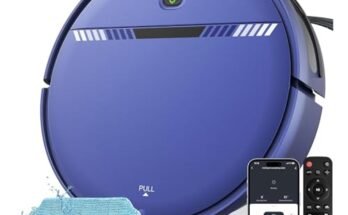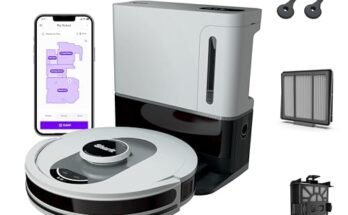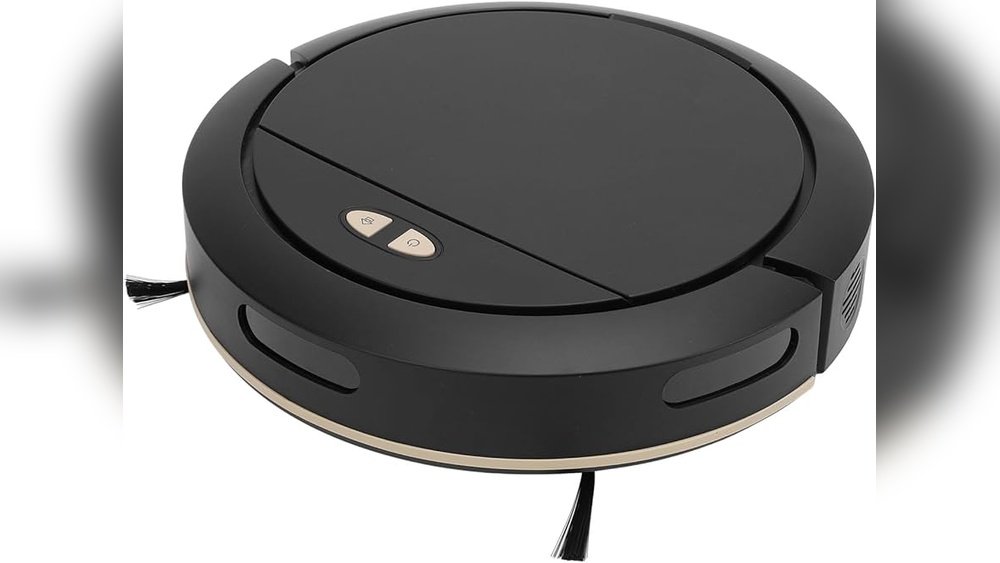
Imagine coming home to spotless floors without lifting a finger. You’ve probably heard about robot vacuums, but what if one could also mop your floors just by listening to your voice?
Sounds like a dream, right? If you’re wondering whether a voice-controlled robot vacuum can truly handle both vacuuming and mopping, you’re in the right place. This article will reveal how these smart devices work, their real benefits, and what you need to know before inviting one into your home.
Ready to discover if this gadget can make your cleaning routine effortless? Keep reading.
Voice-controlled Robot Vacuums
Voice-controlled robot vacuums make cleaning easier and smarter. These devices respond to simple voice commands. You can start, stop, or schedule cleaning without lifting a finger. They combine convenience with modern technology for a hands-free experience.
Many models also mop floors, not just vacuum. This dual action keeps your floors cleaner with less effort. Voice control adds a new level of ease to home cleaning tasks.
How Voice Control Works
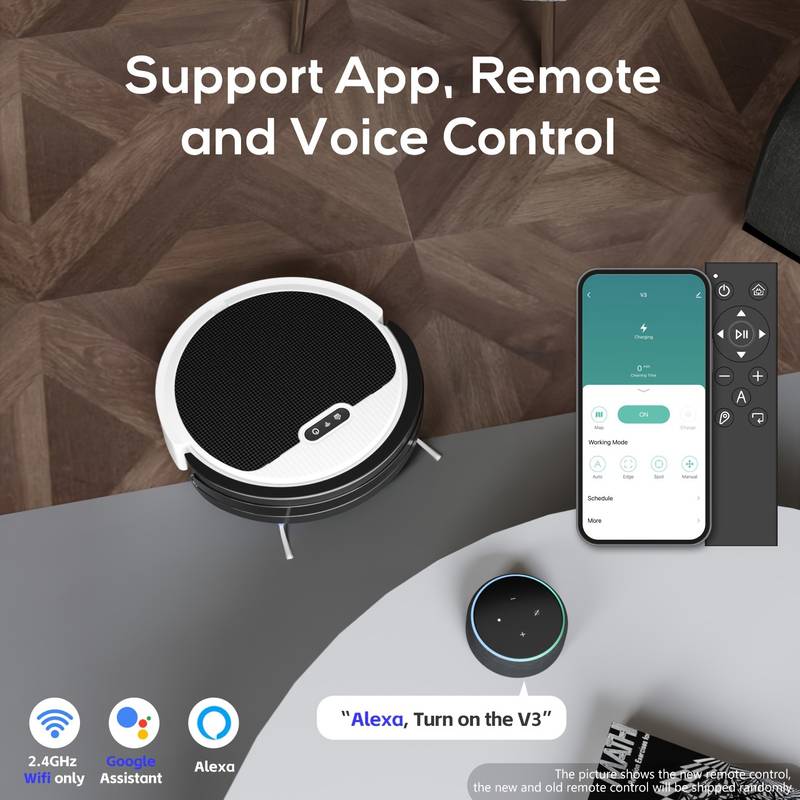
Voice control lets you talk to your robot vacuum through a smart speaker or phone. The device listens for specific commands like “start cleaning” or “return to base.” It uses Wi-Fi to connect with your home network and receive instructions.
The robot’s app links to your voice assistant. Commands you speak reach the app, which tells the vacuum what to do. This process happens quickly and smoothly, making cleaning hassle-free.
Popular Voice Assistants Supported
Most voice-controlled robot vacuums work with popular assistants like Amazon Alexa and Google Assistant. These platforms are widely used and easy to set up. They allow you to control your vacuum with your voice from anywhere in your home.
Some models also support Apple Siri through the HomeKit app. This gives Apple users more control options. Choose a vacuum that fits your smart home setup for best results.
Mopping Capabilities
Robot vacuums that mop offer more than just cleaning dust. They help keep floors shiny and fresh. Mopping capabilities vary by model but usually include wet and dry options. These robots use water and cleaning pads to wipe floors. Understanding how they work can help you choose the right one for your home.
Types Of Robot Mops
There are two main types of robot mops. The first uses a water tank and a cloth to wet mop floors. The second works like a dry mop, using a dry cloth to pick up dust. Some robots combine vacuuming and mopping in one device. Choose a type that fits your floor type and cleaning needs.
Wet Mopping Vs. Dry Mopping
Wet mopping uses water to clean sticky dirt and stains. It is best for hard floors like tile or wood. Dry mopping removes dust and small debris without water. It works well on floors that need gentle care. Both methods keep floors clean but serve different purposes.
Limitations Of Robot Mops
Robot mops do not replace deep manual cleaning. They may miss corners and edges. Some models struggle with thick dirt or sticky spills. Water tanks need refilling for large areas. Also, robot mops may not work well on carpets. Knowing these limits helps set the right expectations.
Combining Vacuuming And Mopping
Combining vacuuming and mopping in one device offers a smart way to clean floors. These robots save time by handling two tasks at once. They first suck up dust and dirt, then mop the floor to remove stains and spills. This dual action keeps floors cleaner for longer and cuts down on manual work.
Hybrid Robot Models
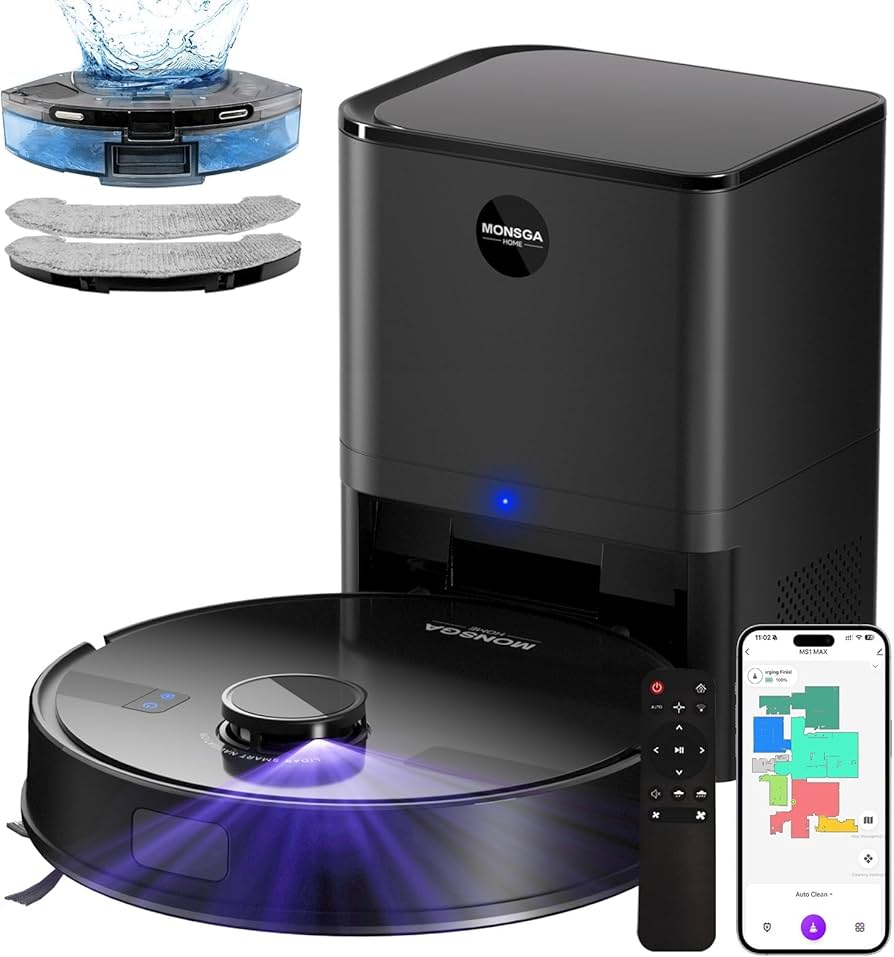
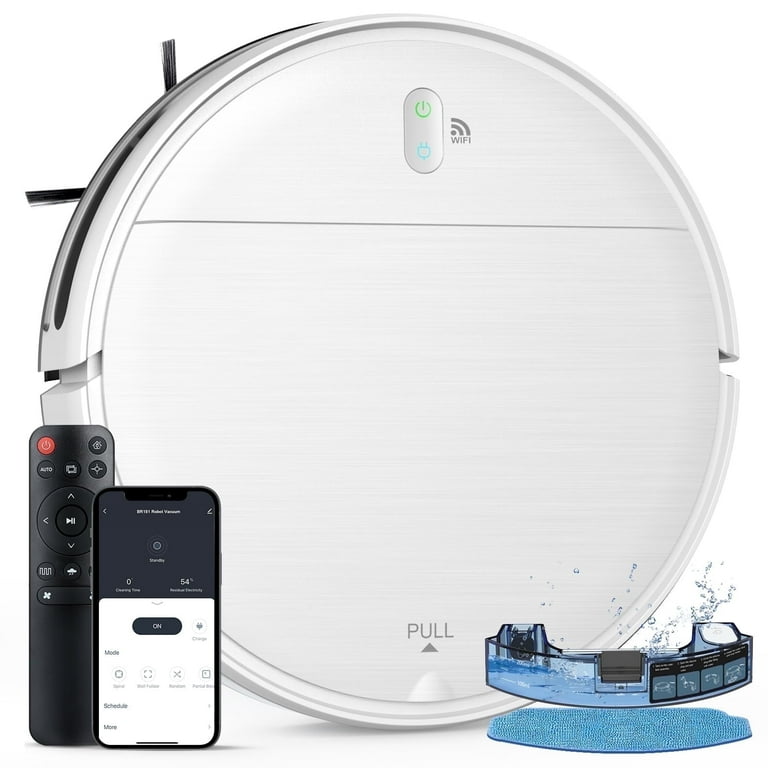
Hybrid robot vacuums have both vacuum and mop functions. They come with water tanks and microfiber pads for mopping. Some models let you control water flow to suit different floor types. You can schedule cleaning sessions that include both vacuuming and mopping. These robots often connect to voice assistants for easy control.
Performance On Different Floor Types
These robots work well on hardwood, tile, and laminate floors. On carpets, they focus on vacuuming since mopping can cause damage. Hard floors get a good clean as the mop removes sticky residue. Some models adjust their cleaning method based on the floor type. This helps protect your floors while keeping them fresh.
Setting Up Voice Commands
Setting up voice commands for your robot vacuum mop makes cleaning easier. You can control your device by speaking, saving time and effort. The process is simple and takes just a few steps.
Start by connecting your robot to smart home devices. This link allows your vacuum mop to hear and respond to voice commands. After that, you can try out some sample commands to get the best use of your cleaner.
Connecting To Smart Home Devices
First, check if your robot vacuum supports voice control. Most work with Alexa, Google Assistant, or Siri. Open the app that comes with your robot. Follow the prompts to link it with your smart home system.
Make sure your phone and vacuum mop are on the same Wi-Fi network. This connection helps the devices communicate quickly. Test the link by asking your smart assistant to find the vacuum mop. If it responds, you are ready.
Sample Voice Commands For Cleaning
Try simple commands to start using voice control. Say, “Start cleaning” to begin a cleaning cycle. Use “Stop cleaning” to pause or end the session.
Ask your robot to clean specific rooms. For example, say, “Clean the kitchen” or “Mop the living room.” You can also say, “Return to base” to send it back for charging.
Maintenance Tips
Keeping a voice-controlled robot vacuum in good shape is key. Proper maintenance helps it clean floors well and last longer. Regular care stops problems before they start. Let’s check important maintenance tips.
Cleaning Robot Components
Clean the robot’s brushes and wheels often. Dust and hair can block them. Use a soft cloth or brush to remove dirt. Check the sensors and cameras for dust. Wipe them gently to keep signals clear. A clean robot works better and avoids errors.
Replacing Mopping Pads And Water Refills
Change the mopping pads after each use. Dirty pads reduce cleaning power and spread dirt. Use fresh water in the refill tank every time. Old water can cause bad smells or stains. Refill with clean water to keep floors shiny. This simple step improves mopping results greatly.
Troubleshooting Common Issues
Troubleshooting common issues helps keep your voice-controlled robot vacuum working well. Small problems can stop it from cleaning floors properly. Knowing simple fixes saves time and hassle. Here are solutions for common problems.
Voice Recognition Problems
Sometimes the robot does not hear your commands. Check the microphone for dirt or blockage. Speak clearly and close to the device. Ensure the volume is not too low. Restart the robot to reset voice settings. Make sure the app and firmware are up to date. Avoid background noise that can confuse the robot. If problems continue, try retraining the voice model.
Mopping Function Errors
The mopping feature may stop or miss spots. Check the water tank and refill it if empty. Clean the mopping pads regularly to avoid stains. Ensure the pads are attached correctly. Look for any blockages in the water outlet. The robot should be on a hard floor for mopping. Restart the device to clear any software glitches. Replace worn-out pads for better performance.
Choosing The Right Model
Choosing the right voice-controlled robot vacuum mop can be confusing. Many models offer different features and prices. Picking one that fits your home and needs saves time and effort. Consider what matters most before buying.
Think about the size of your rooms, floor types, and how often you want to clean. The best model should suit your lifestyle and deliver good results. Balance what you want with what fits your budget.
Key Features To Consider
Look for smart voice control that works with your home devices. Check if it supports popular assistants like Alexa or Google Assistant. Battery life is important for larger homes. A longer battery means fewer charges during cleaning.
Pay attention to the cleaning modes available. Some models mop and vacuum at the same time. Sensors help avoid stairs and furniture, preventing damage. Also, check the water tank size for mopping. A bigger tank cleans more area without refilling.
Budget Vs. Performance
Higher price often means better features and stronger suction. Cheaper models may lack advanced controls or have smaller batteries. Think about how much you want to spend and what features you need most.
Some mid-range models offer good value with essential functions. Avoid paying extra for features you won’t use. Read reviews to see how well each model cleans floors. Choose one that balances cost with performance for your home.
Frequently Asked Questions
Can A Voice-controlled Robot Vacuum Mop Floors Efficiently?
Yes, many voice-controlled robot vacuums can mop floors efficiently. They combine suction and mopping functions for thorough cleaning. Voice commands allow easy control and scheduling. However, performance varies by model and floor type.
Which Voice Assistants Work With Robot Vacuum Mops?
Popular voice assistants like Amazon Alexa and Google Assistant commonly integrate with robot vacuum mops. This compatibility enables hands-free operation and remote control via smart devices, enhancing user convenience and smart home connectivity.
Are Voice-controlled Robot Vacuums Suitable For All Floor Types?
Most voice-controlled robot vacuums work well on hardwood, tile, and laminate floors. Carpet cleaning is usually limited to vacuuming only. Always check the product specs to ensure compatibility with your specific floor types.
How Often Should I Clean The Mop Pads On Robot Vacuums?
It’s best to clean mop pads after every use to maintain hygiene and efficiency. Regular washing prevents dirt buildup and prolongs the mop’s lifespan. Follow manufacturer instructions for proper cleaning methods.
Conclusion
Voice-controlled robot vacuums can clean floors with ease. They respond to simple commands quickly and work well in many homes. These devices save time and effort by handling both vacuuming and mopping tasks. While they may not replace deep cleaning, they keep floors tidy every day.
Choosing the right model depends on your needs and budget. Smart technology is making home cleaning easier than before. A voice-controlled robot vacuum is a helpful tool for busy people. It brings convenience without complicated setups or hard work.