Are you tired of spending your weekends scrubbing and skimming your pool? Imagine a device that could handle the hard work for you, freeing up your time and effort.
But can a robotic vacuum really replace manual pool cleaning? You might be wondering if it’s worth investing in one or if you’ll still need to roll up your sleeves. You’ll discover the truth about robotic pool vacuums, how they work, and whether they can deliver the sparkling clean pool you want without the hassle.
Keep reading to find out if this modern solution is the game-changer your pool care routine needs.
Robotic Vacuum Basics
Robotic pool vacuums help keep pools clean with less effort. They work automatically and can save time. These devices use smart technology to scrub and vacuum dirt from pool floors and walls. Understanding how they work helps decide if they can replace manual cleaning.
Many pool owners choose robotic vacuums for their ease and efficiency. They move around the pool, collecting debris without constant supervision. Knowing the types and features of these machines is important before buying one.
How Robotic Pool Vacuums Work
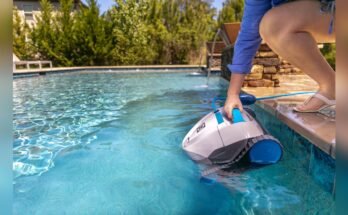
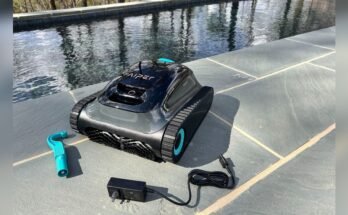
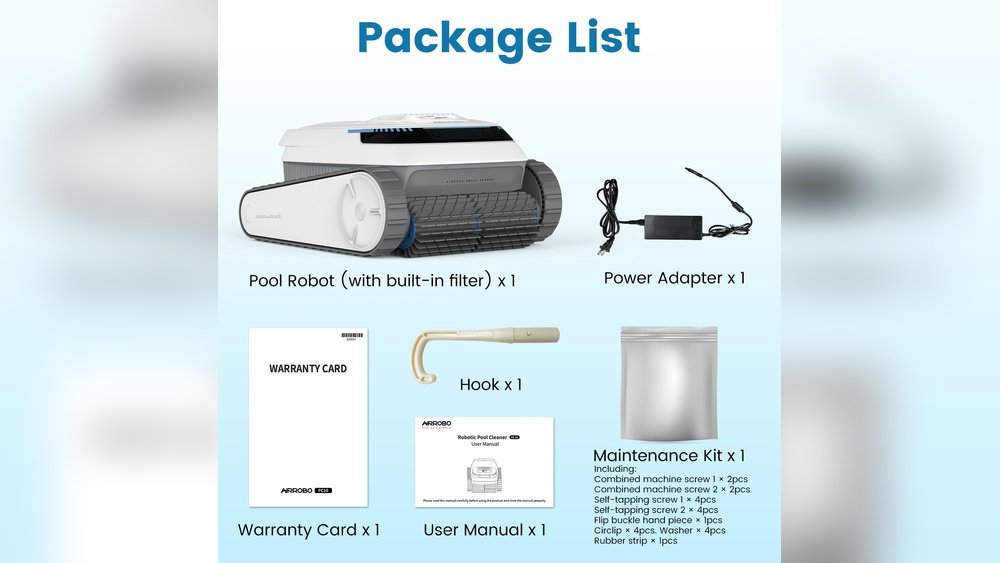
Robotic pool vacuums have built-in motors and brushes. They move independently using wheels or tracks. Sensors guide them to avoid obstacles and cover the entire pool. Dirt and debris get sucked into a filter inside the unit. After cleaning, the filter can be emptied and rinsed.
These vacuums do not need external pumps or hoses. They connect to a power source outside the pool. Battery-powered models also exist for cordless operation. Their smart cleaning patterns ensure pools stay spotless with little effort.
Types Of Robotic Pool Cleaners
Robotic cleaners come in several types. Some focus only on the pool floor. Others clean the floor, walls, and waterline. Basic models handle light debris like leaves and dust. Advanced models can remove algae and tougher grime.
There are electric and battery-powered robots. Electric ones run longer but need a power cable. Battery models offer more freedom but may need frequent charging. Choose a type based on pool size and cleaning needs.
Key Features To Consider
Look for a vacuum with good suction power. Strong suction removes dirt more effectively. Check the filter size and ease of cleaning. Larger filters hold more debris and need less emptying.
Consider the cleaning cycle time. Shorter cycles mean quicker pool cleaning. Remote control or smartphone app operation adds convenience. Also, check if the vacuum can climb walls and clean waterlines. These features improve cleaning coverage.

Manual Pool Cleaning Methods
Manual pool cleaning methods have been the standard for many pool owners. These methods require physical effort and specific tools to keep the pool water clear and safe. Understanding these traditional techniques helps compare them with modern robotic vacuum cleaners.
Common Tools Used
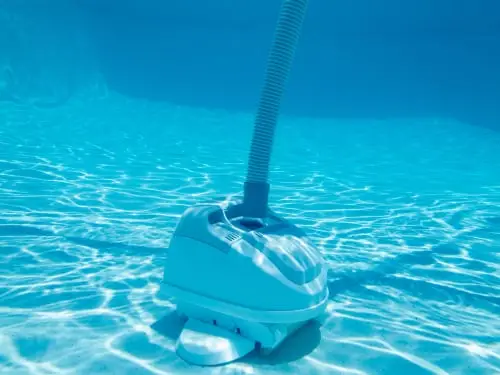
Several tools are essential for manual pool cleaning. A pool skimmer net removes leaves and debris from the surface. A pool brush scrubs the walls and floor to stop algae growth. A vacuum hose connects to the pool pump to suck dirt from the bottom. These tools work together to maintain pool cleanliness.
Techniques For Effective Cleaning
Cleaning starts by removing floating debris with the skimmer. Next, brushing the pool walls loosens dirt and algae. Then, vacuuming the pool floor clears settled dirt and particles. Following a regular cleaning schedule prevents buildup and keeps the pool healthy.
Time And Effort Involved
Manual cleaning takes time and physical work. Small pools may take about 30 to 60 minutes per session. Larger pools require more time and energy. Regular cleaning, at least once a week, is necessary to maintain water quality. The effort can be tiring and sometimes inconvenient.
Performance Comparison
Comparing the performance of robotic vacuums and manual pool cleaning reveals clear differences. Each method has strengths and weaknesses in various aspects of pool care. Understanding these can help decide which suits your needs best.
Cleaning Efficiency
Robotic vacuums clean pools automatically. They cover large areas without tiring. Their motors create strong suction that lifts dirt from the pool floor. Manual cleaning depends on human effort and tools, which may miss spots. Robots work steadily, ensuring a more consistent clean.
Handling Different Pool Surfaces
Robotic vacuums adapt well to smooth surfaces like tile or vinyl. They use brushes to scrub dirt gently. Rough or uneven surfaces can challenge some robots. Manual cleaning allows more control over delicate areas. People can adjust pressure and technique to avoid damage.
Dealing With Debris Types
Robotic vacuums handle small debris like sand and leaves easily. Some models struggle with larger twigs or heavy dirt clumps. Manual cleaning can remove bulky debris faster and more precisely. Humans can pick up objects that robots cannot process.

Cost Analysis
Understanding the costs of robotic pool vacuums versus manual cleaning is key. This helps in deciding which option fits your budget and needs better. Let’s break down the expenses involved in each choice.
Initial Investment
Robotic vacuums often cost more upfront than manual tools. A good robotic cleaner can range from $300 to $1,200. Manual pool cleaning tools, like brushes and nets, usually cost under $100. The price difference is clear at the start. But a higher cost may bring more convenience.
Maintenance Expenses
Robotic vacuums need regular care to work well. Filters, brushes, and batteries may need replacing over time. These parts can add to your yearly expenses. Manual cleaning tools rarely need replacement. Sometimes, a brush or net must be replaced. Maintenance for manual cleaning is generally low cost.
Long-term Savings
Robotic vacuums save time and effort, which can feel like money saved. They use less water and chemicals by cleaning efficiently. This can lower utility bills over time. Manual cleaning requires more water and chemicals. It also takes more of your time. Over years, robotic vacuums might cost less overall due to these savings.
Pros And Cons Of Robotic Vacuums
Robotic vacuums offer a modern way to clean pools. They promise ease and less effort. Yet, they come with both benefits and drawbacks. Understanding these helps decide if they suit your pool care needs.
Advantages Over Manual Cleaning
Robotic vacuums work automatically. They save time and reduce physical effort. These devices clean pool floors and walls effectively. They remove dirt, leaves, and small debris well. Their built-in filters trap fine particles. Many models operate quietly, causing less disturbance. Some have smart sensors to avoid obstacles. Regular use keeps pools cleaner consistently. Energy use is often lower than pumps for cleaning. Easy to set up and use for most owners.
Limitations And Challenges
Robotic vacuums may not clean every corner perfectly. They can struggle with heavy dirt or algae buildup. Some models need frequent filter cleaning and maintenance. Battery life limits how long they run at once. They may not work well on very steep pool walls. Initial cost is higher compared to manual tools. Repairs can be expensive if parts break. They require a power source or charging station. Not all models handle large pools efficiently. Sometimes manual cleaning is still necessary for deep scrubbing.
When To Choose Manual Cleaning
Manual pool cleaning remains important in many cases. Robots work well for regular tasks but have limits. Knowing when manual cleaning fits better helps keep pools safe and clean.
Some pool conditions and personal choices need hands-on care. Manual cleaning allows for better control and detail. It suits certain situations where robots cannot perform well.
Situations Unsuitable For Robots
Robotic vacuums struggle with pools that have odd shapes. Narrow corners and steps often confuse the machine. Heavy dirt or algae require strong scrubbing. Robots may miss spots or stop working.
Pool filters or drains that clog easily also need manual checks. Robots cannot fix or clear blockages. Pools with delicate surfaces or special liners need gentle cleaning. Manual tools avoid damage robots might cause.
User Preferences And Control
Some pool owners want full control over cleaning. Manual work allows choosing exact cleaning areas and timing. It helps check the water and pool parts closely. Owners can spot issues early and fix them.
Manual cleaning can be a way to relax or exercise. It gives a sense of satisfaction and care. People who prefer hands-on work may avoid robots. They trust their own skills more than machines.
Tips For Maximizing Robot Efficiency
Robotic pool cleaners can save time and effort. Getting the best results means using them right. Small steps help the robot work well and clean thoroughly. Here are tips to help the robot clean your pool efficiently.
Proper Maintenance
Keep the robot clean after every use. Remove leaves and dirt from filters. Check brushes for wear and tear. Rinse the cleaner with fresh water to avoid damage. Store the robot in a dry, shaded place. Regular checks keep the robot running longer.
Optimizing Cleaning Schedules
Set the robot to clean when the pool is least used. Early mornings or late evenings work well. Avoid running the robot during heavy pool use. Regular cleaning stops dirt build-up and keeps water clear. Adjust schedules based on pool size and dirt levels.
Troubleshooting Common Issues
Watch for slow movement or unusual noises. Check for blockages in wheels and filters. Reset the robot if it stops working. Replace worn parts to maintain efficiency. Follow the manual for specific fixes. Quick action prevents bigger problems later.
Frequently Asked Questions
Can Robotic Vacuums Fully Replace Manual Pool Cleaning?
Robotic vacuums handle routine debris removal efficiently. However, manual cleaning is still needed for deep scrubbing and hard-to-reach spots. Combining both methods ensures a thoroughly clean pool.
How Do Robotic Pool Vacuums Work?
Robotic pool vacuums use built-in sensors to navigate and scrub pool surfaces. They collect dirt and debris in an internal filter, reducing manual effort and maintaining clear water.
Are Robotic Vacuums Cost-effective For Pool Maintenance?
Robotic vacuums save time and reduce labor costs over time. Initial investment can be high, but lower chemical use and less manual cleaning balance expenses.
What Types Of Debris Can Robotic Vacuums Handle?
Robotic vacuums efficiently pick up leaves, dirt, sand, and algae. However, large branches or heavy debris may require manual removal to avoid clogging.
Conclusion
Robotic vacuums help reduce time spent cleaning pools. They work well for regular dirt and small debris. Still, they might miss spots or need help with tough grime. Manual cleaning lets you check pool parts closely. Combining both methods often keeps pools cleaner and safer.
Choose what fits your schedule and pool needs best. A clean pool means more fun and less hassle.