Have you ever wondered if a robotic pool vacuum can climb your pool walls? If you’re tired of scrubbing those stubborn spots by hand, this question matters a lot.
Imagine a device that not only cleans the floor but also tackles the walls, saving you time and effort. You’ll discover how these smart machines work, whether they can handle vertical surfaces, and what to look for when choosing the right model for your pool.
Keep reading—you’re about to unlock the secrets to a cleaner, easier pool maintenance routine.
How Robotic Pool Vacuums Work
Robotic pool vacuums clean your pool with smart technology and simple parts. These devices work automatically and require little help from you. Understanding how they work helps you choose the right one for your pool. Their design allows them to clean floors, walls, and sometimes waterlines.
Basic Mechanism
Robotic pool vacuums have motors that power brushes and wheels. The brushes scrub dirt and algae from surfaces. The wheels move the vacuum across the pool floor and walls. Inside, a pump pulls water and debris into a filter. This process traps dirt while clean water flows back into the pool.
Navigation Systems
Navigation systems guide the vacuum around the pool. Some use sensors to avoid obstacles and stairs. Others follow a preset pattern to cover the entire pool. Advanced models use cameras and smart mapping to clean efficiently. These systems help the vacuum climb walls and clean edges thoroughly.
Cleaning Modes
Robotic vacuums offer different cleaning modes for various needs. Some focus on quick cleaning of the pool floor only. Others perform deep cleaning on floors, walls, and waterlines. Timed modes allow you to set cleaning duration. Spot cleaning targets specific dirty areas for extra care.

Wall Climbing Capabilities
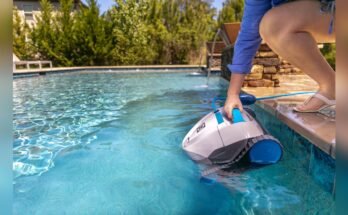
Robotic pool vacuums are designed to clean more than just the pool floor. Many models can climb walls to remove dirt and algae. This feature helps keep pools cleaner with less manual work. Understanding how these robots climb walls reveals their design and power.
Wall climbing is not simple. It needs special parts and strong suction. The surface of the pool walls also affects how well the robot can climb. Let’s explore these factors in detail.
Design Features For Climbing
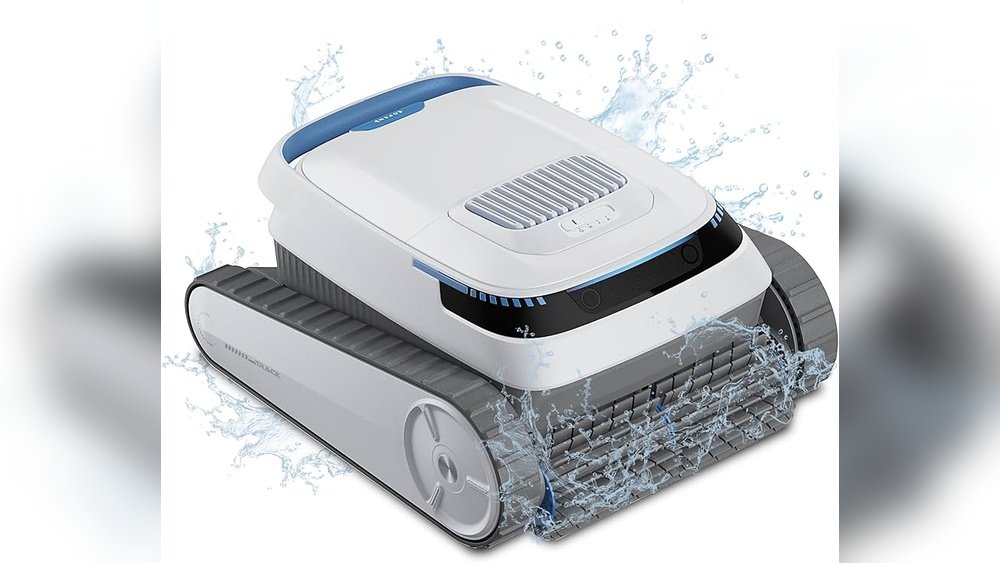
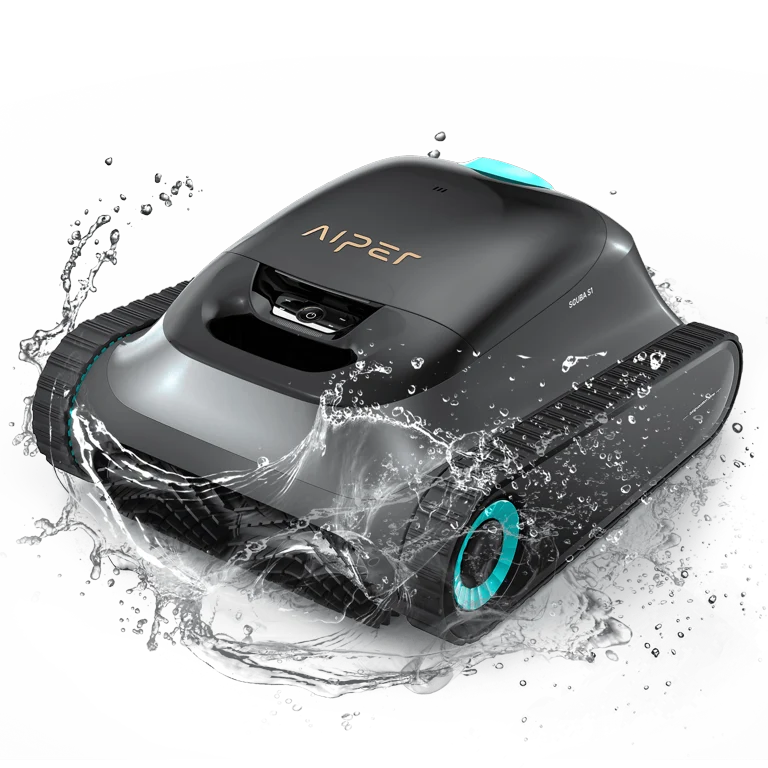
Robotic vacuums use brushes and tracks to grip pool walls. Some have rubberized wheels that hold tight on slippery surfaces. The shape of the vacuum is often flat and wide for better contact. Sensors help the robot detect edges and obstacles. These features work together to keep the robot climbing steadily.
Suction Power And Traction
Suction power pulls the robot towards the wall. Strong suction prevents it from falling off. Traction comes from the wheels or tracks gripping the surface. Both suction and traction must balance well. Too little suction or poor traction causes slipping. Good models have motors designed for constant suction on vertical surfaces.
Limitations On Different Wall Types
Not all pool walls are easy to climb. Smooth tiles offer good grip and suction. Rough or textured walls can be harder for robots. Walls with heavy algae or dirt may reduce suction power. Some robots struggle on painted or vinyl surfaces. Checking the pool wall type helps choose the right vacuum.
Popular Models With Wall Climbing
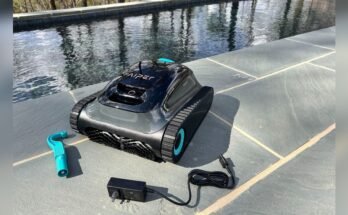
Robotic pool vacuums with wall climbing features make cleaning easier. They can climb pool walls to remove dirt and algae. This helps keep the entire pool clean without manual scrubbing. Many popular models offer this feature with various smart functions.
These models use strong suction and special tracks to climb vertical surfaces. They adjust to different wall shapes and pool types. Wall climbing robots save time and effort in pool maintenance. Here are some popular models that include wall climbing.
Top Brands And Features
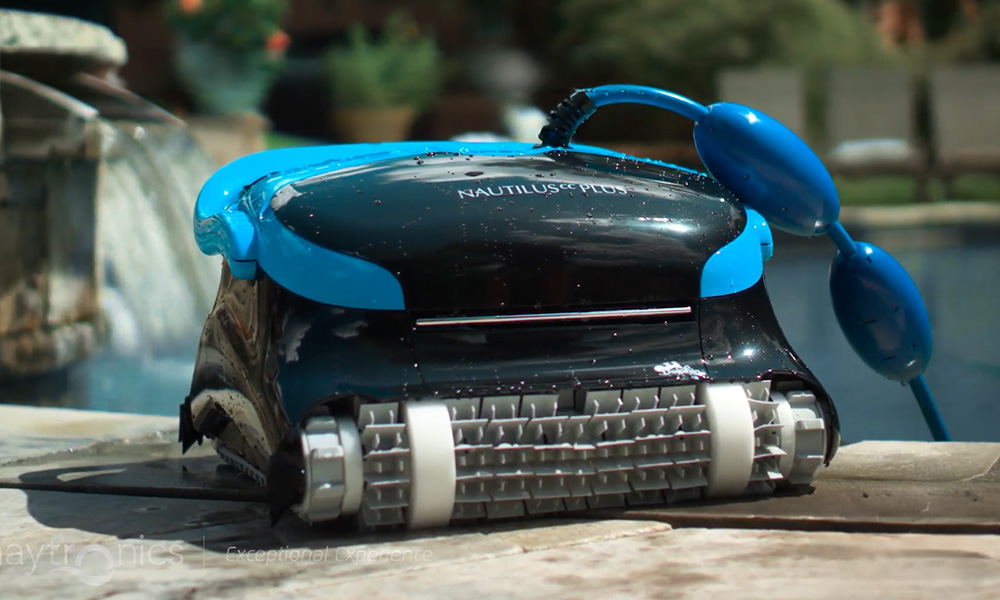
Dolphin and Polaris lead the market in wall climbing robots. Dolphin models have smart navigation and strong brushes. Polaris offers powerful suction and easy-to-use controls. Both brands provide models with advanced filters and energy-saving modes.
Other brands like Hayward and Aquabot also include wall climbing in some models. Features include remote control, programmable cleaning cycles, and tangle-free cables. Many robots have sensors to avoid obstacles and optimize cleaning paths.
Customer Reviews
Users praise wall climbing models for thorough cleaning. Many say these robots reach spots other cleaners miss. Customers appreciate the time saved and ease of use. Some reviews mention quiet operation and durable design.
Minor complaints involve occasional difficulty on very steep or slippery walls. Some users find the price higher than basic models. Overall, wall climbing robots receive high ratings for performance and reliability.
Price Range
Wall climbing pool vacuums usually cost more than standard models. Prices range from $700 to $1,500 depending on features and brand. Basic wall climbers start near $700 but may lack smart functions.
Advanced models with remote control and special filters reach $1,200 or more. Investing in a quality wall climbing robot offers long-term value. It reduces manual work and keeps pools cleaner all year.
Factors Affecting Wall Climbing Performance
Several factors influence how well a robotic pool vacuum climbs pool walls. These elements affect the vacuum’s grip, movement, and overall cleaning ability. Understanding these factors helps improve the vacuum’s performance and keeps your pool spotless.
Pool Surface Material
The type of surface in your pool plays a big role in wall climbing. Rough surfaces like concrete or pebble offer better grip for the vacuum. Smooth surfaces such as tile or fiberglass can be slippery. This makes it harder for the vacuum to stick and move up the walls.
Some robotic vacuums have special brushes or tracks designed for certain surfaces. Choosing a vacuum made for your pool’s surface boosts wall climbing success.
Water Chemistry
Water quality impacts the vacuum’s ability to climb walls. Balanced water prevents algae and slime buildup. Slippery algae can reduce the vacuum’s grip. High levels of calcium or other minerals cause scale deposits. These deposits make walls slick and harder to clean.
Regular water testing and treatment keep surfaces clean and easy to climb for the vacuum.
Maintenance And Upkeep
Keeping the robotic vacuum clean is essential for good wall climbing. Dirt and debris on brushes or tracks reduce traction. Clogged filters affect suction power and movement. Regular cleaning of the vacuum parts keeps it working well.
Check the vacuum for wear and tear often. Replace worn parts to maintain strong wall climbing ability.
Alternatives To Wall Climbing Vacuums
Robotic pool vacuums that climb walls may not suit every pool. Some pools have tricky shapes or surfaces that stop robots from climbing. Fortunately, many alternatives keep pools clean without wall climbing features.
These options help maintain pool cleanliness easily. They suit different budgets and pool types. Explore practical tools and services for sparkling pools without climbing robots.
Manual Wall Cleaning Tools
Manual tools let you clean pool walls by hand. Brushes and scrapers remove algae and dirt. They are affordable and easy to use. You control where and how to clean. These tools work well for small or simple pools.
Robotic Pool Cleaners Without Climbing
Some robots clean pool floors only. They use sensors to move efficiently. These models have strong suction and brushes. They clean well but do not climb walls. These robots suit pools with smooth walls or fewer algae problems.
Professional Cleaning Services
Pool cleaning professionals offer thorough wall and floor cleaning. They use special equipment and chemicals. Experts spot areas that need extra care. Services save time and effort for pool owners. Regular visits keep pools in top shape.
Frequently Asked Questions
Can Robotic Pool Vacuums Climb Pool Walls?
Yes, many robotic pool vacuums are designed to climb pool walls. They use powerful suction and tracks to move vertically. This feature helps clean hard-to-reach areas, including waterlines and walls, ensuring a thorough pool cleaning experience.
How Do Robotic Pool Vacuums Climb Walls?
Robotic pool vacuums climb walls using strong suction and motorized brushes. Their wheels or tracks grip the pool surface firmly. This combination allows them to move vertically and scrub dirt off walls effectively, improving overall pool hygiene.
Are All Robotic Pool Vacuums Wall-climbing Capable?
No, not all robotic pool vacuums can climb walls. Wall-climbing models usually have advanced motors and gripping mechanisms. Check product specifications before buying to ensure the vacuum meets your pool cleaning needs, especially for wall cleaning.
Does Wall Climbing Improve Pool Cleaning Efficiency?
Yes, wall climbing significantly improves pool cleaning efficiency. It allows the vacuum to clean pool walls and waterlines. This reduces algae buildup and dirt accumulation, providing a cleaner and healthier swimming environment.
Conclusion
Robotic pool vacuums often climb pool walls to clean better. Not all models can do this well. Some struggle with slippery or steep surfaces. Choosing the right vacuum depends on your pool type. Wall-climbing helps remove dirt stuck above the floor.
This feature saves time and effort for pool owners. Check product details before buying to ensure it fits your needs. A good robotic vacuum keeps your pool cleaner and clearer. Simple maintenance keeps it working at its best. Clean pools mean more fun and less hassle.