Is your pool water looking cloudy and dull? You might be wondering if a pool vacuum can clear it up and bring back that sparkling shine.
If you want to enjoy crystal-clear water every time you dive in, understanding how to tackle cloudiness is key. You’ll discover whether a pool vacuum is the secret weapon you need or if there’s more to the story. Keep reading to find out how to get your pool water crystal clear and inviting again!
Causes Of Cloudy Pool Water
Cloudy pool water can be frustrating and ruin your swimming fun. Understanding why your pool turns cloudy is the first step to clear water. Several factors cause this problem, from chemicals to dirt and tiny algae. Knowing these causes helps you fix the water quickly and keep it clean.
Common Chemical Imbalances
Pool water needs the right chemical balance to stay clear. If the pH, chlorine, or alkalinity levels are off, water can turn cloudy. Low chlorine allows germs and particles to float freely. High pH causes minerals to form cloudy deposits. Regular testing keeps chemicals in check.
Debris And Particles
Leaves, dirt, and tiny dust particles settle in the pool. These bits may not sink immediately but stay suspended in the water. This suspension causes a murky, cloudy look. A pool vacuum helps remove this debris from the bottom and sides. Skimming daily also reduces floating dirt.
Algae Growth
Algae can grow fast in warm, wet conditions. It looks like green or yellowish slime and clouds the water. Even a small algae bloom makes the pool water foggy. Proper sanitation and brushing pool surfaces stop algae from spreading. Treating algae early keeps water clear.

Role Of A Pool Vacuum
A pool vacuum plays an important role in keeping your pool clean. It helps remove dirt, leaves, and other debris from the water. By doing this, it keeps the pool looking clear and inviting. Understanding how a pool vacuum works can help you decide if it can fix cloudy water in your pool.
Pool vacuums come in different types and use various methods to clean. They focus mainly on solid particles that settle on the bottom. This makes the pool safer and more enjoyable to swim in.
Types Of Pool Vacuums
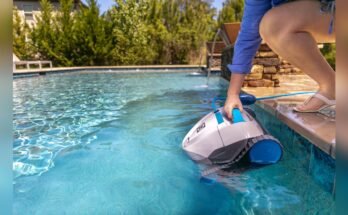
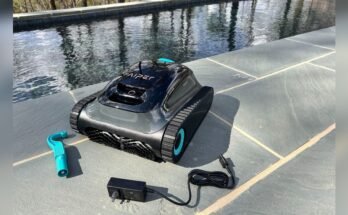
There are three main types of pool vacuums. Manual vacuums require you to move them around the pool. Automatic vacuums work on their own and clean the pool floor. Robotic vacuums are the newest type and use advanced technology to clean thoroughly. Each type suits different pool sizes and budgets.
How Vacuums Remove Debris
Pool vacuums use suction to pull dirt and debris into a filter or bag. They work best on larger particles like leaves, bugs, and dirt clumps. Moving the vacuum over the pool floor collects these solids. This reduces the amount of visible dirt and helps maintain clear water.
Limitations In Clearing Cloudiness
Pool vacuums cannot remove tiny particles that cause cloudiness. Cloudy water often comes from chemicals imbalance or algae. These small particles stay suspended and do not settle on the pool floor. Removing cloudiness needs proper chemical treatment and good filtration. Vacuums alone will not clear cloudy water fully.
Chemical Treatments For Cloudy Water
Chemical treatments play a key role in clearing cloudy pool water. They help fix water problems that a vacuum alone cannot solve. Using the right chemicals brings balance and clarity to your pool. This section covers three main treatments for cloudy water.
Balancing Ph And Alkalinity
pH and alkalinity levels must be balanced for clear water. Low or high pH can cause cloudiness and skin irritation. Alkalinity acts as a buffer to keep pH stable. Test these levels regularly and adjust with pool chemicals. Balanced water helps other treatments work better.
Using Clarifiers And Flocculants
Clarifiers gather tiny particles into larger clumps. These clumps become easier to remove by the pool filter. Flocculants work by making particles settle at the bottom. After flocculant use, vacuuming the pool floor clears the debris. Both treatments improve water clarity fast.
Shock Treatments
Shock treatments use a strong dose of chlorine or other chemicals. This kills bacteria, algae, and organic matter causing cloudiness. Shocking the pool clears contaminants that regular chlorination misses. Follow product instructions to avoid overuse and keep water safe.

Combining Vacuuming With Other Methods
Using a pool vacuum alone may not clear cloudy water fully. Combining vacuuming with other methods helps improve water clarity. Each method supports the others to keep the pool clean and healthy. This approach targets dirt, particles, and chemical balance for better results.
Understanding how to combine vacuuming with treatments and maintenance makes a big difference. It saves time and effort, giving you clearer water faster.
Vacuuming After Chemical Treatment
Start by balancing the pool chemicals. Use chlorine or algaecide to kill bacteria and algae. Let the chemicals work for a few hours. Then vacuum the pool to remove dead particles and debris. This step prevents cloudy water from returning quickly. Vacuuming after treatment clears the pool floor and walls effectively.
Improving Filtration Systems
Check your pool filter regularly. Clean or replace filter cartridges as needed. A good filter catches tiny particles that cause cloudiness. Run the pump for at least 8 hours daily. This keeps water circulating and removes impurities. Vacuuming works better when the filter is efficient. Both work together to maintain clear water.
Regular Maintenance Tips
Skim the pool surface daily to remove leaves and bugs. Brush pool walls weekly to prevent algae buildup. Vacuum the pool floor once or twice a week. Test water chemistry regularly and adjust chemicals. Keep the pool covered when not in use. These habits reduce dirt and keep water clear longer.
Expert Recommendations
Experts agree that a pool vacuum can help clear cloudy water, but it is not a complete solution. Using the vacuum correctly and combining it with other pool care steps is essential. Proper maintenance keeps your water sparkling and safe for swimming.
Best Practices For Clear Water
Vacuum the pool slowly and cover every area. Use the correct vacuum head for your pool surface. Regularly check and clean the filter to keep water moving well. Balance the pool chemicals, especially chlorine and pH levels. Run the pool pump at least eight hours daily for good circulation.
Common Mistakes To Avoid
Do not vacuum too fast, or dirt will return to the water. Avoid vacuuming during the hottest part of the day to prevent chemical loss. Never skip testing your water chemistry before vacuuming. Do not rely only on the vacuum to fix cloudy water. Skipping filter cleaning can make cloudiness worse.
When To Call A Professional
Cloudy water that stays after vacuuming needs expert help. Professionals can test for hidden issues like algae or high metals. If your pool pump or filter breaks often, call a technician. Experts can also advise on the right products and equipment for your pool. Regular check-ups prevent bigger problems later.

Frequently Asked Questions
Can A Pool Vacuum Clear Cloudy Pool Water?
Yes, a pool vacuum can help remove particles causing cloudiness. It physically sucks up dirt and debris. However, it works best combined with proper chemical balance and filtration to clear the water fully.
How Often Should I Vacuum A Cloudy Pool?
Vacuum your cloudy pool at least once a week. Frequent vacuuming removes suspended particles and prevents buildup. Regular maintenance improves water clarity and keeps your pool clean and healthy.
Does Vacuuming Alone Fix Cloudy Pool Water?
No, vacuuming alone won’t fix cloudy water. Chemical imbalance or poor filtration often cause cloudiness. Use vacuuming alongside water testing, chemical adjustment, and filter cleaning for best results.
What Type Of Vacuum Is Best For Cloudy Water?
A suction-side or robotic pool vacuum works well for cloudy water. These vacuums efficiently capture fine debris and sediment. Choose one compatible with your pool type for optimal cleaning and water clarity.
Conclusion
A pool vacuum can help clear cloudy water by removing dirt and debris. It works best with proper pool chemicals and regular cleaning. Cloudy water often needs more than just vacuuming to fix. Test your water and balance it well.
Use the vacuum to keep your pool clean and clear. Small steps make a big difference in pool care. Clean water means a safer and more fun swim. Keep your pool vacuum ready for regular use. Clear water is possible with simple, steady effort.