Are you tired of seeing tiny leaves, dirt, and other small debris floating around your pool no matter how often you clean? Choosing the right pool vacuum can make all the difference in keeping your water sparkling clear.
But when it comes to suction-side pool vacuums, you might wonder: are they really effective for picking up those small particles? You’ll discover how suction-side pool vacuums work, their strengths and weaknesses, and whether they’re the best choice for your pool cleaning needs.
Keep reading to find out if this popular tool is the solution you’ve been searching for.

How Suction-side Vacuums Work
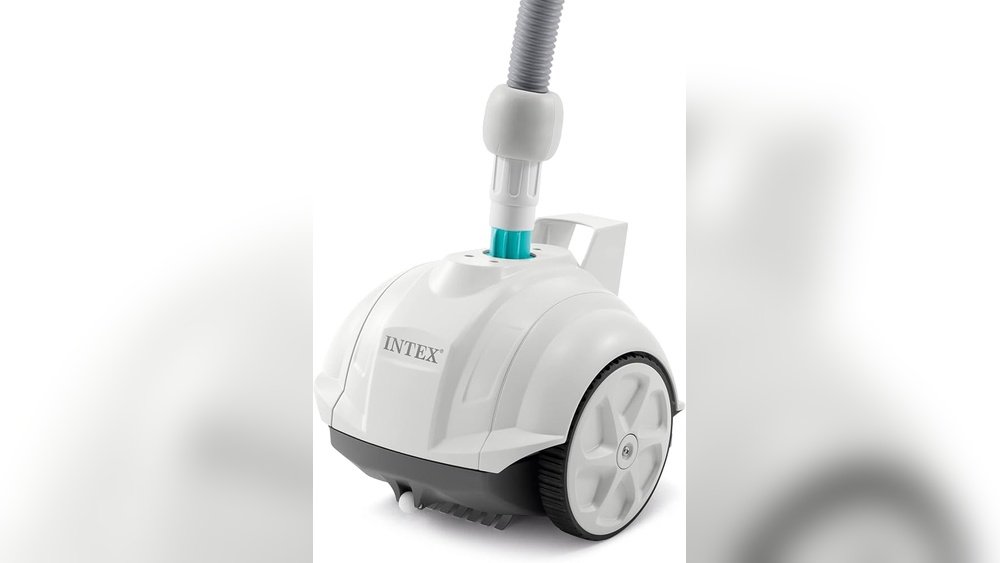
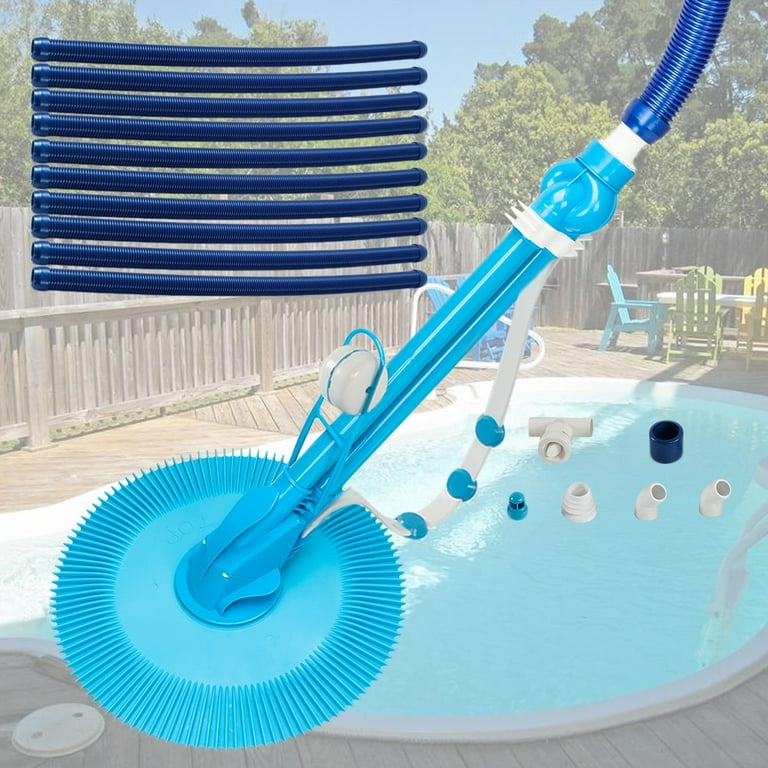
Suction-side pool vacuums are popular tools for cleaning small debris from pools. Understanding how they work helps you decide if they suit your pool cleaning needs. These vacuums use the pool’s existing suction to pull dirt and debris. The process is simple but effective for routine maintenance.
Basic Mechanism
A suction-side vacuum uses the suction power from the pool pump. It creates a vacuum effect that pulls water and debris through the vacuum head. Small particles like leaves, dirt, and bugs get sucked in. The debris then travels through the hose to the pool’s filtration system. This method keeps the pool water clean by removing unwanted particles.
Connection To Pool System
The vacuum hose connects directly to the pool’s skimmer or dedicated suction port. This connection allows the vacuum to use the pool pump’s suction power. The pump pulls water through the vacuum head and hose. The water passes through the pool filter, which traps debris. Clean water then flows back into the pool. This cycle repeats, gradually cleaning the pool surface and floor.
Effectiveness With Small Debris
Suction-side pool vacuums are common tools for cleaning pools. Their ability to handle small debris plays a big role in pool maintenance. Understanding how well these vacuums work with tiny particles helps you decide if they fit your needs.
Types Of Small Debris
Small debris in pools includes leaves, dirt, sand, and algae particles. These items often float or settle at the pool bottom. Fine dust and small twigs also count as small debris. The size and weight of debris affect how easily a vacuum can pick it up.
Vacuum Performance Factors
Suction power is key to cleaning small debris. Strong suction pulls in tiny particles more effectively. The vacuum’s filter size matters too. A fine filter catches smaller debris without clogging quickly. Hose length and design impact suction strength as well. A shorter, well-sealed hose keeps suction steady. Regular maintenance keeps the vacuum working well. Clogged filters or hoses reduce cleaning performance.
Advantages Of Suction-side Vacuums
Suction-side pool vacuums offer several clear benefits for cleaning small debris. They connect easily to your pool’s existing filtration system. This setup helps keep the pool clean without extra equipment. These vacuums use the pool pump’s suction power to collect dirt and leaves. Small debris like sand, dirt, and tiny leaves get pulled into the vacuum effectively.
Many pool owners choose suction-side vacuums because they balance cost, ease, and performance. Their simple design means fewer parts can break or wear out. This reliability makes them a practical choice for regular pool maintenance.
Cost And Maintenance
Suction-side vacuums cost less than other types of pool cleaners. They do not require a separate pump or power source. This lowers the overall price and reduces electricity use. Maintenance is simple since the vacuum uses your pool’s filter. Cleaning the filter regularly keeps the vacuum working well. Repairs tend to be cheaper and easier with suction-side models.
Ease Of Use
These vacuums are easy to set up and use. Attach the vacuum hose to the pool’s skimmer or dedicated suction port. The pool pump creates suction to pull dirt into the vacuum. No special skills or tools are needed. This makes suction-side vacuums ideal for pool owners who want quick cleaning. They work well for small debris and light cleaning jobs.
Limitations To Consider
Suction-side pool vacuums help clean small debris. They work by attaching to the pool’s skimmer or dedicated suction line. Despite their convenience, these vacuums have some limits. Understanding these helps choose the right tool for your pool cleaning needs.
Clogging Issues
Small debris can cause clogging in suction-side vacuums. Leaves, dirt, and sand may get stuck in the hose or filter basket. This reduces cleaning efficiency and may stop the vacuum from working. Frequent checks and cleaning of the filter and hose are necessary. Without this, the vacuum might need repair or replacement sooner.
Suction Power Constraints
Suction-side vacuums rely on the pool’s pump power. If the pump is weak, suction drops and cleaning becomes less effective. Small debris may not get picked up well in this case. Also, long hoses or multiple bends reduce suction strength. This limits how deep or far the vacuum can clean. A strong pump and proper hose setup improve results.
Comparing Alternatives
Choosing the right pool vacuum matters for keeping your pool clean. Different types work better for different debris sizes. Small debris can be tricky to remove. Understanding your options helps pick the best tool for your pool.
Below, two popular alternatives to suction-side vacuums get a closer look. Each has its own strengths and weaknesses for handling small debris.
Pressure-side Vacuums
Pressure-side vacuums use water pressure to move and collect debris. They often come with a separate filter bag. This bag catches leaves, dirt, and small particles. These vacuums work well with larger debris but can handle small debris too.
They do not use your pool’s main filter, which helps reduce strain. The strong suction and water flow help pick up fine particles. They also cover large pool areas quickly. Some models include brushes to loosen dirt from surfaces.
These vacuums need a booster pump or pressure from a pool cleaner system. That means extra equipment and energy use. Still, they are good for pools with a lot of debris and uneven floors.
Robotic Pool Cleaners
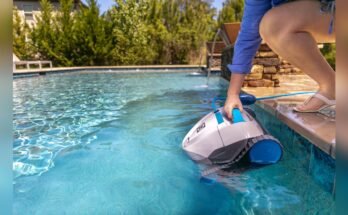
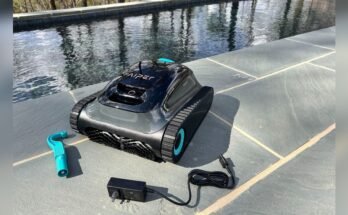
Robotic cleaners work independently and plug into power outlets. They scrub and vacuum the pool floor and walls. Their filters trap tiny debris and dirt effectively. Many models have fine mesh filters designed for small particles.
They move on their own, covering every corner of the pool. This thorough cleaning helps remove fine dust and sand. Robotic cleaners do not affect your pool’s filtration system.
These devices save time and require less manual effort. They often cost more upfront but offer convenience. Easy to maintain, they can last for many years with proper care.
Tips For Optimizing Performance
Optimizing the performance of suction-side pool vacuums is key to keeping pools clean. Small debris can be tricky, but the right steps help these vacuums work better. Follow simple tips to improve suction and remove dirt more efficiently.
Regular Maintenance
Clean the vacuum’s filter often. A clogged filter lowers suction power. Check hoses for cracks or leaks. Replace any damaged parts quickly. Empty the skimmer basket regularly. This stops blockages and keeps water flowing. Inspect the vacuum head for debris buildup. Clear out leaves and dirt after each use.
Proper Setup
Attach the vacuum hose tightly to avoid air leaks. Position the vacuum head slowly and steadily on the pool floor. Avoid rushing, which can stir up dirt. Make sure the pump runs at the right speed. Too fast or too slow affects cleaning. Balance water flow to help the vacuum pick up small debris better.

Frequently Asked Questions
Are Suction-side Pool Vacuums Effective For Small Debris?
Yes, suction-side pool vacuums can effectively remove small debris like sand and leaves. However, their efficiency depends on the vacuum’s filter and suction power.
How Do Suction-side Pool Vacuums Handle Fine Particles?
Suction-side vacuums use the pool’s pump to create suction, capturing fine particles. They work best with clean filters and regular maintenance to avoid clogging.
Can Suction-side Vacuums Damage Pool Filters With Small Debris?
Small debris usually doesn’t damage pool filters, but excessive dirt can clog them. Regular cleaning of the filter is essential to maintain vacuum performance.
Are Suction-side Pool Vacuums Better Than Pressure-side For Small Debris?
Suction-side vacuums are generally better for fine debris due to their direct suction method. Pressure-side vacuums handle larger debris but may miss finer particles.
Conclusion
Suction-side pool vacuums work well for picking up small debris. They clean leaves, dirt, and tiny particles easily. These vacuums connect to your pool’s filter system. This means they use the pump’s power to suck up dirt. They save time and effort compared to manual cleaning.
Keep in mind, regular filter cleaning is important. It keeps the vacuum working at its best. For small debris, suction-side vacuums offer a simple, effective solution. A cleaner pool means more fun and less hassle.