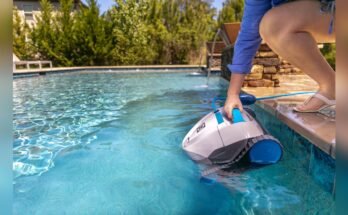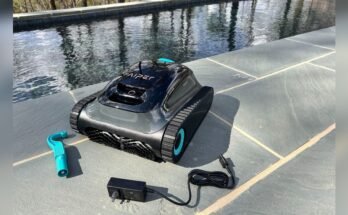
Are you tired of spending hours cleaning your pool? Imagine a device that does all the hard work for you while you relax.
Robotic pool vacuums promise exactly that—but are they really worth the money? You’ll discover how these smart gadgets work, what benefits they offer, and whether investing in one makes sense for your pool and lifestyle. Keep reading to find out if a robotic pool vacuum could be the game-changer your pool routine needs.

Benefits Of Robotic Pool Vacuums
Robotic pool vacuums bring many benefits to pool owners. They make pool cleaning easier and faster. These devices work on their own, saving your effort. The technology inside helps keep pools cleaner than manual cleaning.
Investing in a robotic pool vacuum means less time spent on chores. It also means a more enjoyable pool experience with fewer worries about dirt and debris.
Time-saving Features
Robotic pool vacuums clean the pool automatically. You just set the device and let it work. This saves hours compared to manual vacuuming. The robot moves around the pool efficiently. It reaches corners and walls that are hard to clean.
Energy Efficiency
These vacuums use less energy than traditional pool pumps. They have smart motors designed to use power wisely. Lower energy use means smaller electricity bills. This makes robotic vacuums a cost-effective choice over time.
Improved Cleaning Performance
Robotic vacuums have strong suction power. They pick up dirt, leaves, and even small debris. Many models scrub pool surfaces gently but thoroughly. This helps keep water clear and healthy. The filters trap fine particles that other cleaners miss.
User-friendly Operation
Most robotic pool vacuums are simple to use. You can start cleaning with just a button press. Some models have remote controls or apps for easy control. Maintenance usually involves cleaning the filter and charging. No special skills or tools are needed.
Types Of Robotic Pool Vacuums
Robotic pool vacuums come in various types, each designed to meet different pool cleaning needs. Understanding these types helps choose the right model for your pool. This section breaks down key features and options available in robotic pool vacuums.
Corded Vs. Cordless Models
Corded models plug directly into an outlet. They offer continuous power without the need to recharge. Cordless models run on batteries, allowing more freedom of movement. They work well in pools without easy access to power sockets. Cordless vacuums require charging but avoid cord tangling issues.
Battery Life And Charging
Battery life varies between models, usually lasting 1 to 3 hours per charge. Longer battery life means more cleaning time. Charging times differ, often between 2 and 4 hours. Some vacuums feature quick-charge options to reduce downtime. Check battery life to match your pool’s size and cleaning schedule.
Cleaning Technologies
Robotic vacuums use various cleaning methods. Some have brushes to scrub pool surfaces. Others use strong suction to pick up debris and dirt. Advanced models include smart navigation for efficient cleaning paths. Some vacuums filter fine particles, improving water clarity. Different technologies suit different pool types and debris levels.
Suitable Pool Sizes
Robotic vacuums vary in pool size compatibility. Small models fit pools under 20 feet. Medium models work well for pools up to 40 feet. Larger models clean pools over 40 feet efficiently. Choosing the right size ensures complete cleaning without overworking the vacuum.
Cost Factors To Consider
Understanding the cost factors helps you decide if a robotic pool vacuum fits your budget. These machines have various expenses beyond just buying them. Knowing all the costs can save you from surprises later.
Initial Purchase Price
The first cost is the price of the vacuum itself. Some models are cheaper, while others can be expensive. Price depends on features, brand, and cleaning power. Choose a model that matches your pool size and needs.
Maintenance Expenses
Robotic vacuums need regular upkeep to work well. Filters must be cleaned or replaced often. Brushes and wheels can wear out and need swapping. Maintenance costs add up over time.
Energy Consumption
These vacuums use electricity to clean your pool. Some models are energy-efficient and cost less to run. Others use more power, increasing your electric bill. Check the energy rating before buying.
Longevity And Durability
A long-lasting vacuum saves money in the end. Look for models made with strong materials. Good robots can work for years with proper care. Cheaper models might break down sooner and need replacement.
Comparing Robotic Vacuums With Traditional Options
Comparing robotic pool vacuums with traditional cleaning options helps you understand their value. Each method has strengths and weaknesses. Knowing these differences guides your choice for a cleaner pool.
Robotic vacuums offer a modern approach, while traditional tools rely on manual effort or simple machines. This section breaks down these options to see how they match up.
Manual Pool Cleaning
Manual cleaning uses brushes, nets, and hoses to remove debris. It requires physical effort and time. Many pool owners find it tiring and slow. It works well for small pools or quick clean-ups. It costs less but demands regular attention.
Suction And Pressure Cleaners
Suction and pressure cleaners connect to the pool’s pump system. They move around the pool floor and walls to pick up dirt. These cleaners save time compared to manual cleaning. They depend on your pool’s pump strength. They can be noisy and less precise in tight corners.
Automation And Convenience
Robotic vacuums operate independently using built-in motors and filters. They clean floors, walls, and waterlines with little input from you. They save energy by running on low power. Robotic vacuums reduce physical work and cleaning time. They have smart sensors to avoid obstacles. They cost more upfront but offer long-term ease.
Common Challenges And Limitations
Robotic pool vacuums offer convenience but come with some challenges. Understanding these limits helps decide if they fit your needs. Each model faces issues that affect cleaning performance and ease of use.
Navigation Issues
Robotic vacuums can struggle to navigate complex pool shapes. Tight corners and narrow steps may confuse sensors. Sometimes, the vacuum gets stuck or misses areas. This leads to uneven cleaning and extra manual work.
Handling Debris Types
These vacuums work well on small debris like dirt and leaves. Large or heavy debris can clog the filter or block brushes. Fine sand might slip through filters and stay on the pool floor. Some models lack power to pick up tough debris efficiently.
Pool Surface Compatibility
Robotic vacuums are not always compatible with all pool surfaces. Rough or porous surfaces may wear out brushes quickly. Some vacuums perform poorly on tile or stone finishes. A smooth surface helps the vacuum move and clean better.
Tips For Choosing The Right Model
Choosing the right robotic pool vacuum can save time and keep your pool clean. Focus on key points that match your pool’s needs and your budget. This helps you pick a model that works well and lasts long.
Assessing Pool Size And Shape
Measure your pool before buying a vacuum. Some models work better for small pools. Others suit large or irregular shapes. Choose a vacuum that covers the whole pool easily. This avoids missed spots and extra cleaning.
Checking Features And Accessories
Look for useful features like programmable cleaning cycles. Some vacuums have remote controls or app connectivity. Check for accessories such as brushes or extra filters. These help clean different debris and surfaces better.
Reading User Reviews
Read reviews from people with similar pools. Reviews reveal real problems and benefits. They show how well the vacuum cleans and lasts. Pay attention to common complaints and praise. This helps set realistic expectations.
Warranty And Customer Support
Choose a vacuum with a good warranty. This protects your investment against defects. Check if customer support is easy to reach. Quick help saves frustration during issues. Reliable service adds peace of mind.
Maximizing Value From Your Robotic Pool Vacuum
Maximizing the value of your robotic pool vacuum helps you save money and time. These devices need care to perform well over the years. Small daily efforts keep the vacuum working at its best. Follow simple steps to avoid costly repairs and extend its life.
Regular Maintenance Practices
Clean the filter after every use to keep suction strong. Remove leaves, dirt, and debris from brushes and wheels. Check for cracks or damage on the vacuum’s body. Rinse the vacuum with fresh water to remove chemicals. Inspect the power cord for cuts or wear. Regular maintenance prevents breakdowns and keeps the vacuum efficient.
Proper Storage Techniques
Store the vacuum in a cool, dry place away from sunlight. Avoid leaving it in the pool when not in use. Hang the power cord loosely to prevent tangles or damage. Keep the vacuum off the ground to avoid moisture buildup. Proper storage protects the motor and electronics from damage. It also helps maintain the vacuum’s appearance and function.
Software Updates And Upgrades
Check for software updates regularly if your vacuum supports them. Updates can improve cleaning patterns and fix bugs. Follow the manufacturer’s instructions to install updates safely. Some models allow upgrades for better navigation and efficiency. Staying current with software keeps the vacuum smarter and more effective. This adds value by enhancing cleaning performance over time.


Frequently Asked Questions
What Are The Benefits Of Robotic Pool Vacuums?
Robotic pool vacuums save time and effort by cleaning automatically. They improve pool hygiene, reduce chemical use, and operate quietly. These vacuums also reach hard spots, ensuring thorough cleaning. Overall, they offer convenience and efficiency for pool maintenance.
How Do Robotic Pool Vacuums Compare To Manual Cleaning?
Robotic vacuums are faster and require less physical effort than manual cleaning. They clean more consistently and can navigate pool surfaces effectively. While they cost more upfront, they save time and maintain better water quality long-term.
Are Robotic Pool Vacuums Energy Efficient?
Yes, most robotic pool vacuums use low voltage and consume minimal electricity. They run independently without impacting your home’s main power load. Their energy efficiency helps reduce overall pool maintenance costs.
How Often Should I Use A Robotic Pool Vacuum?
For optimal pool cleanliness, use the robotic vacuum at least once a week. Frequent cleaning prevents debris buildup and keeps water clear. Usage frequency may increase with heavy pool use or surrounding foliage.
Conclusion
Robotic pool vacuums save time and effort cleaning pools. They work well for regular maintenance and keep water clear. Some models cost more, but they reduce manual work. Consider your pool size and budget before buying one. They can make pool care easier and less tiring.
Many users find the convenience worth the price. Think about your needs and how often you clean. A robotic vacuum could be a helpful tool. Simple, smart cleaning without much hassle.