Are you worried that a robot vacuum might scratch or damage your delicate floors? You’re not alone.
Many people wonder if these handy gadgets are gentle enough for hardwood, laminate, or other sensitive surfaces. What if your investment in a robot vacuum ends up costing you more in floor repairs? You’ll discover the truth about how safe robot vacuums really are for delicate floors—and learn simple tips to protect your home while enjoying the convenience of automated cleaning.
Keep reading to find out how to keep your floors spotless and scratch-free!
Robot Vacuum Basics
Robot vacuums have become popular tools for home cleaning. They work on their own to keep floors tidy. Understanding how they function helps to know if they are safe for delicate floors.
These devices use smart technology to move around and clean. They sense obstacles and avoid falling down stairs. Learning their basics gives insight into their safety features.
How Robot Vacuums Work
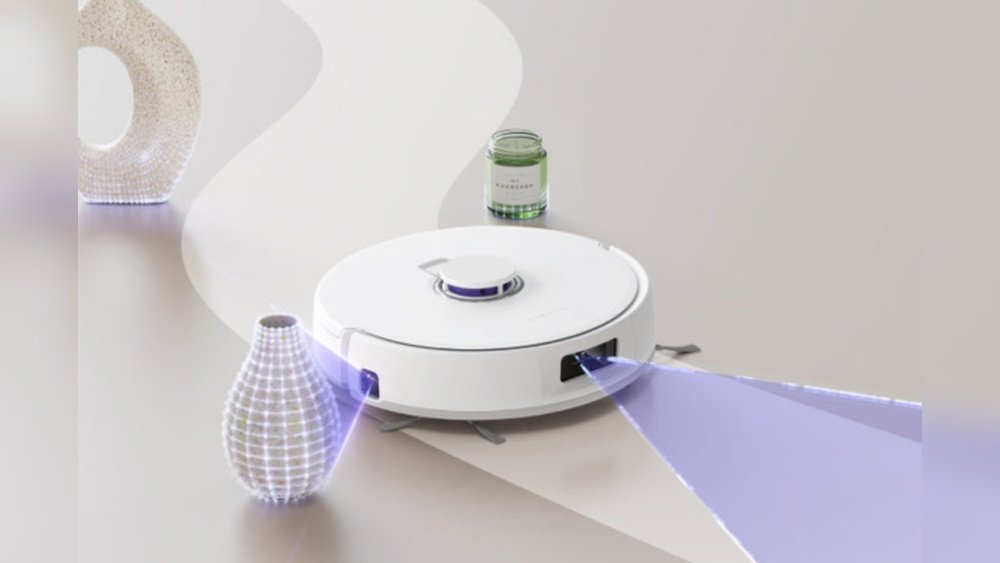
Robot vacuums move using wheels and small motors. They have sensors to detect walls and furniture. These sensors help them change direction to avoid bumping.
They clean by sucking up dust and dirt into a small bin. Brushes sweep debris toward the suction area. Some models use strong suction for deep cleaning.
The robot follows a pattern or a map to cover the entire floor. It returns to its charging base when the battery is low.
Common Features
Most robot vacuums have features for easy use and safe cleaning. Sensors prevent them from falling off edges or stairs. Some models detect carpeted areas to adjust suction power.
Many come with soft brushes to avoid scratching delicate surfaces. Scheduling options allow cleaning at specific times without supervision. Filters trap dust and allergens to improve air quality.
Some robots connect to smartphones for remote control. These features help protect floors while keeping your home clean.
Delicate Floor Types
Delicate floors need special care during cleaning. Robot vacuums can help keep these floors clean without damage. Different floor types react differently to robot vacuums. Knowing the floor material helps choose the right vacuum settings.
Hardwood Floors
Hardwood floors are sensitive to scratches and moisture. Robot vacuums with soft brushes work best here. They clean dust and dirt gently without harming the wood. Avoid vacuums with rough wheels or strong suction that may damage the finish.
Laminate Surfaces
Laminate floors can scratch easily and swell from water. Robot vacuums should avoid wet mopping on laminate. Choose models with gentle cleaning modes and soft brushes. This prevents scratches and keeps the surface intact.
Vinyl And Tile
Vinyl and tile floors are more durable but still need care. Robot vacuums clean these floors well using standard brushes. They pick up dust and debris without scratching. Some models offer mopping features safe for vinyl and tile.
Potential Risks
Robot vacuums offer convenience but may pose risks to delicate floors. Understanding these risks helps you protect your flooring. Some issues can cause damage that is hard to fix.
Scratches And Scuffs
Robot vacuums have brushes and wheels that touch the floor. These parts can scratch or scuff soft wood or vinyl floors. Dirt trapped under the brushes can also cause marks. Regular cleaning of the vacuum helps reduce this risk.
Moisture Damage
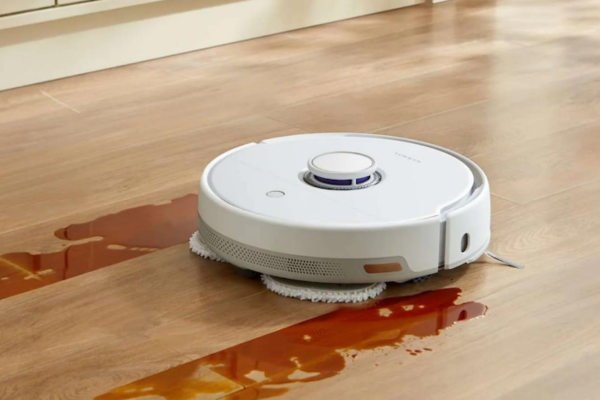
Some robot vacuums include mopping functions. Excess water or leaks can harm delicate floors like hardwood. Moisture can cause warping or stains on sensitive materials. Checking the water levels and mop pads is important before use.
Sensor Malfunctions
Sensors guide the vacuum to avoid obstacles and stairs. Faulty sensors may cause the vacuum to bump or fall. This can damage both the vacuum and your floors. Keeping sensors clean and updating software improves safety.
Safety Features To Look For
Robot vacuums can be gentle on delicate floors if they have the right safety features. These features help protect wood, laminate, and other sensitive surfaces from damage. Choosing a model with the proper design makes a big difference.
Soft Bumpers
Soft bumpers prevent scratches and dents on floors and furniture. They cushion the robot when it touches walls or objects. This feature stops hard impacts that could harm delicate floors.
Adjustable Suction
Adjustable suction controls how strong the vacuum cleans. Lower suction levels prevent scratches on soft floors. It also helps avoid pulling up loose floorboards or tiles.
Floor Sensors
Floor sensors detect the type of surface the robot is on. They stop the vacuum from moving onto fragile areas like rugs or uneven floors. Sensors help the robot clean safely and efficiently.
Expert Recommendations
Experts share clear advice on using robot vacuums on delicate floors. Choosing the right model, keeping it well-maintained, and testing it first all matter. These steps help protect your floors and keep them looking great.
Choosing The Right Model
Select a robot vacuum designed for hard or delicate floors. Look for soft brushes and gentle suction. Models with adjustable settings are best. Avoid machines with strong, harsh brushes. They can scratch or damage sensitive surfaces.
Maintenance Tips
Clean the vacuum’s brushes and wheels regularly. Remove hair and dust to prevent scratches. Check sensors and wheels for dirt buildup. Replace worn parts quickly. A clean vacuum works smoothly and stays safe for floors.
Testing Before Regular Use
Try the vacuum on a small, hidden floor area first. Watch how it moves and cleans. Check for any marks or scratches afterward. If the floor looks fine, use the vacuum normally. This step avoids surprises and floor damage.
Alternatives For Sensitive Floors
Delicate floors need gentle care to stay beautiful and last longer. Robot vacuums can sometimes be too rough or heavy. Choosing the right cleaning method protects your floors from scratches and damage.
Manual Cleaning Options
Manual cleaning lets you control the pressure on your floors. Use soft brooms or microfiber mops to remove dust gently. These tools avoid harsh scrubbing that can harm delicate surfaces. Hand cleaning also reaches tight corners and edges easily. It works well for hardwood, laminate, and vinyl floors.
Specialized Cleaning Devices
Specialized cleaning devices offer a gentle touch for sensitive floors. Look for vacuums with adjustable suction and soft brushes. Some models have settings specifically designed for delicate surfaces. These devices reduce the risk of scratches or dents. They provide effective cleaning without heavy impact.

Frequently Asked Questions
Are Robot Vacuums Safe For Hardwood Floors?
Yes, most robot vacuums are safe for hardwood floors. They use soft brushes and gentle suction to avoid scratches. Always check the model’s specifications to ensure it suits delicate surfaces. Using rubber wheels also prevents damage to hardwood flooring.
Can Robot Vacuums Damage Laminate Or Vinyl Floors?
Robot vacuums rarely damage laminate or vinyl floors if used properly. Soft brushes and controlled suction help protect these surfaces. Avoid models with hard or stiff brushes that might scratch. Regular maintenance of the vacuum also keeps floors safe and clean.
Do Robot Vacuums Adjust To Different Floor Types?
Many robot vacuums have sensors to adjust suction and brush speed. This feature helps protect delicate floors by reducing force on sensitive areas. Automatic floor detection ensures efficient cleaning without causing damage. Check for this feature when buying for delicate floors.
How Often Should I Clean Robot Vacuum Brushes On Delicate Floors?
Clean brushes weekly to prevent dirt buildup that could scratch floors. Remove hair and debris to maintain gentle cleaning performance. Regular brush maintenance ensures the vacuum remains safe for delicate surfaces. This simple step extends both vacuum and floor life.
Conclusion
Robot vacuums can clean delicate floors safely with care. Choose models with soft brushes and adjustable settings. Regularly check the vacuum for any damage or debris. Place barriers around fragile areas to protect them. Test the vacuum on a small floor spot first.
Keep floors clean to avoid scratches from dirt. These steps help maintain your floor’s beauty. Safe cleaning is possible with the right approach. Your floors deserve gentle care and attention.