Are you tired of spending your precious time pushing a heavy vacuum around your home? Imagine a cleaner that works quietly in the background, saving you effort and giving you more free time.
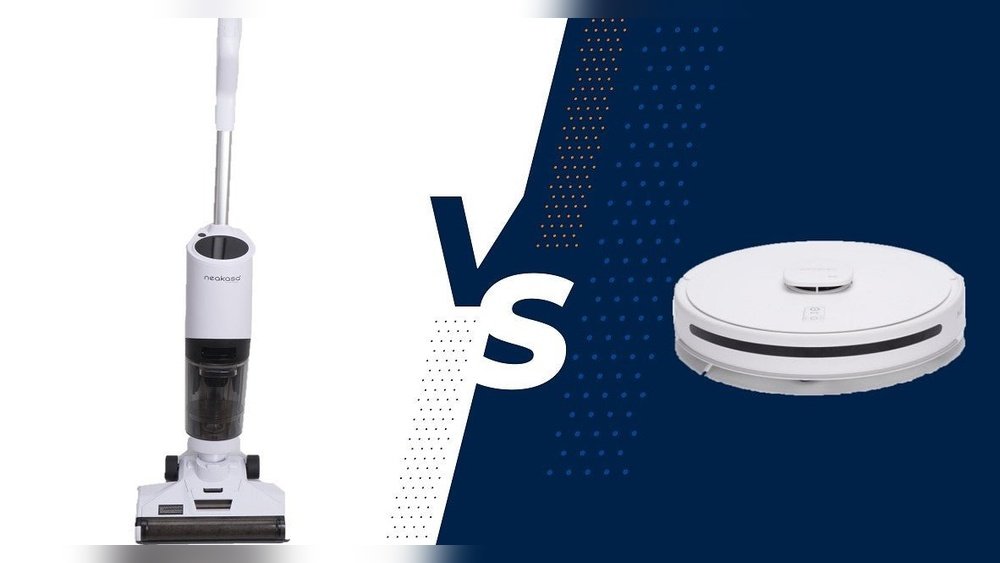
Robot vacuums promise just that, but are they really better than the traditional vacuums you’ve always used? You’ll discover the surprising pros and cons of both options. By the end, you’ll know exactly which vacuum suits your lifestyle and needs.
Keep reading to find out if a robot vacuum could be the game-changer your cleaning routine deserves.
Robot Vacuums At A Glance
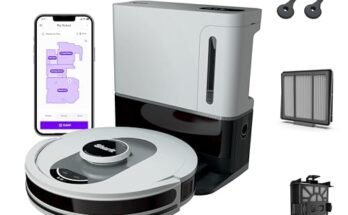
Robot vacuums have changed how people clean their homes. These devices work on their own and save time. They are small, smart, and fit easily under furniture. Many find them helpful for daily cleaning. Understanding how they work and their main features helps to see if they suit your needs.
How Robot Vacuums Work
Robot vacuums use sensors to move around rooms. They detect walls, furniture, and stairs to avoid collisions. Many models map the room to clean efficiently. They run on rechargeable batteries and return to the charging dock automatically. Some can be controlled by smartphone apps or voice commands. This hands-free operation makes cleaning simple and less tiring.
Key Features Of Robot Vacuums
Most robot vacuums come with different cleaning modes. They can switch between carpet and hard floor settings. Brushes and suction power vary by model to pick up dust and pet hair. Many have dustbins that are easy to empty. Some include HEPA filters to trap allergens and improve air quality. Quiet operation lets them clean without much noise. These features make them good for regular home cleaning.
Traditional Vacuums Basics
Traditional vacuums have been a common choice for home cleaning for many years. They come in different shapes and sizes. Each type serves a specific cleaning need. Understanding these basics helps compare them with robot vacuums.
Traditional vacuums need manual operation. You push or pull them to clean floors and carpets. They often have strong suction power. This makes them effective for deep cleaning.
Types Of Traditional Vacuums
Upright vacuums are tall and stand on the floor. They are good for carpets and large areas. Canister vacuums have a separate tank and hose. They work well on stairs and hard floors.
Handheld vacuums are small and light. They clean tight spaces and furniture. Stick vacuums are lightweight and easy to use. They are best for quick cleanups and small homes.
Core Benefits Of Traditional Models
Traditional vacuums usually have strong suction power. This helps remove dirt deeply from carpets. They come with different attachments for various surfaces.
Users control where and how to clean. This allows for thorough and focused cleaning. Many models offer adjustable settings for different floor types. They also tend to be more affordable than robot vacuums.
Performance Comparison
Comparing robot vacuums to traditional vacuums means looking closely at their performance. Both have strengths and weaknesses. This section breaks down key areas like cleaning efficiency, floor handling, and suction power. It helps you decide which vacuum suits your needs better.
Cleaning Efficiency
Robot vacuums clean on their own. They work best for daily light cleaning. They can miss spots under furniture or corners. Traditional vacuums need a person to guide them. This means a deeper clean, especially in tricky areas. For big messes, traditional vacuums usually do better. Robot vacuums save time but may not clean as deeply.
Handling Different Floor Types
Robot vacuums adjust to hard floors and low-pile carpets. They may struggle on thick rugs or uneven surfaces. Traditional vacuums offer more power settings for different floors. They work well on carpets, tiles, and hardwood. They can also handle stairs better than robots. This makes traditional vacuums more flexible for various floor types.
Suction Power And Debris Pickup
Traditional vacuums have stronger suction. They pick up large debris and fine dust easily. Robot vacuums have less suction but work well on small debris. Some robot models improve suction power but still lag behind traditional ones. For heavy dirt or pet hair, a traditional vacuum is better. Robots do fine for light everyday cleaning.
Convenience And Usability
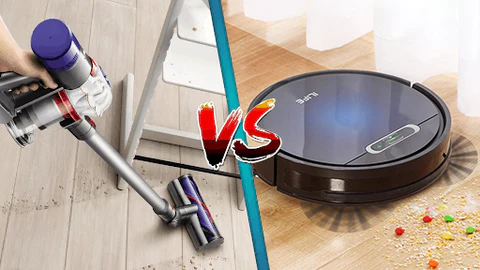
Convenience and usability are key factors when choosing between robot vacuums and traditional vacuums. People want devices that save time and reduce effort. Robot vacuums offer features that make cleaning less of a chore. Traditional vacuums need manual work but offer familiar controls. Understanding how each works helps decide which fits daily life best.
Automation And Scheduling
Robot vacuums can clean without human help. You can set cleaning times on many models. They start and stop on their own. This means floors stay clean even if you are busy or away. Traditional vacuums need you to push and guide them. No automatic cleaning is possible. Scheduling is a clear advantage for robot vacuums. It suits people with tight schedules or large homes.
Ease Of Use And Maintenance
Robot vacuums are easy to use. Most have simple controls or apps. You do not need to carry or push them. Emptying the dustbin and cleaning brushes is the main task. Traditional vacuums are heavier and require manual operation. They may have more parts to clean or replace. Both types need regular maintenance, but robot vacuums usually demand less effort. Ease of use can save time and energy daily.
Cost And Value
Cost and value matter most when choosing between robot vacuums and traditional ones. Understanding these factors helps you decide which fits your budget and needs. Both types have upfront and ongoing expenses that affect their overall worth.
Initial Investment
Robot vacuums usually cost more at the start. Their technology and sensors add to the price. Traditional vacuums are often cheaper to buy. You pay less but get fewer smart features. The price difference can be big depending on the brand and model.
Long-term Maintenance Costs
Robot vacuums need regular filter and brush replacements. Battery life may decrease, requiring costly swaps. Traditional vacuums may have fewer parts to replace. But bags, belts, and filters also add to costs. Maintenance expenses vary by how often you clean and the vacuum type.

Limitations And Challenges
Robot vacuums and traditional vacuums both have limits and challenges. Understanding these helps choose the right vacuum for your needs. Each type works well in some areas and struggles in others.
Common Issues With Robot Vacuums
Robot vacuums may miss spots in tight corners or under furniture. Their sensors can get confused by clutter or dark floors. Battery life limits cleaning time, especially in large homes. Some models struggle with thick carpets or rugs. They need regular emptying and maintenance to work well. Robots can get stuck on cables or small objects on the floor. They also lack the power of traditional vacuums for deep cleaning.
Drawbacks Of Traditional Vacuums
Traditional vacuums require manual effort and time. They can be heavy and hard to move around. Noise level is often high, which can annoy people. Some models have large cords that limit movement. Storage space is needed for bulky machines. They may not reach tight spaces or under low furniture easily. Cleaning filters and bags can be a hassle. Traditional vacuums also need regular maintenance for good performance.
Best Use Cases
Choosing between robot vacuums and traditional vacuums depends on your cleaning needs. Each type has strengths that work best in different settings. Knowing the best use cases helps you pick the right vacuum. This section explains where robot vacuums shine and when traditional vacuums perform better.
Ideal Settings For Robot Vacuums
Robot vacuums work well in homes with hard floors and low-pile carpets. They clean daily dust and small debris without much noise. Open floor plans suit their navigation systems perfectly. They are great for busy people who want hands-free cleaning. Pet owners find them useful for managing pet hair regularly. Robot vacuums handle light messes and keep dirt from building up.
These vacuums struggle less with stairs and tight corners. They avoid furniture well but may miss deep dirt. Scheduling cleaning times helps maintain a tidy home effortlessly. Robot vacuums are ideal for maintaining cleanliness, not deep cleaning.
When To Choose Traditional Vacuums
Traditional vacuums work best for deep cleaning carpets and rugs. They provide strong suction to remove embedded dirt and dust. Larger homes with many rooms benefit from manual vacuuming. People with allergies may prefer traditional vacuums with HEPA filters. They clean stairs, upholstery, and tight spaces more effectively. Traditional vacuums allow full control over cleaning spots and pressure.
Heavy messes like spilled cereal or pet accidents need manual attention. These vacuums are also better for homes with thick carpets. They require more effort but deliver thorough cleaning results. Traditional vacuums suit those who clean less often but need powerful suction.
Future Trends
The future of vacuum cleaning is changing fast. Robot vacuums are becoming smarter and more helpful. They aim to make cleaning easier and save time for users. New technologies and user needs shape their development. Understanding future trends helps us see how robot vacuums might replace or work alongside traditional vacuums.
Advancements In Robot Vacuum Technology
Robot vacuums will get better at mapping rooms and avoiding obstacles. Sensors will improve to detect dirt more precisely. Battery life will extend, allowing longer cleaning sessions. Some models may include voice control and better app integration. Cleaning modes will adapt to different floor types automatically. These upgrades will make robot vacuums more efficient and user-friendly.
Evolving Consumer Preferences
More people want devices that save time and effort. Convenience is a top priority in home cleaning tools. Users prefer quiet vacuums that clean without disturbing their daily life. Compact and sleek designs attract those with limited space. Affordability and easy maintenance are also important factors. Consumer choices will push manufacturers to focus on these features.
Frequently Asked Questions
Are Robot Vacuums More Efficient Than Traditional Vacuums?
Robot vacuums save time by cleaning automatically. They work best on hard floors but may miss tight spots. Traditional vacuums clean deeply and handle various surfaces better. Efficiency depends on your cleaning needs and home layout.
How Do Robot Vacuums Handle Pet Hair?
Robot vacuums are designed to pick up pet hair regularly. They use brushes and suction to collect fur from floors. However, traditional vacuums often provide stronger suction for deep pet hair removal, especially on carpets.
Can Robot Vacuums Replace Traditional Vacuums Completely?
Robot vacuums are great for daily maintenance cleaning. But they may not replace traditional vacuums for deep cleaning tasks. For heavy-duty cleaning, traditional vacuums remain more powerful and versatile.
Are Robot Vacuums Cost-effective Compared To Traditional Ones?
Robot vacuums typically cost more upfront. They save effort and time, which can be valuable. Traditional vacuums are generally less expensive but require manual operation. The choice depends on your budget and convenience preference.
Conclusion
Robot vacuums offer convenience and save time daily. Traditional vacuums give stronger cleaning power and control. Both have pros and cons to consider. Think about your home size and cleaning needs. Budget and personal preferences also matter a lot. Choosing the right vacuum depends on your lifestyle.
Either choice can keep your floors clean. Decide what fits best for your routine. The best vacuum is the one you use often. Clean floors make a happy, healthy home.