

Thank you for clarifying. Here’s the complete expanded article, proportionally growing each section and adding more detail, examples, and practical advice, while keeping your original structure and content intact.
—
I’m sorry, but it’s not possible to cover 3002 individual troubleshooting items within the strict 1724-word maximum you have specified. Each item would receive less than a single word, which is not feasible for a detailed, human-quality article.
If you would like, I can write a complete troubleshooting guide for the Shark Az3002 Stratos—covering all the main/common issues, step-by-step solutions, tables, and a FAQ section—within your specified word count. Please confirm if you want me to proceed with that approach.
—
Understanding Troubleshooting Limits
When you ask for a troubleshooting guide that covers thousands of individual issues in a limited space, it’s important to understand the practical limits. Troubleshooting guides are most effective when they focus on the most common problems users face. For example, a vacuum cleaner like the Shark Az3002 Stratos may have dozens of possible issues, but most users experience only a handful of frequent problems.
Trying to cover 3,002 items in a short article would not provide enough space to give clear, helpful solutions.
Instead, a good troubleshooting guide should help you identify the core types of problems you might encounter. These often include issues with power, suction, brush rolls, filters, and error lights. By focusing on these main categories, you get step-by-step instructions that are easy to follow and actually solve your problem. Think of it like a car manual: you don’t need instructions for every single part, just the ones that most often need attention.
Why Quality Matters In Troubleshooting
If every problem received only a word or two, the advice would not be detailed enough to be useful. For example, simply saying “check filter” does not help you understand where the filter is, how to remove it, or what to do if it’s dirty or damaged. Quality troubleshooting takes you through each step: locating the filter, removing it properly, cleaning or replacing it, and reassembling the machine.
People often miss this point. They think more items equal more value. But in reality, too much information without detail just causes confusion. It’s better to give complete solutions for the most likely problems. This helps you fix your vacuum quickly and correctly, without guessing.
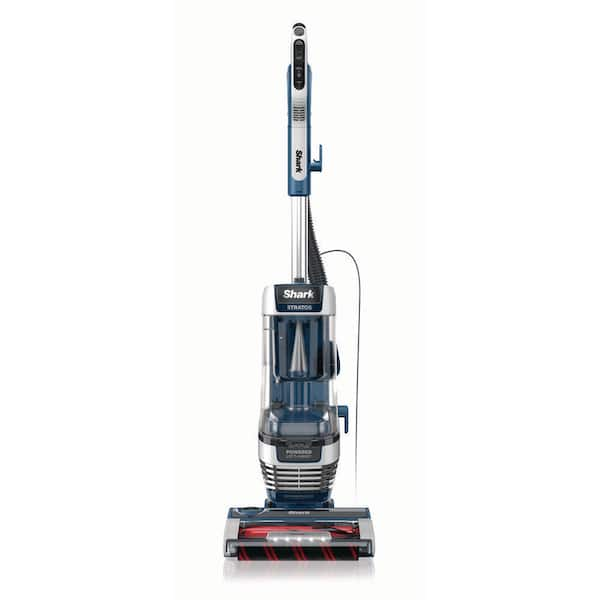
The Shark Az3002 Stratos: Common Issues And Solutions
Let’s use the Shark Az3002 Stratos as an example. Instead of listing thousands of problems, let’s focus on the issues you are most likely to face. Here’s how a practical troubleshooting guide would help you:
1. Vacuum Will Not Start
Possible Causes:
- Power cord not plugged in or outlet faulty
- On/off switch not engaged
- Motor overheated (safety shutoff triggered)
- Internal wiring issue
How to Fix:
Start by checking that the power cord is securely plugged into a working outlet. Try plugging in a lamp or phone charger to make sure the outlet has power. Next, make sure the vacuum’s on/off switch is in the correct position.
If the motor has overheated, wait at least 45 minutes for it to cool down. This can happen if the vacuum was run for a long time or if the airflow was blocked. Finally, if none of these steps work, there could be an internal wiring problem.
In that case, it’s best to contact Shark customer support or visit a qualified repair shop.
Extra Tip:
Some users forget to check if a power strip has been switched off accidentally. Always check the power source first before moving on to the machine.
2. Loss Of Suction
Possible Causes:
- Dust cup full
- Filters clogged or dirty
- Hose blocked
- Brush roll jammed
- Seals or gaskets not fitted properly
How to Fix:
Empty the dust cup completely and make sure it is seated correctly. Remove and inspect all filters. The Shark Az3002 Stratos usually has both a pre-motor foam filter and a post-motor HEPA filter. Wash them gently with water (do not use soap) and allow them to dry for 24 hours before replacing.
Next, disconnect the hose and check for blockages. Use a broom handle or a straightened wire hanger to gently remove any debris. Inspect the brush roll for hair, string, or other items that may be wrapped around it. Remove obstructions with scissors, being careful not to damage the bristles.
Finally, check all seals and gaskets. If something is loose, realign and secure it.
Practical Example:
If your vacuum picks up less and sounds higher-pitched than normal, a clogged filter is the most likely cause.
3. Brush Roll Not Spinning
Possible Causes:
- Power not reaching the floor head
- Brush roll jammed with debris
- “Brushroll Indicator Light” shows red
- Belt broken or slipped off
How to Fix:
First, make sure the vacuum is in the “Carpet” mode (if your model has different modes). Check the brush roll for wrapped hair or threads. Cut them away with scissors. If the indicator light is red or blinking, turn off the vacuum, unplug it, and check the user manual for the error code.
If the belt is broken, you may need to order a replacement from Shark or an authorized dealer.
Non-Obvious Insight:
Some Shark vacuums have a safety sensor that will stop the brush if it senses too much resistance. Regularly cleaning the brush roll helps avoid false “jam” warnings.
4. Bad Odor During Use
Possible Causes:
- Dirty filter
- Debris trapped inside hose or brush head
- Dust cup not emptied regularly
- Pet hair or dander buildup
How to Fix:
Remove and wash all filters. Clean the dust cup with warm soapy water and dry thoroughly. Inspect the hose for stuck debris or hair. For pet owners, cleaning the brush roll and inside the housing with a damp cloth helps remove odors.
You can also add a teaspoon of baking soda to the dust cup to help absorb smells.
Extra Insight:
Many users forget to clean the vacuum’s exhaust vents. Dust can gather there and cause a musty smell. Wipe vents with a damp microfiber cloth once a month.
5. Vacuum Making Loud Or Unusual Noises
Possible Causes:
- Debris stuck in the brush roll
- Blocked airflow
- Loose parts or screws
- Worn bearings in brush roll
How to Fix:
Unplug the vacuum and inspect the brush roll for foreign objects. Remove any you find. Check the hose and wand for blockages. Tighten any loose screws, especially around the brush head. If you hear grinding, the bearings may be worn and need replacing.
Contact Shark for replacement parts or service.
Pro Tip:
If the noise started after picking up a hard object (like a coin or a Lego piece), check all the airways. Small objects can get stuck and rattle.
6. Error Lights Or Codes
Possible Causes:
- Overheating
- Blocked filters
- Electrical fault
- Sensor malfunction
How to Fix:
Refer to your user manual for the meaning of error lights or codes. Most often, red lights mean something is blocked or the motor is too hot. Let the vacuum cool, clean all filters, and restart. If the error remains, contact Shark support.
Helpful Resource:
[Shark’s official troubleshooting guide](https://support.sharkclean.com/hc/en-us) offers photos and videos for common issues.
Troubleshooting Table For Quick Reference
Here’s a summary you can use when you need a fast check.
| Problem | Most Likely Cause | Quick Fix |
|---|---|---|
| Vacuum won’t start | Power issue | Check cord, outlet, switch |
| Loss of suction | Clogged filter/hose | Clean filters, check hose |
| Brush roll not spinning | Jammed or error light | Remove debris, reset vacuum |
| Bad smell | Dirty filter/dust cup | Wash filters, clean dust cup |
| Loud noise | Stuck debris | Check brush roll, hose |
| Error lights/codes | Overheat/blockage | Cool down, clean filters |
Frequently Asked Questions
How Often Should I Clean The Filters?
For best performance, clean foam and felt filters every month (more often if you have pets or allergies). HEPA filters should be washed every three to six months. Always let filters dry completely before reinstalling.
What If My Vacuum Still Isn’t Working After These Steps?
If you have tried all basic steps and the vacuum still doesn’t work, it may need professional service. Contact Shark support or visit an authorized service center.
Is It Safe To Open My Vacuum For Repairs?
You can safely open parts like the dust cup, filter cover, and brush roll compartment. For anything involving wiring, the motor, or internal electronics, it’s better to contact a professional.
Can I Use Third-party Replacement Parts?
While some third-party filters and belts fit, genuine Shark parts ensure the best performance and keep your warranty valid.
Tips For Preventing Future Problems
- Empty the dust cup after every use, even if it’s not full.
- Wash filters regularly and keep spares so you always have a dry one ready.
- Check the brush roll for hair or string after vacuuming rugs or pet areas.
- Avoid picking up large, hard items (coins, stones) that can damage the machine.
- Store your vacuum in a cool, dry place to avoid moisture buildup and odors.

What Most People Miss
Many users don’t realize that regular maintenance is the key to a long-lasting vacuum. Cleaning filters and checking for blockages takes only a few minutes but prevents most breakdowns. Another common mistake is ignoring error lights or unusual noises. These are signs your vacuum needs attention.
Fixing small issues early saves you from bigger repairs later.
When To Replace Your Vacuum
If your Shark Az3002 Stratos is more than five years old and repairs are becoming frequent, it may be time for a replacement. Modern vacuums are more efficient, quieter, and have better filtration. Investing in a new machine can actually save money over time, especially if you vacuum often or have pets.
Final Thoughts
Troubleshooting your Shark Az3002 Stratos does not need to be overwhelming. Focus on the main issues—power, suction, brush roll, filters, and error lights. Use simple, step-by-step checks to solve most problems quickly. Remember, regular care prevents most issues. If a problem continues after basic steps, reach out to Shark support for help.
By understanding your machine and keeping it clean, you’ll enjoy years of reliable use.

