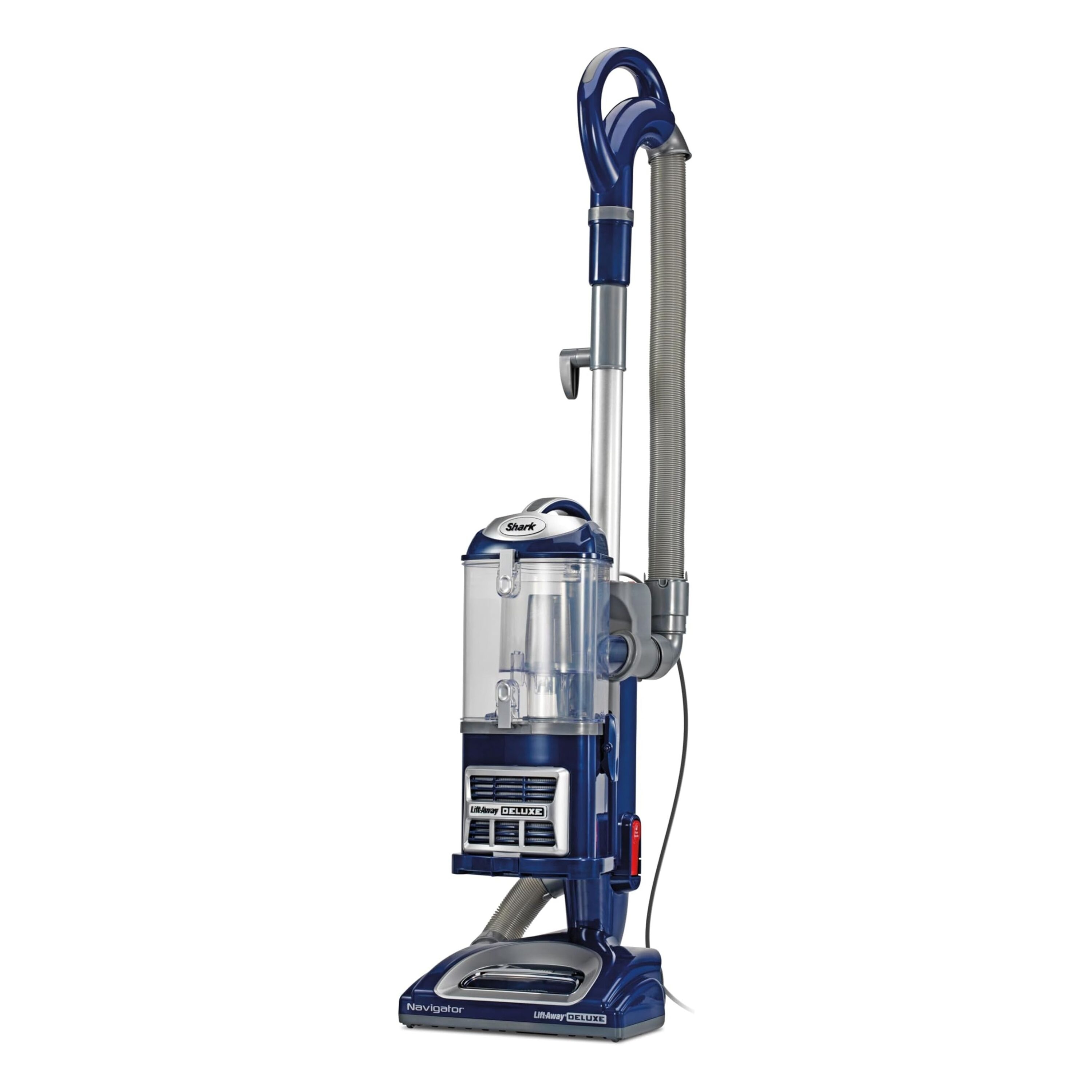
Keeping your Shark Navigator Lift-Away vacuum clean is the secret to strong suction and a long-lasting machine. Many people ignore vacuum care, but a dirty vacuum can spread dust back into your home and even break down early. If you’ve ever noticed less power, a strange smell, or a cloud of dust escaping, it’s probably time for a deep clean. Fortunately, cleaning a Shark Navigator Lift-Away isn’t hard if you know what to do. This guide will walk you through each step, share helpful tips, and answer common questions so your vacuum works like new.
Why Regular Cleaning Matters
A vacuum might seem like a tool that cleans itself as it works. But the truth is, dust, hair, and debris build up inside. This build-up blocks airflow, weakens suction, and can even damage the motor. According to a study by the National Center for Healthy Housing, vacuums with clogged filters can lose up to 50% of their cleaning power. Regular cleaning keeps your home healthier and helps your vacuum last years longer.
What You’ll Need
Before you start, gather these supplies:
- Soft brush (like an old toothbrush)
- Microfiber cloth
- Mild dish soap
- Warm water
- Scissors (for hair on the brush roll)
- Compressed air can (optional, for deep dust)
- Small screwdriver (if your model requires it)
Having everything ready makes cleaning faster and less frustrating.
Preparing Your Shark Navigator Lift-away
Safety comes first. Always unplug the vacuum before cleaning. Remove any attachments, empty the dust cup, and make sure you have enough space to work. Lay down an old towel or newspaper if you’re working indoors, as dust and debris can spill out.
Step-by-step Cleaning Guide
Cleaning The Dust Cup
The dust cup fills up quickly, especially in homes with pets or kids. To clean:
- Press the release button and lift out the dust cup.
- Hold it over a trash can and empty all debris.
- Rinse the dust cup with warm, soapy water. Scrub corners with a brush if dirt is stuck.
- Let it air dry completely before putting it back. Moisture can cause mold or damage the vacuum.
Washing The Filters
Your Shark Navigator Lift-Away usually has two types of filters:
- Foam and felt filters (usually under the dust cup)
- HEPA filter (often near the base)
How often should you clean them? Foam and felt: every month. HEPA: every 6–12 months, or as needed.
| Filter Type | Location | Cleaning Frequency | How to Clean |
|---|---|---|---|
| Foam/Felt | Below dust cup | Monthly | Rinse with cold water, air dry |
| HEPA | Near base | 6–12 months | Rinse with cold water, air dry |
Steps:
- Remove each filter gently.
- Rinse under cold water. Don’t use soap; chemicals can damage filter material.
- Squeeze out extra water (especially foam).
- Let filters air dry for at least 24 hours. Never put them back wet.
Pro tip: Mark your calendar or set reminders so you don’t forget filter cleaning schedules.
Cleaning The Brush Roll
Hair, string, and fuzz often wrap around the brush roll. If left alone, the roll can’t spin well, and your vacuum won’t pick up dirt.
- Access the brush roll by turning the vacuum over. Some models have a cover you’ll need to unscrew.
- Use scissors to cut away hair and fibers. Pull them out gently.
- Wipe the brush roll with a damp cloth.
If you see a lot of dirt inside the brush housing, use a dry cloth or compressed air to clean it out.
Checking And Cleaning The Hose
If your vacuum suddenly loses suction, the hose may be clogged.
- Detach the hose from both ends.
- Look through it in good light. If you see a blockage, gently push it out with a broom handle or similar tool.
- For sticky dirt, rinse the hose with warm soapy water. Swirl it, then rinse with clean water.
- Hang or prop the hose so it dries completely before reattaching.
Beginner tip: Never push sharp tools or sticks through the hose. This can puncture or damage it.
Wiping Down The Exterior
Wipe the outer surfaces, buttons, and handle with a damp microfiber cloth. Avoid soaking any electrical parts. Regular wiping helps keep your vacuum looking new and removes allergens from frequently touched spots.
Cleaning Attachments And Accessories
Tools like the crevice tool or pet hair brush need cleaning too.
- Remove each accessory.
- Wipe with a damp cloth or rinse with water if plastic.
- Let them dry fully before reattaching.
Some attachments have small moving parts. Use a brush or compressed air to get dust out of tight corners.
Troubleshooting Common Problems
Even with regular cleaning, you might run into some common issues. Here’s how to solve them:
Loss Of Suction
- Check if the dust cup is full or filters are clogged.
- Look for blockages in the hose or wand.
- Make sure all parts are dry and assembled correctly.
Strange Noises
- Rattling often means something is stuck in the brush roll or hose.
- High-pitched sounds can mean a blocked filter or damaged seal.
Bad Odor
- Clean all filters and dust cup.
- Sprinkle a small amount of baking soda in the dust cup before vacuuming.
Non-obvious insight: Sometimes, new vacuums smell because of factory oil. This usually goes away after a few uses and cleanings.
How Often Should You Clean Each Part?
Staying on schedule prevents most problems. Here’s a quick guide:
| Part | Suggested Cleaning Frequency |
|---|---|
| Dust cup | After every use or when 2/3 full |
| Foam/Felt filters | Monthly |
| HEPA filter | Every 6–12 months |
| Brush roll | Monthly or as needed |
| Hose | Every 3–6 months |
| Attachments | Monthly |
Another beginner mistake: Forgetting to dry parts completely can lead to mold or damage. Always air dry before reassembly.

Tips For Long-term Care
- Store your vacuum in a dry, cool place. Heat and moisture can harm the motor and plastic.
- Replace filters as recommended by Shark. Old filters may look clean but lose their efficiency over time.
- Inspect the power cord for damage. If you see exposed wires, stop using the vacuum and get it repaired.
- Don’t overfill the dust cup. Suction drops sharply if the cup is too full.
- Check for recalls or updates on the Shark website, especially if your model is older.
Comparing With Other Vacuum Models
Many people wonder how the Shark Navigator Lift-Away compares to other popular vacuums when it comes to cleaning and maintenance. Here’s a side-by-side look:
| Feature | Shark Navigator Lift-Away | Dyson Ball Multi Floor | Bissell CleanView |
|---|---|---|---|
| Filter type | Foam, felt, HEPA | HEPA only | Foam, pleated |
| Brush roll cleaning | Removable cover | Fixed cover | Removable |
| Hose cleaning ease | Fully detachable | Partially detachable | Fully detachable |
| Typical cleaning time | 15–20 min | 20–25 min | 15 min |
The Lift-Away design makes the Shark Navigator easier to clean than many upright vacuums. The fully detachable parts mean you can reach clogs and dirt that other vacuums might trap inside.
What If You Lose The Manual?
Not everyone keeps their vacuum manual handy. Luckily, Shark provides digital manuals and support on their official site. If you ever need part numbers or deeper troubleshooting, visit the Shark Support Center.
Frequently Asked Questions
How Do I Know If My Filters Need Replacing?
If your vacuum still loses suction after cleaning, or if the filters look discolored or torn, it’s time to replace them. Filters should also be changed if there’s a persistent smell or if the vacuum overheats.
Can I Use Regular Soap To Wash The Filters?
No, only use cold water. Soap and cleaning chemicals can break down the filter materials, making them less effective and shortening their lifespan.
What Should I Do If The Brush Roll Won’t Spin After Cleaning?
Check that nothing is blocking the ends of the brush roll and that the belt is still in place. Make sure you reassembled all parts properly. If the problem continues, the belt may need replacing, or a professional may need to inspect the motor.
Is It Safe To Vacuum Up Baking Soda To Remove Odors?
Yes, small amounts of baking soda can help with odors. However, don’t use too much, as fine powder can clog filters and reduce suction. Empty the dust cup and clean filters soon after.
Can I Wash The Entire Vacuum With Water?
No, only washable parts like the dust cup, hose, and filters. Never let water touch the motor, electrical parts, or main vacuum body. Water can cause electrical damage or lead to mold.
Taking care of your Shark Navigator Lift-Away doesn’t have to be a chore. With the right steps, your vacuum will keep your floors cleaner, your air fresher, and your machine running for years. Remember, regular cleaning is much easier than fixing a broken vacuum. Investing a little time now will save you money, hassle, and plenty of dust later.