

If you or your family suffer from allergies, you know how important it is to keep your home clean and free from dust, pollen, pet dander, and other allergens. A good vacuum cleaner can make a big difference. But not every model is built for allergy control.
With so many choices on the market, it’s easy to feel confused. Which vacuum really helps reduce allergy symptoms? How can you spot the features that matter, and avoid buying a machine that won’t help? This article breaks down everything you need to know, from essential features to top models, so you can make a confident decision and breathe easier at home.
Why Allergies Need Special Vacuum Cleaners
Allergens like dust mites, pet hair, and pollen are tiny. They can float in the air or settle deep into carpets. Regular vacuum cleaners often pick up visible dirt but leave these invisible particles behind. Worse, some models may blow dust back into the air, making allergies even worse.
Vacuum cleaners for allergies are designed to trap and lock away these microscopic allergens. They use advanced filters, strong suction, and sealed systems. Choosing the right type can help reduce sneezing, itchy eyes, and asthma attacks.
Essential Features For Allergy-friendly Vacuums
Buying a vacuum for allergies means focusing on specific features. Here’s what matters most:
- HEPA Filters: High-Efficiency Particulate Air (HEPA) filters capture at least 99.97% of particles as small as 0.3 microns. This includes dust mites, pollen, and pet dander.
- Sealed Systems: Some vacuums have a sealed body. This stops allergens from leaking out through gaps.
- Strong Suction Power: A vacuum must pull up deep dirt and allergens. Models with high suction (measured in air watts) perform better.
- Bagged vs. Bagless: Bagged vacuums keep allergens sealed when you empty them. Bagless models may release dust unless they’re designed for allergy safety.
- Special Attachments: Tools like crevice nozzles and upholstery brushes help remove allergens from furniture and tight spaces.
- Certified for Allergy Use: Look for certifications from groups like the Asthma and Allergy Foundation of America (AAFA).
Here’s a quick comparison of key features:
| Feature | Why It Matters | Common in Allergy Vacuums? |
|---|---|---|
| HEPA Filter | Captures tiny allergens | Yes |
| Sealed System | Prevents leaks | Often |
| Strong Suction | Removes deep dirt | Yes |
| Bagged Design | Safer disposal | Many models |
| Certified | Trusted by experts | Not all models |
Types Of Vacuums For Allergy Sufferers
Different homes and lifestyles need different vacuum types. Let’s look at the main options:
Upright Vacuums
These are common and powerful. Upright vacuums work well for large carpeted areas. Many allergy-friendly uprights offer HEPA filters and sealed systems.
Canister Vacuums
Canister models are easy to move and reach under furniture. They often have advanced filtration. Some offer better performance on hard floors and stairs.
Stick Vacuums
Stick vacuums are lightweight and easy to store. New models use HEPA filters and strong suction. Some aren’t as powerful as uprights, but can be good for smaller homes.
Robot Vacuums
Robot vacuums clean automatically. Most basic robots lack HEPA filters, but a few high-end models now include allergy features. They work best as a supplement, not a main cleaner.
Handheld Vacuums
Handhelds are great for spot cleaning and furniture. Look for models with HEPA filters if allergies are a concern.
Here’s a table comparing vacuum types for allergy use:
| Type | Best For | Filtration Options | Ease of Use |
|---|---|---|---|
| Upright | Carpeted areas | HEPA, sealed | Medium |
| Canister | Mixed floors | HEPA, sealed | High |
| Stick | Small spaces | HEPA | Easy |
| Robot | Daily cleaning | Some HEPA | Very easy |
| Handheld | Furniture, car | Some HEPA | Very easy |
Top-rated Vacuum Cleaners For Allergies
Many brands claim to help with allergies, but only a few deliver. Here are some of the best models, based on expert reviews and user feedback:
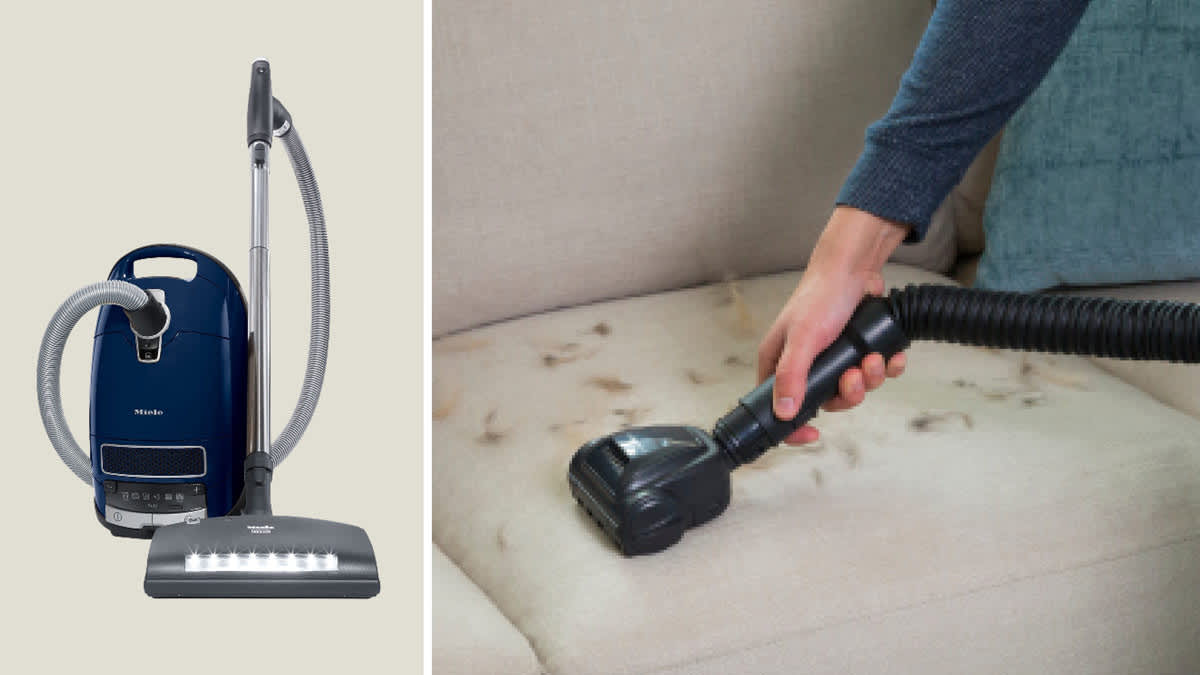
1. Miele Complete C3 Marin
This canister vacuum is famous for its sealed system and genuine HEPA filter. It’s certified by allergy groups, has strong suction, and is quiet. The bagged design keeps allergens locked away.
2. Dyson Ball Animal 2
Dyson’s upright model uses a HEPA filtration system and powerful suction. It’s great for pet owners, removing hair and dander from carpets and furniture. The self-adjusting head works on different surfaces.
3. Shark Rotator Powered Lift-away
This upright vacuum combines HEPA filtration with a sealed system. It has a detachable canister for stairs and furniture. The anti-allergen technology traps dust and particles.
4. Kenmore Elite 31150
Kenmore’s upright model offers a HEPA filter, strong airflow, and a bagged design. It’s highly rated for removing dust and pet hair. The telescoping wand helps clean hard-to-reach spots.
5. Irobot Roomba S9+
One of the few robot vacuums with advanced filtration. The Roomba s9+ uses a high-efficiency filter that captures dust and pollen. It empties itself into a sealed bag, reducing exposure.
6. Sebo Airbelt E3 Premium
SEBO’s canister vacuum is popular in Europe and the US. It features a hospital-grade HEPA filter and a sealed system. The bags are easy to change and don’t release dust.
7. Hoover Windtunnel T-series
This affordable upright uses HEPA filtration and a bagged system. It’s not as advanced as Miele or Dyson, but offers good allergy protection for the price.
Comparing The Best Allergy Vacuums
To help you decide, here’s a table comparing some top models:
| Model | Type | HEPA Filter | Sealed System | Bagged/Bagless | Certification |
|---|---|---|---|---|---|
| Miele Complete C3 Marin | Canister | Yes | Yes | Bagged | AAFA |
| Dyson Ball Animal 2 | Upright | Yes | No | Bagless | None |
| Shark Rotator Lift-Away | Upright | Yes | Yes | Bagless | None |
| Kenmore Elite 31150 | Upright | Yes | No | Bagged | None |
| iRobot Roomba s9+ | Robot | High-efficiency | No | Bagged | None |
| SEBO Airbelt E3 | Canister | Yes | Yes | Bagged | AAFA |
| Hoover WindTunnel T-Series | Upright | Yes | No | Bagged | None |
Common Mistakes When Choosing A Vacuum For Allergies
Many buyers make errors that can reduce the vacuum’s effectiveness:
- Ignoring HEPA certification: Not all “HEPA-like” filters are true HEPA. Look for official certification.
- Choosing bagless models without sealed disposal: Emptying bagless bins can release allergens.
- Overlooking sealed systems: Gaps in the vacuum body allow dust to escape.
- Buying for price, not performance: Cheap vacuums may lack real allergy protection.
- Forgetting about maintenance: Filters need regular cleaning or replacement to stay effective.
One insight many beginners miss is that even a powerful vacuum can worsen allergies if the filter is clogged or the system is not sealed. Another is that using the wrong attachment (for example, a brush on hard floors) can scatter dust instead of picking it up.

Extra Tips For Allergy Sufferers
Vacuuming alone won’t solve all allergy problems. Here are some extra steps:
- Vacuum regularly: At least twice a week, especially during pollen season.
- Change filters: HEPA filters last 6–12 months. Check manufacturer guidelines.
- Wear a mask: If you’re very sensitive, wear a mask when vacuuming.
- Use the right attachments: Crevice tools and upholstery brushes reach places where allergens hide.
- Clean other surfaces: Dust shelves, wipe floors, and wash bedding often.
A non-obvious tip: Always vacuum slowly. Moving the vacuum too fast leaves dirt behind. And don’t forget to vacuum under beds and sofas—these areas collect dust that’s easy to miss.
Frequently Asked Questions
What Is A Hepa Filter And Why Is It Important For Allergies?
A HEPA filter is a special filter that traps at least 99.97% of tiny particles, including dust, pollen, and pet dander. This prevents allergens from escaping back into the air. HEPA filters are the gold standard for allergy control in vacuums.
Is A Bagged Vacuum Better Than A Bagless One For Allergies?
Yes, bagged vacuums usually keep allergens sealed inside. When you remove the bag, dust and dirt don’t escape. Bagless vacuums may release particles unless they have a sealed disposal system.
How Often Should I Replace Filters In My Allergy Vacuum?
Most HEPA filters should be changed every 6–12 months. Check your vacuum manual for advice. Clogged filters lose effectiveness and can even push dust back into the air.
Can Robot Vacuums Help With Allergies?
Some robot vacuums have high-efficiency filters and sealed bins. They’re useful for daily cleaning, but usually don’t replace full-size vacuums. For strong allergy control, a robot should be used together with a main vacuum.
What Certifications Should I Look For In An Allergy Vacuum?
Look for AAFA (Asthma and Allergy Foundation of America) or similar certifications. These show that the vacuum has passed strict tests for trapping allergens. You can find more about these standards at AAFA Certified Products.
Finding the best vacuum cleaner for allergies is not just about buying the most expensive model. It’s about focusing on the right features: true HEPA filtration, sealed systems, and designs that protect you from dust when emptying. Choose a vacuum that fits your home and lifestyle, and follow extra cleaning tips to keep your air healthy. With the right machine and good habits, you can cut down on allergy symptoms and make your home a safer place for everyone.


