

Cordless vs gas leaf blower: Cordless wins for quiet convenience; gas wins for raw power and long runtimes.
I have spent years testing and using both cordless and gas blowers on lawns, driveways, and commercial sites. In this guide I break down cordless vs gas leaf blower choices with clear facts, hands-on tips, real trade-offs, and easy steps to pick the right tool for your yard. Read on to learn how power, run time, cost, noise, and maintenance stack up so you can choose with confidence.
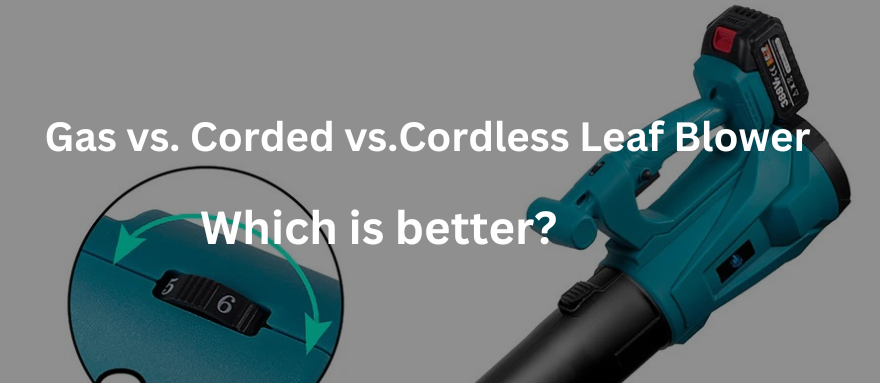
How cordless and gas leaf blowers work
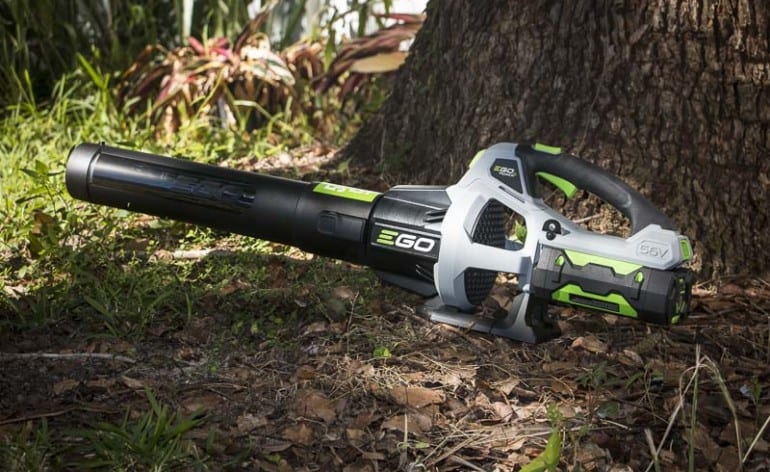
A cordless leaf blower uses a battery and an electric motor. The motor turns a fan to push air. Most modern cordless units use lithium-ion battery packs. They deliver consistent torque and lower vibration.
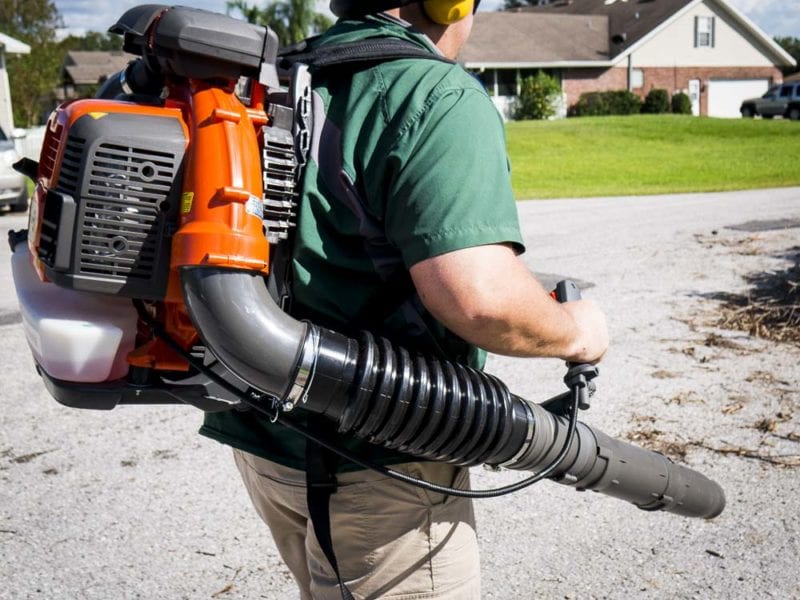
A gas leaf blower runs on a small two-stroke or four-stroke engine. The engine spins a fan with a high rpm. Gas units make more continuous power and longer runtimes if you carry fuel.
Understanding this basic split helps when you weigh cordless vs gas leaf blower. Cordless is simpler and cleaner. Gas is rugged and powerful.

Performance: power, CFM, and airspeed
Power in blowers is measured by CFM (cubic feet per minute) and MPH (miles per hour). Higher CFM moves more leaves. Higher MPH blows heavier, stuck debris.
Cordless blowers now reach strong CFM and MPH for most home jobs. Advances in battery tech let cordless units hit ranges once limited to gas. Yet gas still leads for sustained high CFM and long hard work.
If your yard has light leaves, grass clippings, or small twigs, a cordless unit will handle it well. If you clear wet leaves, heavy piles, or large properties, a gas machine often finishes faster.

Pros and cons of cordless vs gas leaf blower
Cordless pros
- Quiet operation makes early-morning work easier.
- Low maintenance: no carburetor tuning or oil changes.
- No direct emissions; better for urban areas.
- Easy start with a button; less fuss.
Cordless cons
- Limited runtime per battery pack.
- Higher initial price for equivalent power.
- Battery replacement cost over time.
- Less raw power on large, heavy tasks.
Gas pros
- Strong, continuous power and torque.
- Longer runtime if you carry fuel.
- Often cheaper for high-power models.
- Durable for heavy, commercial jobs.
Gas cons
- Louder noise and more vibration.
- Regular maintenance and tune-ups required.
- Fuel handling and storage required.
- Higher emissions and possible local restrictions.
These points show typical trade-offs when comparing cordless vs gas leaf blower. Choose based on the tasks you do most.
Cost, runtime, and maintenance
Upfront cost
- Cordless: Batteries add to the price. A kit with battery and charger is pricier.
- Gas: Engines can be cheaper for power, but basic models vary.
Ongoing cost
- Cordless: Replace batteries every few years. Charger and extra batteries raise cost.
- Gas: Fuel, oil, spark plugs, and tune-ups add cost each season.
Maintenance
- Cordless: Clean filters and contacts, check battery health.
- Gas: Clean carburetor, replace fuel lines, change oil (on 4-stroke), and spark plug checks.
Runtime
- Cordless: Often 20–45 minutes per battery under load. Swap batteries for longer work.
- Gas: Runs as long as you have fuel; a tank can last 30–90 minutes depending on engine.
When deciding cordless vs gas leaf blower, think about total lifetime cost, not just sticker price.

Noise, emissions, and local rules
Noise
- Cordless blowers are much quieter. They are friendlier in quiet neighborhoods.
- Gas blowers can be very loud and may disturb neighbors or violate local noise rules.
Emissions
- Cordless units emit no tailpipe pollution. They help reduce local air pollution.
- Gas blowers release hydrocarbons and CO2. Some regions limit gas blower use.
Regulations
- Some towns ban or limit gas blowers during certain hours or seasons.
- Check local codes before buying. This can be a decisive factor in cordless vs gas leaf blower choice.
If you need to work in tight neighborhoods, cordless often keeps you in the clear.

Which to choose: use cases and quick picks
Small yards and light cleanup
- Recommendation: Cordless.
- Reason: Quiet, easy, and battery life covers small jobs.
Medium yards and mixed tasks
- Recommendation: High-capacity cordless with spare battery or a small gas unit.
- Reason: Flexibility. Swap batteries or keep a fuel can.
Large properties, wet leaves, or commercial use
- Recommendation: Gas.
- Reason: Raw power and longer continuous runtime.
Apartment or HOA living
- Recommendation: Cordless.
- Reason: Noise rules and storage constraints favor battery units.
Rental or contractor work
- Recommendation: Heavy-duty gas or professional battery platforms.
- Reason: Need for runtime, quick refuel, or battery ecosystem.
This use-case approach simplifies the cordless vs gas leaf blower decision. Pick the tool that fits how you work.
Personal experience and practical tips
I started with a small gas blower years ago. It was loud, heavy, and finicky in winter. I burned fuel and tuned the carb often. I switched to a cordless model for weekend cleanup. The battery made the work simple and quiet.
Lessons learned
- Buy the right battery capacity. One small battery often slows you down.
- For gas units, always stabilize fuel for winter storage.
- Balance weight, not just power. Heavy tools fatigue you fast.
- Use a strap or harness for long jobs to reduce strain.
Tips I share with friends
- Match blower power to typical debris, not the worst-case pile.
- Keep a spare charged battery if you prefer cordless.
- Use safety gear: eye protection, ear protection (especially for gas), and sturdy shoes.
My real-world testing shows cordless units now solve 80% of homeowner jobs. For the heavy 20%, gas still rules.

Frequently Asked Questions of Cordless vs gas leaf blower
Are cordless leaf blowers as powerful as gas models?
Cordless models have closed the gap and can match many gas machines for home use. For sustained heavy clearing on large properties, gas typically offers more continuous power.
How long do cordless batteries last under real use?
Most batteries run 20–45 minutes under full load. High-capacity packs can extend that, and swapping batteries gets you more time.
Do gas leaf blowers require a lot of maintenance?
Yes. Gas units need fuel care, spark plug checks, air filter cleaning, and periodic tune-ups to run well and last.
Which is quieter, cordless or gas?
Cordless leaf blowers are significantly quieter. If low noise is important, choose cordless.
Can I use a cordless blower for wet leaves and heavy debris?
You can for small to moderate wet-leaf piles, but heavy, wet debris may require a gas blower or repeated passes with a high-CFM cordless unit.
Conclusion
Choosing between cordless vs gas leaf blower comes down to the jobs you do and how you work. Cordless wins for quiet, low-maintenance, and eco-friendly work. Gas wins for long runtimes and sustained high power on big jobs. Think about yard size, run time needs, local rules, and long-term cost. Try to test a unit if you can, and choose a platform with spare batteries or easy service options.
Pick the blower that fits your life, not just the specs. Share your yard size and tasks in the comments, and I’ll recommend models and battery strategies.

