

Most well-maintained leaf blowers last about 5 to 10 years, sometimes longer with care.
I’ve spent years testing, repairing, and recommending leaf blowers for homeowners and landscapers. In this article I’ll explain how long does a leaf blower last, what affects lifespan, clear signs of wear, and simple maintenance steps you can use today to stretch your blower’s life. Read on for practical tips, realistic averages by type, and hands-on advice from field experience.

Factors that determine how long does a leaf blower last?
Several things change a blower’s lifespan. Type, build quality, frequency of use, maintenance, and storage all matter. Commercial models used daily will wear faster than a homeowner’s unit used weekly. Poor fuel, dirty filters, and rough handling cut life short, while regular care extends it.
Key factors
- Type of blower. Corded electric, battery, and gas units have different lifespans and wear points.
- Frequency and intensity of use. Heavy, daily use shortens life compared with light seasonal use.
- Maintenance habits. Cleaning, simple tune-ups, and part replacement keep a blower running longer.
- Build quality and brand. Higher-end models use tougher parts and better motors.
- Operating conditions. Dust, moisture, and long runtimes increase wear.
When you ask how long does a leaf blower last, think about these factors as they explain most lifespan differences. My experience shows two identical models can differ by years simply because one owner maintains theirs and the other doesn’t.

Average lifespan: How long does a leaf blower last? by type
Different designs wear in different ways. Below are realistic ranges you can expect with average maintenance.
Typical lifespans
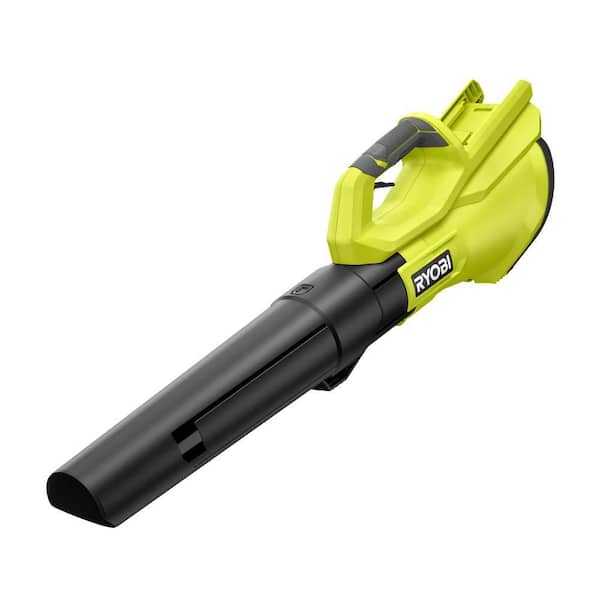
- Corded electric: 8 to 15 years. These have fewer moving parts and long-lasting motors when used correctly.
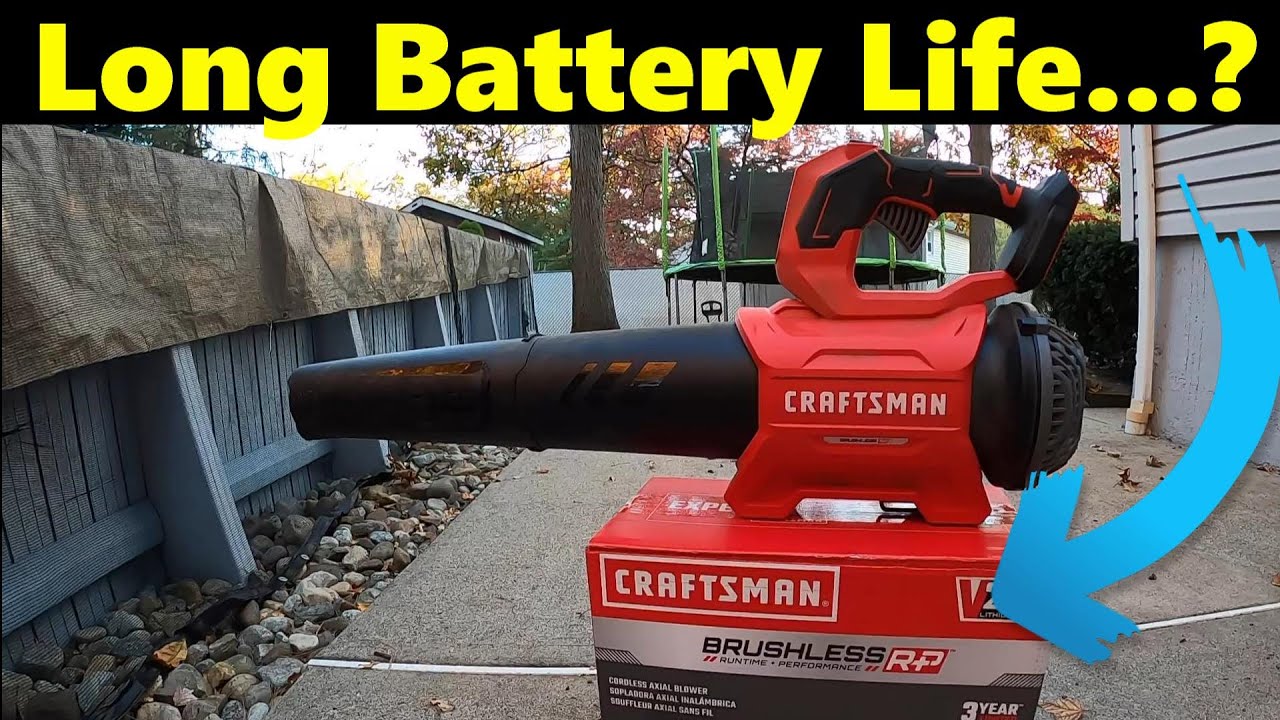
- Battery (corded-free) units: 4 to 8 years. Battery packs often wear out earlier than the blower itself and need replacement.
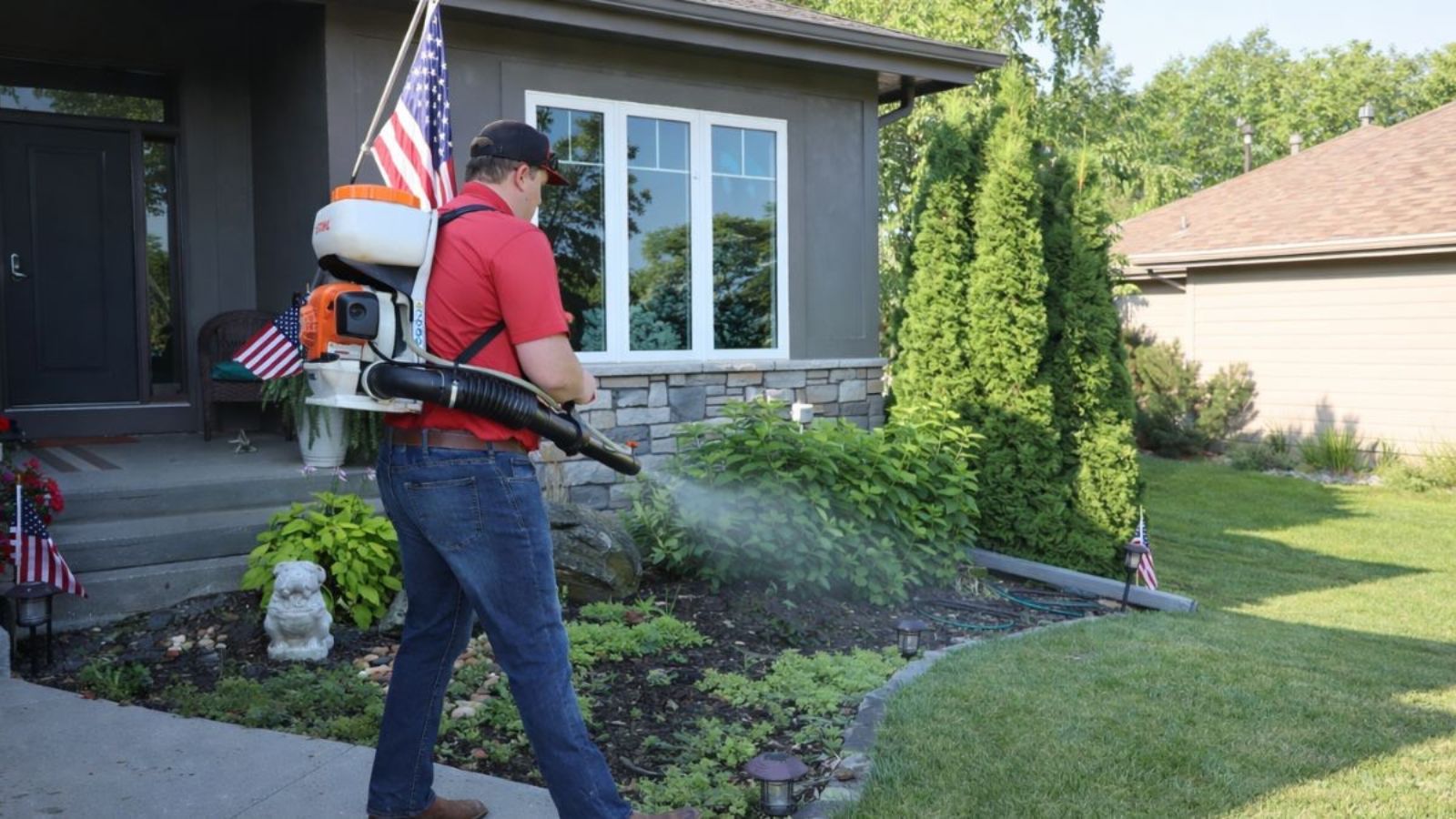
- Gas-powered: 3 to 10 years. Gas engines need more upkeep, but commercial-grade gas blowers can last longer with service.
- Commercial/pro-grade units: 2 to 8 years under heavy daily use, but well-serviced units can exceed that.
If you’re asking how long does a leaf blower last for your needs, match the type to your usage. For occasional yard cleanups, a battery or corded model often gives the best lifespan-to-cost. For heavy, frequent work, invest in a commercial unit and follow strict maintenance.
Signs your leaf blower is nearing end of life
Watch for clear, short signals that the unit needs repair or replacement. Catching them early saves money.
Common warning signs
- Loss of power. The blower struggles or won’t reach prior airspeed.
- Excessive vibration or odd noises. Bearings or mounts may be failing.
- Hard starts or frequent stalling. For gas units, this often shows carburetor or fuel system issues.
- Overheating. Motors or engines running hot can indicate internal wear.
- Frequent part failures. If you replace the same part repeatedly, the unit may be near retirement.
When you wonder how long does a leaf blower last, use these signals to decide whether to repair or replace. In my work, loss of consistent power and repeated repairs are the two top reasons owners buy new units.

How to extend the life of your leaf blower (maintenance and care)
Good maintenance is the single best way to extend lifespan. These practices are simple and effective.
Routine maintenance checklist
- Clean or replace air filters regularly. Dirty filters reduce performance and wear the motor.
- Use fresh fuel and the right oil mix for 2-stroke engines. Old fuel gums up carburetors.
- Inspect spark plugs and replace annually on gas units. A fouled plug reduces efficiency.
- Keep batteries healthy. Store lithium packs at recommended charge levels and avoid extremes.
- Store in a dry, cool place. Moisture and heat accelerate corrosion and battery decay.
- Tighten screws and inspect for worn mounts. Loose parts cause vibration damage.
- Run a seasonal tune-up. Lubricate moving parts and check belts, if present.
Follow these steps and you’ll improve longevity. From my experience, owners who perform a short tune-up each season often double the useful life of a blower.
Parts that typically fail and replacement tips
Knowing common weak spots helps you plan repairs and costs. Many parts are inexpensive and easy to replace.
Parts to watch
- Batteries. Replace after 2–5 years depending on use and chemistry.
- Brushes and bearings in electric motors. These wear slowly and are serviceable.
- Carburetor, fuel lines, and primer bulbs on gas units. Clean or replace to restore performance.
- Impeller or fan housing. Damage from debris reduces airflow and can unbalance the unit.
- Switches and wiring. Moisture or rough use may cause electrical faults.
When deciding how long does a leaf blower last, factor in the cost and availability of replacement parts. If parts are cheap and easy to get, repairing often makes sense.
Cost vs lifespan: buy smart to match your needs
Choosing the right blower upfront saves money over time. Think in terms of cost per year.
Buying rules of thumb
- For light use, buy a mid-range battery or corded electric. Lower upfront cost and low upkeep.
- For heavy home use, choose a reliable gas model from a reputable brand and service it yearly.
- For commercial work, invest in pro-grade models and budget for frequent maintenance and parts.
- Factor in battery replacement costs for cordless models when comparing total ownership cost.
If you’re asking how long does a leaf blower last before you buy, estimate years of use, maintenance cost, and likely part replacements to find the best value. My tests show that a moderately priced blower with regular maintenance often beats a cheap model that fails within a season.

Personal experience: lessons learned from years of testing and repairs
I’ve repaired dozens of blowers and worked on lawns with all types. A few lessons stand out.
Real-world lessons
- Small habits matter. Emptying the fuel tank after winter saved me one carburetor rebuild.
- Batteries are the real limiter for cordless models. Keep spares and replace them on a schedule.
- Storage is underrated. Tools kept in a damp garage failed much sooner.
- Don’t cheap out on air filters. Clean filters cost little and prevent expensive motor damage.
One time I ran a mid-range gas blower for three years with heavy use. Regular cleaning and a mid-season tune-up kept it going until the engine block showed wear. That taught me to plan for engine replacement or upgrade rather than endless repairs. If you want to know how long does a leaf blower last in the field, expect variability and plan maintenance.

Frequently Asked Questions of How long does a leaf blower last?
How long does a leaf blower last if I only use it a few times a month?
Light, occasional use typically lets a corded blower last 10+ years and a battery unit 5–8 years if batteries are cared for.
How long does a leaf blower last for commercial landscaping work?
Commercial blowers used daily usually last 2–6 years under heavy use, but pro-grade models can last longer with strict maintenance.
Does maintenance really change how long does a leaf blower last?
Yes. Regular cleaning, part replacement, and correct fuel or battery care can extend life by years and reduce repair costs.
When should I replace the battery rather than the whole blower?
Replace the battery when it no longer holds charge well but the blower otherwise runs fine; batteries usually wear out in 2–5 years.
Can I rebuild a gas blower to extend how long does a leaf blower last?
You can rebuild engines and replace worn parts to extend life, but weigh rebuild cost against buying a newer, more efficient model.
How much does regular tune-up save over replacing the blower?
A basic annual tune-up is generally far cheaper than early replacement and often delays replacement by multiple years.
Conclusion
Leaf blowers can last anywhere from a few years to well over a decade. How long does a leaf blower last depends on the model, how often you use it, and how well you care for it. Follow simple maintenance steps, watch for early warning signs, and choose the right type for your needs to get the best lifespan and value. Take action today: inspect your blower, do one quick tune-up, and plan battery or part replacements so your tool serves you longer. If you found this helpful, subscribe for more hands-on advice or leave a comment with your blower’s age and issues.

