

Have you ever stopped to think about how the chair you sit on every day affects your comfort and health? Whether you work long hours at a desk or just need a seat that supports you well, choosing the right chair can make a big difference.
You might wonder, are office chairs really better than regular chairs? This question matters because the chair you pick can impact your posture, energy, and even your productivity. Keep reading to discover why your choice of chair could change the way you feel every day—and find out which one might be best for you.
Design Differences
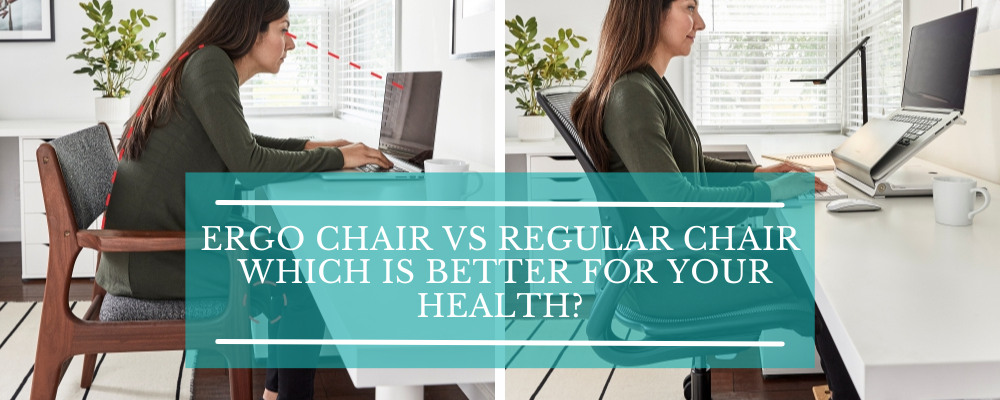
The design differences between office chairs and regular chairs are clear. Each type serves a different purpose and suits different needs. Office chairs focus on comfort and support for long hours. Regular chairs focus more on style and basic seating needs.
Ergonomics In Office Chairs
Office chairs are built with ergonomics in mind. They offer adjustable features like seat height and backrest angle. Lumbar support helps protect the lower back from strain. Many have armrests that can move to fit your body. The goal is to reduce discomfort and improve posture. This design helps prevent pain during long work sessions.
Structure Of Regular Chairs
Regular chairs usually have a simple, fixed structure. They often lack adjustable parts. The backrest and seat are usually one solid piece. These chairs focus more on appearance than on body support. They work well for short sitting periods. Regular chairs are common in dining rooms and living areas.
Comfort Levels
Comfort plays a big role in choosing the right chair. Office chairs and regular chairs feel very different. Office chairs are built to keep you comfy during long hours. Regular chairs often lack the features needed for good comfort. Understanding the comfort levels helps you pick the best option for your needs.
Cushioning And Support
Office chairs have thick cushions that soften the seat and back. This padding helps reduce pressure on your body. The support in office chairs is designed to fit the natural curve of your spine. Regular chairs may have thin cushions or none at all. They do not provide strong support for your back or hips.
Adjustability Features
Office chairs come with many ways to adjust comfort. You can change the height, tilt, and armrests easily. These adjustments help you find the best sitting position. Regular chairs usually have fixed parts. They do not offer options to customize comfort. Adjustability is key for staying comfortable over long periods.
Health Impacts
Choosing the right chair affects your health more than many realize. Sitting for long hours is common in offices and homes. The type of chair you use can impact your body’s comfort and well-being. Office chairs are designed with health in mind. Regular chairs often lack important support features.
Understanding the health impacts of office chairs versus regular chairs helps you make better choices. This section breaks down key benefits and long-term effects on your body.
Posture Benefits
Office chairs support your spine’s natural curve. They have adjustable features like lumbar support and armrests. These help keep your back straight. Regular chairs often do not offer this support. Poor posture can cause back pain and stiffness. Office chairs reduce strain on your neck and shoulders. They encourage sitting upright, which improves breathing and focus.
Long-term Effects
Using an office chair regularly can lower the risk of chronic back problems. It prevents muscle fatigue and joint pain caused by bad sitting habits. Regular chairs might lead to poor circulation and discomfort. Over time, this can cause serious health issues. Office chairs help maintain healthy blood flow. They reduce pressure on hips and legs by offering proper cushioning. This makes a big difference for people who sit all day.

Usage Scenarios
Choosing the right chair depends on where and how you will use it. Different chairs suit different needs and spaces. Understanding these scenarios helps in picking the best option for comfort and support.
Office Environment
Office chairs are designed for long hours of sitting. They offer adjustable features like height, backrest, and armrests. This helps reduce strain on the back and neck. Many office chairs also have wheels for easy movement. They improve posture and boost productivity. Regular chairs often lack these ergonomic features. Using office chairs in workspaces helps maintain comfort and focus.
Home And Casual Use
Regular chairs work well for short sitting times at home. They suit dining rooms, living areas, and casual spaces. Office chairs can feel bulky and out of place in these areas. For brief use, regular chairs provide enough comfort. They are often lighter and easier to move. Choosing a chair depends on how long you sit and the room style.
Cost And Durability
Cost and durability are key factors in choosing between office chairs and regular chairs. These elements affect how long the chair lasts and its value for money. Understanding the price and quality differences helps make a better decision.
Price Comparison
Office chairs usually cost more than regular chairs. This is because they have special features like wheels and adjustable parts. Regular chairs are simpler and often cheaper. But a higher price for office chairs can mean better comfort and support.
Buying a cheap regular chair might save money at first. Yet, frequent replacements can increase long-term costs. Office chairs often last longer, so their initial price might be worth it over time.
Material Quality And Lifespan
Office chairs use strong materials to handle daily use. They often have metal frames and durable fabric or leather. This makes them last for years without breaking.
Regular chairs may use lighter materials like plastic or basic wood. These materials wear out faster, especially with heavy use. Office chairs resist damage better and keep their shape longer.
User Preferences
User preferences play a big role in choosing between office chairs and regular chairs. Comfort, style, and purpose affect their choices. Different users have different needs and experiences. These shape their opinions on which chair suits them best.
Feedback From Office Workers
Office workers often prefer office chairs. These chairs support long hours of sitting. Many report less back pain with adjustable office chairs. They like features like swivel seats and wheels. These help them move easily and stay productive. Some find office chairs bulky but accept it for comfort. Overall, office workers value ergonomic design and support.
Opinions From Casual Users
Casual users have a mixed view. Some like the simplicity of regular chairs. They find them easier to use and lighter to move. Others appreciate the comfort of office chairs for long sitting. Yet, many casual users choose style over function. They pick chairs that fit their home decor. Comfort matters, but it is not the only factor for them.

Frequently Asked Questions
What Makes Office Chairs Better Than Regular Chairs?
Office chairs offer ergonomic support, adjustable height, and lumbar support. These features improve posture and reduce back pain. Regular chairs often lack these benefits, making office chairs better for long work hours.
Are Office Chairs More Comfortable Than Regular Chairs?
Yes, office chairs are designed for comfort during extended sitting. They have padding, adjustable armrests, and recline options. Regular chairs usually lack these comfort-focused features.
Can Office Chairs Improve Productivity?
Yes, office chairs enhance productivity by reducing discomfort and fatigue. Proper support helps maintain focus and energy. Regular chairs may cause distractions due to discomfort.
Do Office Chairs Prevent Back Pain Better?
Office chairs provide lumbar support and promote good posture. This reduces the risk of back pain compared to regular chairs. Ergonomic design is key to preventing discomfort.
Conclusion
Office chairs offer better support for long sitting times. They help reduce back pain and improve posture. Regular chairs may look nice but lack comfort features. Choosing the right chair depends on your needs and budget. For daily work, office chairs usually work best.
Comfort and health should guide your decision. Sitting well can boost focus and productivity. Think about how many hours you sit each day. A good chair is an important part of your workspace. Small changes can make a big difference in comfort.

