

Are you tired of constant lower back pain after sitting for hours? Finding the right chair can make a huge difference in how your back feels every day.
But with so many options out there, how do you know which one truly supports your lower back? This guide will help you discover the best chairs designed to ease your pain and keep you comfortable. Keep reading to find the secret to sitting without discomfort and take the first step toward a healthier, pain-free back.

Causes Of Lower Back Pain
Lower back pain affects millions of people worldwide. Understanding its causes helps find the right chair to ease discomfort. Many factors contribute to lower back pain. Identifying these can improve comfort and support.
Common Triggers
Injuries like muscle strains often cause lower back pain. Lifting heavy objects incorrectly can lead to muscle damage. Herniated discs or slipped discs press on nerves. Arthritis and spinal stenosis also cause pain. Overuse and repetitive movements add stress to the back. Age-related wear and tear weakens spinal structures.
Posture And Lifestyle Factors
Poor posture strains back muscles and ligaments. Sitting for long hours without breaks worsens pain. Using unsupportive chairs increases pressure on the spine. Lack of exercise weakens muscles that support the lower back. Excess body weight adds stress to the spine. Stress and tension can cause muscle tightness in the back.

Features To Look For In A Chair
Choosing the right chair can ease lower back pain. Some chairs offer features that support your spine and improve posture. These features help reduce stress on the lower back during long sitting hours. Knowing what to look for makes a big difference in comfort and health.
Lumbar Support
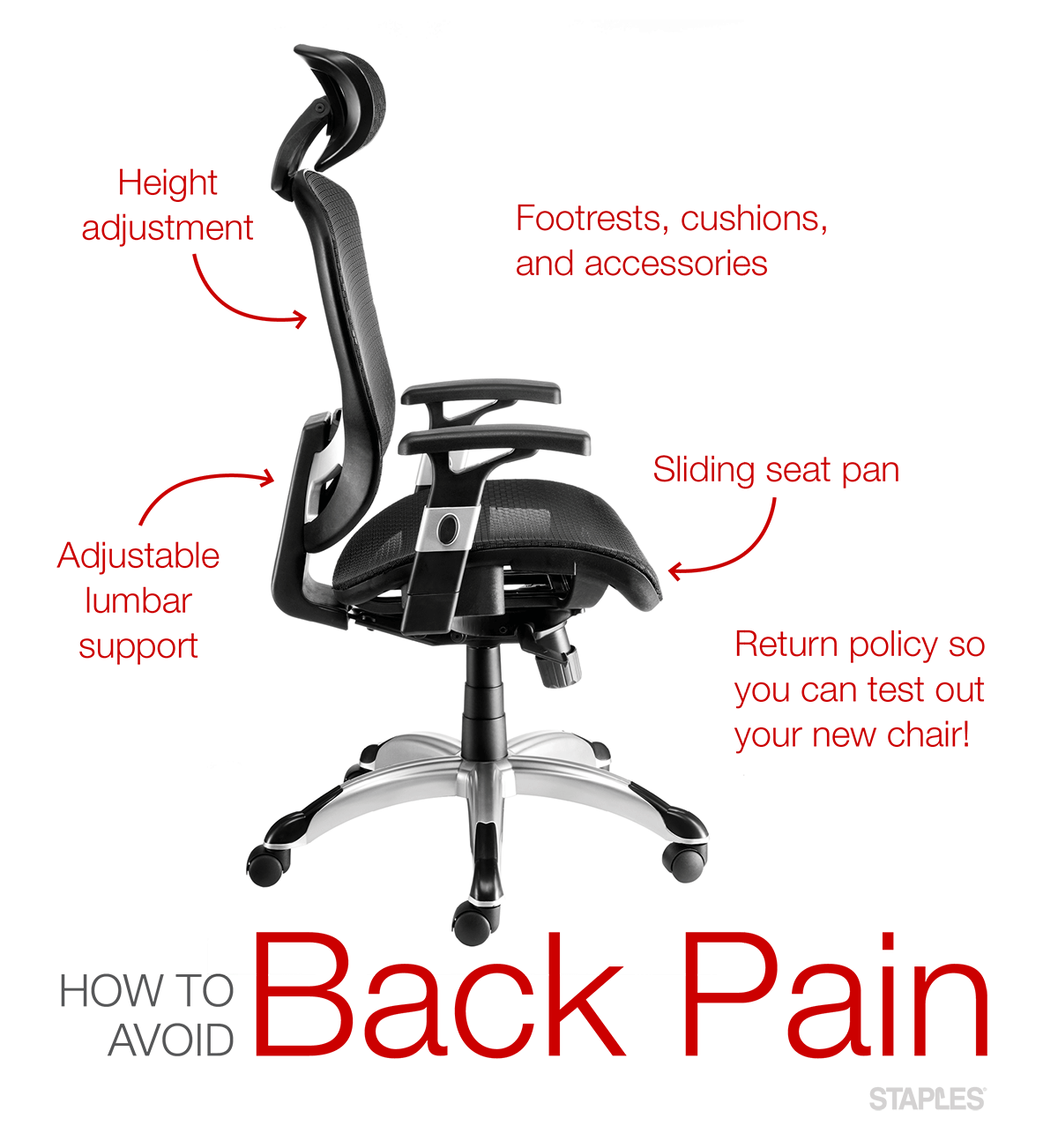
Lumbar support keeps the lower spine in its natural curve. It prevents slouching and reduces pressure on the discs. A good chair has adjustable lumbar support to fit your back shape. This support helps maintain proper alignment and lowers pain.
Adjustability
Adjustable parts let you customize the chair to your body. Look for height, armrest, and backrest adjustments. These changes help you sit correctly with feet flat on the floor. Adjustability ensures the chair fits you, not the other way round.
Seat Cushioning
Soft but firm cushioning offers comfort and support. Too hard or too soft seats cause discomfort and increase pain. Quality foam or gel padding keeps pressure off your hips and tailbone. Proper cushioning helps you sit longer without pain.
Material And Breathability
Breathable materials keep you cool and dry all day. Fabric or mesh chairs allow air flow better than leather or vinyl. Good airflow reduces sweating and skin irritation. Choose materials that feel comfortable and last a long time.
Types Of Chairs For Lower Back Pain
Choosing the right chair can ease lower back pain. Different chairs offer unique support and comfort. Each type helps the back in a special way. Understanding these options can guide you to better posture and less pain.
Here are some common chair types that help with lower back pain:
Ergonomic Office Chairs
Ergonomic office chairs are designed to support the natural curve of the spine. They often have adjustable height and lumbar support. These features reduce strain on the lower back during long sitting hours. Many models also include armrests and headrests for extra comfort.
Kneeling Chairs
Kneeling chairs change your sitting posture by tilting the pelvis forward. This position encourages a straight spine and reduces pressure on the lower back. They help engage core muscles and improve posture. Kneeling chairs are good for short periods of use.
Recliners
Recliners allow you to lean back and stretch your back muscles. They often have footrests to support your legs and reduce spinal pressure. Reclining can relieve tension in the lower back. Choose recliners with good lumbar support for best results.
Saddle Chairs
Saddle chairs mimic sitting on a horse, which opens the hips and aligns the spine. This seat shape promotes a healthy posture and reduces back pain. They are popular for tasks requiring frequent movement. Saddle chairs keep the spine in a neutral position.
Exercise Ball Chairs
Exercise ball chairs engage your core muscles while sitting. The unstable surface encourages balance and good posture. These chairs improve muscle strength around the lower back. They are ideal for short sitting sessions and active breaks.
Top Chair Picks For Lower Back Pain Relief
Finding the right chair can ease lower back pain. The correct chair supports your spine and reduces pressure. Choosing a chair that fits your needs helps you sit comfortably for longer. Here are top picks for chairs that help with lower back pain relief.
Budget-friendly Options
Affordable chairs can still offer good back support. Look for chairs with adjustable lumbar support. Mesh backs improve airflow and reduce heat. Chairs with padded seats help cushion your hips and thighs. These options suit those on a tight budget but need comfort.
Premium Choices
High-end chairs offer advanced features and superior comfort. They often have multiple adjustment points. Memory foam cushions adapt to your body shape. Many premium chairs include headrests and armrests. These chairs provide strong support for serious lower back pain.
Best For Home Office
Home office chairs focus on comfort and posture. They usually have ergonomic designs to support the lower back. Adjustable height and tilt functions allow personalized seating. Breathable materials keep you cool during work. These chairs help maintain good posture all day.
Best For Long Hours
Chairs for long sitting sessions prioritize comfort and support. Extra padding and lumbar support reduce strain on your back. Reclining features help change your posture often. Strong, durable frames ensure stability and long-term use. These chairs help prevent pain during extended work hours.
Portable Chairs
Portable chairs are lightweight and easy to move. Many fold up for storage and transport. They offer basic lumbar support for short-term use. Ideal for travel, outdoor work, or extra seating at home. Portable chairs provide convenience without sacrificing back care.
Tips For Using Chairs To Relieve Back Pain
Using the right chair can ease lower back pain. Simple actions improve comfort and reduce strain. Adjusting how you sit helps protect your back. Here are key tips for using chairs to relieve back pain.
Proper Sitting Posture
Sit with your back straight and shoulders relaxed. Keep your feet flat on the floor. Your knees should be at a 90-degree angle. Avoid slouching or leaning forward. Use a small cushion to support your lower back. This keeps your spine aligned and reduces pressure.
Adjusting Chair Settings
Set the chair height so your feet rest flat. Adjust the backrest to support your lumbar curve. Tilt the seat slightly forward to reduce pressure on the hips. Use armrests to support your arms gently. Avoid sitting in one position for too long.
Taking Movement Breaks
Stand up and stretch every 30 minutes. Walk around to increase blood flow. Simple stretches ease muscle tension and stiffness. Changing positions helps prevent back pain from sitting too long. Small breaks protect your lower back and improve comfort.
When To See A Professional
Lower back pain can sometimes improve with the right chair and good posture. Yet, pain that lasts or worsens needs more attention. Knowing when to see a professional helps protect your health.
Early action can prevent long-term problems. Professionals can find the cause of pain and suggest the best treatment. Do not ignore signs that your body needs help beyond a chair.
Persistent Or Increasing Pain
Pain that stays for weeks or gets worse needs a doctor’s check. Simple changes might not help in these cases. A professional can evaluate your spine and muscles carefully.
Numbness Or Weakness
Numbness, tingling, or weakness in legs or feet is a warning. These symptoms may mean nerve problems. Immediate medical advice is important to avoid damage.
Loss Of Bladder Or Bowel Control
Any loss of bladder or bowel control needs urgent medical attention. This can signal serious conditions affecting the spine. Do not delay seeing a healthcare provider.
Pain After Injury
Pain that starts after a fall, accident, or injury should be checked quickly. There may be fractures or other damage. A professional can order tests and offer treatment.
Difficulty Standing Or Walking
When pain makes standing or walking hard, seek help. This could mean muscles or nerves are affected. Early care helps maintain mobility and quality of life.
Frequently Asked Questions
What Type Of Chair Is Best For Lower Back Pain?
Ergonomic chairs with lumbar support are best for lower back pain. They maintain natural spine curvature and reduce pressure on discs. Adjustable features help customize fit, promoting comfort and proper posture during long sitting periods.
How Does Lumbar Support Reduce Lower Back Pain?
Lumbar support fills the gap between the spine and chair. It maintains the natural curve of the lower back. This reduces muscle strain and prevents slouching, which often causes or worsens back pain.
Can An Adjustable Chair Help With Back Pain?
Yes, adjustable chairs help by allowing users to customize height, backrest angle, and armrests. Proper adjustments promote good posture and reduce stress on the lower back, preventing pain and discomfort.
Are Mesh Chairs Good For Lower Back Support?
Mesh chairs provide breathability but must have proper lumbar support to aid the lower back. Without lumbar support, mesh chairs alone may not prevent back pain effectively.
Conclusion
Choosing the right chair can ease lower back pain significantly. Chairs with good lumbar support keep your spine in a healthy position. Adjustable features help you find the perfect fit for your body. Sitting properly reduces pressure on your lower back.
Remember to take breaks and stretch during long sitting periods. A supportive chair is a simple step toward less pain. Comfort and proper posture go hand in hand. Invest time in finding a chair that suits your needs. Your back will thank you for it.

