

Bringing a new puppy into your life is exciting, but teaching your furry friend how to socialize properly is key to raising a happy and confident dog. If you want your puppy to grow up friendly, well-behaved, and comfortable around people and other animals, you need to start socializing early—and do it the right way.
In this post, you’ll discover simple, effective steps to help your puppy build positive experiences and strong social skills. Ready to turn your playful pup into a social butterfly? Let’s dive in!
Importance Of Early Socialization
Early socialization shapes a puppy’s future behavior and confidence. It helps puppies learn how to interact with people, other dogs, and new environments. Proper socialization reduces fear and aggression. This gives puppies a better chance to grow into well-behaved adult dogs.
Critical Socialization Period
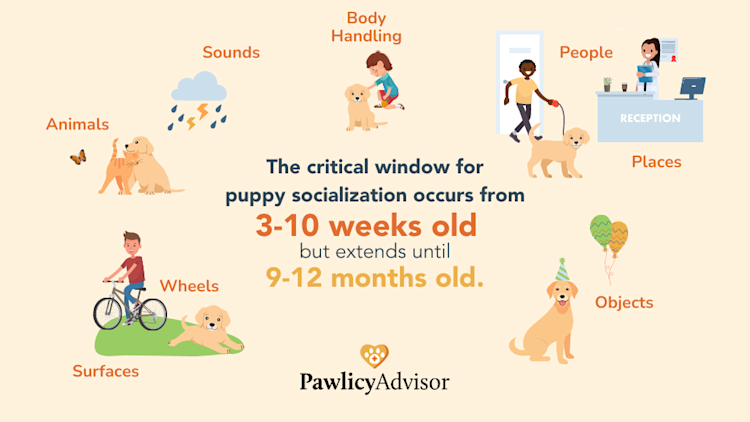
The critical socialization period happens between three and fourteen weeks of age. During this time, puppies absorb new experiences quickly. Positive exposure to sights, sounds, and smells is key. Gentle handling and meeting different people build trust. Missing this window can lead to fear or anxiety later. Early socialization must be consistent and safe.
Long-term Benefits
Socialized puppies handle stress better as adults. They adapt to new situations with less fear. These dogs are more comfortable around strangers and other animals. Proper socialization lowers the risk of behavior problems. It also makes training easier and more effective. A well-socialized dog enjoys a happier and healthier life.
Preparing For Socialization
Preparing your puppy for socialization is an important first step. It helps build trust and confidence in new situations. A calm, safe start makes your puppy more open to new experiences. Planning ahead creates a positive foundation for socializing.
Creating A Safe Environment
Choose a quiet and secure area for your puppy’s first socialization sessions. Avoid places with loud noises or too many people. A calm space helps your puppy feel safe and less scared. Remove sharp objects or anything that could harm your puppy. Soft bedding and familiar toys add comfort.
Gathering Necessary Supplies
Have all supplies ready before starting socialization. Use a well-fitting collar and leash to control your puppy gently. Bring treats to reward good behavior. Carry water and a bowl for hydration. Small toys can distract or calm your puppy during breaks. Being prepared helps the session go smoothly.
Introducing New Experiences
Introducing new experiences helps puppies grow confident and calm. It shapes their behavior and attitude toward the world. Gradual exposure to different sights, sounds, and people makes puppies feel safe. This process builds trust between you and your puppy. It also prevents fear and aggression later in life.
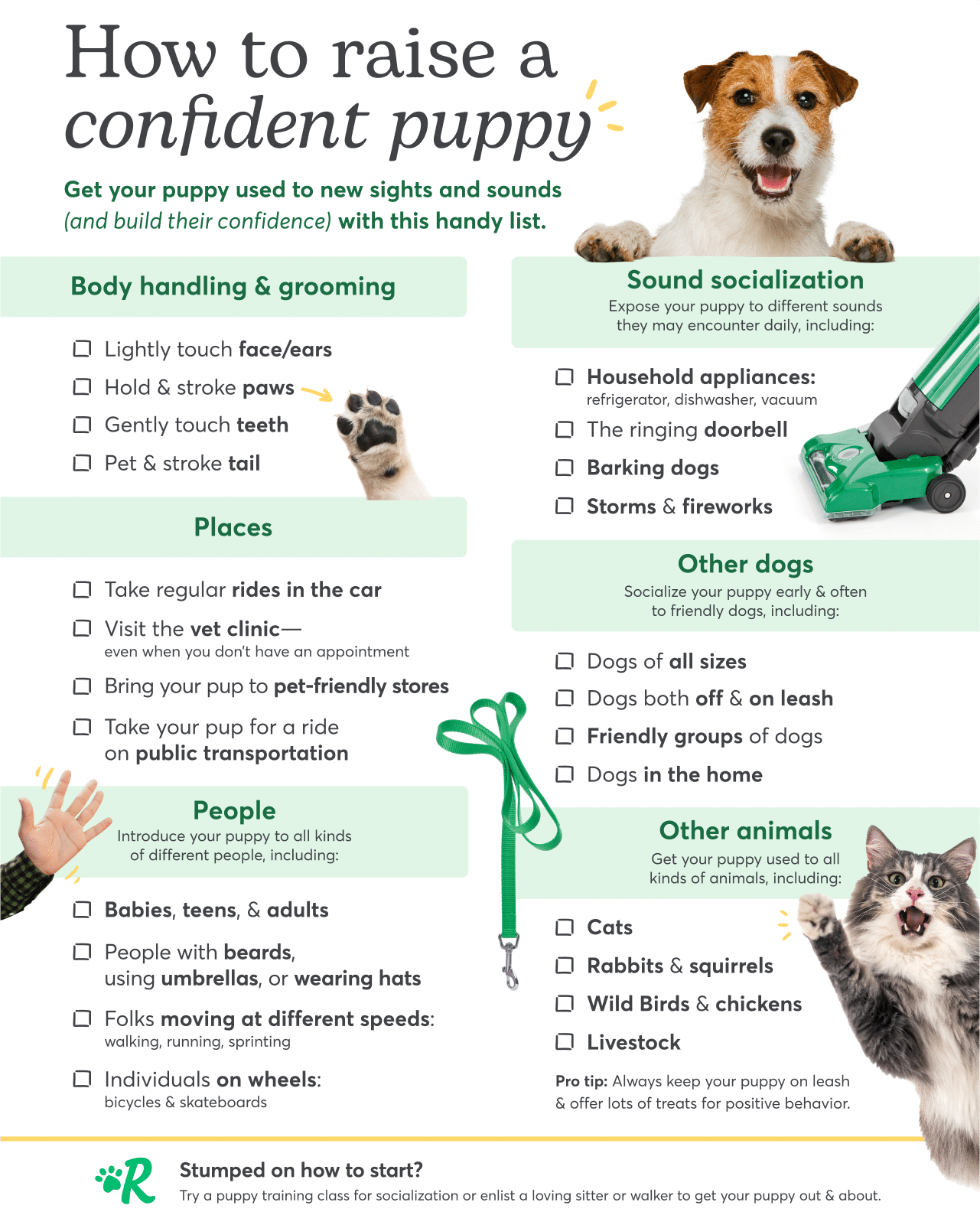
Meeting People Of All Ages
Let your puppy meet children, adults, and seniors. Different ages show different body language and voices. Puppies learn how to behave around all kinds of people. Short, positive meetings work best. Watch your puppy’s reactions closely. Stop if your puppy seems scared or stressed.
Exposure To Different Animals
Introduce your puppy to other dogs and pets slowly. Calm animals help your puppy feel relaxed. Keep all animals on a leash or in a safe space. Let your puppy sniff and observe from a distance. This builds good social skills and reduces fear.
Familiarizing With Various Sounds
Play sounds like traffic, vacuum cleaners, and doorbells softly. Increase volume slowly as your puppy adjusts. Sudden loud noises can scare puppies. Regular sound exposure teaches puppies to stay calm. It helps them handle noisy places better.
Exploring Diverse Environments
Take your puppy to parks, streets, and quiet areas. Different places have new smells, sights, and textures. Walking on grass, pavement, or gravel builds confidence. Explore safely and keep the puppy on a leash. This variety prepares your puppy for real life.
Positive Reinforcement Techniques
Positive reinforcement techniques build trust between you and your puppy. They encourage good behavior through rewards. This approach helps your puppy learn social skills happily and quickly.
Positive reinforcement means giving your puppy something they like after they act well. It can be treats, praise, or petting. The puppy links good behavior with pleasant rewards. This makes them want to repeat the behavior.
Using Treats And Praise
Treats are a powerful tool to teach puppies. Use small, soft treats that your puppy loves. Give a treat right after your puppy does something good. For example, when your puppy meets a new dog calmly, offer a treat.
Praise your puppy with a happy voice. Say “good boy” or “good girl” with a smile. This makes your puppy feel safe and loved. Treats plus praise make learning fun and fast.
Rewarding Calm Behavior
Calm behavior is important during socialization. Reward your puppy when they stay calm around people and other dogs. Give treats and gentle praise to encourage this calmness.
If your puppy gets excited or scared, wait for them to relax. Then, reward the calm moments. This teaches your puppy that calmness brings rewards, not excitement or fear.
Handling Fear And Anxiety
Handling fear and anxiety is key to socializing a puppy well. Puppies often feel scared in new places or around new people. Helping them feel safe builds trust and confidence. This process takes patience and care. Understanding your puppy’s feelings helps you support them better.
Recognizing Stress Signals
Puppies show fear in many ways. They may yawn, lick lips, or turn away. Some puppies freeze or try to hide. Watch for trembling, whining, or growling. These signals tell you your puppy feels unsafe. Notice changes in their body language. Early signs help you stop fear before it grows. Pay close attention during new experiences.
Gradual Exposure Strategies
Introduce new things slowly. Start with quiet, calm places. Let your puppy explore at their own pace. Use treats and praise to create good memories. Avoid forcing your puppy into scary situations. Increase challenges little by little. Repeat positive experiences often to build comfort. This helps your puppy learn the world is safe.
Socializing Beyond Puppyhood
Socializing a puppy is just the start of their journey. Socializing beyond puppyhood helps dogs stay confident and friendly. It keeps their skills sharp and helps prevent fear or aggression. Dogs need new experiences as they grow to stay well-adjusted and happy.
Regular social experiences build trust and calmness in different situations. Continued socialization supports your dog’s mental health. It also strengthens the bond between you and your dog.
Continuing Social Experiences
Keep introducing your dog to new places and people. Visit parks, pet-friendly stores, and dog events. Meet dogs of different sizes and ages. Try new sounds and sights, like bicycles or children playing. Short, positive encounters work best. Watch your dog’s body language. Stop if they seem stressed.
Maintaining Good Habits
Reinforce good behavior with treats and praise. Practice commands like sit, stay, and come in public. Keep walks calm and controlled. Avoid pushing your dog into uncomfortable situations. Regular training sessions help keep manners sharp. Consistency is key for lifelong good habits.
Common Mistakes To Avoid
Socializing a puppy is important for a happy, well-behaved dog. Mistakes in this stage can cause fear or aggression later. Knowing what to avoid helps your puppy grow confident and friendly. Here are some common mistakes to watch out for.
Forcing Interactions
Forcing a puppy to meet other dogs or people can cause stress. Puppies need time to feel safe and comfortable. Let them approach new friends at their own pace. Pushy behavior can make your puppy shy or scared. Gentle encouragement works better than force.
Skipping Early Socialization
Waiting too long to socialize your puppy is risky. Puppies learn important skills in their first few months. Missing this window can lead to fear of new things. Start socializing early with safe, positive experiences. Early socialization helps build trust and confidence.
When To Seek Professional Help
Socializing a puppy is important for their growth and happiness. Sometimes, problems arise that need expert help. Knowing when to seek professional help can save your puppy from stress and bad habits.
Signs Of Behavioral Issues
Watch for signs like extreme fear or aggression. If your puppy growls or snaps often, it needs attention. Avoidance of people or other dogs is also a red flag. Constant barking or destructive chewing can show stress. These behaviors can harm your puppy’s social skills.
Finding A Trainer Or Behaviorist
Choose a trainer with good reviews and experience. Look for someone who uses positive methods only. A behaviorist can help with deeper problems. Ask if they work well with puppies specifically. Early help improves your puppy’s future social life.
Frequently Asked Questions
How Early Should I Start Socializing My Puppy?
Start socializing your puppy as early as 3 weeks old. Early exposure helps them adapt to new experiences and reduces fear. Proper socialization builds confidence and promotes good behavior throughout life. Always ensure interactions are safe and positive to foster healthy development.
What Are The Best Socialization Activities For Puppies?
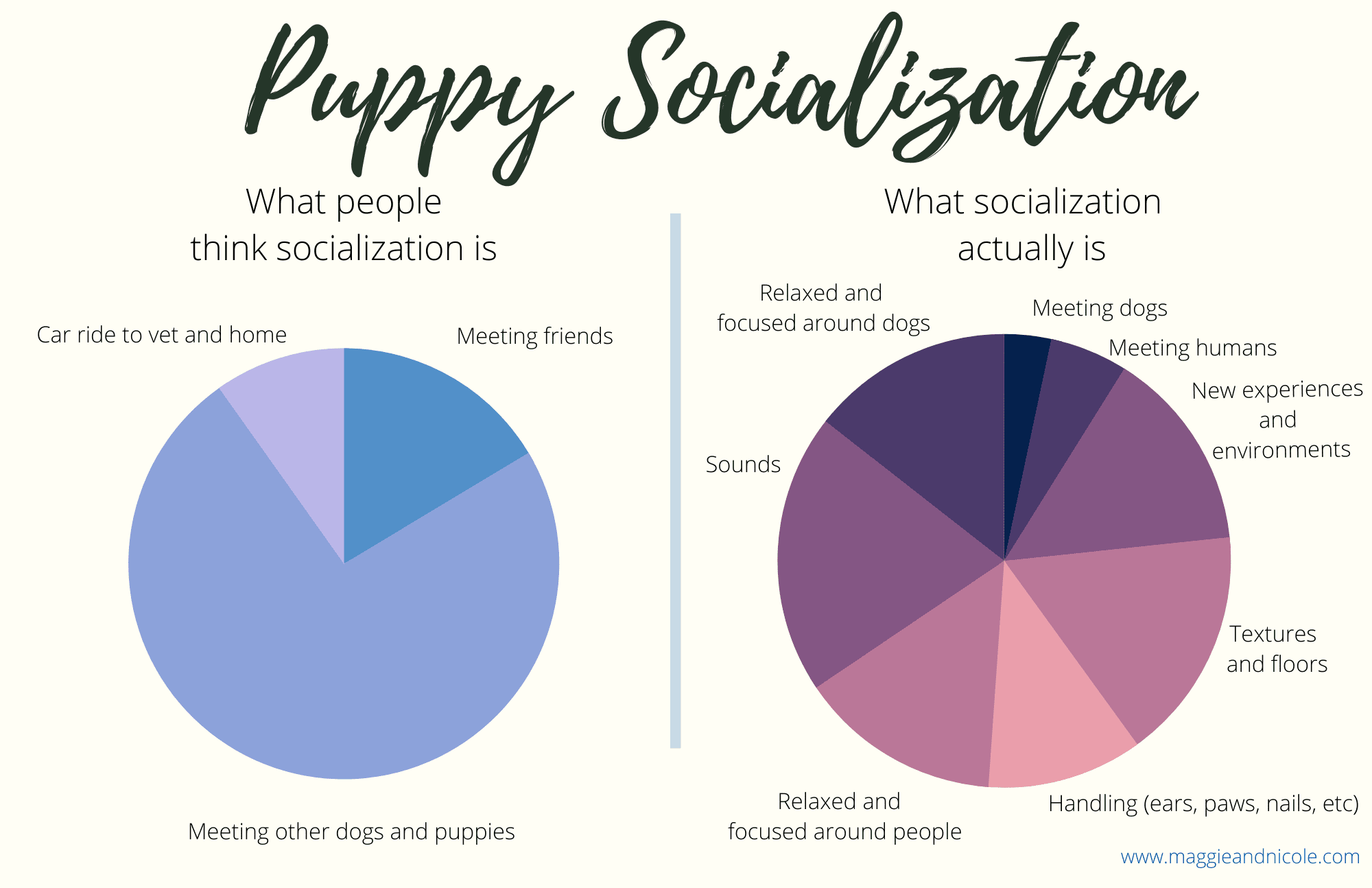
Introduce puppies to various sounds, sights, people, and animals. Short walks, meeting friendly dogs, and gentle handling work well. Use treats and praise to create positive associations. Gradually increase exposure to different environments to build their social skills effectively.
How Often Should I Socialize My Puppy?
Socialize your puppy daily for short, positive sessions. Frequent exposure to new experiences helps them learn and adapt quickly. Consistency is key to preventing fear and aggression. Aim for varied social interactions to develop a well-rounded, confident dog.
Can Socializing Prevent Future Behavioral Problems?
Yes, early socialization reduces risks of fear, aggression, and anxiety. Puppies learn to handle stress and unfamiliar situations better. Proper socialization promotes calm, friendly behavior and strengthens the human-dog bond. It’s essential for a happy, balanced adult dog.
Conclusion
Socializing a puppy starts early and needs patience. Take small steps and stay calm. Let your puppy meet new people and dogs often. Praise good behavior to build confidence. Avoid scary or overwhelming situations for your puppy. A well-socialized puppy grows into a happy, friendly dog.
Keep practicing social skills every day. Enjoy the journey with your new best friend.

