

You love your dog and want to keep them healthy and happy for years to come. But how often should your furry friend visit the vet?
It’s a question many pet owners wonder about. Taking your dog to the vet at the right times can catch problems early, save you money, and give your dog a better quality of life. You’ll discover the simple schedule that fits your dog’s age, breed, and health needs.
Keep reading to learn exactly when your dog needs a vet visit and how to make those visits stress-free for both of you.
Routine Vet Visits
Routine vet visits keep your dog healthy and happy. These checkups help catch problems early. They also ensure vaccinations and treatments are up to date. Regular visits build trust between your dog and the vet. This makes future visits less stressful for your pet.
Frequency By Age
Puppies need more vet visits than adult dogs. They require frequent checkups for vaccines and growth checks. Adult dogs usually visit the vet once a year. Senior dogs need visits twice a year or more. Older pets face more health risks and need closer monitoring.
Annual Vs Biannual Checkups
Annual checkups work well for healthy adult dogs. These visits include exams, vaccinations, and dental checks. Biannual visits suit older dogs or those with health issues. More frequent visits help catch diseases sooner. Discuss your dog’s needs with your vet for the best plan.

Vaccination Schedule
Vaccinations protect dogs from many serious diseases. A clear vaccination schedule helps keep your dog healthy. Puppies need vaccines early in life. Adult dogs require boosters to stay protected. Your vet guides you through each stage.
Core Vaccines
Core vaccines protect against common, dangerous diseases. They include rabies, distemper, parvovirus, and adenovirus. These vaccines are essential for all dogs. Rabies vaccine is often required by law. Puppies get these shots in a series. Adults get boosters to maintain immunity.
Non-core Vaccines
Non-core vaccines depend on your dog’s lifestyle. They protect against diseases found in certain areas. Examples are Lyme disease, leptospirosis, and kennel cough. Dogs that spend time outdoors may need these. Your vet can recommend which non-core vaccines suit your dog.
Booster Shots Timing
Booster shots keep immunity strong. Puppies need boosters every 3 to 4 weeks until 16 weeks old. After that, dogs get boosters yearly or every three years. Rabies boosters follow local laws. Regular vet visits help track booster timing. Staying on schedule prevents diseases effectively.
Puppy Care Needs
Puppies need special care in their first months. They grow fast and face many health changes. Regular vet visits protect them from sickness. Early checkups help spot problems quickly. This keeps puppies healthy and happy as they grow.
Understanding a puppy’s care needs helps owners provide the best support. It sets a strong foundation for a long, healthy life. Knowing when to visit the vet is part of good puppy care.
Initial Vet Visits
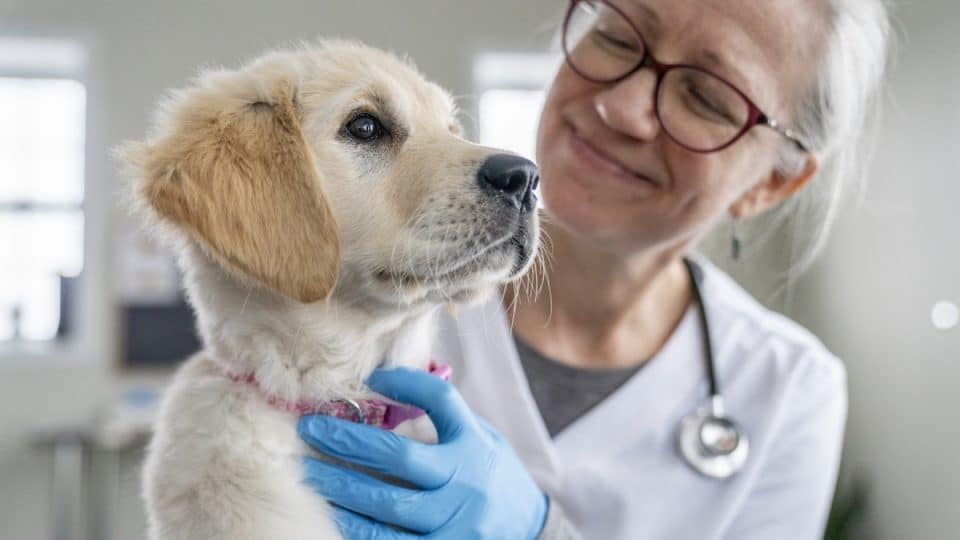
Take your puppy to the vet soon after bringing them home. The first visit includes a full health check. The vet checks eyes, ears, teeth, and skin. Vaccinations start during these visits. These shots protect puppies from serious diseases. The vet also talks about feeding and care tips. Early visits build trust between your puppy and the vet.
Growth Monitoring
Puppies grow quickly. Regular vet visits track their weight and height. This helps catch growth problems early. The vet watches for signs of illness or discomfort. Proper growth means your puppy is healthy and strong. Growth checks guide diet and exercise plans. Keeping track of growth helps avoid future health issues.
Adult Dog Wellness
Adult dog wellness means keeping your dog healthy and happy. Regular vet visits help catch problems early. These visits ensure your dog stays active and strong. Good care can add years to your dog’s life. Knowing the right visit schedule is key for wellness.
Regular Health Screenings
Adult dogs need health screenings once a year. The vet checks weight, heart, and breathing. Blood tests help find hidden issues like diabetes. Early detection makes treatment easier and better. Vaccines get updated to protect against diseases. These screenings keep your dog feeling good.
Dental Checkups
Dental health is often overlooked but very important. Dogs need dental exams at least once a year. The vet looks for plaque, tartar, and gum disease. Poor dental health can cause pain and infections. Regular cleanings help prevent tooth loss. Healthy teeth support overall wellness and energy.
Senior Dog Visits
Senior dogs need special care as they age. Their health can change quickly. Regular vet visits become very important. These visits help catch problems early. They also keep your dog comfortable and happy. Understanding how often to visit the vet helps you care better for your older pet.
Increased Frequency
Older dogs should see the vet more often. Twice a year is a good rule. Some may need visits every three months. These checkups help find health issues early. Early treatment can improve your dog’s quality of life. Your vet can suggest the best schedule.
Managing Chronic Conditions
Many senior dogs have long-term health problems. Conditions like arthritis, diabetes, or kidney disease need care. Regular vet visits monitor these conditions closely. Vets can adjust medicines and treatments as needed. This helps control symptoms and prevents complications. Keeping track of your dog’s health is key.

Signs For Immediate Vet Attention
Knowing when your dog needs urgent vet care can save their life. Some signs are clear and need quick action. Others might be subtle but still serious. Watch your dog closely for any changes in behavior or physical health. Immediate vet attention can prevent problems from getting worse.
Behavioral Changes
Sudden aggression or fear can indicate pain or illness. If your dog stops eating or drinking, it is a warning sign. Excessive tiredness or weakness also needs vet care. Unusual hiding or avoiding people may mean your dog is sick. Constant whining or barking could signal discomfort. Always note if your dog’s mood shifts without a clear cause.
Physical Symptoms
Vomiting or diarrhea that lasts more than a day needs attention. Difficulty breathing or coughing is a serious symptom. Swelling, lumps, or wounds that do not heal require a vet check. Sudden limping or inability to move properly is a red flag. Pale gums, bleeding, or excessive thirst are urgent signs. Always act fast if your dog has seizures or collapses.
Preventive Care Tips
Preventive care helps keep dogs healthy and happy. It reduces the chance of serious illness. Regular vet visits are important. Along with vet visits, daily care at home plays a big role. Simple steps can protect dogs from many health problems.
Parasite Control
Parasites like fleas, ticks, and worms cause many health issues. They can make dogs very sick. Use vet-recommended treatments to stop parasites early. Check your dog often for signs of parasites. Keep your home and yard clean. This lowers the risk of parasite infections. Preventing parasites saves pain and expensive treatments.
Nutrition And Exercise
Good food and daily exercise keep dogs strong. Feed balanced meals made for your dog’s age and size. Avoid giving too many treats or human food. Exercise helps dogs stay fit and burn energy. It also supports a healthy heart and joints. Playtime, walks, and runs improve mood and behavior. Healthy habits make vet visits easier and less frequent.
Choosing The Right Vet
Choosing the right vet is important for your dog’s health. A good vet provides care, advice, and comfort. Your pet needs a vet you trust and who understands their needs. This choice affects how often your dog should visit and the quality of care they get.
Qualifications And Experience
A vet’s qualifications show their skills and knowledge. Check if they have a valid license and training. Experience matters too. A vet with years in practice handles many health issues well. Ask about their work with your dog’s breed or size. This helps ensure they know your pet’s specific needs.
Clinic Facilities
The vet clinic should have clean and modern facilities. Equipment for exams and treatments must be up-to-date. Emergency care options are a plus. A well-equipped clinic can diagnose problems quickly. It also makes visits less stressful for your dog. Good facilities help provide better and faster care.
Frequently Asked Questions
How Often Should Adult Dogs Visit The Vet?
Adult dogs should visit the vet at least once a year. Annual checkups help monitor health, update vaccinations, and catch issues early. Regular visits ensure your dog stays healthy and any problems are addressed promptly.
When Do Puppies Need Their First Vet Visit?
Puppies should see a vet within the first week after adoption. Initial visits include vaccinations, deworming, and health checks. Early vet visits are crucial for establishing a healthy start and preventing diseases.
How Frequently Do Senior Dogs Need Vet Checkups?
Senior dogs require vet visits every six months. Aging pets need closer monitoring for age-related conditions. Regular checkups help manage chronic illnesses and maintain quality of life.
What Signs Indicate An Urgent Vet Visit For Dogs?
Urgent signs include difficulty breathing, severe vomiting, or sudden weakness. Other signs are uncontrolled bleeding or seizures. Immediate vet care can save your dog’s life in emergencies.
Conclusion
Regular vet visits keep your dog healthy and happy. Puppies need more frequent check-ups to grow strong. Adult dogs benefit from yearly exams to catch problems early. Older dogs may require visits twice a year for extra care. Watch for signs like changes in appetite or energy.
Early care can prevent serious health issues later. Talk with your vet about the best schedule for your dog. Staying consistent helps your pet live a longer, better life. Good health means more joyful moments with your furry friend.

