

Is your dog biting more than just a playful nip? You’re not alone, and the good news is, you can change this behavior.
Imagine feeling confident every time your dog interacts with people or other pets—without worrying about unexpected bites. You’ll discover simple, effective steps to stop your dog from biting for good. Keep reading, and take control of your dog’s behavior today.

Reasons Dogs Bite
Understanding why dogs bite helps prevent bites effectively. Dogs bite for several reasons. Each reason shows a different feeling or need. Knowing these reasons helps owners respond the right way.
Fear And Anxiety
Fear makes dogs bite to protect themselves. Loud noises or new places can scare dogs. Strangers or sudden movements may cause fear too. A scared dog bites to say “stay away.”
Playful Biting
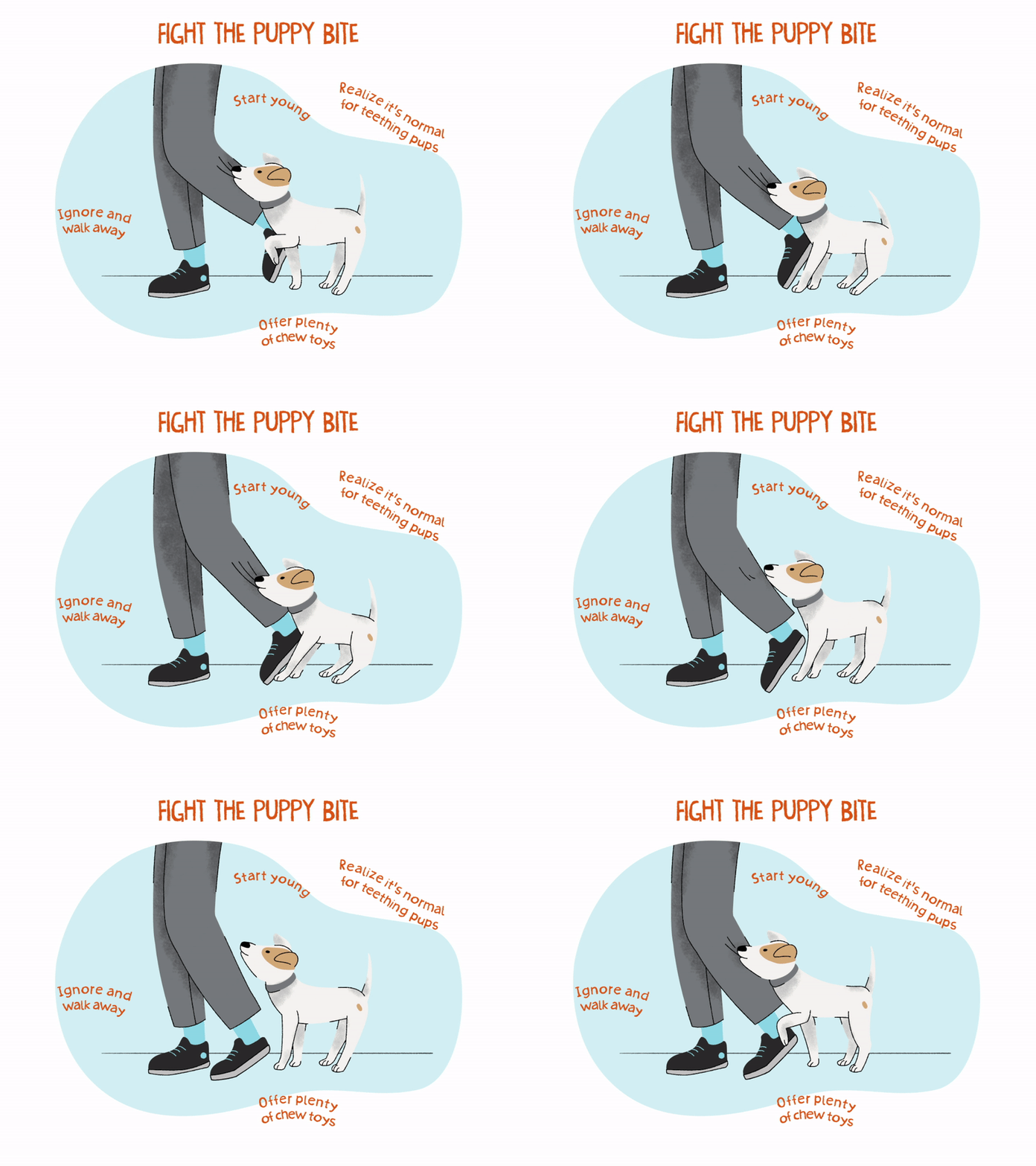
Puppies and young dogs bite to play. They use their mouths like humans use hands. Playful biting is gentle but can hurt. Teaching dogs limits helps stop playful biting.
Protective Behavior
Dogs bite to protect their home or family. They see strangers as a threat. Protective biting is serious and needs training. A dog feels duty to guard its space.
Pain Or Discomfort
Dogs bite if they feel pain. Illness or injury makes dogs sensitive. Touching a sore spot may cause a bite. Watch for signs of pain to avoid bites.
Immediate Actions To Take
Stopping a dog from biting needs quick and careful steps. Acting fast helps keep everyone safe. It also teaches your dog good behavior. Follow these immediate actions to handle the situation calmly and effectively.
Stay Calm And Firm
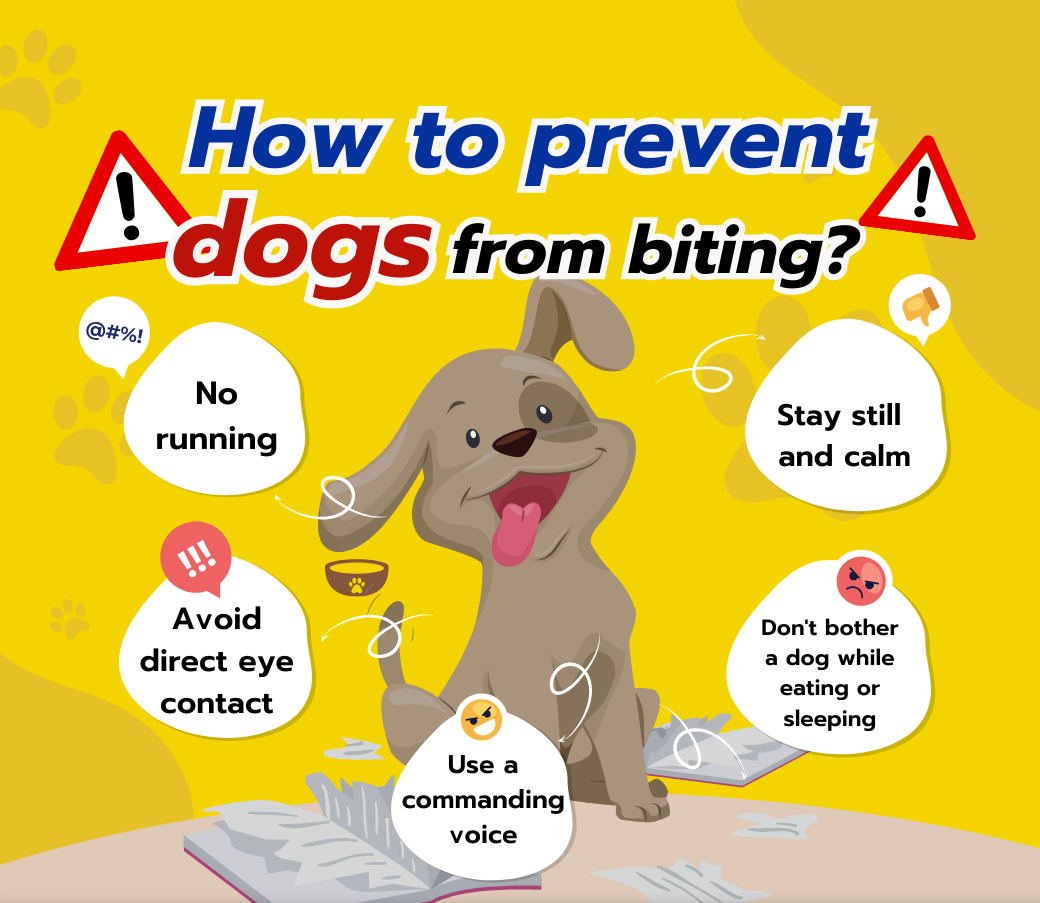
Keep your voice steady and low. Yelling may scare the dog more. Speak firmly to show you are in control. Avoid sudden movements that can trigger the bite. Calmness helps the dog feel safe and listen better.
Use A Distraction
Offer a toy or treat to shift attention. Toss a ball or chew toy near the dog. This redirects their focus from biting. Distractions stop the bite quickly without punishment. Use this method to break the biting habit.
Remove The Dog From The Situation
Take the dog to a quiet space right away. This reduces stress and stops biting triggers. Give your dog time to relax and calm down. Avoid forcing the dog, as it may cause more fear. A calm environment helps your dog learn better behavior.
Training Techniques To Reduce Biting
Training your dog to stop biting takes patience and clear methods. Teaching good habits early helps your dog learn what is okay to chew and bite. Using the right training techniques can reduce biting and build trust between you and your pet.
Positive Reinforcement
Reward your dog for gentle behavior. Give treats or praise when your dog plays nicely without biting. This shows the dog that calm actions bring good results. Avoid punishment, as it can make biting worse. Consistent rewards help your dog learn fast.
Teaching Bite Inhibition
Help your dog understand how hard to bite. If your dog bites too hard, say “ouch” loudly and stop playing. This teaches your dog that biting hurts and ends fun. Repeat this often to help your dog control its bite strength.
Redirecting Energy With Toys
Give your dog toys to chew instead of hands or clothes. Toys help use your dog’s energy in a safe way. Offer toys when your dog feels playful or restless. This reduces biting by focusing your dog’s energy on proper objects.
Socialization Benefits
Socialization helps reduce biting by teaching dogs how to behave. It builds confidence and trust in dogs. Well-socialized dogs feel safe and calm around others. This lowers fear and aggression, common causes of biting.
Introducing dogs to new people, other dogs, and different places improves their behavior. Socialization shapes friendly and relaxed dogs. It also helps owners control biting problems early.
Introducing To New People
Meeting new people teaches dogs to stay calm and polite. Dogs learn not to bite out of fear or excitement. Gentle greetings and calm voices help dogs feel safe. Regular exposure to friendly strangers reduces biting instincts.
Controlled Interactions With Other Dogs
Playing with well-behaved dogs teaches bite inhibition. Dogs learn how hard to bite during play. Controlled meetings avoid fights and stress. These positive experiences reduce biting caused by anxiety or confusion.
Exposure To Different Environments
New places help dogs adapt and stay calm. Exposure to noises, crowds, and smells lowers fear. A calm dog is less likely to bite. Gradual changes build confidence and better behavior.
When To Seek Professional Help
Knowing when to seek professional help is key to stopping a dog from biting. Some biting behaviors need expert care to keep you and your dog safe. Acting early can prevent serious problems and improve your dog’s behavior quickly.
Signs Of Aggression
Watch for growling, snapping, or lunging at people or other animals. Biting that happens often or without warning shows aggression. A dog that guards food, toys, or space may also be aggressive. Sudden changes in behavior or fear can lead to biting. These signs mean you should get help fast.
Behavioral Training Programs
Professional trainers use special programs to change biting behavior. These programs teach dogs how to behave calmly and safely. Trainers use rewards and clear rules to guide dogs. Group classes or private sessions help dogs learn social skills. Training helps owners understand their dog’s needs and signals.
Veterinary Consultation
Some biting comes from pain or illness. A vet can check your dog’s health to find problems. Medical issues like infections or injuries may cause sudden biting. Vets can also suggest medicine or treatments for anxiety. Always rule out health issues before starting training.
Preventive Measures At Home
Stopping a dog from biting starts at home. Setting clear rules and habits early helps prevent biting behavior. Owners must create a safe and calm environment. Teaching dogs how to play gently and behave well is key.
Preventive measures reduce biting risks. They build trust and respect between you and your dog. Let’s explore simple steps to keep biting under control.
Safe Play Practices
Use toys to direct your dog’s biting. Avoid using hands or feet as play objects. Teach your dog to bite only on toys. Stop play immediately if your dog bites skin. Praise your dog for gentle play. This helps your dog learn good behavior fast.
Consistent Rules And Boundaries
Set clear rules for your dog every day. Everyone in the house must follow the same rules. Say “no” firmly but kindly when biting happens. Give your dog time-outs for bad behavior. Consistency teaches your dog what is allowed. Dogs feel safer with clear boundaries.
Regular Exercise And Mental Stimulation
Exercise keeps your dog calm and happy. A tired dog is less likely to bite. Walk your dog daily and play outside. Use puzzle toys to challenge your dog’s mind. Mental games reduce boredom and stress. A busy dog behaves better at home.
Frequently Asked Questions
How Can I Train My Dog To Stop Biting?
Consistent training and positive reinforcement are key. Use commands like “no bite” and reward gentle behavior. Avoid harsh punishments, as they can increase aggression. Socialize your dog early to reduce fear-based biting. Seek professional help if biting persists.
Why Do Dogs Bite In The First Place?
Dogs bite due to fear, pain, or protective instincts. Puppies explore with their mouths, leading to nipping. Lack of socialization or training can also cause biting. Understanding the root cause helps in effectively managing and preventing bites.
When Should I Seek Professional Help For Dog Biting?
Seek professional help if biting is frequent or severe. Consult a vet to rule out medical issues causing pain. A certified dog trainer or behaviorist can address aggression. Early intervention prevents escalation and ensures safety for everyone.
Can Biting Be Prevented In Puppy Stages?
Yes, early socialization and bite inhibition training are crucial. Teach puppies gentle play and discourage nipping. Provide chew toys to redirect biting urges. Positive reinforcement helps puppies learn acceptable behavior and reduces future biting problems.
Conclusion
Stopping a dog from biting takes patience and care. Teach your dog what is okay and what is not. Use gentle training and praise good behavior. Watch your dog’s body language to prevent bites. Keep playtime safe and calm for your pet.
Remember, biting can be a sign of fear or pain. Stay consistent and calm in your approach. Your dog will learn to behave better with time. Trust the process and keep loving your dog. Safe pets make happy homes.

