

Have you ever come home to find your favorite shoes or important papers shredded to pieces? If so, you’re not alone.
Many dog owners struggle with their pets chewing everything in sight. But why does your dog do this? Understanding the reasons behind this behavior can help you stop the destruction and keep both your belongings and your furry friend safe.
Keep reading to discover the surprising causes and simple solutions that will change the way you handle your dog’s chewing habits.
Common Causes Of Chewing
Dogs chew for many reasons. Understanding why your dog chews helps you manage this behavior. Chewing is normal, but it can cause damage or frustration. Here are the common causes of chewing in dogs.
Teething In Puppies
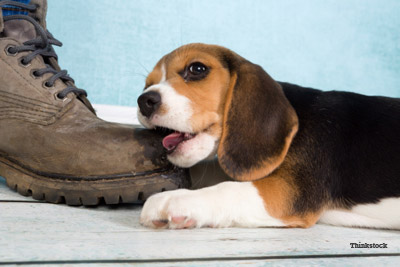
Puppies chew to ease the pain of teething. Their baby teeth fall out, and new teeth grow. Chewing helps soothe their gums. Providing safe chew toys can protect your belongings.
Boredom And Lack Of Exercise
Dogs with little exercise or mental stimulation get bored. Chewing becomes a way to pass time and stay busy. Daily walks and playtime reduce boredom and chewing.
Stress And Anxiety
Stress can make dogs chew more than usual. Changes in routine or loud noises may cause anxiety. Chewing helps dogs feel calmer and safer.
Seeking Attention
Dogs may chew to get your attention. Negative or positive, any reaction can encourage chewing. Teaching quiet ways to get attention can help.
Natural Instincts
Chewing is part of a dog’s natural behavior. It helps keep their teeth clean and jaws strong. Providing appropriate items to chew respects this instinct.

Health-related Reasons
Dogs chew for many health reasons. Chewing can help them feel better. Sometimes, it shows there is a problem inside their body. Understanding these health-related reasons helps you care for your dog well.
Chewing may signal pain or discomfort. It can also mean your dog needs nutrients or has a health issue. Watch your dog closely to spot these signs.
Dental Issues
Dogs chew to ease tooth pain. Problems like broken teeth or gum disease cause discomfort. Chewing helps them relieve pressure. Regular dental check-ups keep their mouth healthy. Without care, dogs may chew more to reduce pain.
Nutritional Deficiencies
Dogs lacking vitamins or minerals may chew oddly. Their body tries to get what it misses. Chewing objects not meant for eating can be a sign. A balanced diet can fix this problem. Consult a vet for proper nutrition advice.
Parasites And Discomfort
Parasites cause itching and irritation. Dogs chew to soothe the itchy skin. Fleas, ticks, or worms can lead to this behavior. Treating parasites helps stop excessive chewing. Keep your dog clean and parasite-free for comfort.
Environment And Lifestyle Factors
Dogs chew for many reasons, but the environment and lifestyle play a big role. Changes in daily life or surroundings can make a dog chew more. Understanding these factors helps to reduce unwanted chewing.
Lack Of Mental Stimulation
Dogs need mental challenges to stay happy. Boredom can lead to chewing as a way to pass time. Toys, puzzles, and training keep their minds busy. Without these, dogs may chew on anything around them.
Changes In Routine
Dogs like a steady routine. Sudden changes can cause stress and anxiety. This stress often shows through chewing behavior. Keeping a regular schedule helps dogs feel safe and calm.
Inadequate Training
Training teaches dogs what is okay to chew. Without clear rules, dogs may chew wrong things. Consistent training guides dogs to chew their toys only. Patience and repetition improve their habits over time.
Effective Solutions To Stop Chewing
Chewing is a natural behavior for dogs, but it can cause damage and frustration. Stopping this habit requires patience and the right approach. Effective solutions help keep your dog happy and your belongings safe.
Providing Chew Toys
Offer your dog safe and durable chew toys. Toys keep them busy and satisfy their urge to chew. Rotate toys to keep interest high. Choose toys suitable for your dog’s size and chewing strength.
Increasing Exercise And Playtime
Exercise tires your dog and reduces boredom. Playtime strengthens your bond and provides mental stimulation. A tired dog chews less and behaves better. Aim for daily walks and active play sessions.
Training And Positive Reinforcement
Teach your dog what is okay to chew. Use commands like “leave it” or “no.” Reward good behavior with treats and praise. Consistency helps your dog learn faster. Avoid punishment, as it can cause fear.
Creating A Safe Space
Set up a comfortable area with your dog’s toys. Keep tempting items out of reach. A safe space reduces anxiety and prevents unwanted chewing. Use gates or crates to limit access when needed.
Using Deterrent Sprays
Apply bitter sprays on items you want to protect. The unpleasant taste discourages chewing. Test the spray on a small area first. Reapply regularly for best results. Combine with training for stronger effect.
When To Consult A Veterinarian
Knowing when to consult a veterinarian is important for your dog’s health. Chewing is normal, but sometimes it signals a bigger problem. Watch your dog’s behavior closely. Some signs need professional advice.
Persistent Chewing Despite Efforts
Dogs chew to explore or relieve stress. Training and toys help reduce chewing. Persistent chewing after these efforts may show an underlying issue. A vet can check for health problems causing this behavior.
Signs Of Pain Or Illness
Chewing can be a sign of pain. Look for swollen gums, drooling, or bleeding. Changes in eating or sleeping habits matter too. A vet visit can find infections or dental issues causing discomfort.
Behavioral Assessments
Chewing may come from anxiety or boredom. Vets can assess your dog’s mental health. They may suggest training or medication. Early help improves your dog’s quality of life and stops destructive chewing.

Frequently Asked Questions
Why Does My Dog Chew Everything At Home?
Dogs chew to explore, relieve boredom, or soothe teething pain. Chewing also helps reduce anxiety and exercise their jaws. Providing proper chew toys can redirect this behavior and protect your belongings.
How Can I Stop My Dog From Chewing Furniture?
Consistently redirect your dog to chew toys and praise them. Use deterrent sprays on furniture and increase exercise. Training and mental stimulation reduce destructive chewing caused by boredom or anxiety.
Is Chewing Normal Behavior For Dogs?
Yes, chewing is a natural and healthy behavior for dogs. It helps keep their teeth clean and relieves stress. Proper chew toys and supervision ensure safe and appropriate chewing habits.
What Causes Excessive Chewing In Dogs?
Excessive chewing often results from boredom, anxiety, or lack of exercise. Medical issues like dental pain can also cause it. Identifying the cause helps in managing and reducing destructive chewing behavior.
Conclusion
Dogs chew for many reasons like boredom, teething, or stress. Understanding why helps you guide their behavior better. Provide toys and attention to keep them busy and happy. Train gently to teach what is okay to chew. Remember, patience and consistency bring the best results.
Your dog’s chewing will improve with time and care. Keep learning about your dog’s needs every day. A happy dog means a happy home.

