

Have you noticed your dog scratching more than usual or sneezing without a clear reason? Allergies in dogs can be just as uncomfortable for them as allergies are for you.
Understanding what causes these reactions is the first step to helping your furry friend feel better. You’ll discover the most common dog allergies and how to spot them early. Keep reading to learn what might be bothering your dog and what you can do to bring relief.
Your dog’s comfort and health depend on it.
Common Dog Allergies
Dogs can suffer from allergies just like humans. These allergies cause itching, redness, and discomfort. Recognizing common dog allergies helps in early treatment. This section explains the main types of allergies dogs face.
Food Allergies
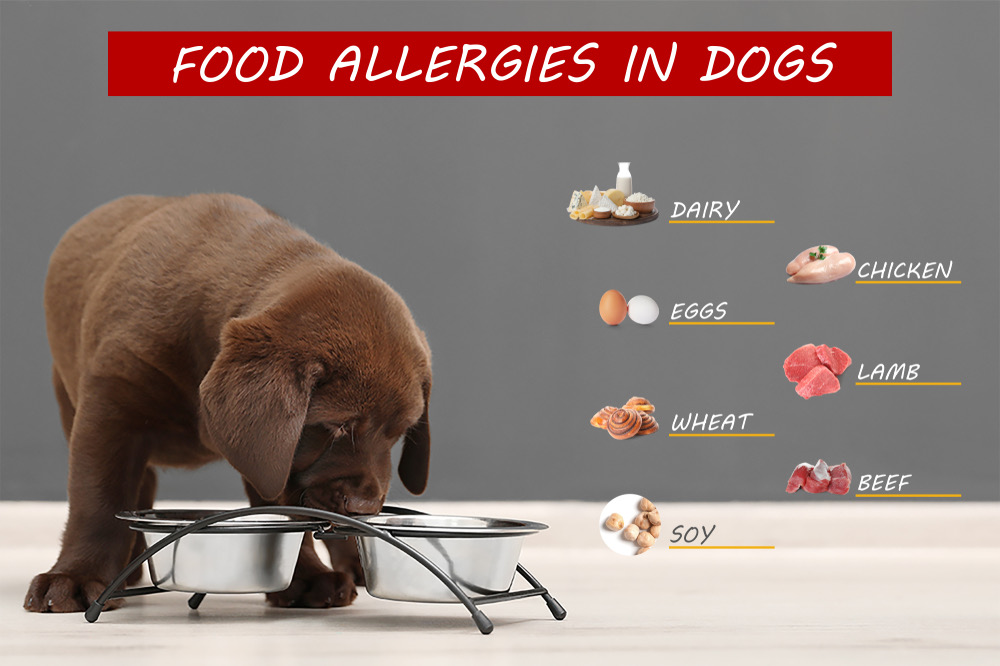
Food allergies occur when a dog’s immune system reacts to certain ingredients. Common triggers include beef, chicken, dairy, and wheat. Symptoms include itching, ear infections, and upset stomach. Identifying the food causing the allergy is key to managing it.
Environmental Allergies
Environmental allergies come from pollen, dust, mold, or grasses. Dogs often show symptoms like sneezing, coughing, and skin irritation. These allergies can happen year-round or seasonally. Keeping the dog’s environment clean helps reduce exposure.
Flea Allergy Dermatitis
Flea allergy dermatitis is a reaction to flea bites. Even one flea can cause severe itching and skin problems. Dogs scratch and bite at their skin, leading to sores and hair loss. Regular flea control is essential to prevent this allergy.
Allergy Symptoms In Dogs
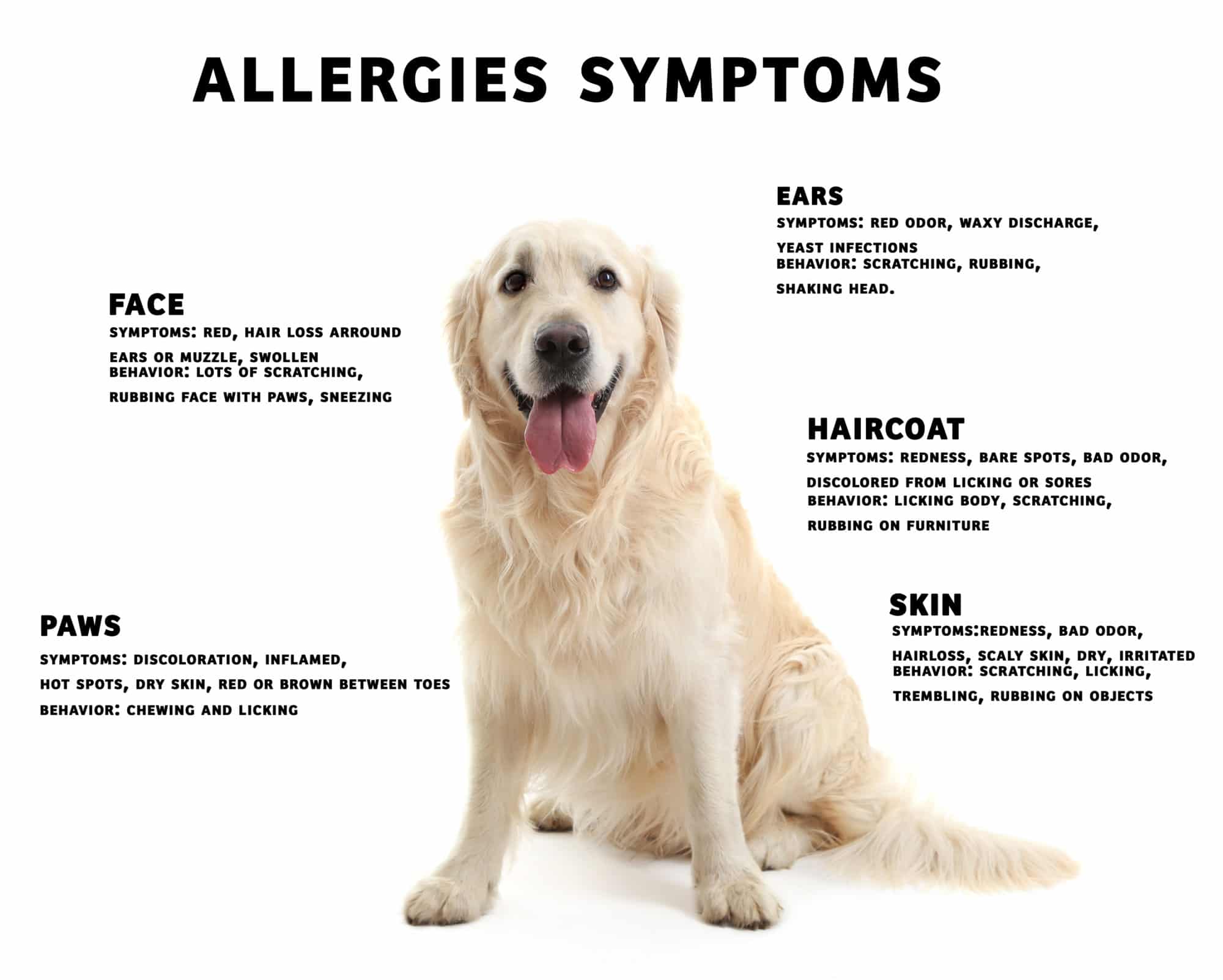
Dogs with allergies often show clear signs that something is wrong. Recognizing these symptoms early helps in managing the problem. Allergy symptoms in dogs can affect different parts of the body.
Skin Irritation And Itching
One of the most common signs of allergies is skin irritation. Dogs may scratch or bite their skin a lot. Redness, swelling, and rashes can appear on the skin. Hair loss and scabs are also common. These symptoms make dogs uncomfortable and restless.
Ear Infections
Allergies can cause ear problems too. Dogs may shake their heads or scratch their ears often. The ears might become red and inflamed. A bad smell or discharge can develop. Ear infections can be painful and need quick attention.
Digestive Issues
Some dogs show allergies through their stomach and intestines. Vomiting and diarrhea happen frequently. Dogs may lose their appetite or eat less. These problems can lead to weight loss. Digestive issues require a vet’s care to prevent worse conditions.
Triggers And Causes
Dog allergies happen when a dog’s immune system reacts to certain substances. These substances, called allergens, can come from food, environment, or parasites. Understanding what triggers allergies helps in managing and preventing discomfort for your pet.
Common Allergens In Diet
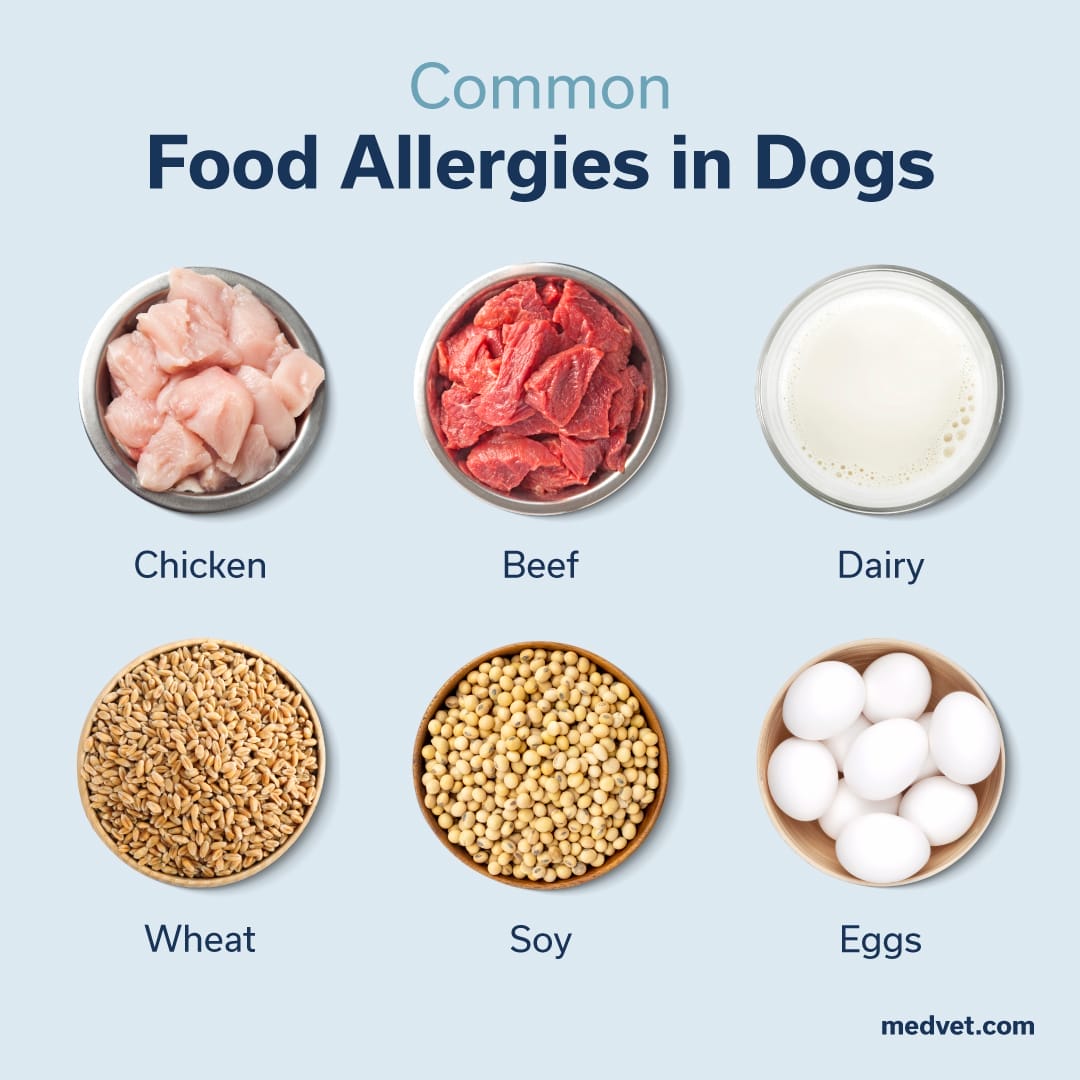
Many dogs react to ingredients in their food. Common culprits include beef, chicken, dairy, and wheat. Some dogs also develop allergies to soy or eggs. Food allergies can cause itching, upset stomach, or ear infections. Identifying the specific allergen often needs a vet’s help.
Pollen And Dust Mites
Pollen from trees, grass, and weeds can trigger allergies in dogs. Dust mites, tiny creatures in household dust, also cause reactions. These allergens often lead to skin irritation and sneezing. Dogs that spend more time outside or in dusty places are more at risk.
Flea Bites And Parasites
Fleas are a major cause of allergic reactions in dogs. A single flea bite can trigger intense itching and skin problems. Other parasites, like ticks and mites, also cause allergies. Regular parasite control is crucial to keep your dog comfortable.
Diagnosis Methods
Diagnosing dog allergies is crucial for effective treatment. Owners must understand the methods to identify the cause of allergic reactions. Clear diagnosis helps tailor the right care plan for your dog’s health.
Veterinary Exams
Veterinarians start with a detailed physical exam. They check the skin, ears, and eyes for signs of allergies. The vet asks about your dog’s diet, environment, and symptoms. This helps narrow down possible allergens. Blood tests may be done to rule out infections or other conditions.
Allergy Testing
Allergy tests detect specific substances causing reactions. Two main types exist: skin tests and blood tests. Skin tests involve small injections of allergens under the skin. Blood tests measure allergy-related antibodies in the bloodstream. These tests help identify pollen, dust mites, or flea allergies. Testing guides the choice of treatments like allergy shots or medications.
Elimination Diets
Elimination diets identify food allergies. Your dog eats a special diet with limited ingredients. This diet excludes common allergens like beef, dairy, or wheat. After weeks, foods are slowly reintroduced one at a time. If symptoms return, the food causing the allergy is found. This method requires patience but is very effective for food allergy diagnosis.
Treatment Options
Treating dog allergies involves several methods. The goal is to reduce symptoms and improve your pet’s comfort. Treatment depends on the allergy type and severity. Some dogs may need one method, others a combination.
Medications And Topicals
Medications help control itching and inflammation. Antihistamines block allergic reactions and reduce swelling. Steroids can calm severe flare-ups quickly. Your vet might suggest medicated shampoos or creams. These topicals soothe irritated skin and clean allergens away.
Dietary Changes
Food allergies require special diets. Many vets recommend hypoallergenic or limited-ingredient foods. These diets remove common allergens like beef or dairy. Switching to novel protein sources may also help. Always introduce new food slowly to avoid upset stomachs.
Flea Control Strategies
Fleas trigger allergies in many dogs. Regular flea prevention is crucial. Use veterinarian-approved flea collars, sprays, or oral medications. Clean your dog’s bedding and home frequently. Controlling fleas reduces itching and allergic reactions fast.
Preventive Measures
Preventive measures help reduce the risk of allergies in dogs. They keep your pet comfortable and healthy. Taking small daily steps makes a big difference in managing allergies.
Regular Grooming
Brush your dog often to remove dirt and allergens from the fur. Bathe your dog with mild, allergy-friendly shampoos. Clean ears and trim nails to avoid infections and irritations. Grooming lowers the chance of skin problems caused by allergens.
Home Environment Management
Keep your home clean and dust-free. Vacuum carpets and furniture regularly to remove dust mites and pet dander. Use air purifiers to reduce airborne allergens. Wash your dog’s bedding often in hot water. Avoid using strong chemicals or sprays around your dog.
Routine Vet Checkups
Visit the vet regularly for allergy testing and health checks. Early detection helps control symptoms faster. Follow the vet’s advice on diet and medication. Keep a record of any allergy signs to discuss during visits. Routine care helps your dog stay allergy-free and happy.
Frequently Asked Questions
What Are The Most Common Dog Allergies?
Common dog allergies include flea bites, certain foods, pollen, dust mites, and mold. These trigger itching, redness, and discomfort in dogs.
How Can I Identify If My Dog Has Allergies?
Look for symptoms like excessive scratching, licking paws, ear infections, and skin redness. These signs often indicate allergic reactions in dogs.
Can Dog Allergies Be Treated Effectively?
Yes, treatments include antihistamines, special diets, flea control, and allergy shots. Consult your vet for a tailored allergy management plan.
Are Food Allergies Common In Dogs?
Yes, dogs can be allergic to ingredients like beef, chicken, dairy, and wheat. Food allergies often cause digestive issues and skin problems.
Conclusion
Dog allergies can cause many problems for your pet. Common triggers include food, pollen, and fleas. Watch for itching, redness, or hair loss. Early detection helps keep your dog comfortable. Speak with a vet to find the best treatment. Simple changes can reduce allergy symptoms a lot.
Understanding these allergies helps you care better for your dog. Stay patient and observant. Your dog will thank you with a happier life.

